
How Much Does a Bagel Weigh?
Typically, a bagel weighs about 90 to 140 grams (3 to 5 ounces).
Weight guides and references collected under Food.
Typically, a bagel weighs about 90 to 140 grams (3 to 5 ounces).

Typically, a baguette weighs about 250 to 350 grams (9 to 12 ounces).

Typically, a croissant weighs about 55 to 80 grams (2 to 3 ounces).

Typically, a cupcake weighs about 50 to 100 grams (1.8 to 3.5 ounces).

Typically, a donut weighs about 50 to 90 grams (1.8 to 3.2 ounces).

Typically, a muffin weighs about 80 to 120 grams (3 to 4 ounces).

Typically, a pancake weighs about 40 to 60 grams (1.4 to 2.1 ounces).
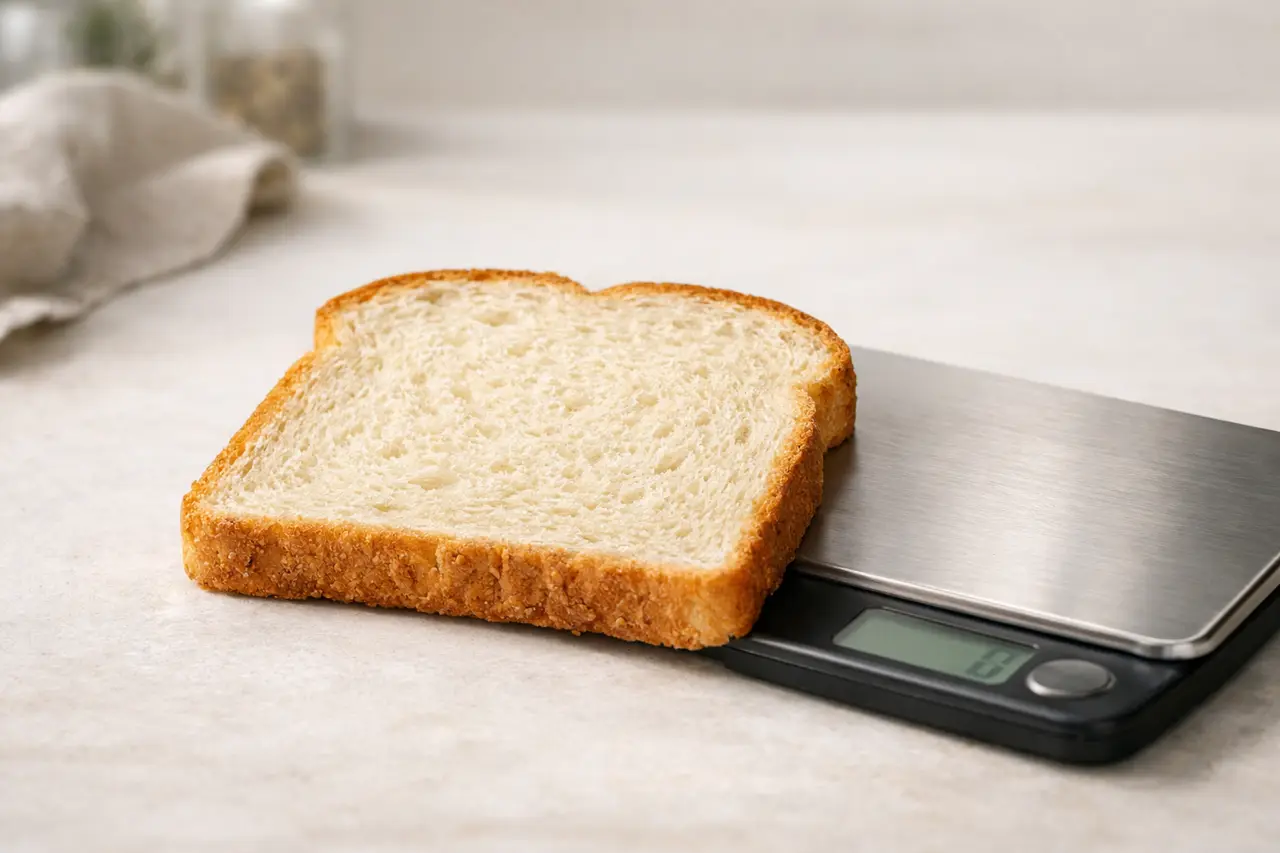
Typically, a slice of bread weighs about 25 to 40 grams (0.9 to 1.4 ounces).

Typically, a waffle weighs about 70 to 100 grams (2.5 to 3.5 ounces).

Typically, a whole loaf of bread weighs about 450 to 900 grams (1 to 2 pounds).

Typically, a butter stick weighs about 113 grams (4 ounces). The exact weight depends on size, variety, preparation, brand, and how much edible or non-edible material is included.

Typically, a cheese block weighs about 200 to 450 grams (7 ounces to 1 pound).

Typically, a cheese slice weighs about 20 to 25 grams (0.7 to 0.9 ounces).

Typically, a cup of cottage cheese weighs about 210 to 230 grams (7.4 to 8.1 ounces).

Typically, a dozen eggs weighs about 600 to 720 grams (1.3 to 1.6 pounds).

Typically, a glass of milk weighs about 240 to 250 grams (8.5 to 8.8 ounces).

Typically, a yogurt cup weighs about 150 to 170 grams (5.3 to 6 ounces).

Typically, an egg weighs about 50 to 60 grams (1.8 to 2.1 ounces).

Typically, an ice cream cone weighs about 100 to 150 grams (3.5 to 5 ounces).

Typically, an ice cream scoop weighs about 60 to 100 grams (2 to 3.5 ounces).
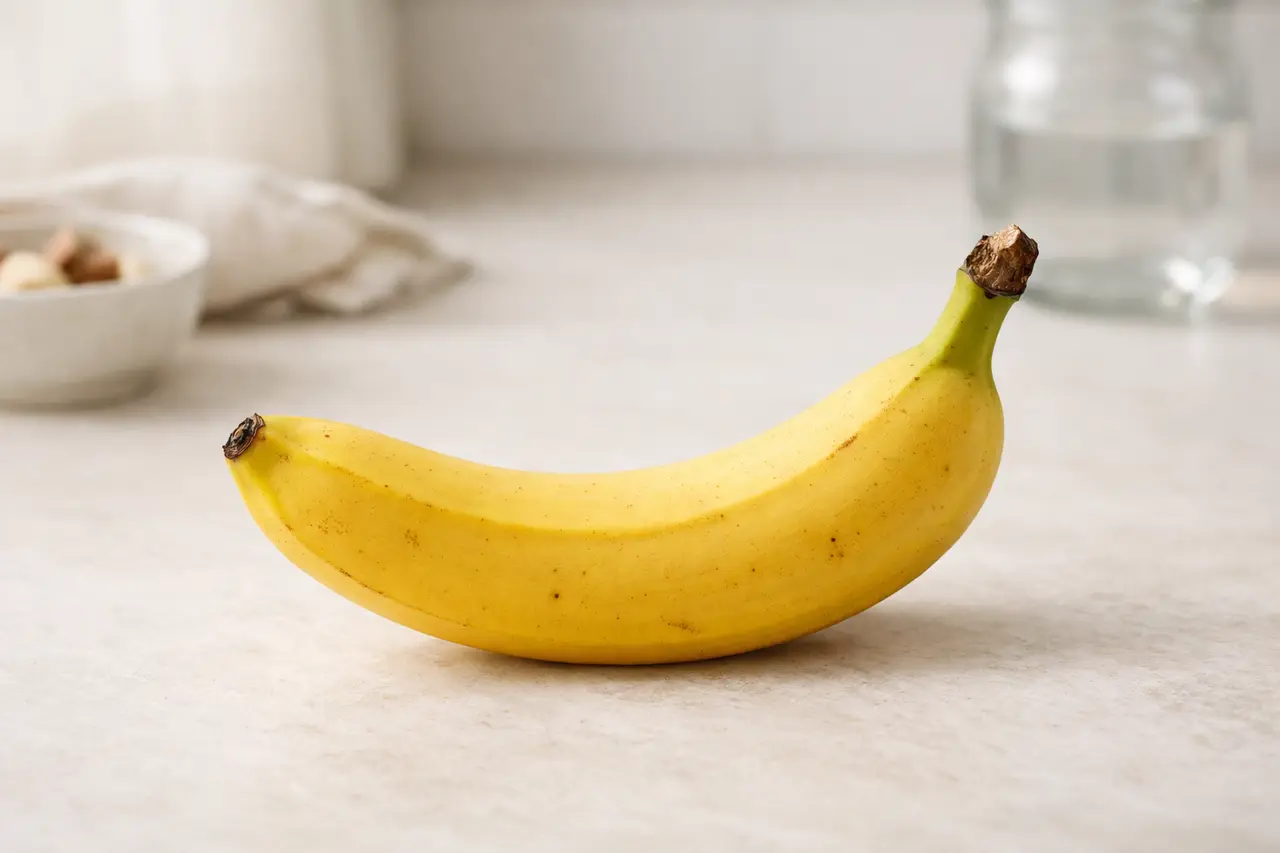
Typically, a banana weighs about 100 to 130 grams (3.5 to 4.6 ounces) peeled.

Typically, a blueberry weighs about 1 to 2 grams (0.04 to 0.07 ounces).

Typically, a cherry weighs about 5 to 8 grams (0.18 to 0.28 ounces).

Typically, a cup of grapes weighs about 150 to 170 grams (5.3 to 6 ounces).

A single date typically weighs between 7 and 10 grams (0.25 to 0.35 ounces).

A typical grape weighs about 5 grams (0.18 ounces).
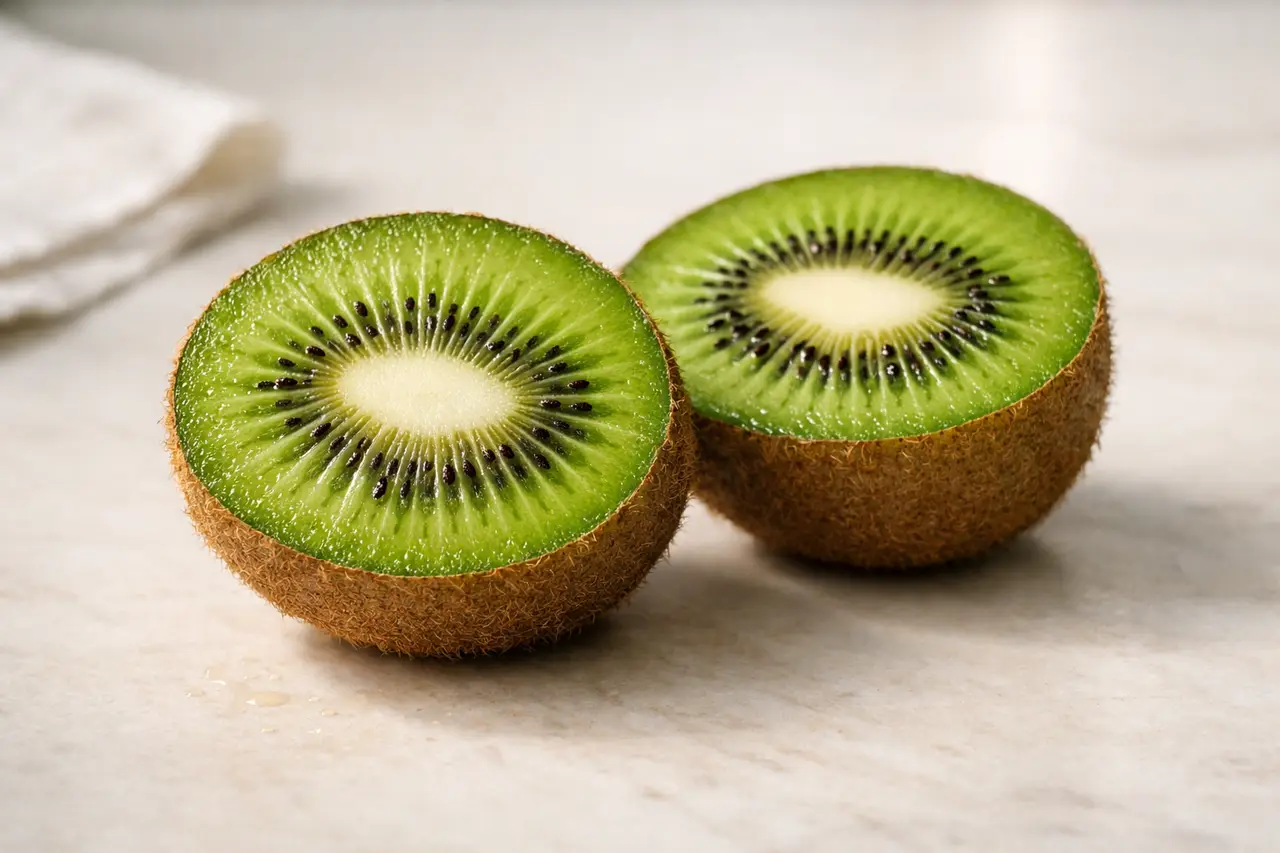
Typically, a kiwi weighs about 70 to 100 grams (2.5 to 3.5 ounces).

Typically, a lemon weighs about 60 to 120 grams (2 to 4 ounces).
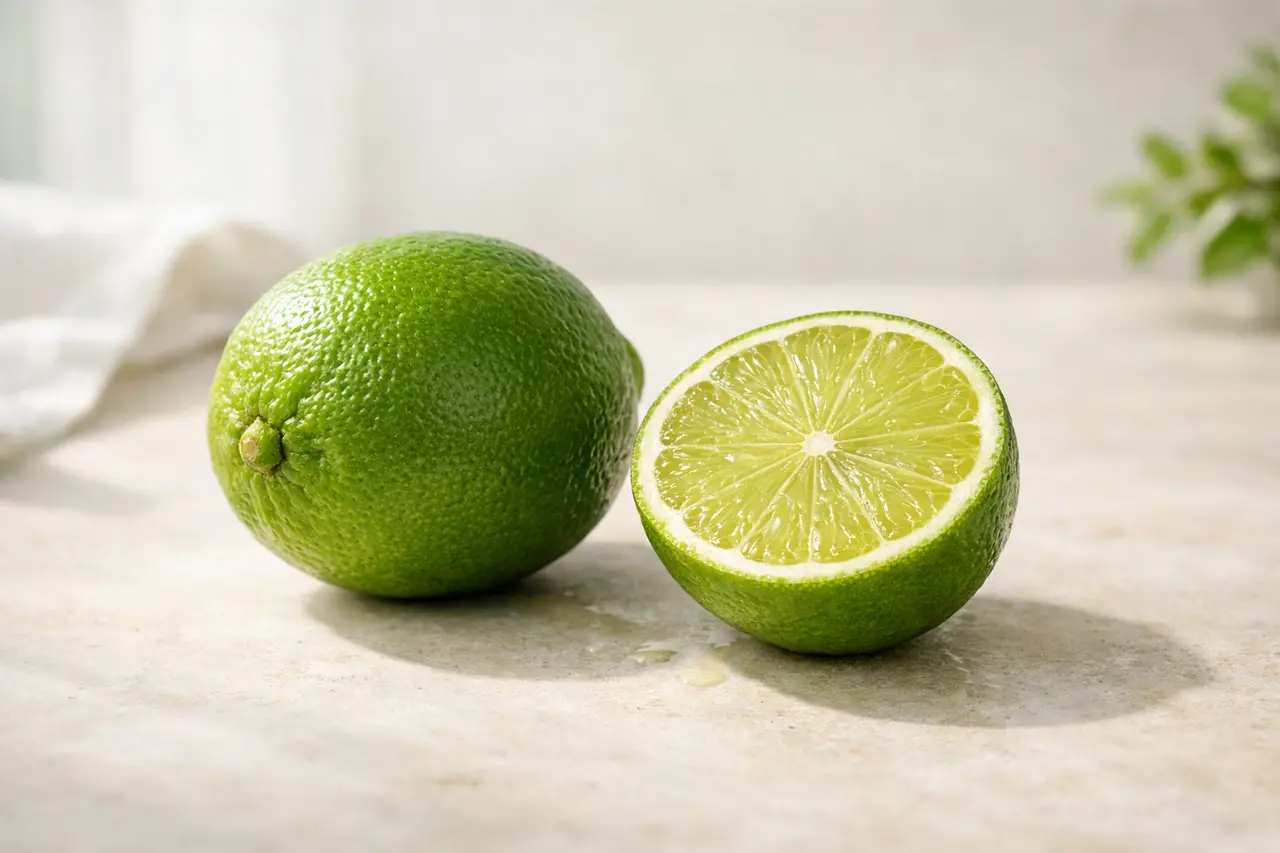
Typically, a lime weighs about 50 to 80 grams (1.8 to 2.8 ounces).
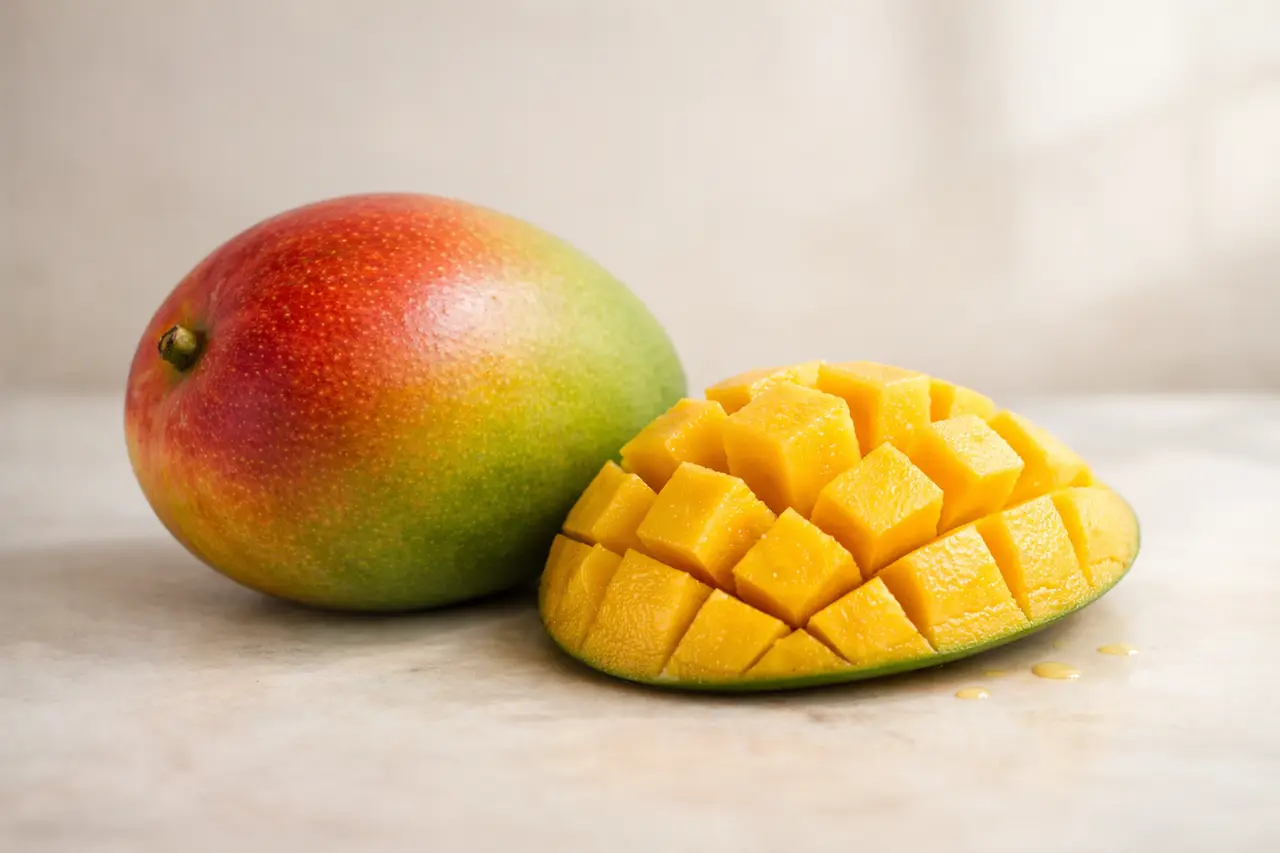
Typically, a mango weighs about 200 to 350 grams (7 to 12 ounces).
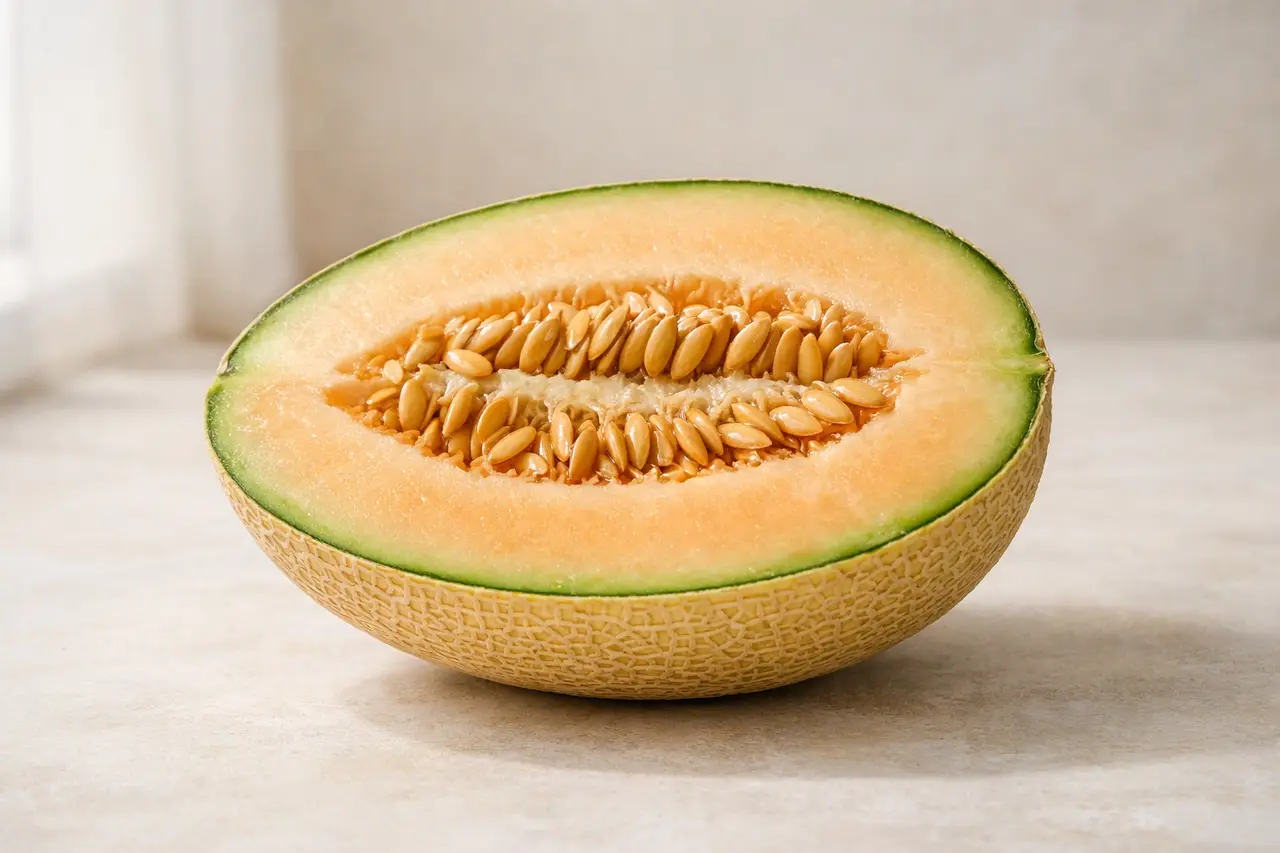
Typically, a melon weighs about 1 to 3 kilograms (2.2 to 6.6 pounds).
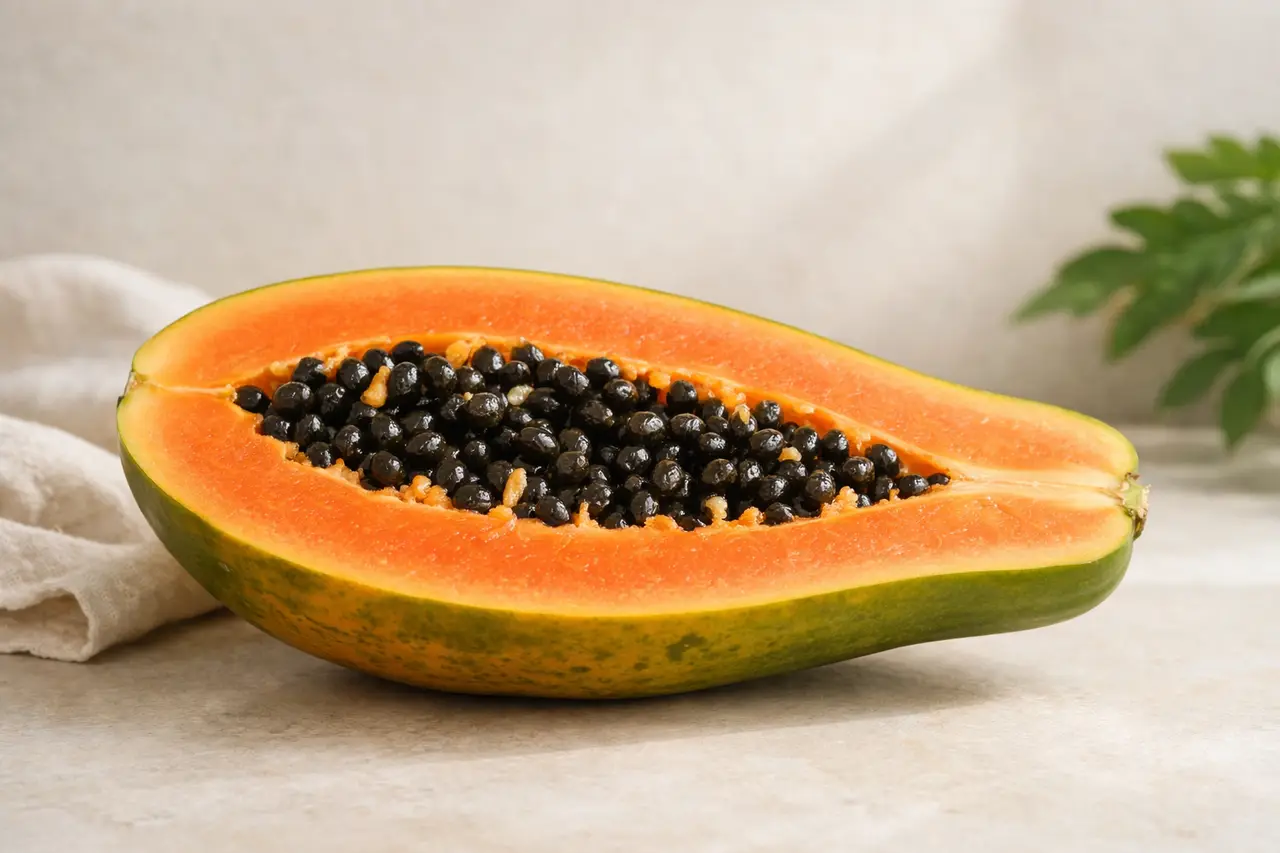
Typically, a papaya weighs about 0.5 to 1.5 kilograms (1.1 to 3.3 pounds).
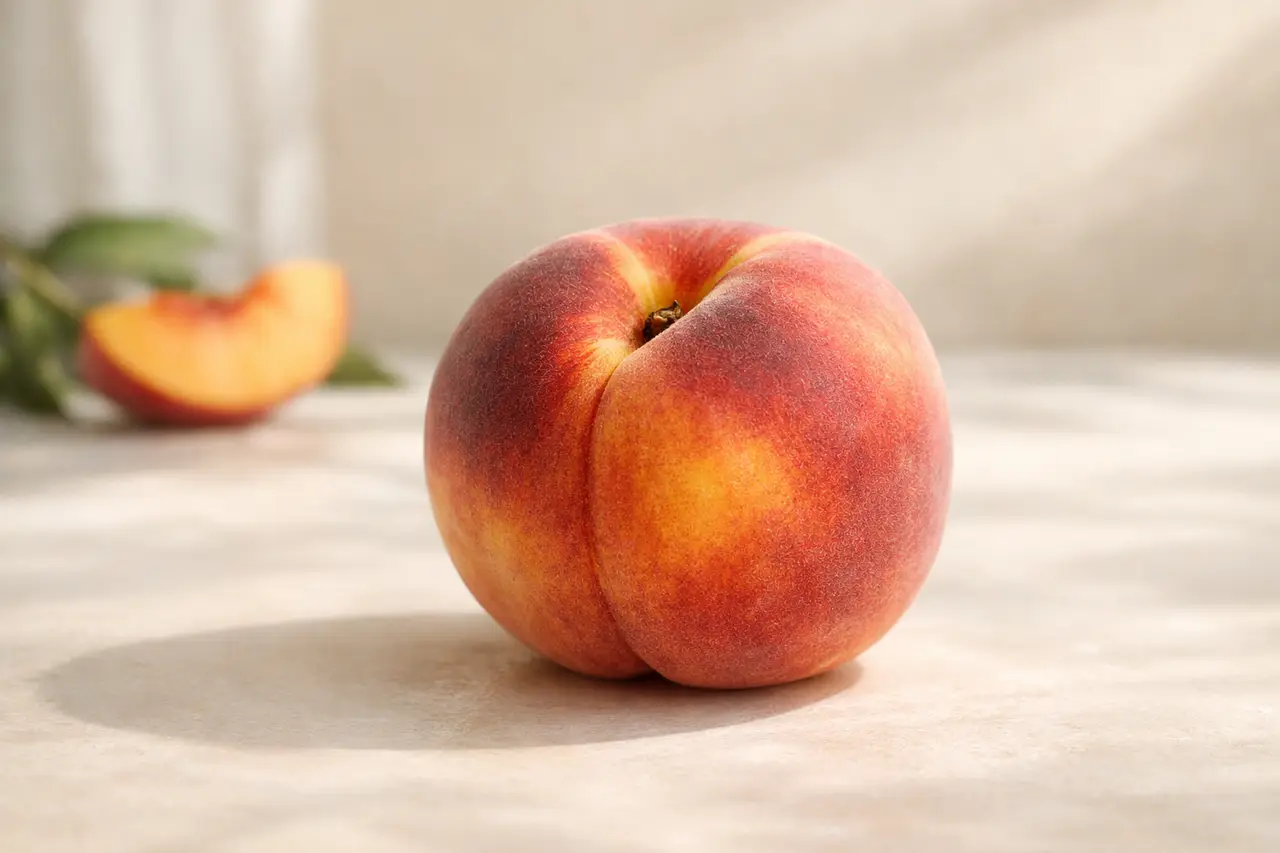
Typically, a peach weighs about 120 to 180 grams (4 to 6 ounces).
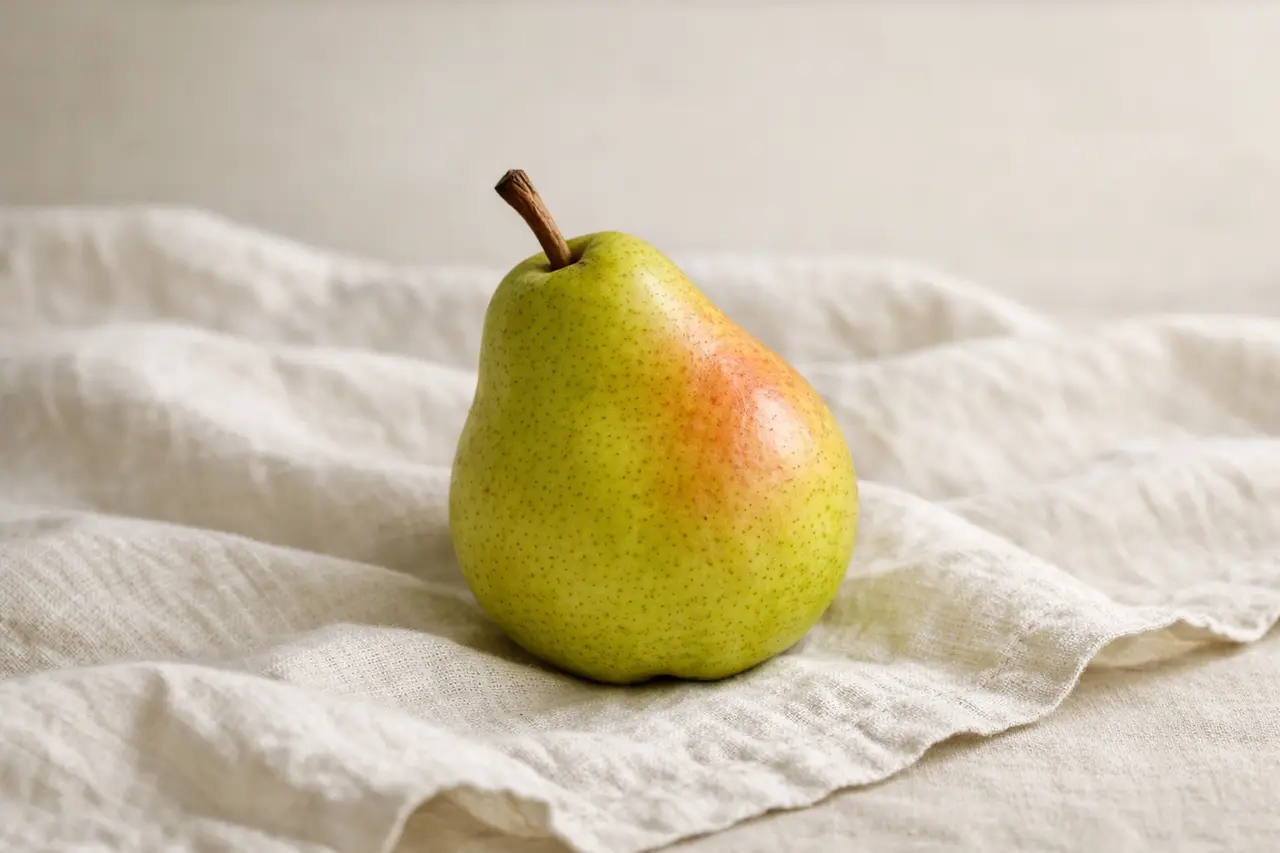
Typically, a pear weighs about 170 to 230 grams (6 to 8 ounces).
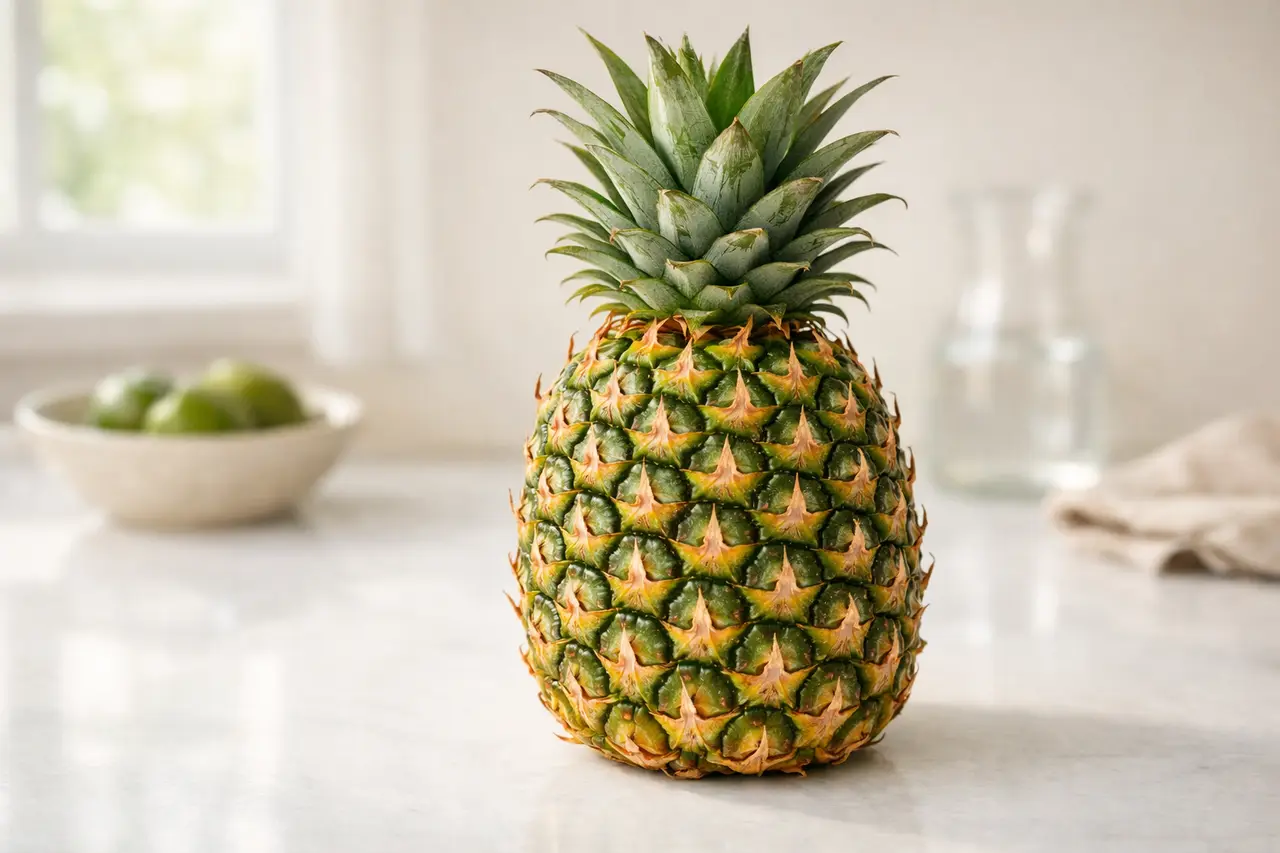
Typically, a pineapple weighs about 0.9 to 1.8 kilograms (2 to 4 pounds).
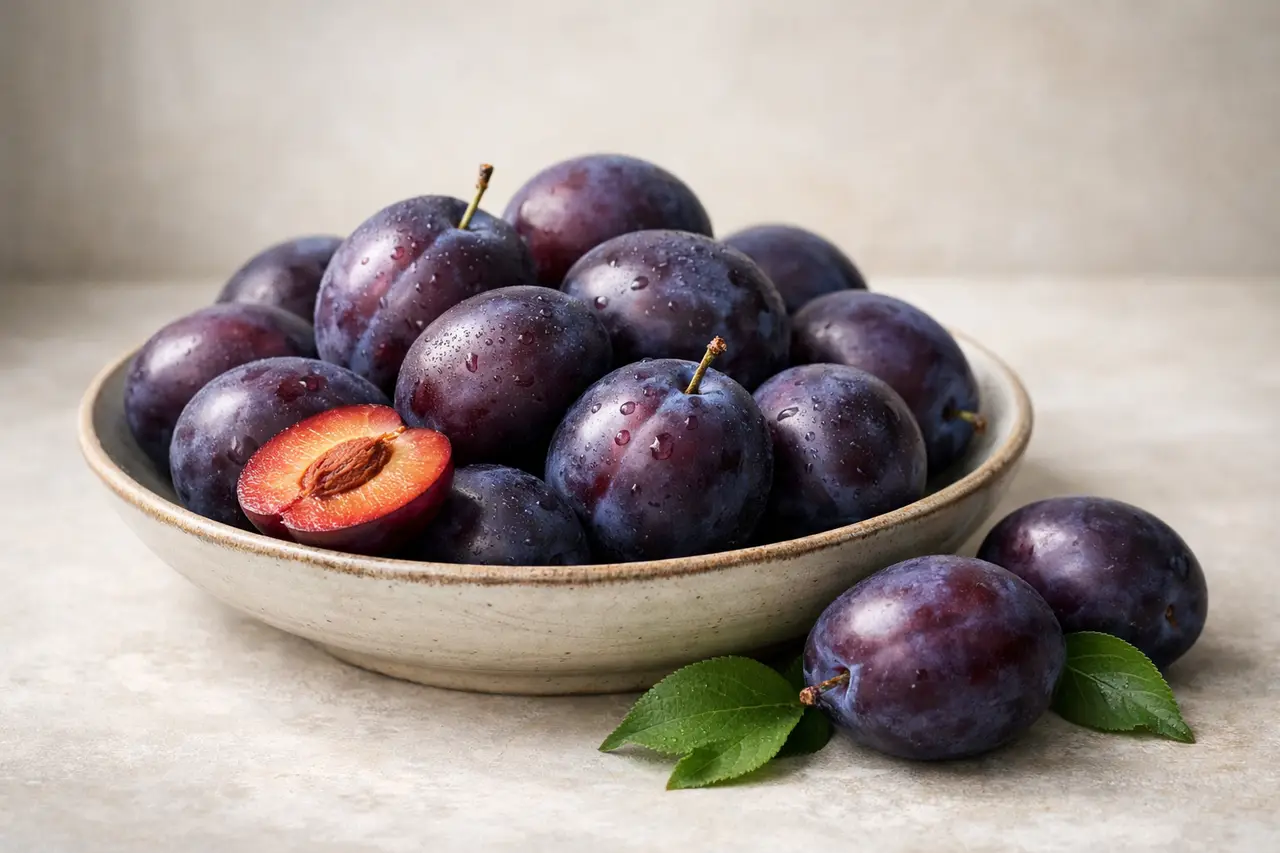
Typically, a plum weighs about 50 to 80 grams (1.8 to 2.8 ounces).
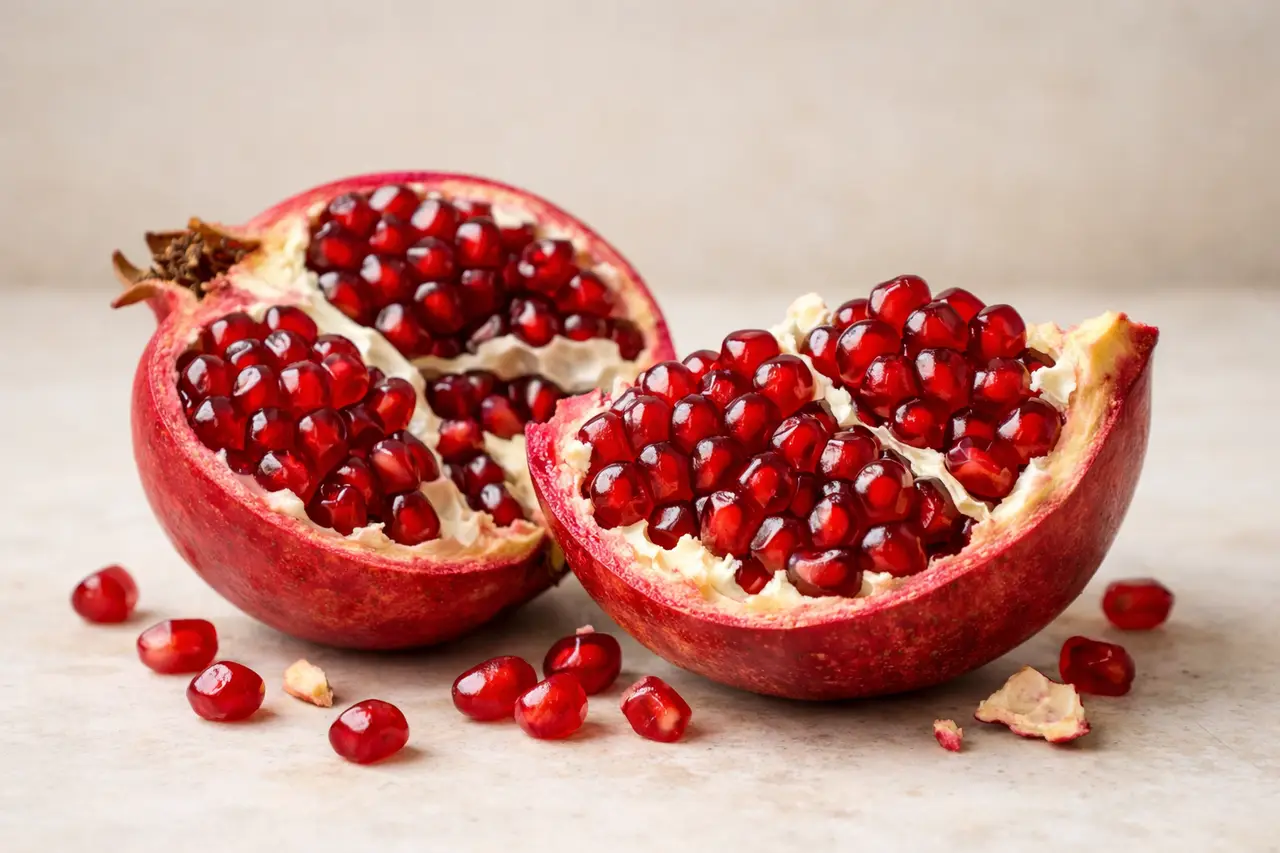
Typically, a pomegranate weighs about 300 to 500 grams (11 to 18 ounces).
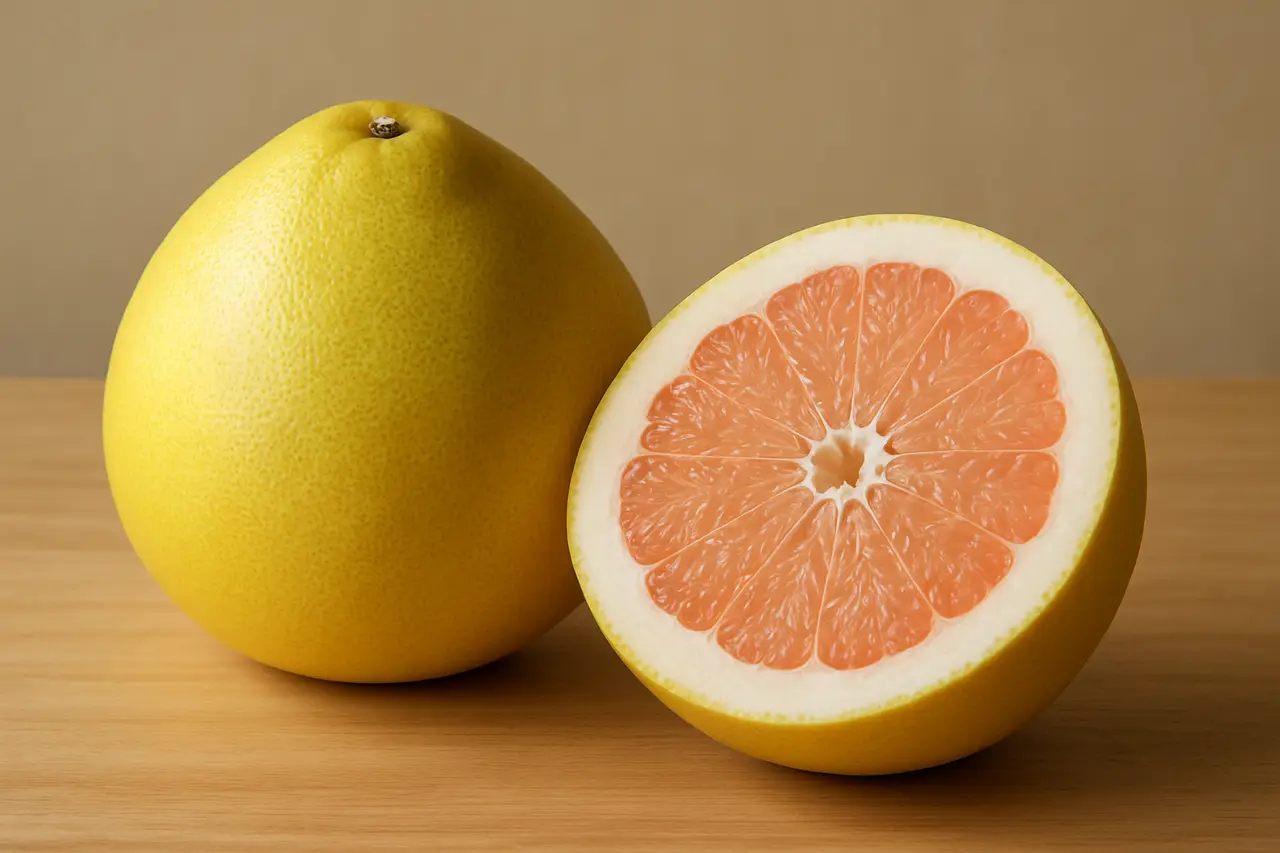
A typical pomelo weighs between 1 to 2 kilograms (2.2 to 4.4 pounds).

Typically, a raspberry weighs about 3 to 5 grams (0.1 to 0.18 ounces).

Typically, a strawberry weighs about 12 to 18 grams (0.4 to 0.6 ounces).
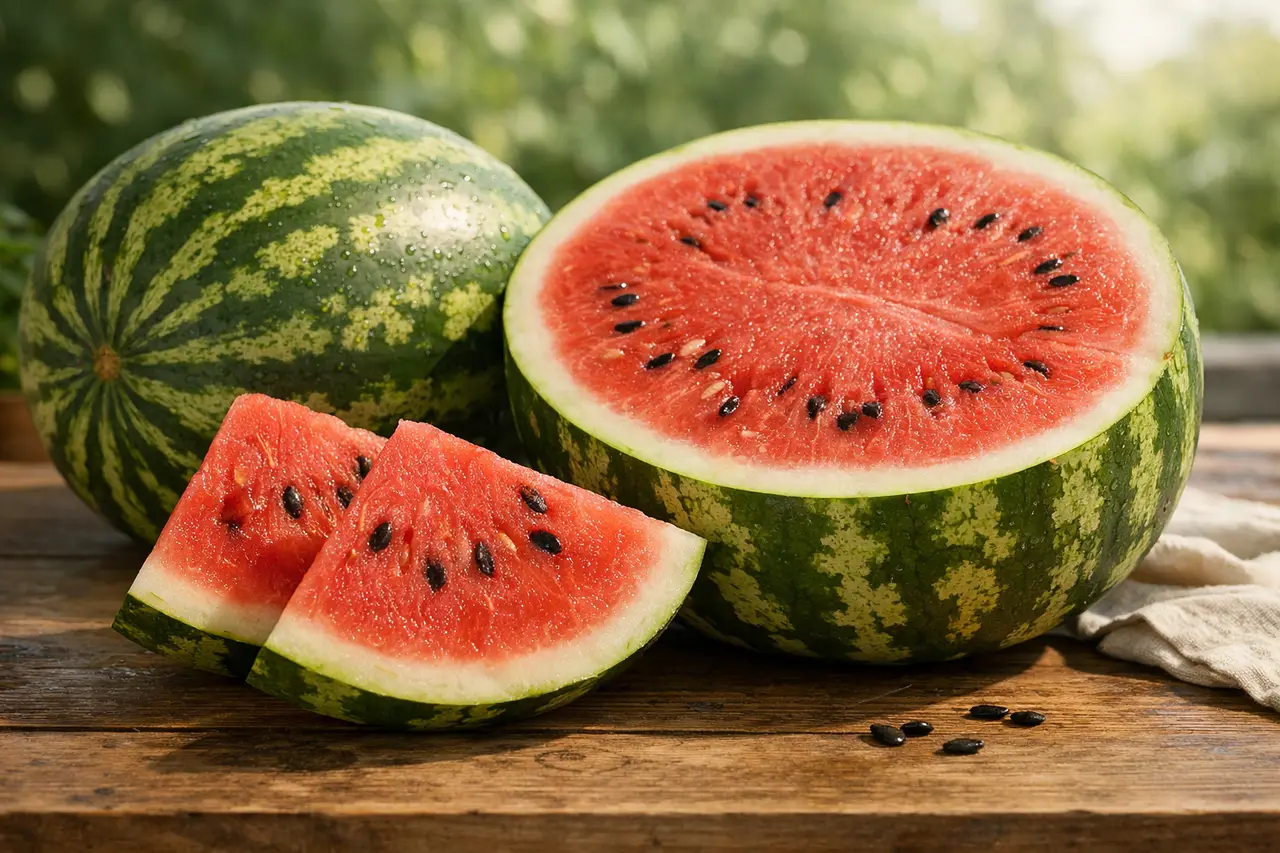
Typically, a watermelon weighs about 4 to 12 kilograms (9 to 26 pounds).
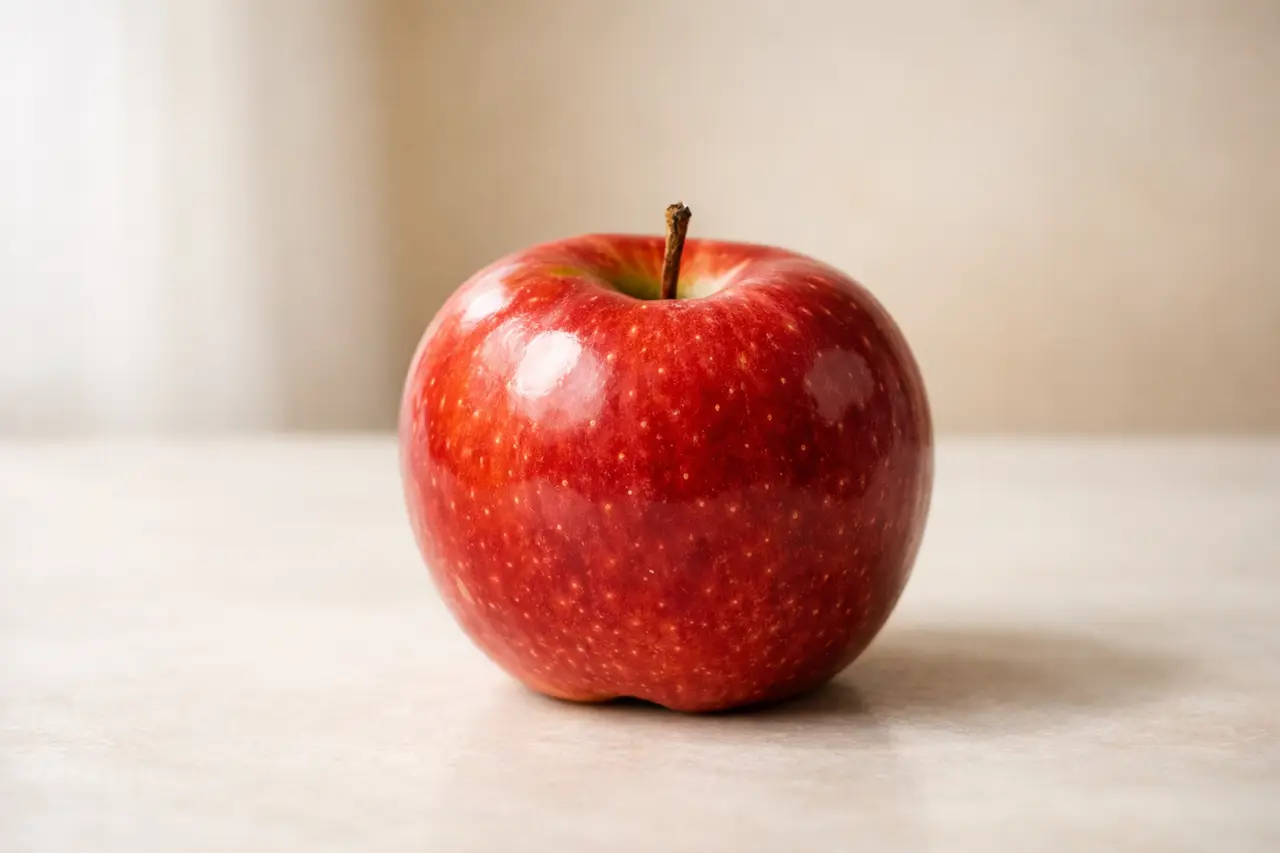
Typically, an apple weighs about 150 to 250 grams (5 to 9 ounces).
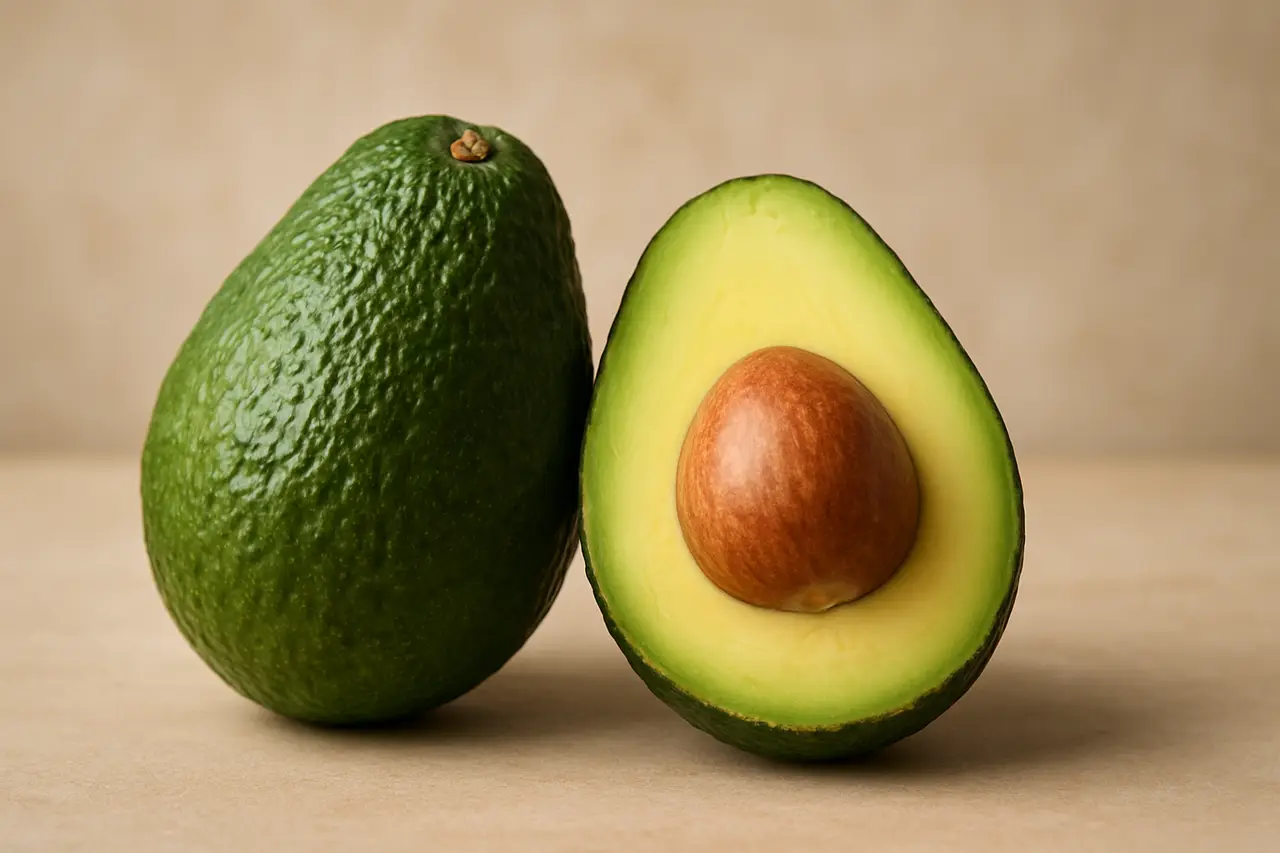
A typical Hass avocado weighs about 200 grams (7 ounces).
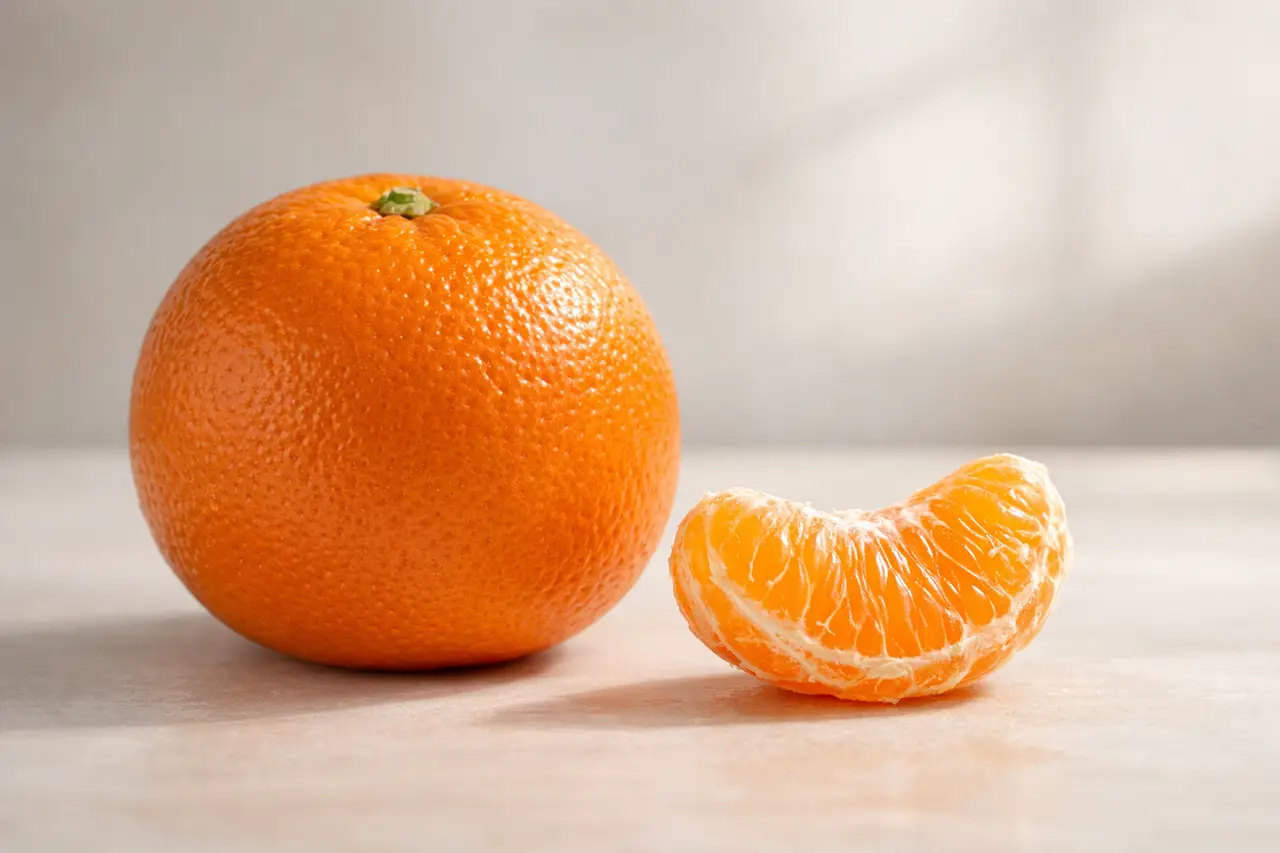
Typically, an orange weighs about 130 to 250 grams (4.5 to 9 ounces).
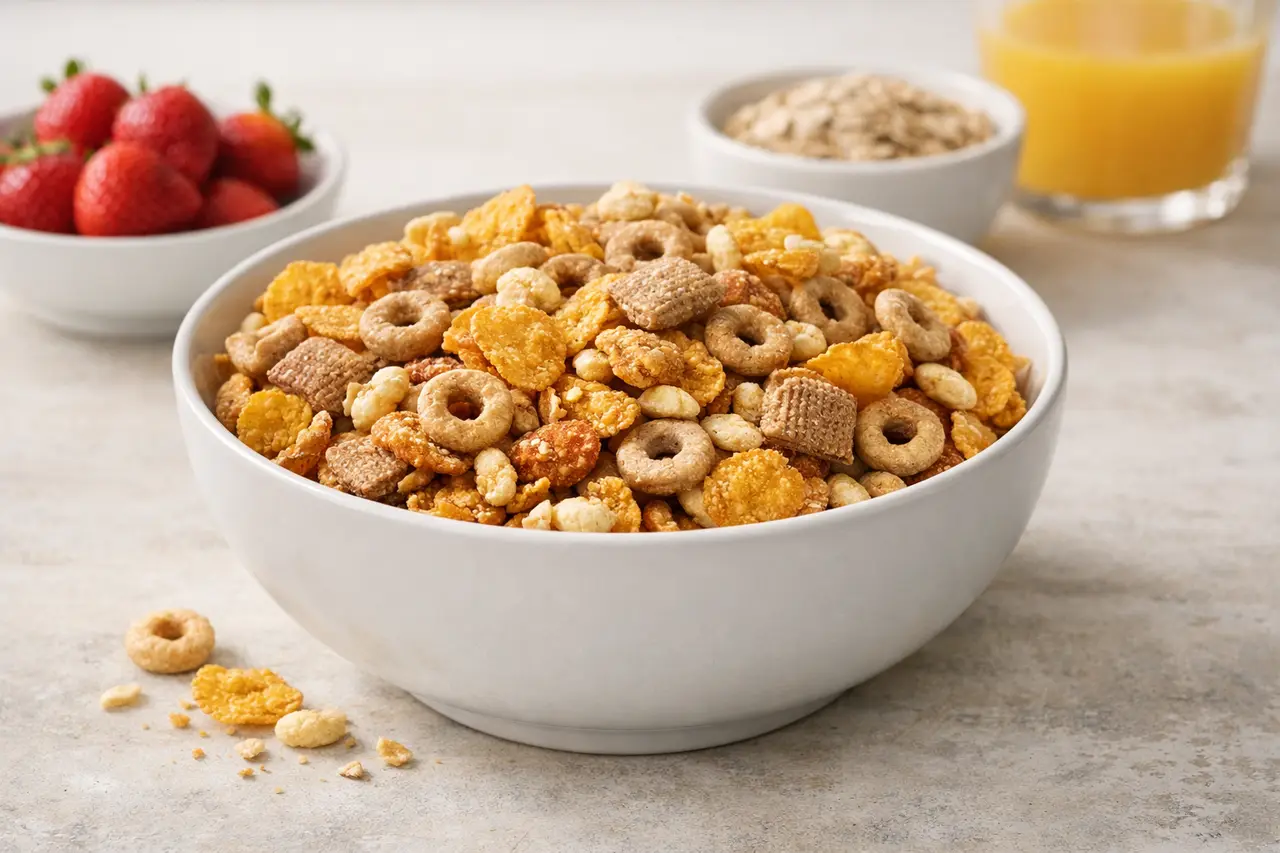
Typically, a bowl of cereal weighs about 30 to 60 grams (1 to 2 ounces).
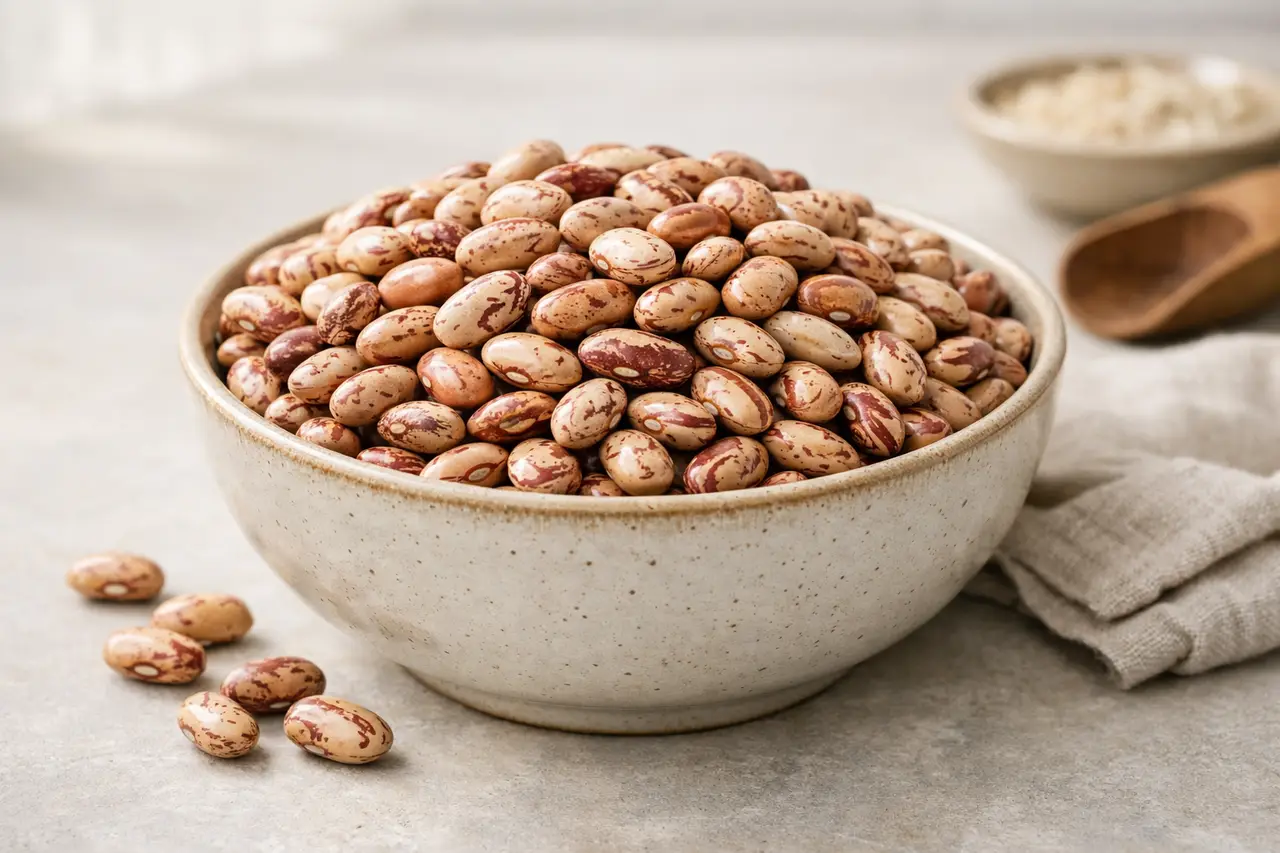
Typically, a cup of beans weighs about 180 to 200 grams (6.3 to 7 ounces) dry.

Typically, a cup of cooked rice weighs about 150 to 200 grams (5 to 7 ounces).

Typically, a cup of flour weighs about 120 to 130 grams (4.2 to 4.6 ounces).
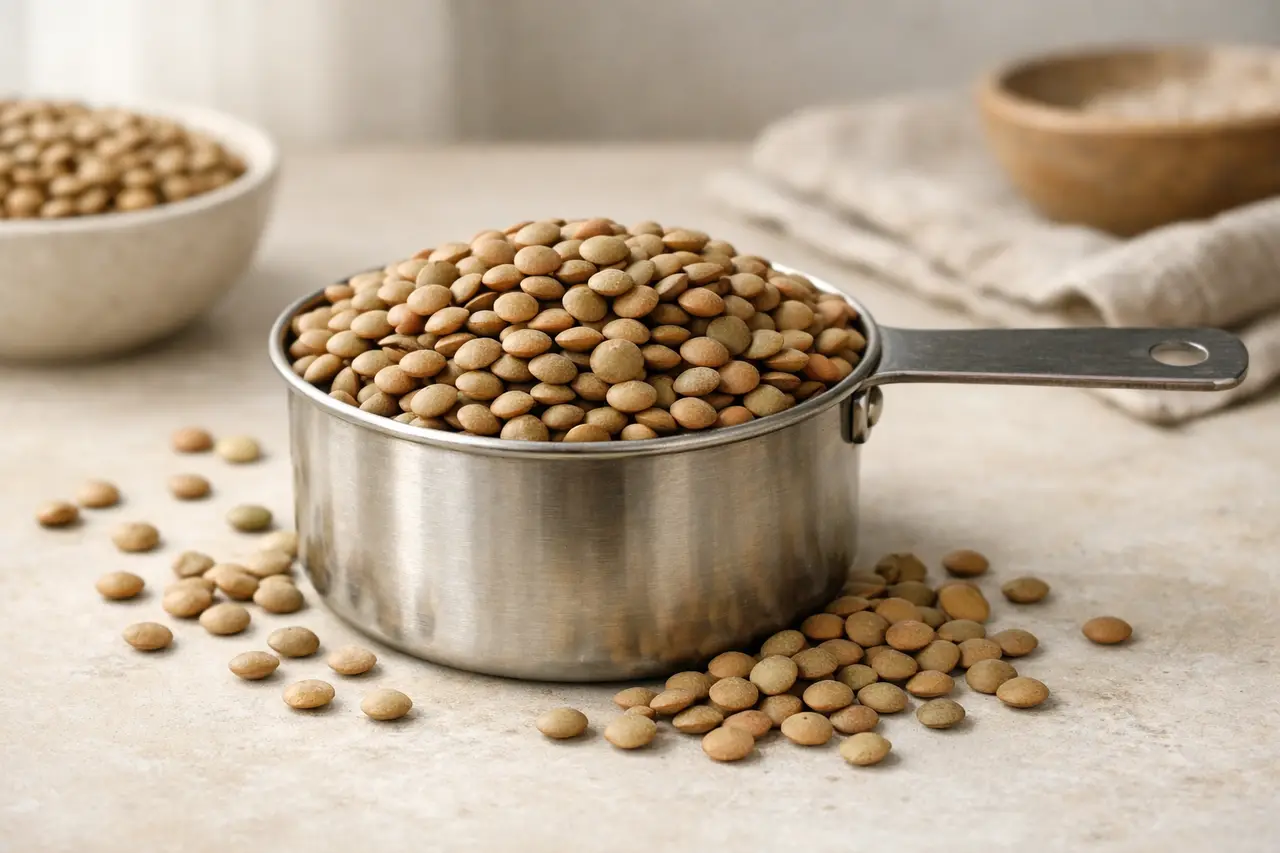
Typically, a cup of lentils weighs about 190 to 200 grams (6.7 to 7 ounces) dry.

Typically, a cup of pasta weighs about 80 to 100 grams (2.8 to 3.5 ounces) dry.
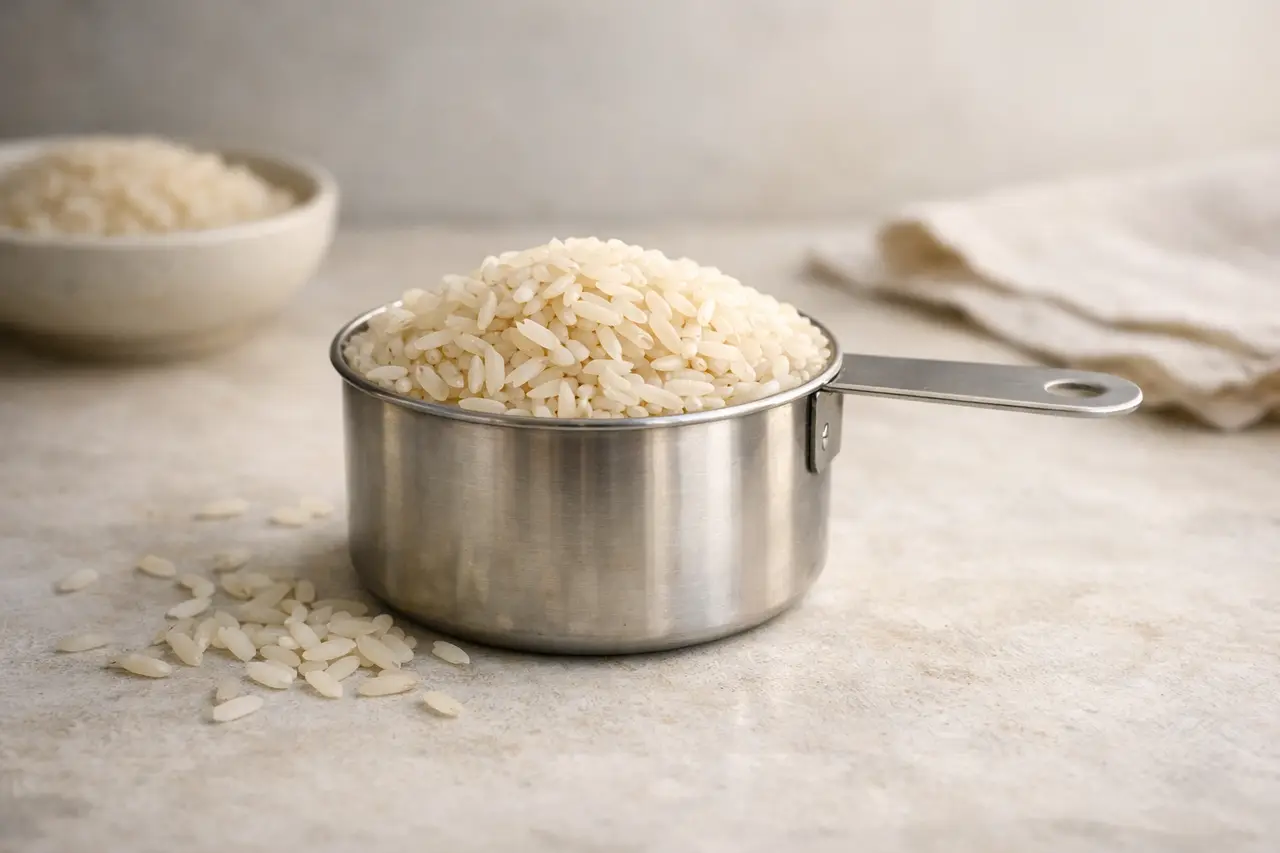
Typically, a cup of rice weighs about 180 to 200 grams (6.3 to 7 ounces) dry.

Typically, a cup of sugar weighs about 190 to 200 grams (6.7 to 7 ounces).

A single grain of uncooked long-grain rice weighs about 0.02 grams (0.0007 ounces).

Typically, a tablespoon of salt weighs about 17 to 18 grams (0.6 ounces).
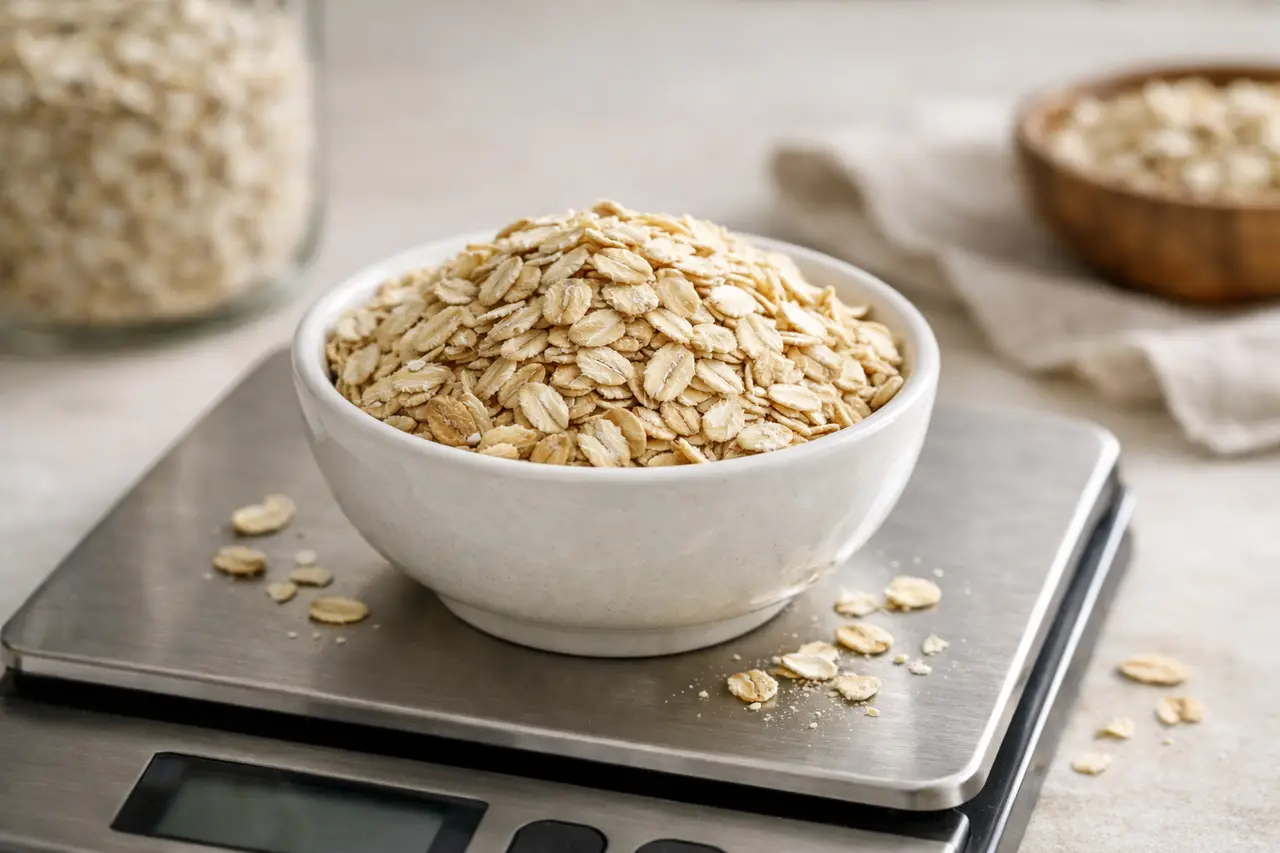
Typically, an oatmeal serving weighs about 40 to 50 grams (1.4 to 1.8 ounces) dry.

Typically, a bacon slice weighs about 15 to 30 grams (0.5 to 1 ounce) raw.
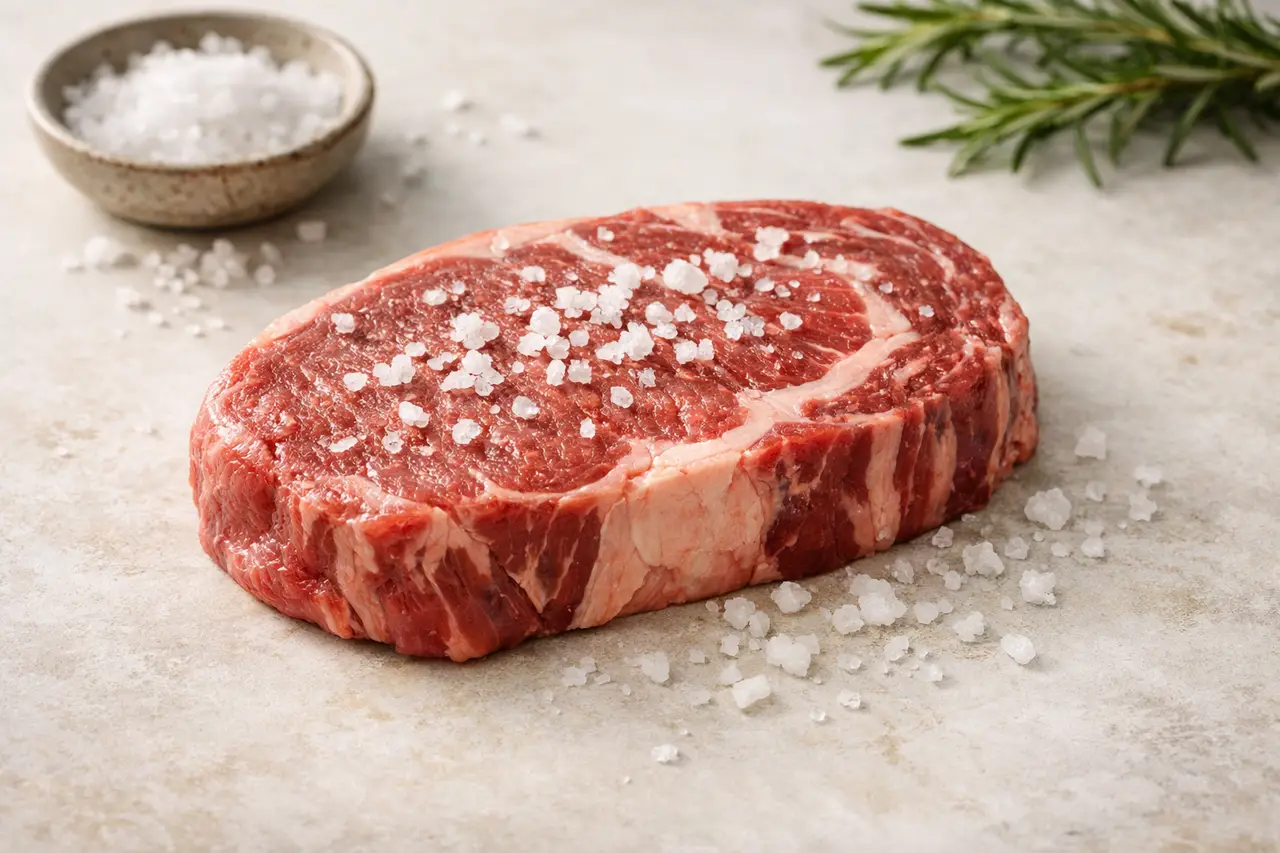
Typically, a beef steak weighs about 225 to 340 grams (8 to 12 ounces).

Typically, a chicken breast weighs about 170 to 280 grams (6 to 10 ounces) raw.

Typically, a hot dog weighs about 45 to 60 grams (1.6 to 2.1 ounces).
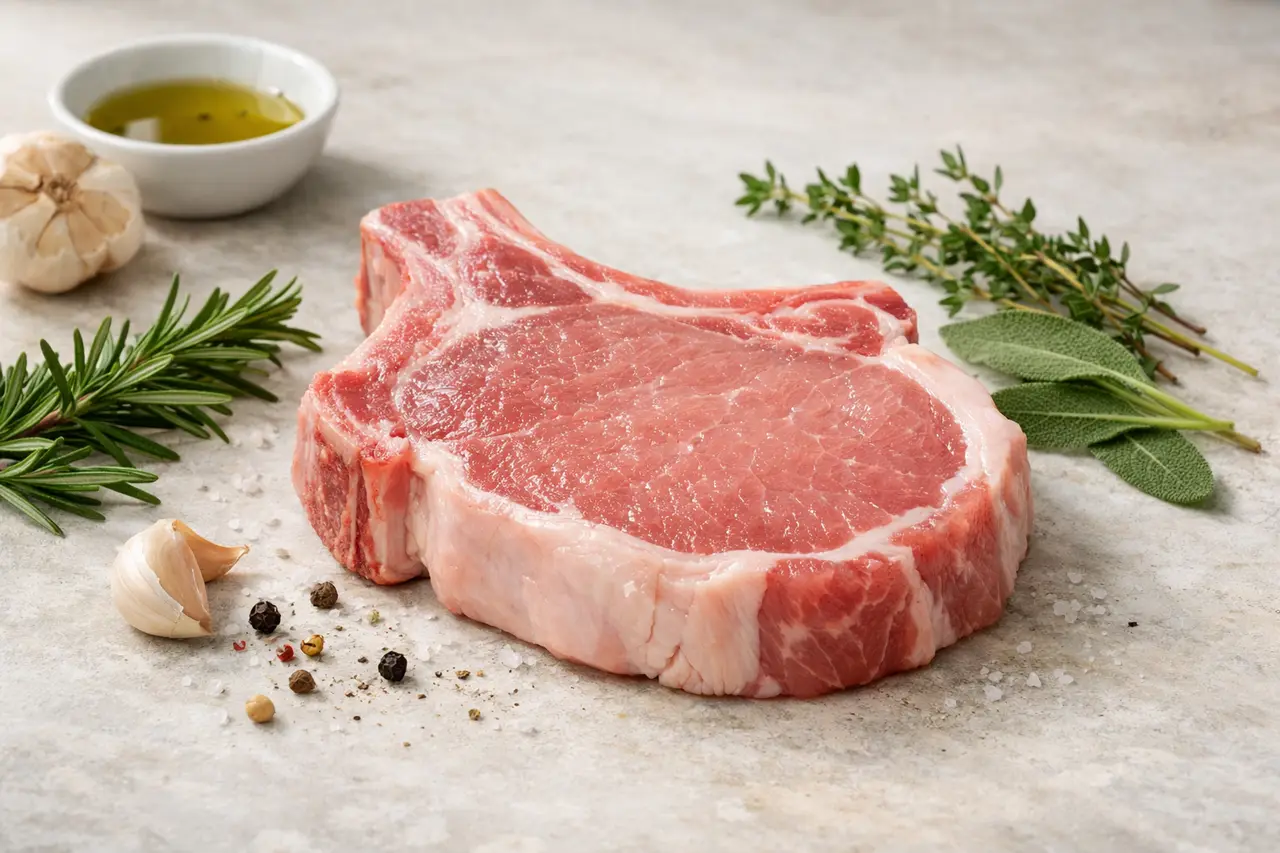
Typically, a pork chop weighs about 150 to 250 grams (5 to 9 ounces).
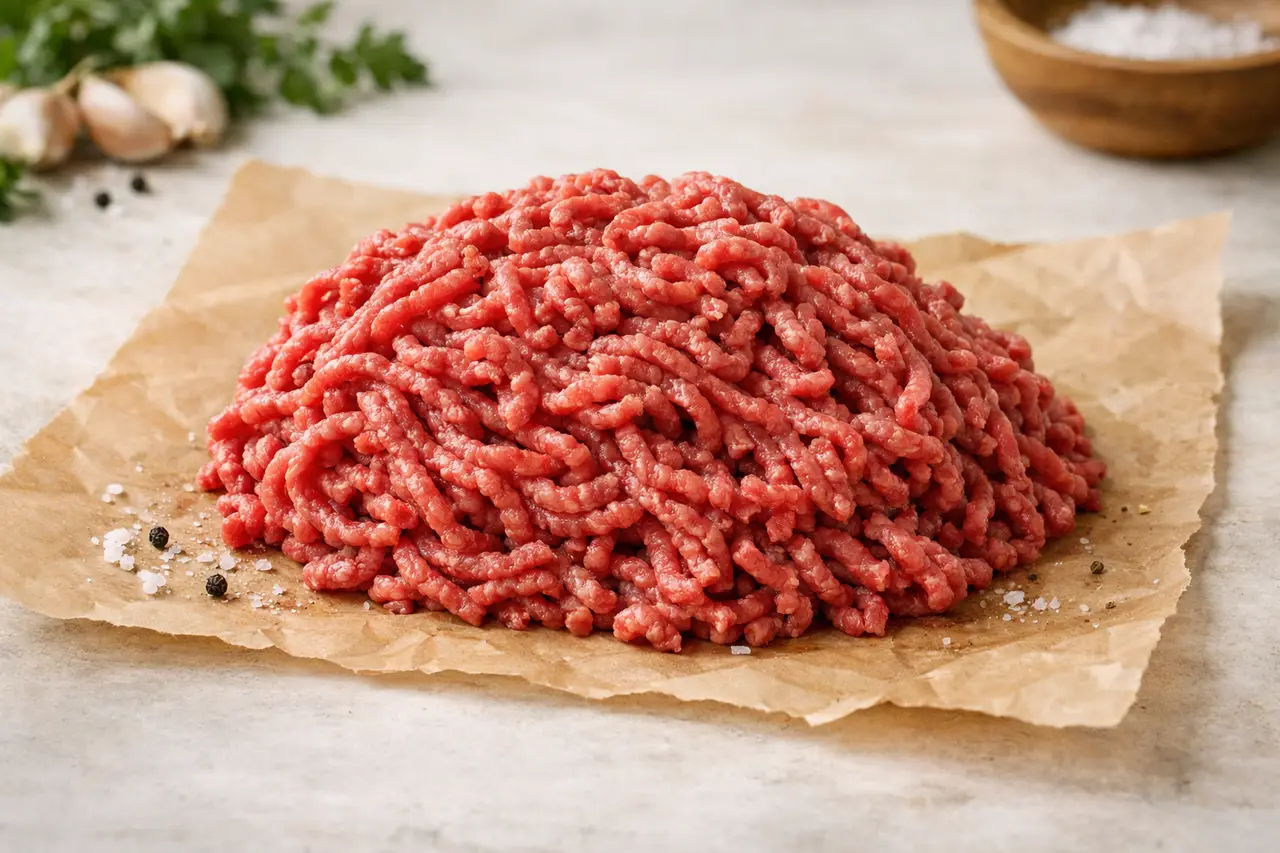
Typically, a pound of ground beef weighs about 454 grams (1 pound).

Typically, a salmon fillet weighs about 170 to 225 grams (6 to 8 ounces).

Typically, a sausage weighs about 60 to 100 grams (2 to 3.5 ounces).

Typically, a tuna can weighs about 140 to 170 grams (5 to 6 ounces) unopened.
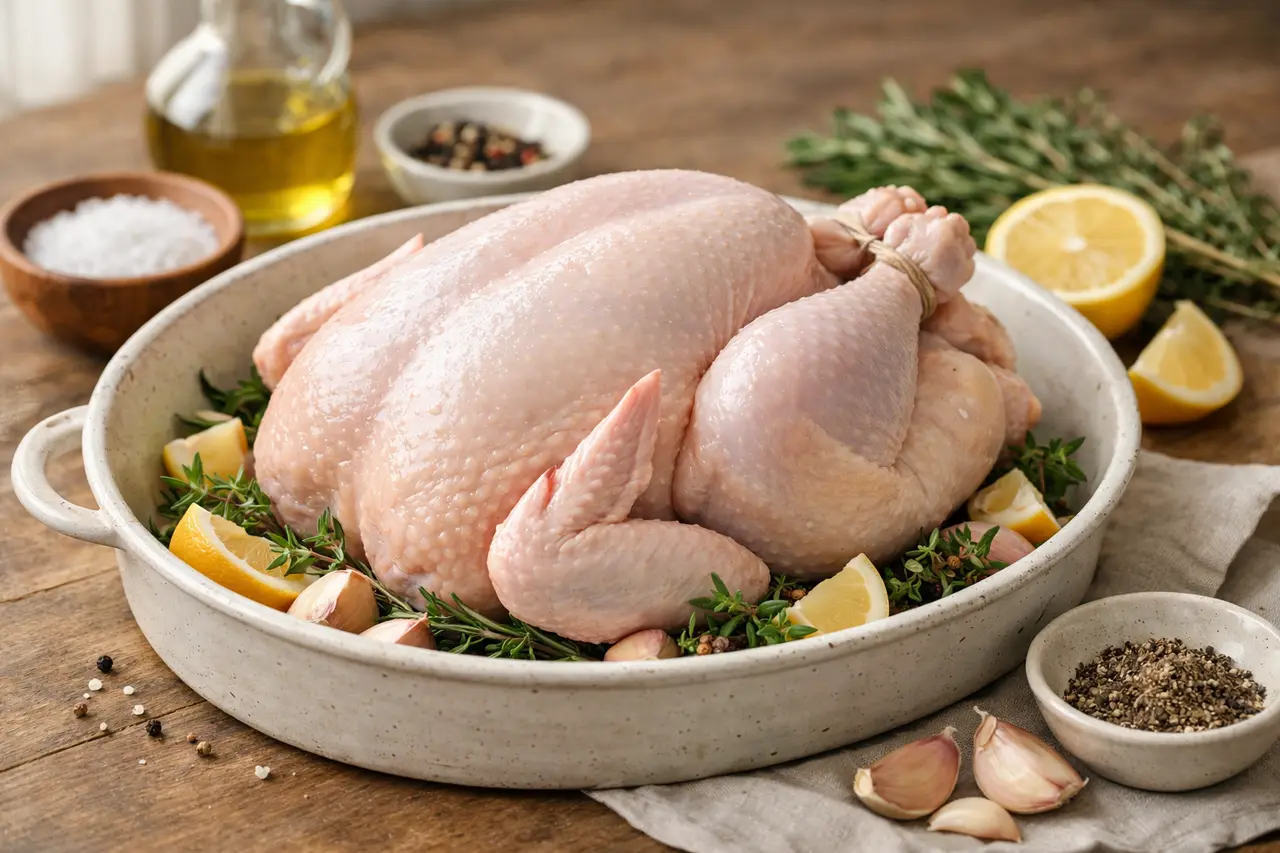
Typically, a whole chicken weighs about 1.4 to 2.3 kilograms (3 to 5 pounds).

Typically, a burrito weighs about 300 to 600 grams (11 ounces to 1.3 pounds).

Typically, a cheeseburger weighs about 200 to 300 grams (7 to 11 ounces).

Typically, a hamburger weighs about 180 to 250 grams (6 to 9 ounces).

Typically, a portion of French fries weighs about 100 to 150 grams (3.5 to 5 ounces).

Typically, a sandwich weighs about 150 to 300 grams (5 to 11 ounces).

Typically, a slice of pizza weighs about 100 to 150 grams (3.5 to 5 ounces).

Typically, a sushi roll weighs about 150 to 250 grams (5 to 9 ounces).

Typically, a taco weighs about 75 to 150 grams (2.6 to 5 ounces).

Typically, a whole pizza weighs about 600 grams to 1.2 kilograms (1.3 to 2.6 pounds).
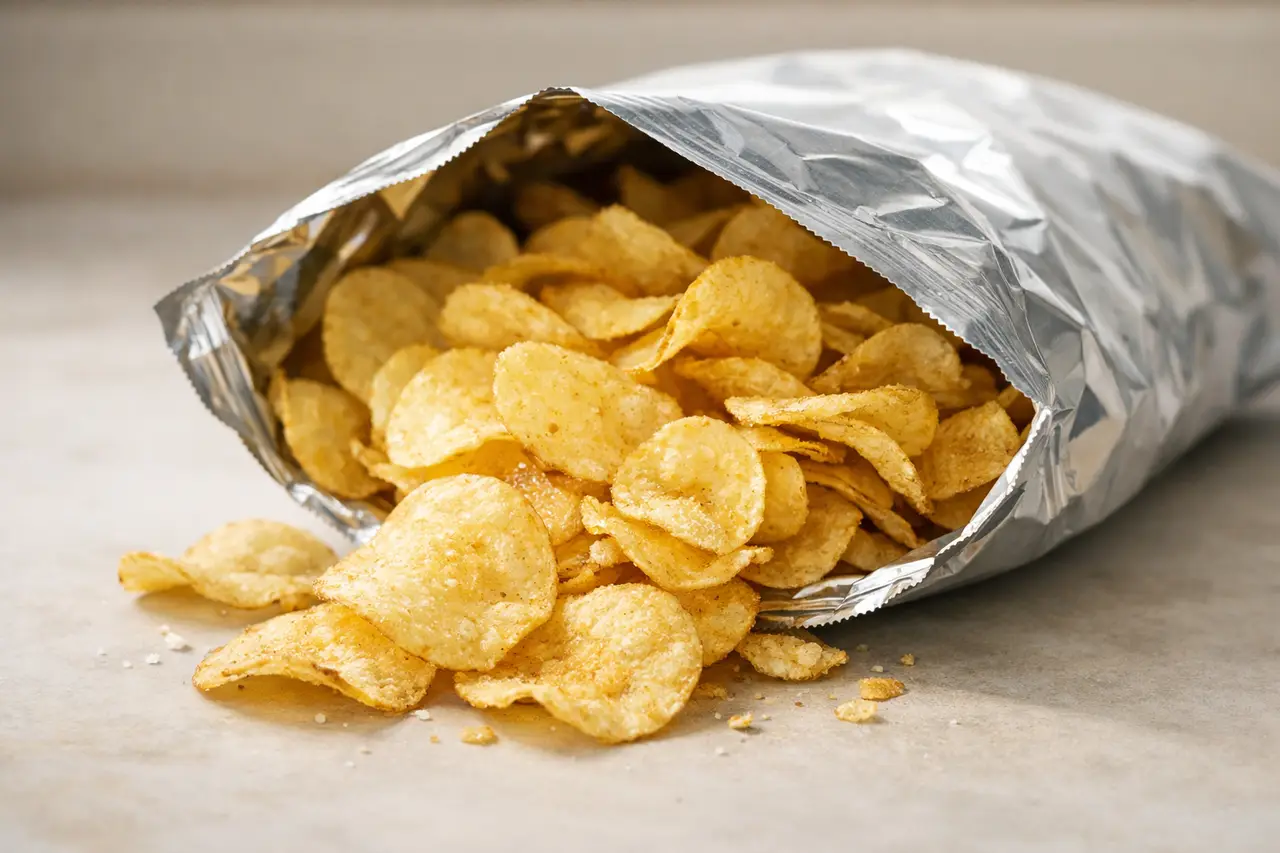
Typically, a bag of chips weighs about 28 to 200 grams (1 to 7 ounces).

Typically, a bowl of popcorn weighs about 20 to 50 grams (0.7 to 1.8 ounces).

A typical small candy weighs about 5 grams (0.18 ounces).
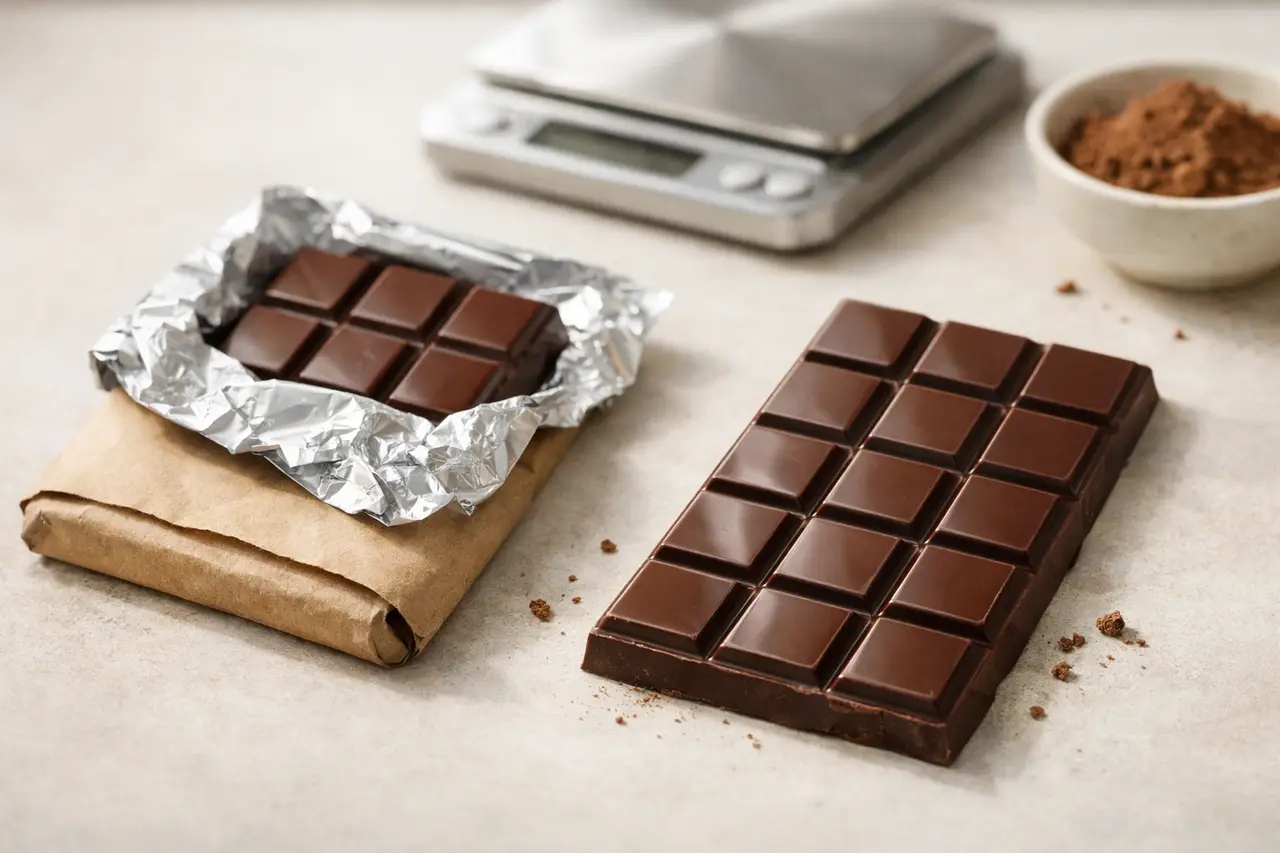
Typically, a chocolate bar weighs about 40 to 100 grams (1.4 to 3.5 ounces).

Typically, a chocolate chip cookie weighs about 20 to 40 grams (0.7 to 1.4 ounces).

A typical homemade or store-bought cookie weighs between 15 to 30 grams (0.5 to 1 ounce).
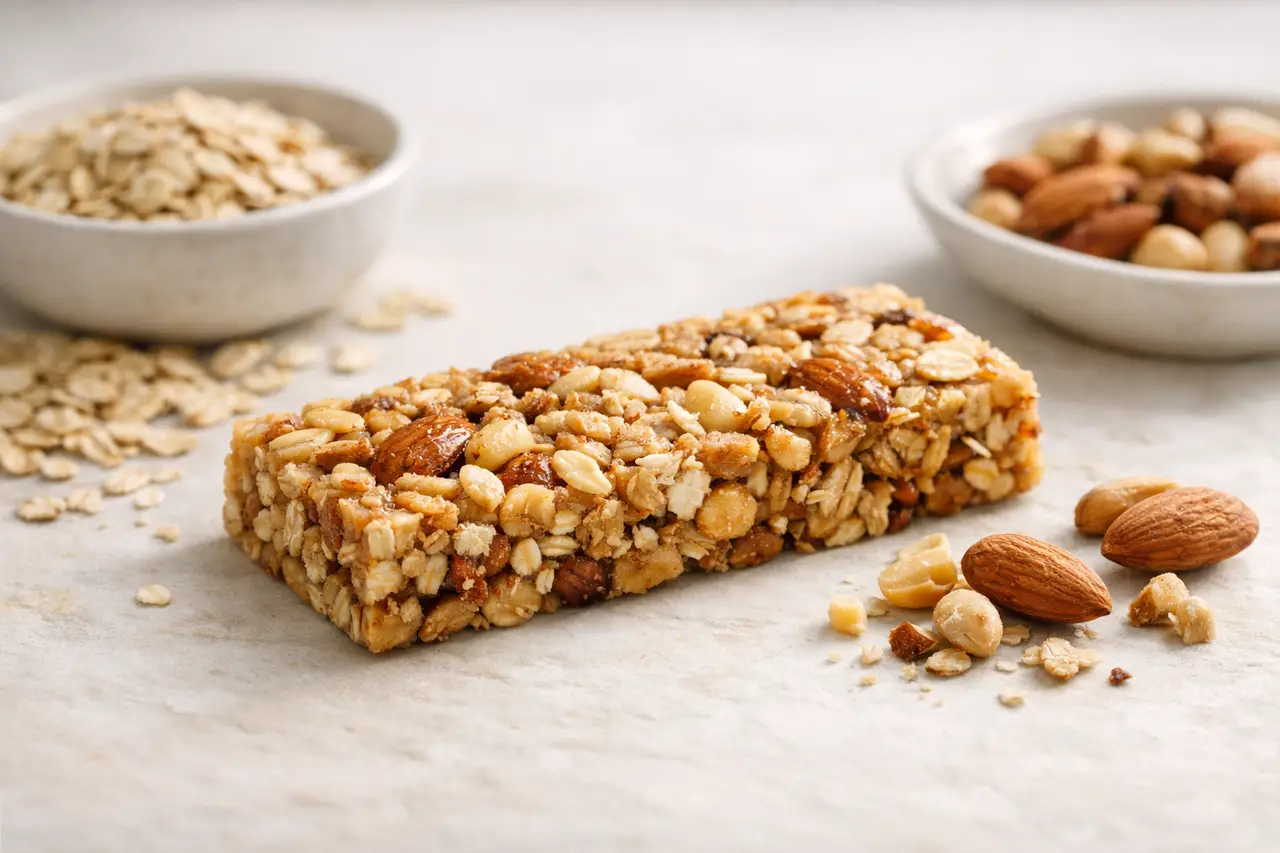
Typically, a granola bar weighs about 25 to 45 grams (0.9 to 1.6 ounces).

Typically, a lollipop weighs about 10 to 20 grams (0.35 to 0.7 ounces).

Typically, a marshmallow weighs about 7 to 10 grams (0.25 to 0.35 ounces).

Typically, a piece of candy weighs about 5 to 15 grams (0.2 to 0.5 ounces).

Typically, a protein bar weighs about 45 to 70 grams (1.6 to 2.5 ounces).

Typically, a spoonful of peanut butter weighs about 15 to 20 grams (0.5 to 0.7 ounces).
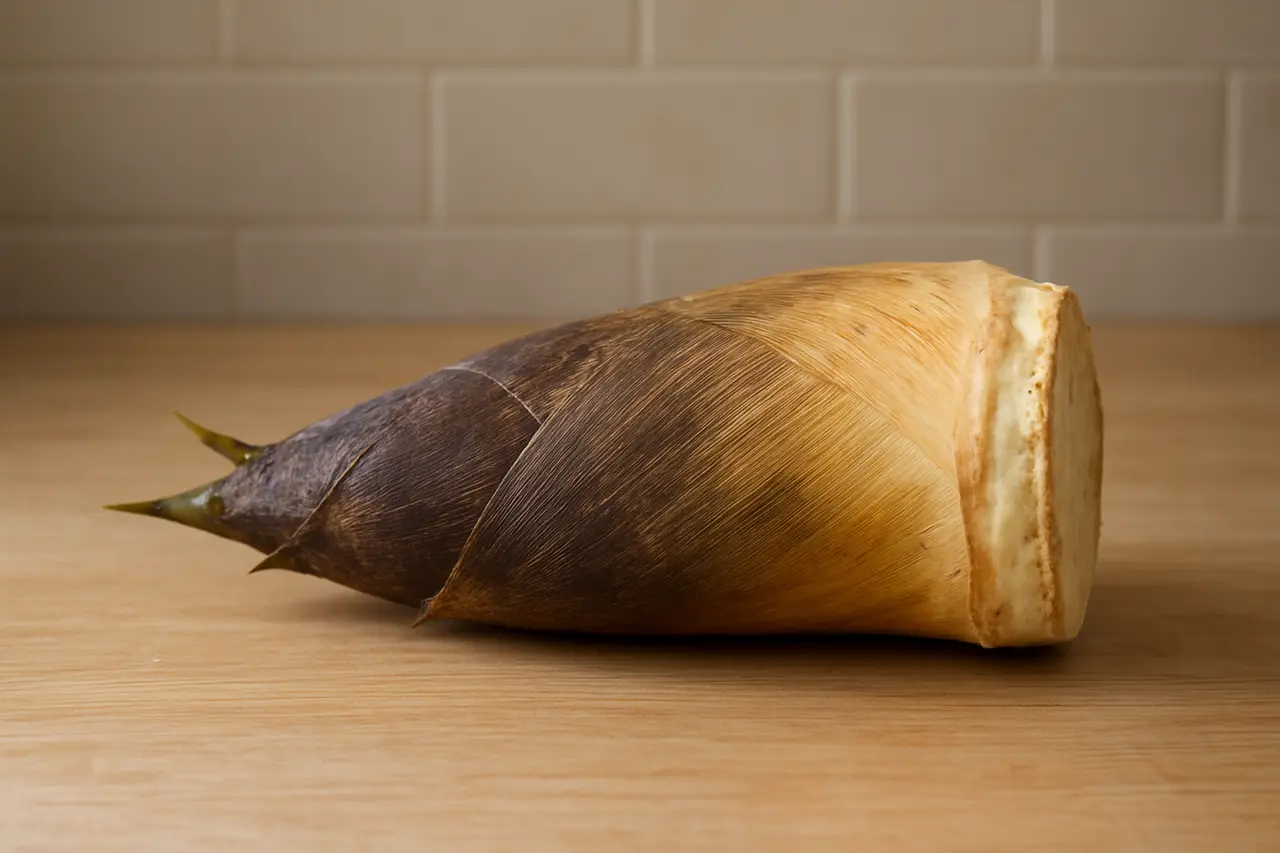
A fresh bamboo shoot typically weighs between 200 to 500 grams (0.4 to 1.1 pounds).
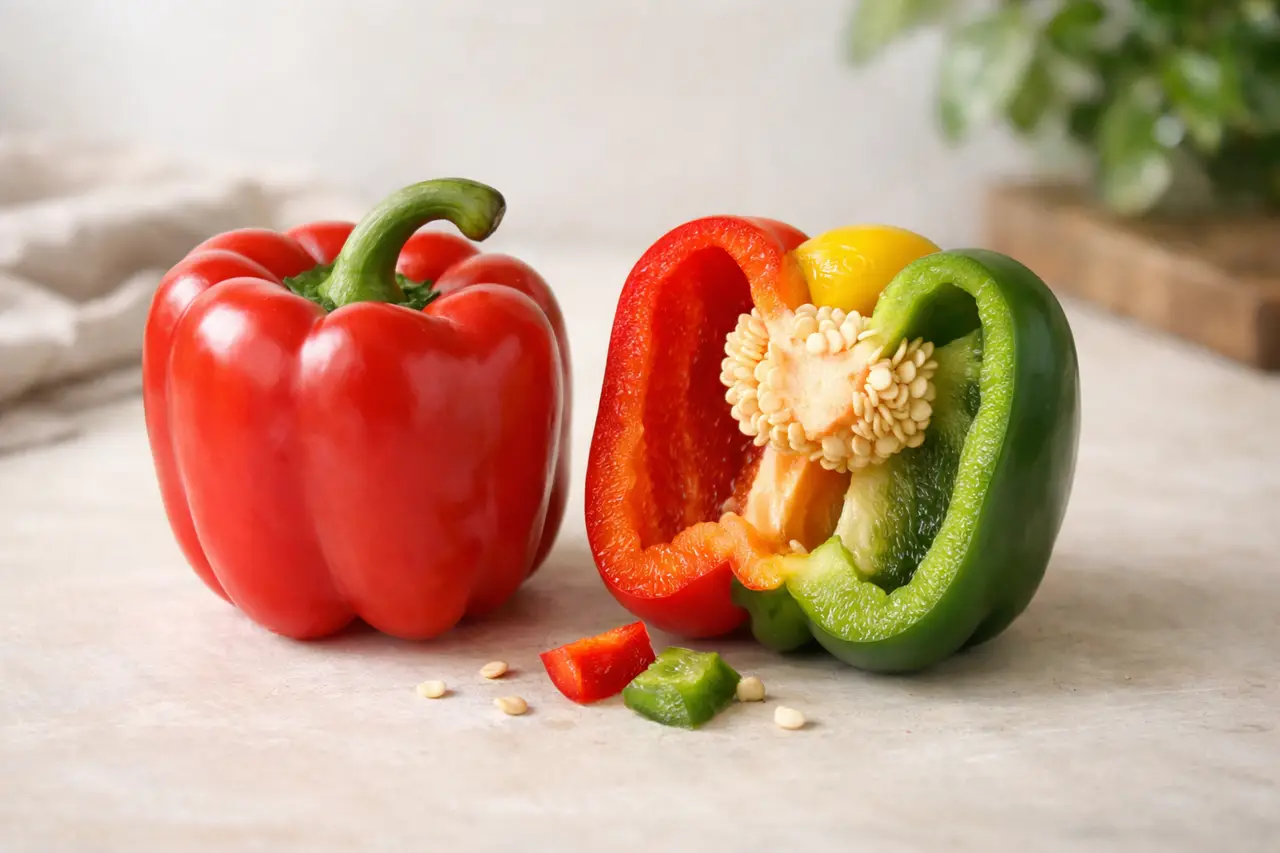
Typically, a bell pepper weighs about 120 to 180 grams (4 to 6 ounces).
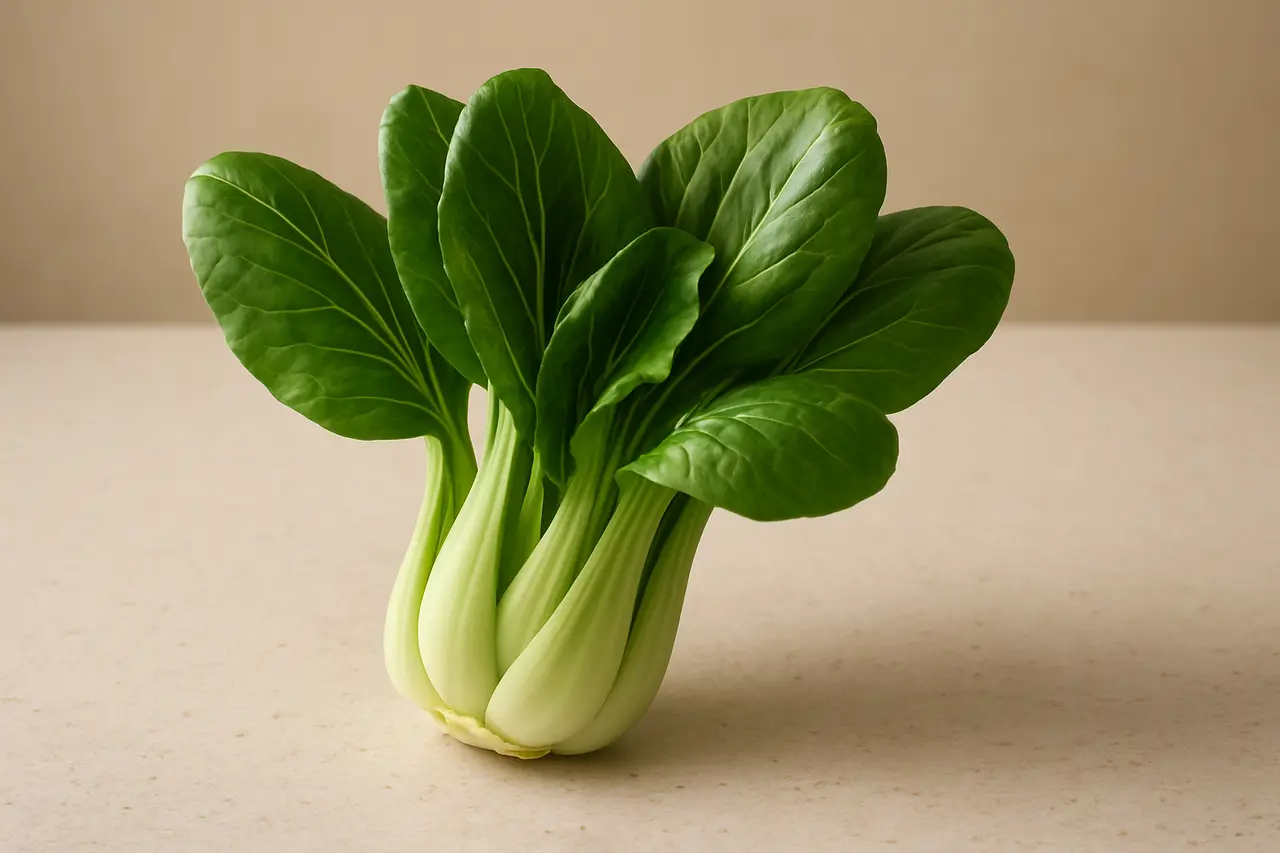
A typical head of bok choy weighs between 300 and 500 grams (10.5 to 17.5 ounces).
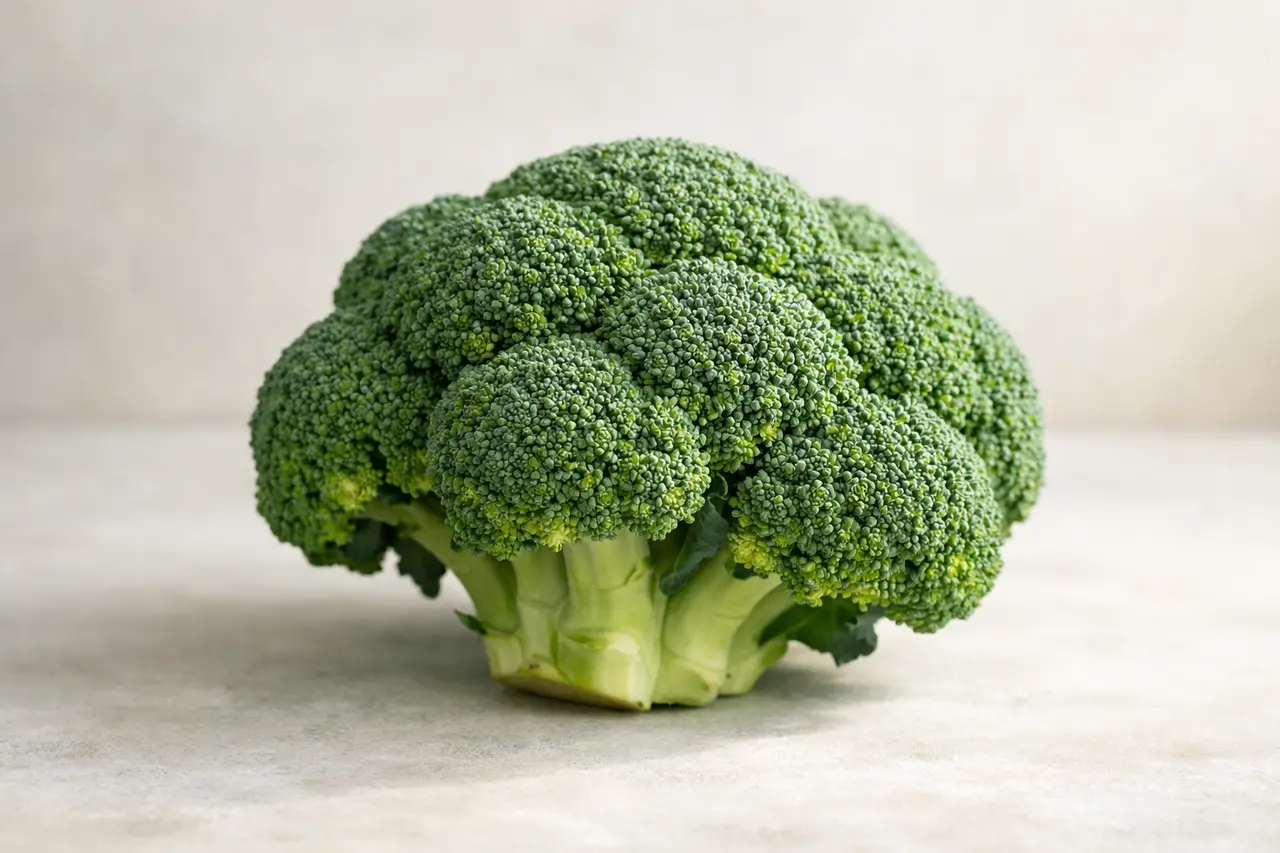
Typically, a broccoli head weighs about 300 to 600 grams (11 ounces to 1.3 pounds).
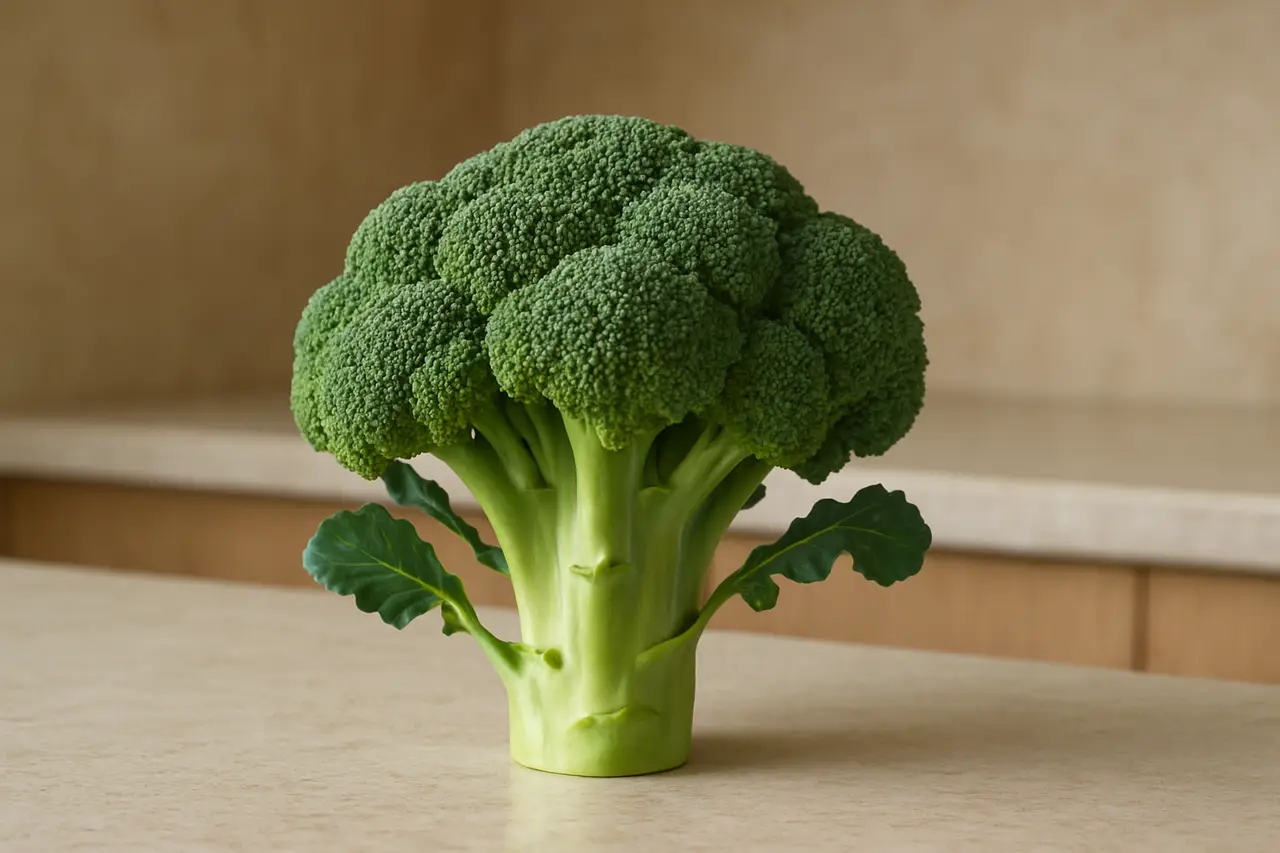
A typical head of broccoli weighs about 300 to 500 grams (0.7 to 1.1 pounds).
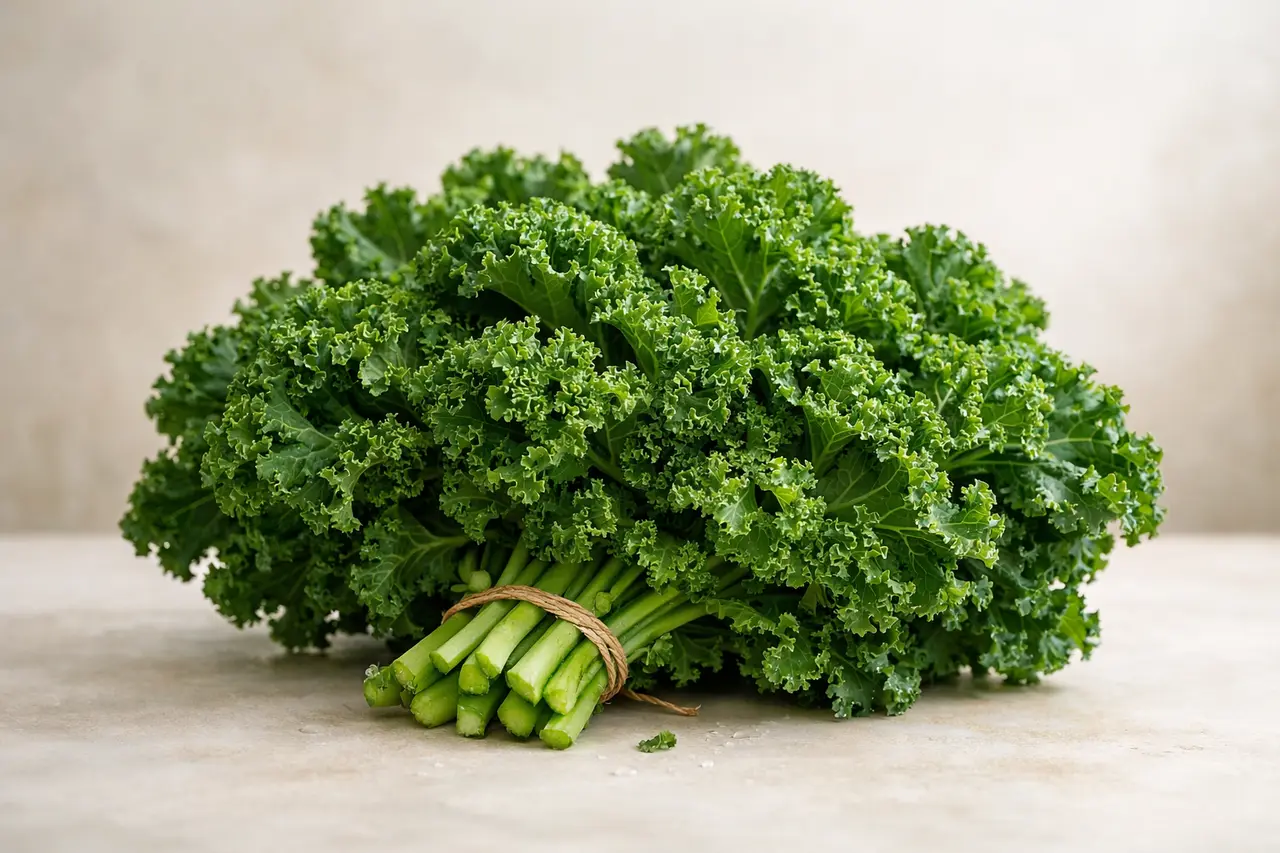
Typically, a bunch of kale weighs about 150 to 250 grams (5 to 9 ounces).

Typically, a bunch of spinach weighs about 150 to 250 grams (5 to 9 ounces).
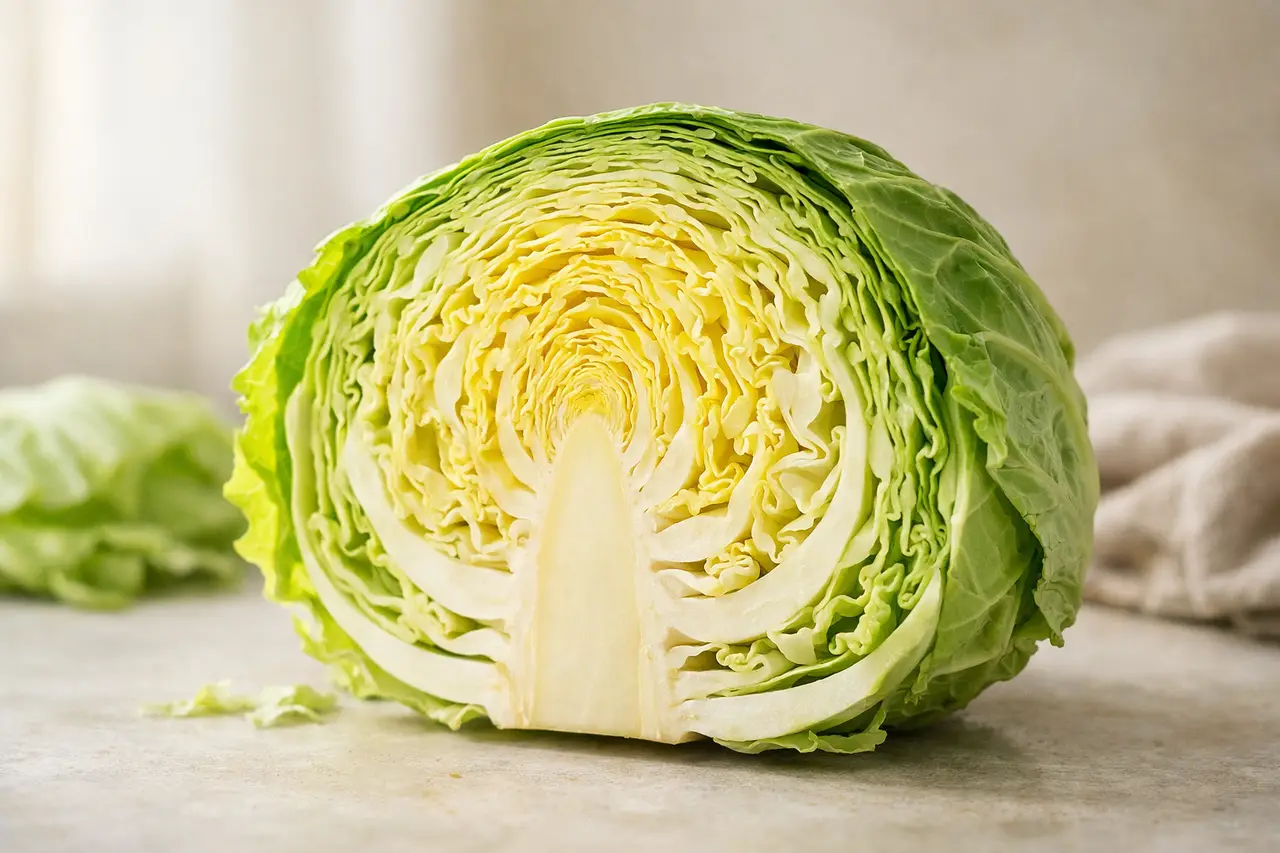
Typically, a cabbage weighs about 0.9 to 1.8 kilograms (2 to 4 pounds).
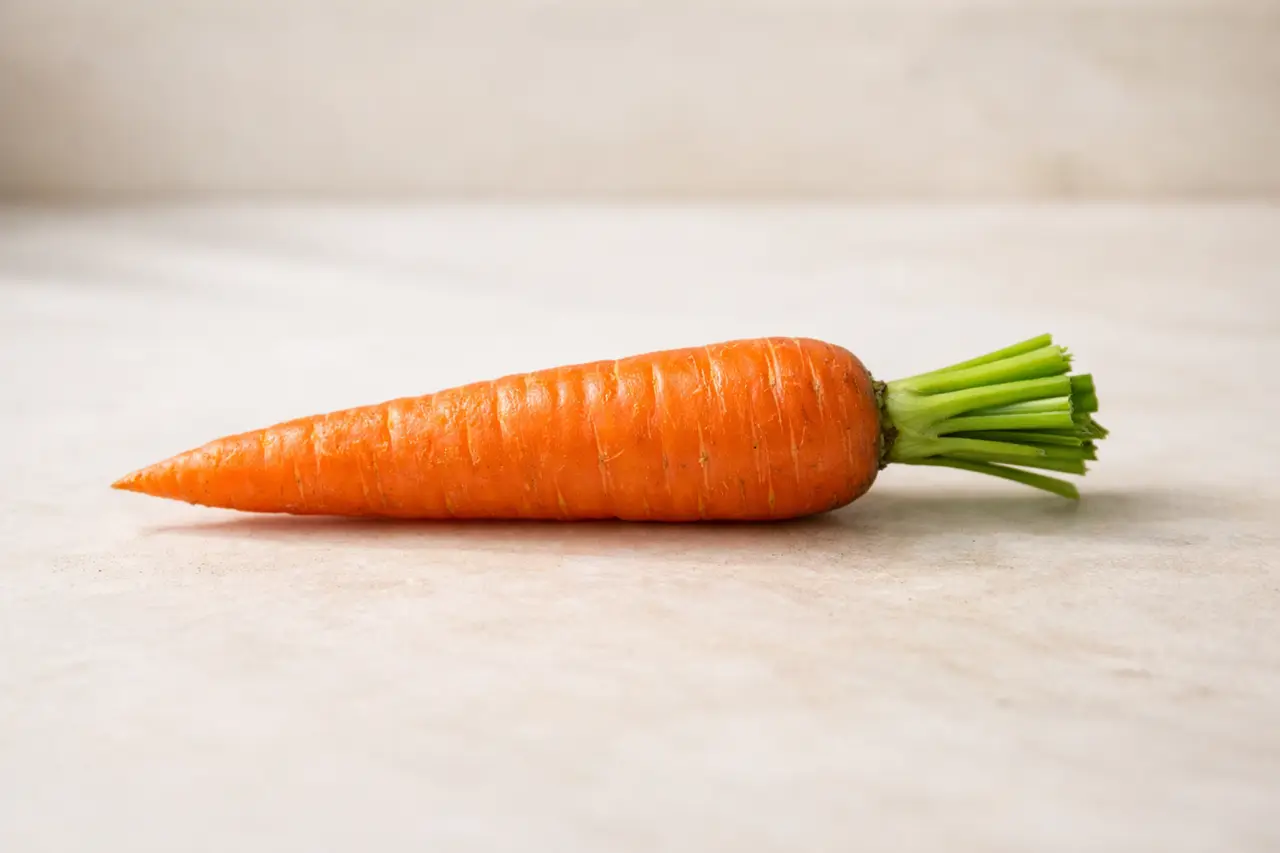
Typically, a carrot weighs about 60 to 120 grams (2 to 4 ounces).
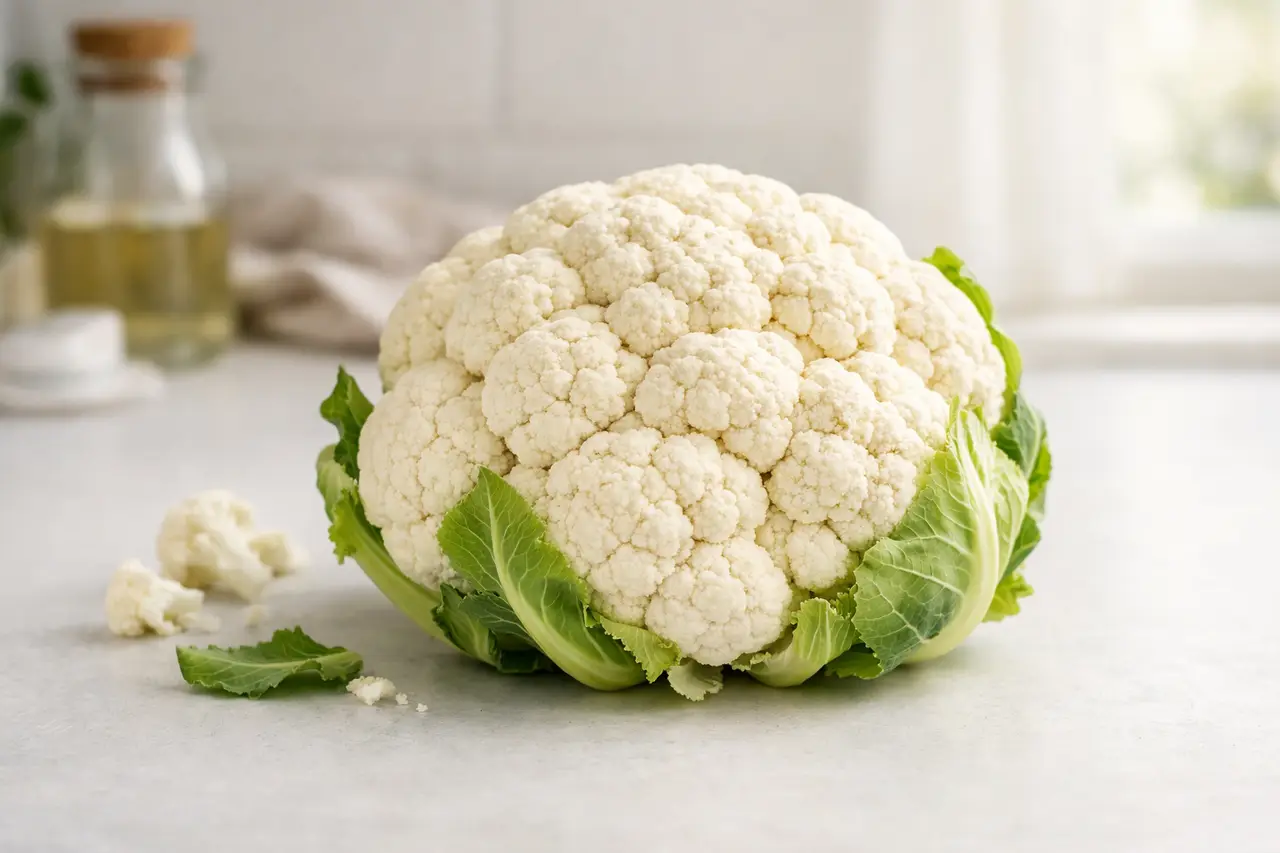
Typically, a cauliflower head weighs about 500 to 900 grams (1.1 to 2 pounds).
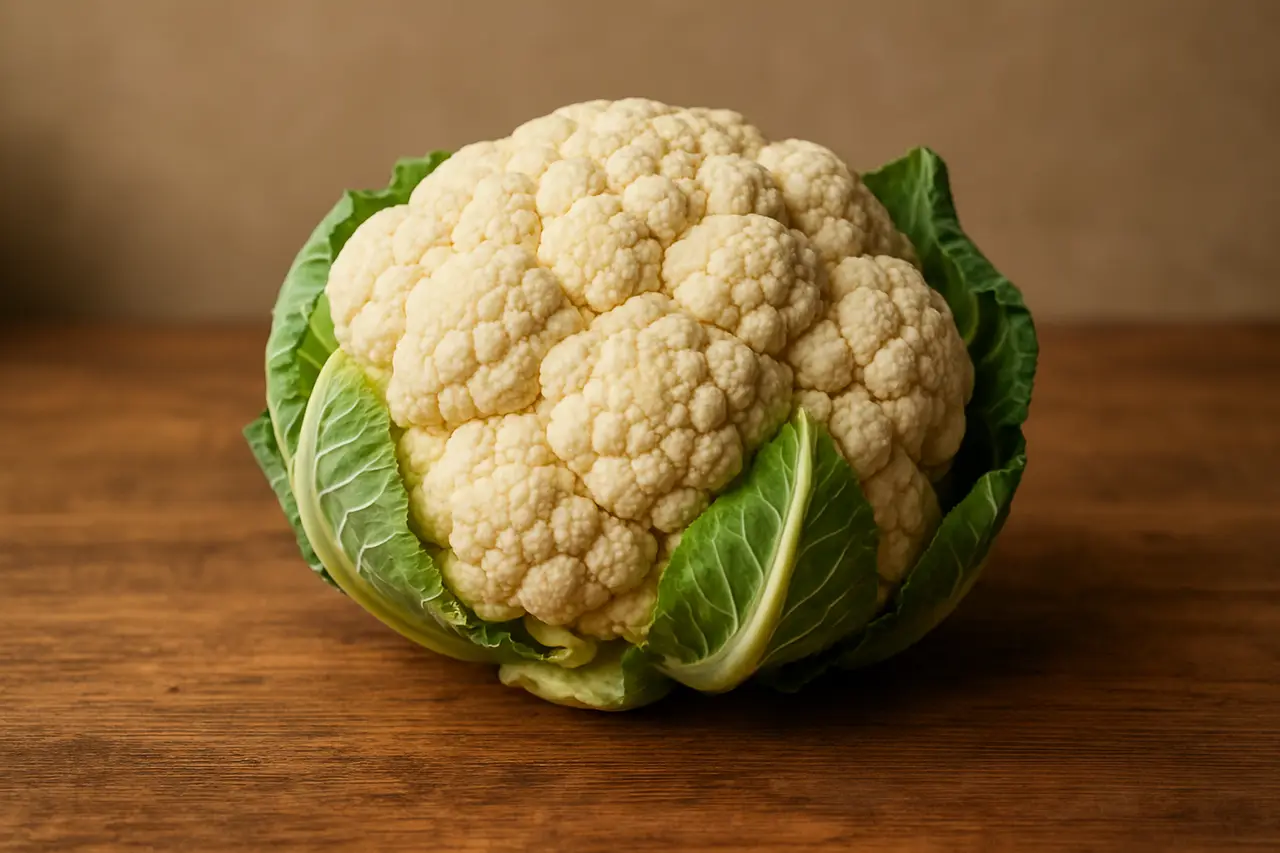
A typical cauliflower head weighs about 500 to 700 grams (1.1 to 1.5 pounds).
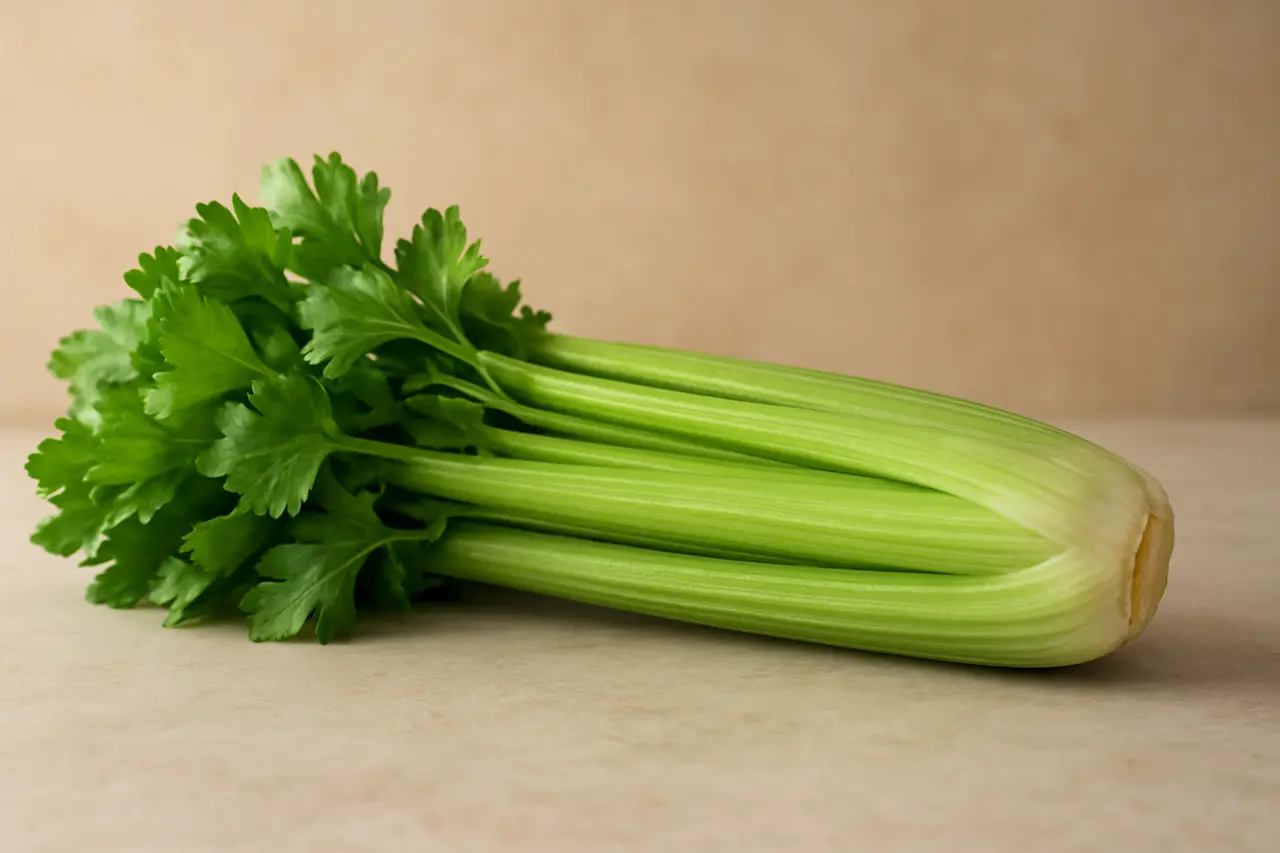
A typical stalk of celery weighs approximately 40 to 50 grams (1.4 to 1.8 ounces).

Typically, a chili pepper weighs about 5 to 15 grams (0.2 to 0.5 ounces).

Typically, a cucumber weighs about 200 to 300 grams (7 to 11 ounces).
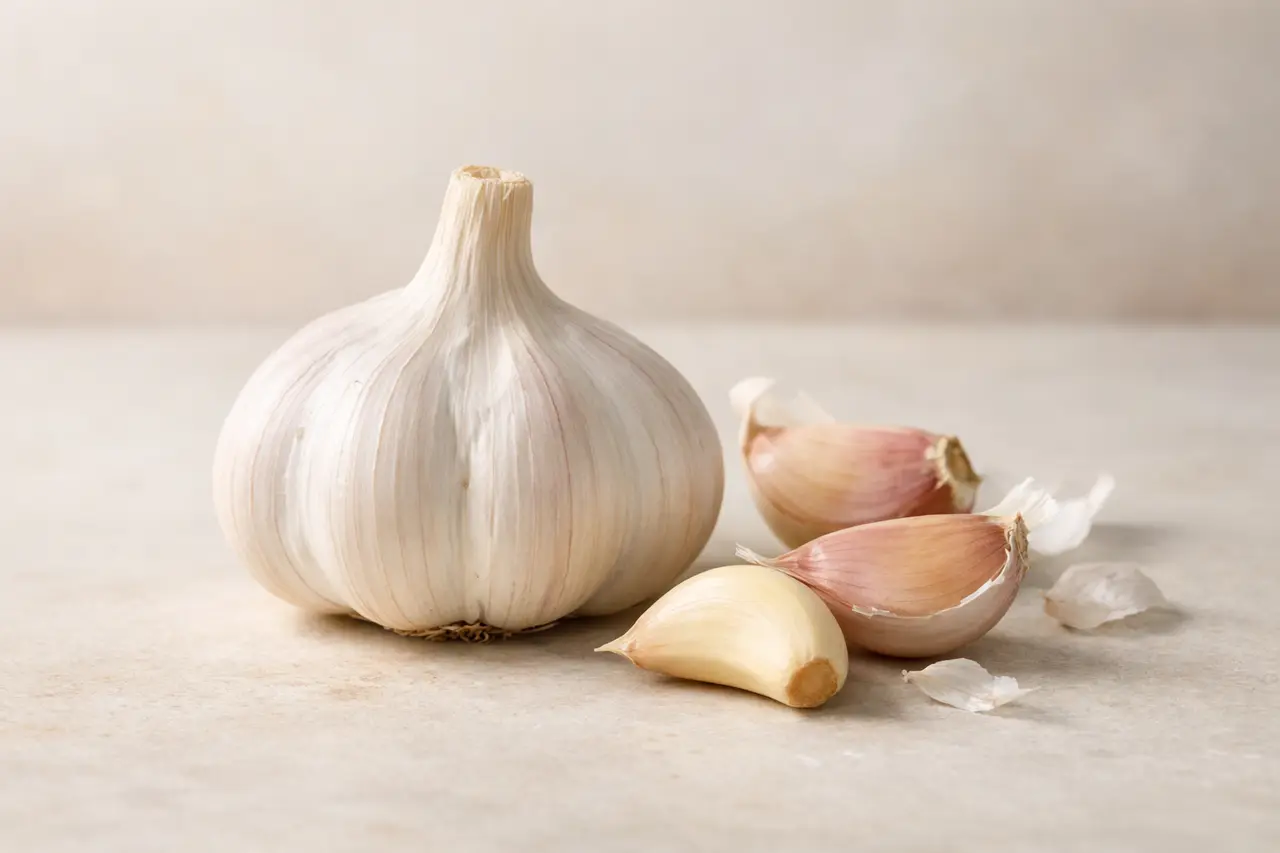
Typically, a garlic bulb weighs about 40 to 60 grams (1.4 to 2.1 ounces).

A typical piece of fresh ginger root weighs about 50 to 100 grams (1.8 to 3.5 ounces) per 10 cm (4 inch) segment.
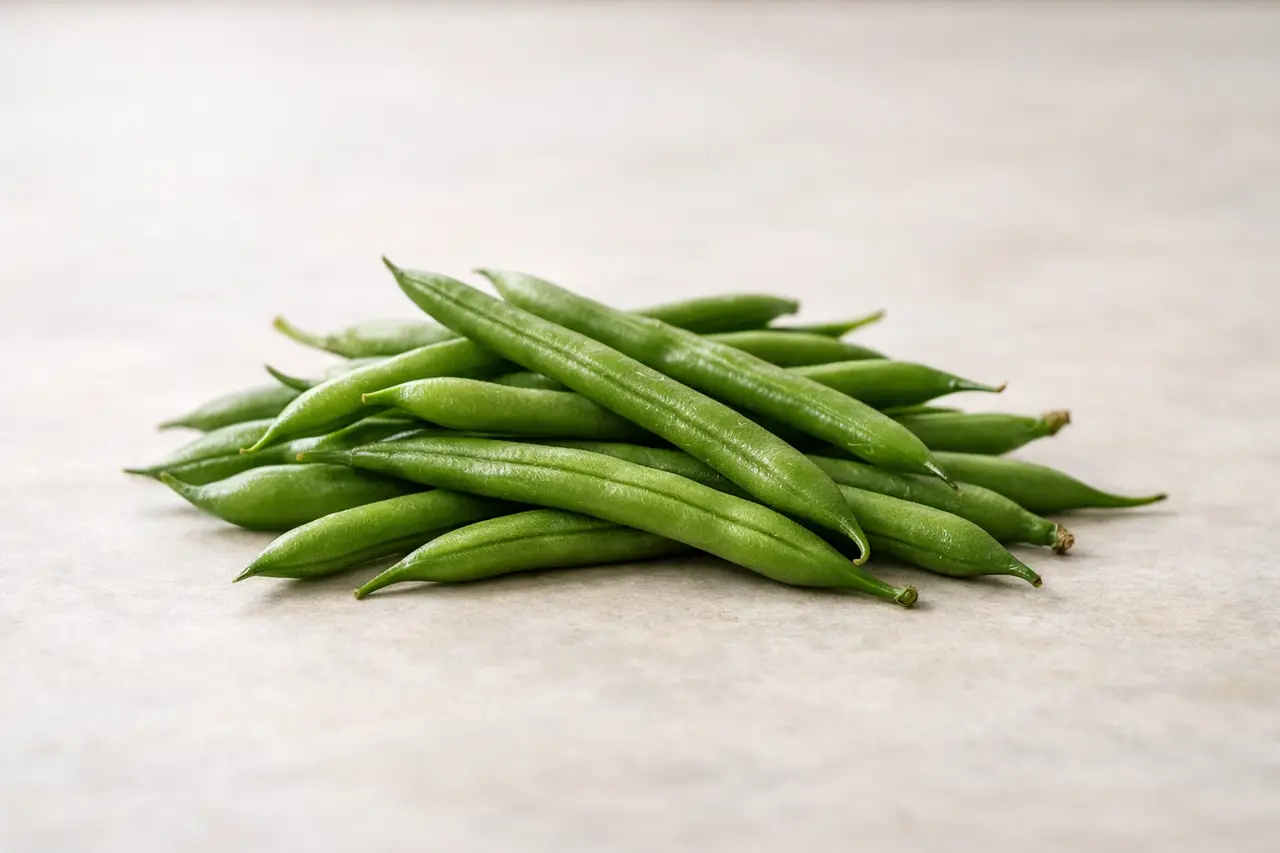
Typically, a handful of green beans weighs about 100 to 150 grams (3.5 to 5 ounces).
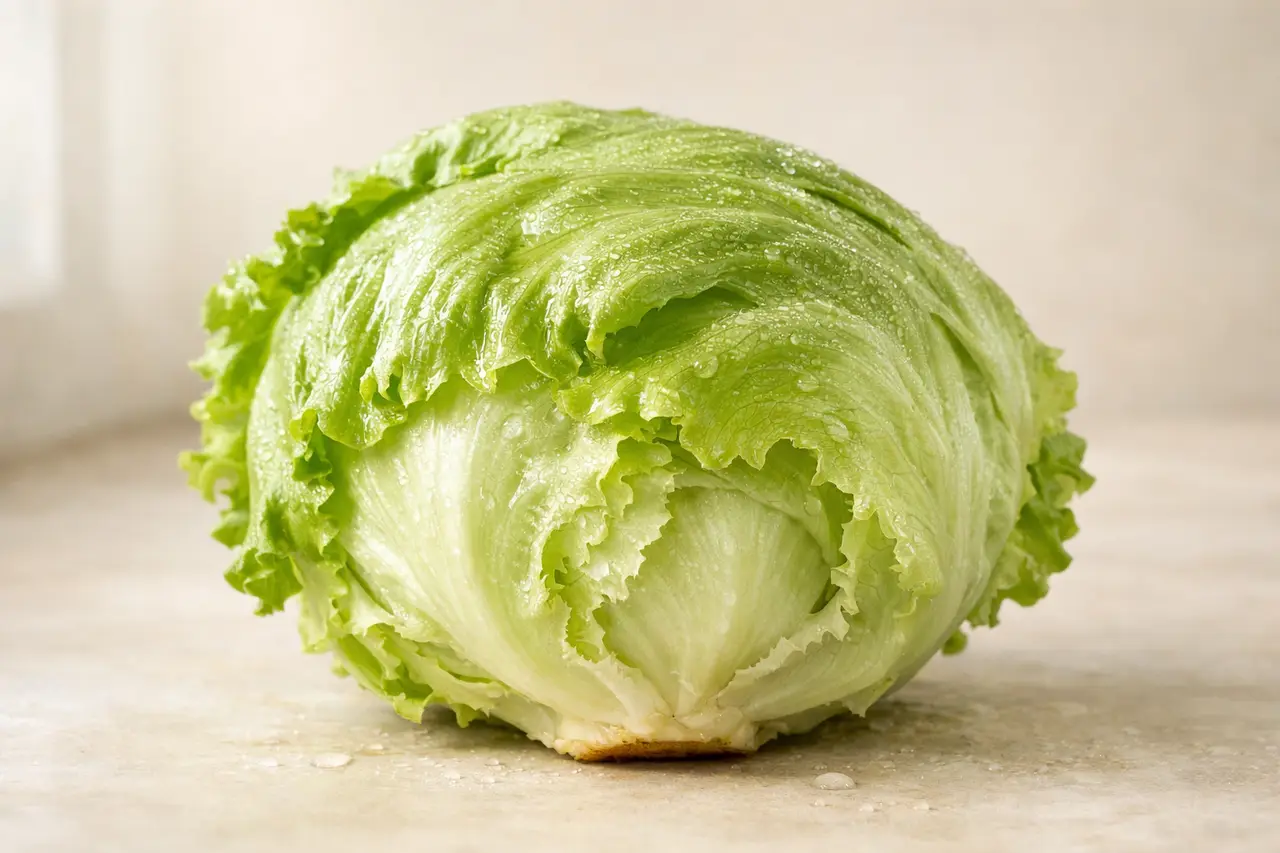
Typically, a head of lettuce weighs about 300 to 600 grams (11 ounces to 1.3 pounds).
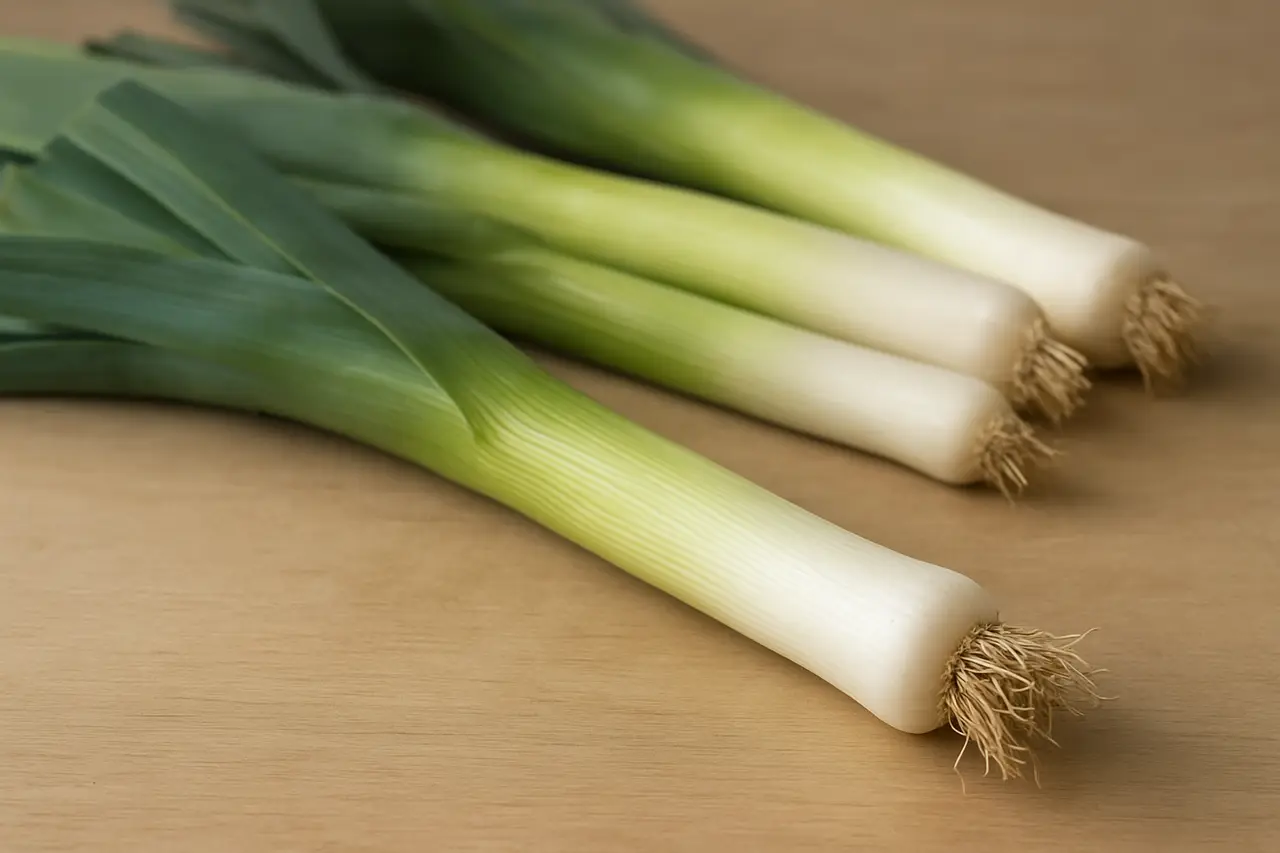
A typical leek weighs between 89 and 150 grams (3 to 5.3 ounces).
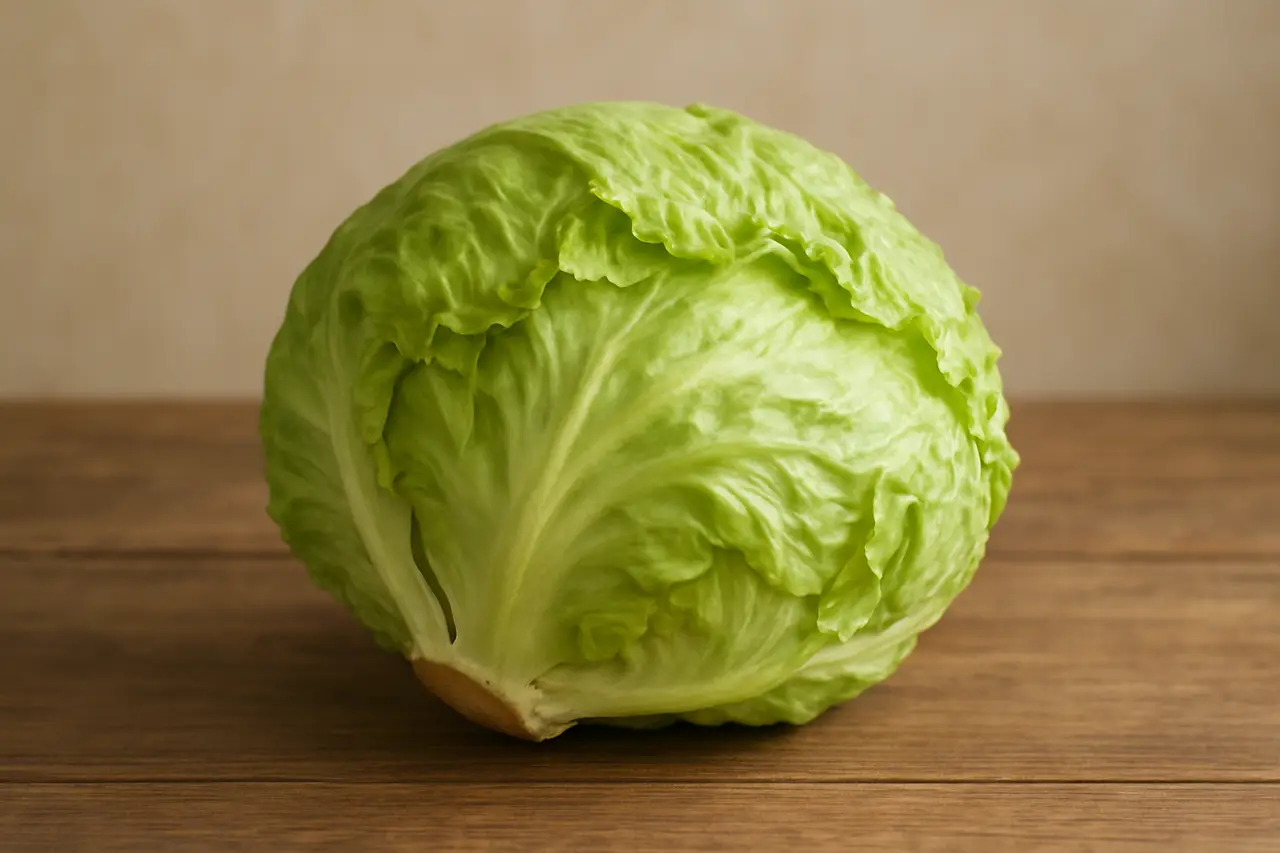
A typical head of lettuce weighs between 300 and 600 grams (10.5 to 21 ounces).
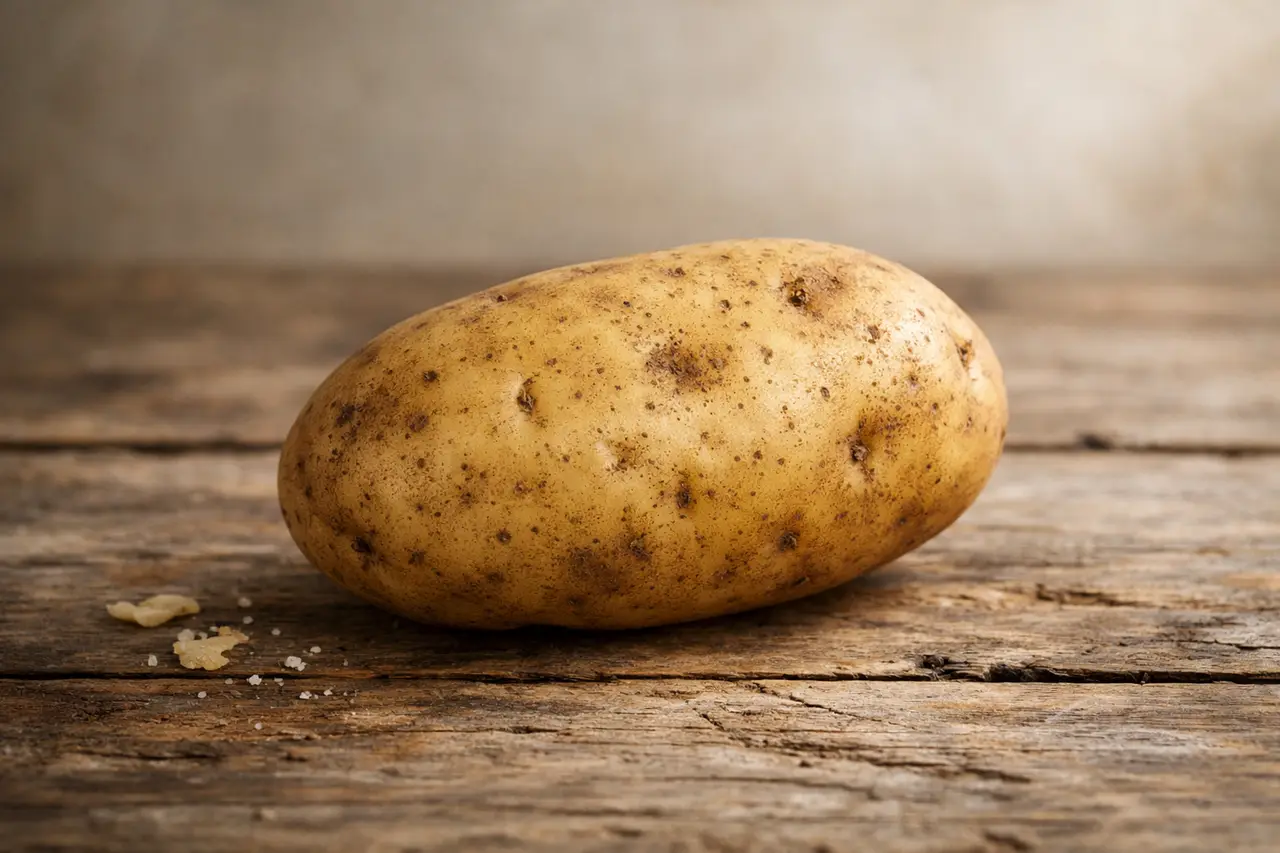
Typically, a potato weighs about 150 to 300 grams (5 to 11 ounces).

Typically, a pumpkin weighs about 2 to 8 kilograms (4.4 to 18 pounds).

A single fresh shiitake mushroom typically weighs between 10 to 25 grams (0.35 to 0.88 ounces).
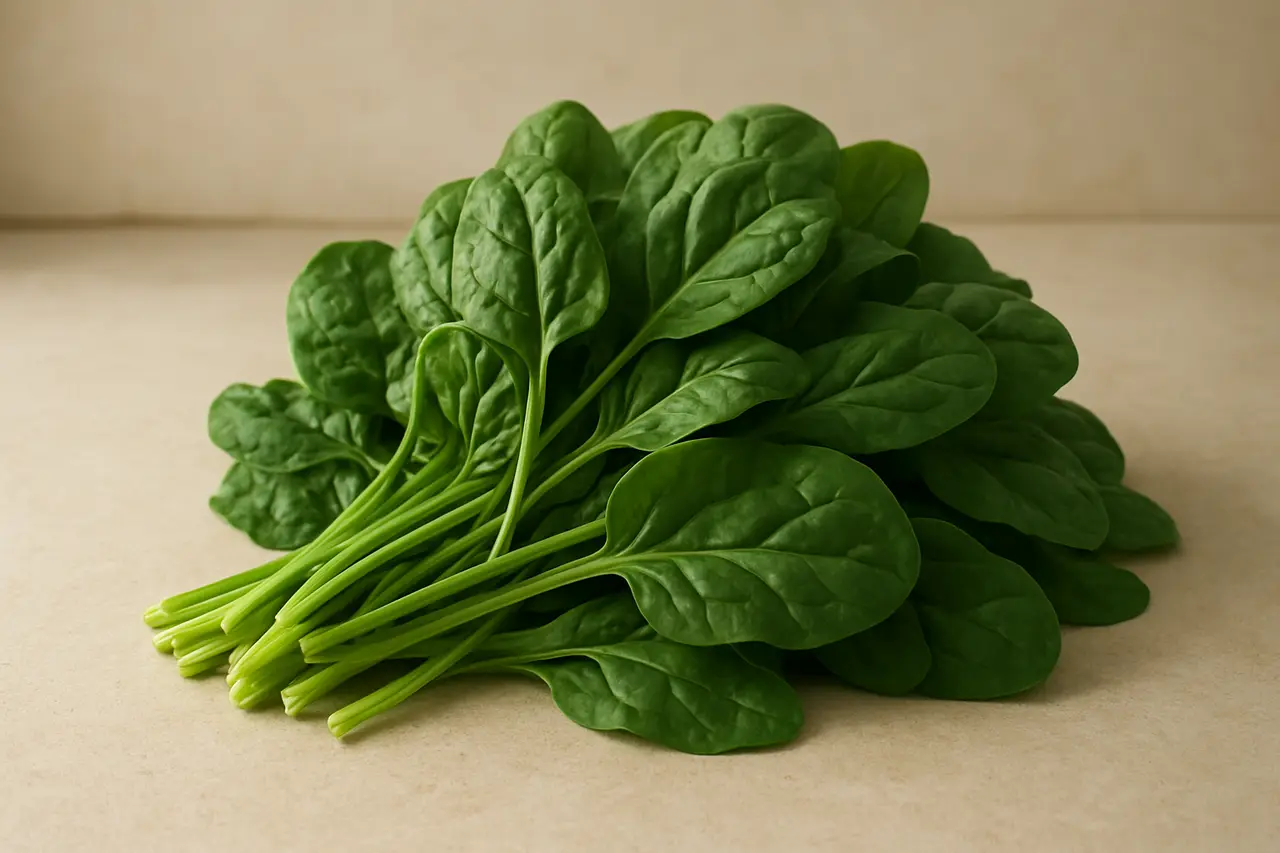
A typical bunch of fresh spinach weighs about 200 to 300 grams (7 to 10.5 ounces).
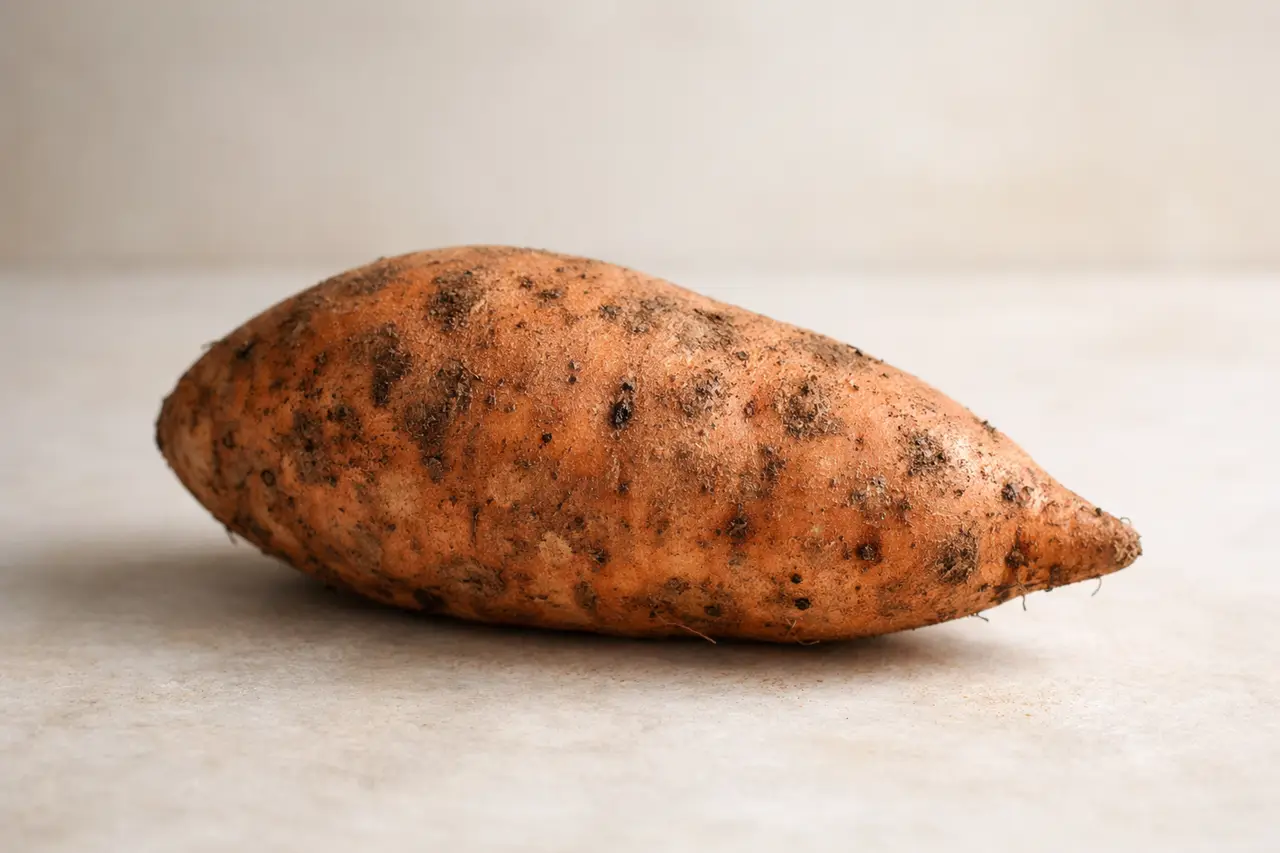
Typically, a sweet potato weighs about 130 to 300 grams (4.5 to 11 ounces).
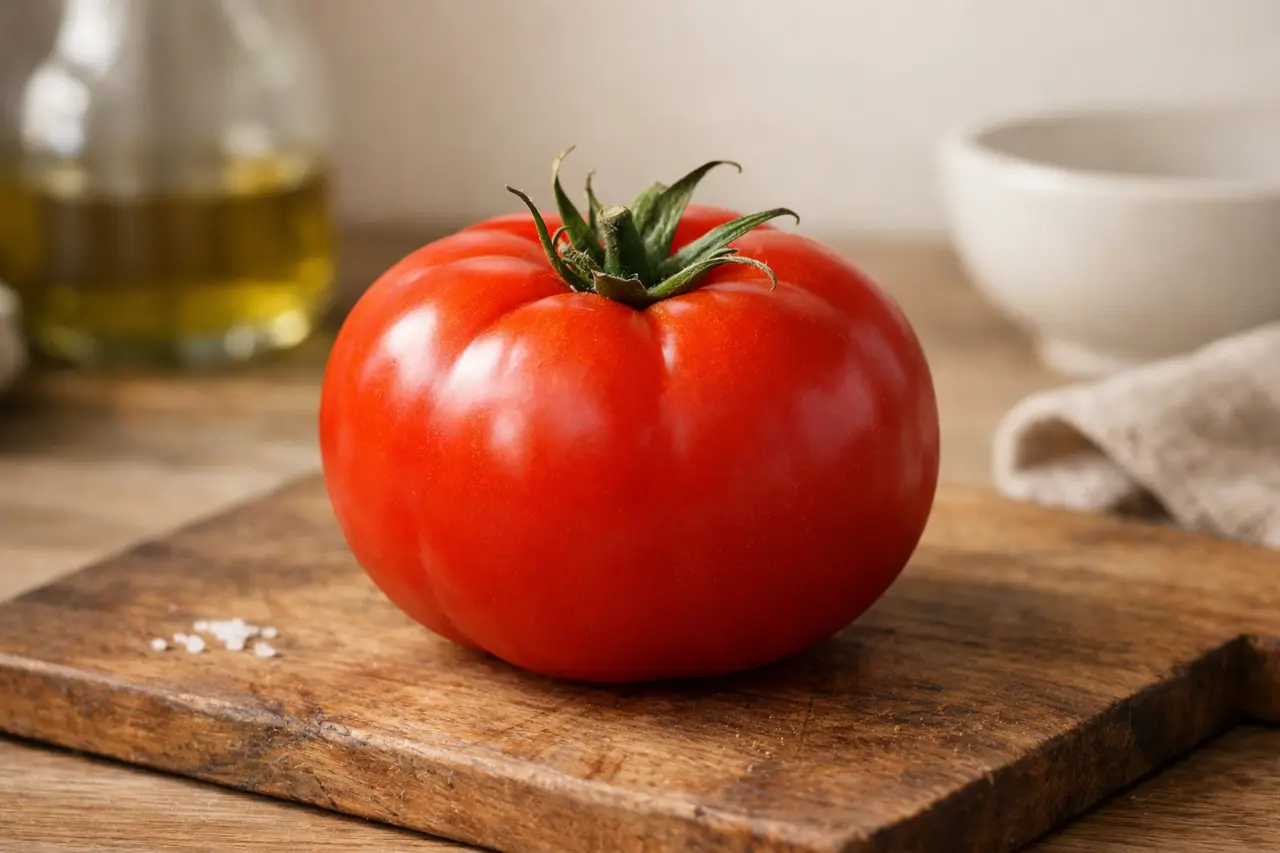
Typically, a tomato weighs about 100 to 200 grams (3.5 to 7 ounces).

Typically, a zucchini weighs about 150 to 250 grams (5 to 9 ounces).
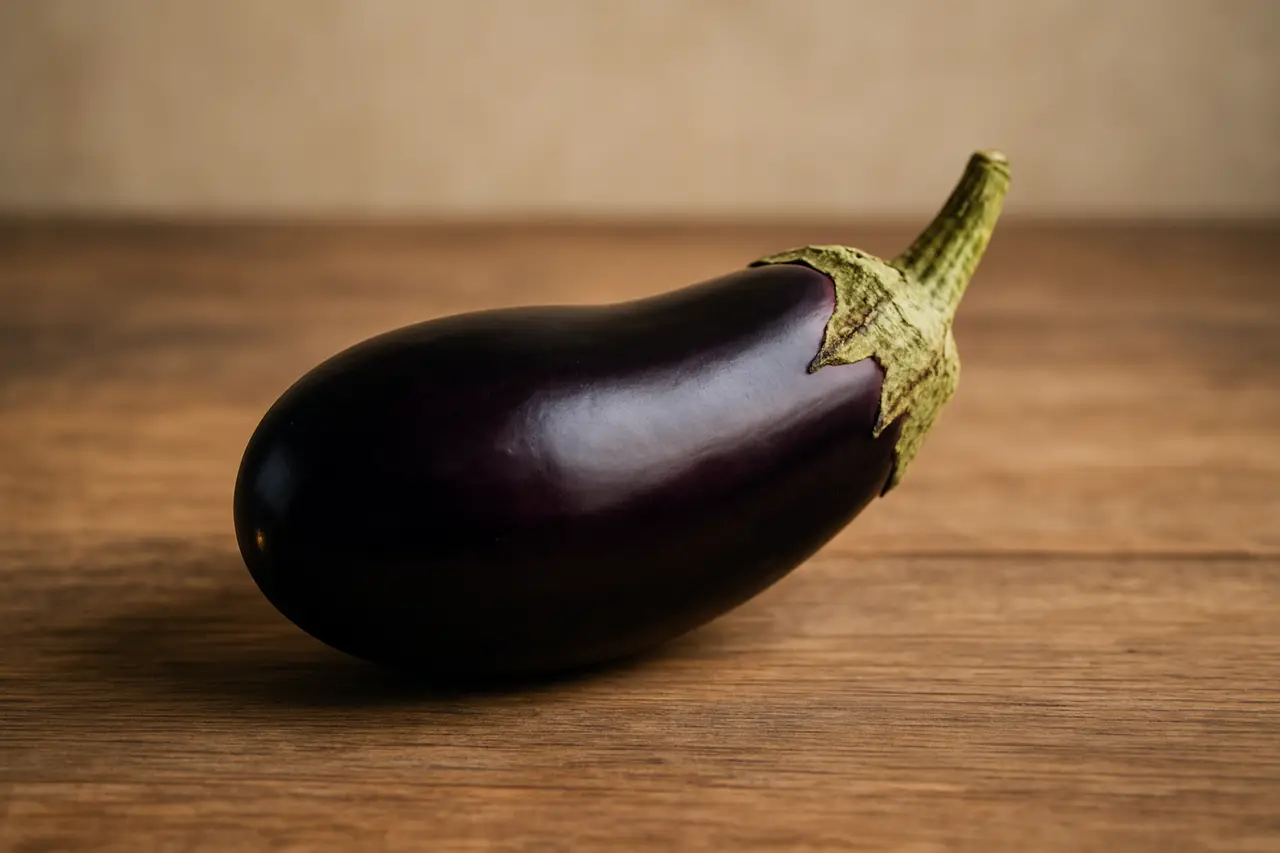
A medium-sized aubergine typically weighs between 300 and 500 grams (10.5 to 17.5 ounces).
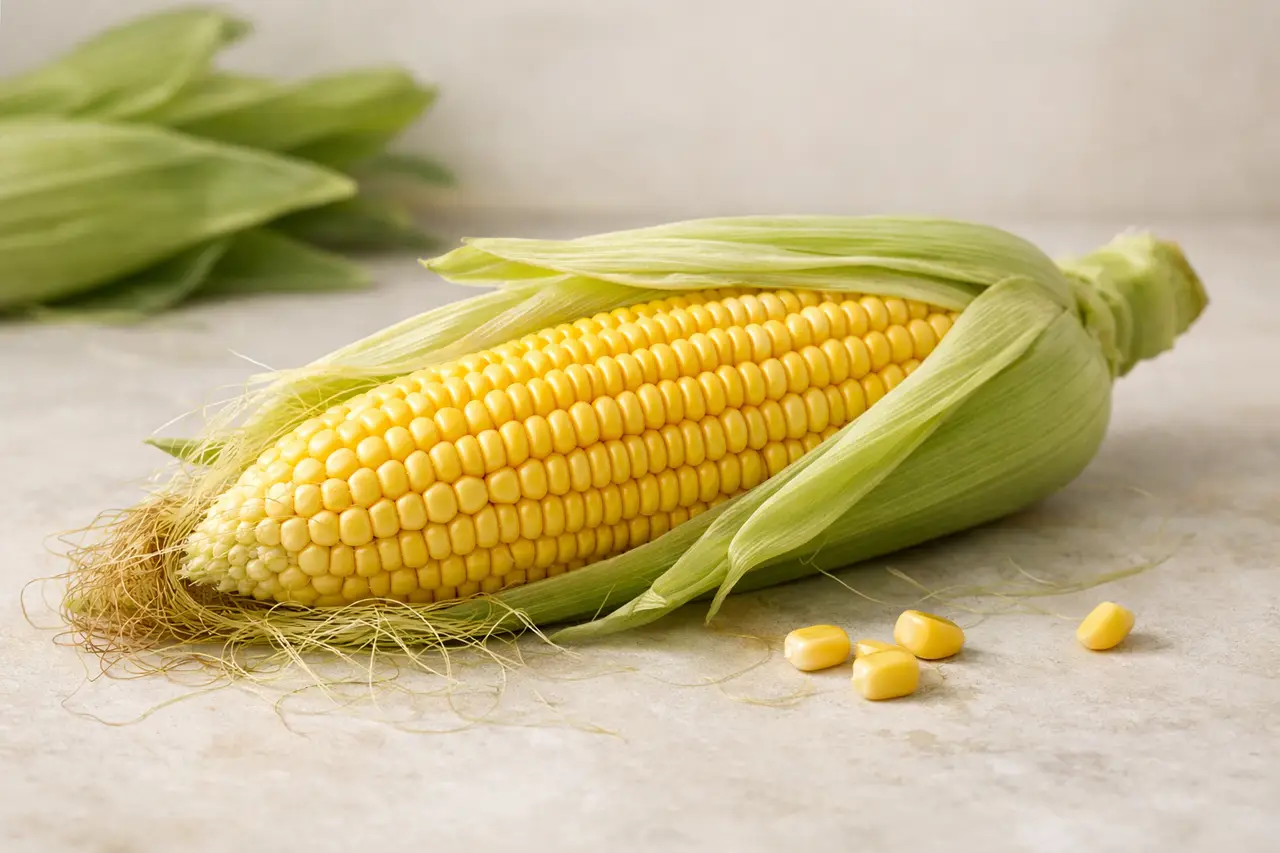
Typically, an ear of corn weighs about 150 to 300 grams (5 to 11 ounces).
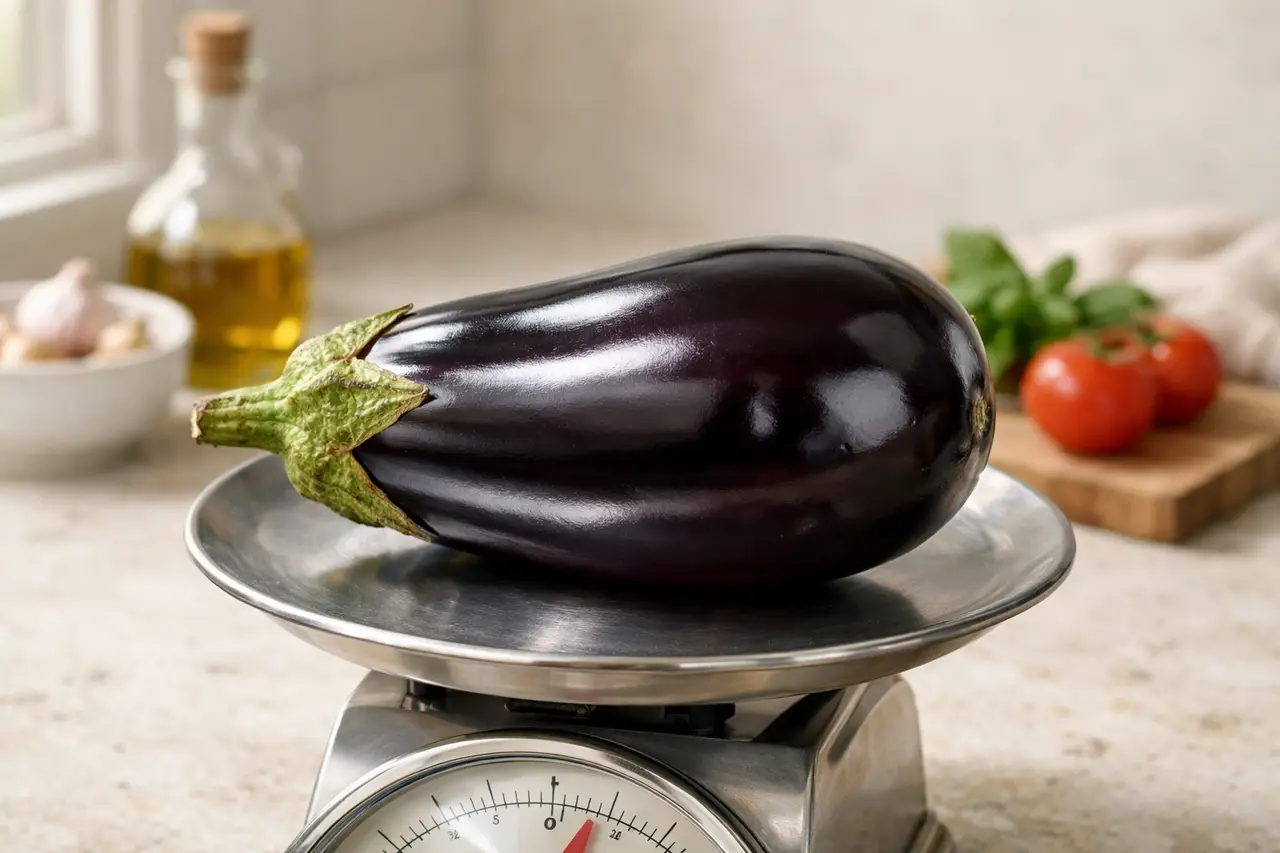
Typically, an eggplant weighs about 300 to 500 grams (11 to 18 ounces).
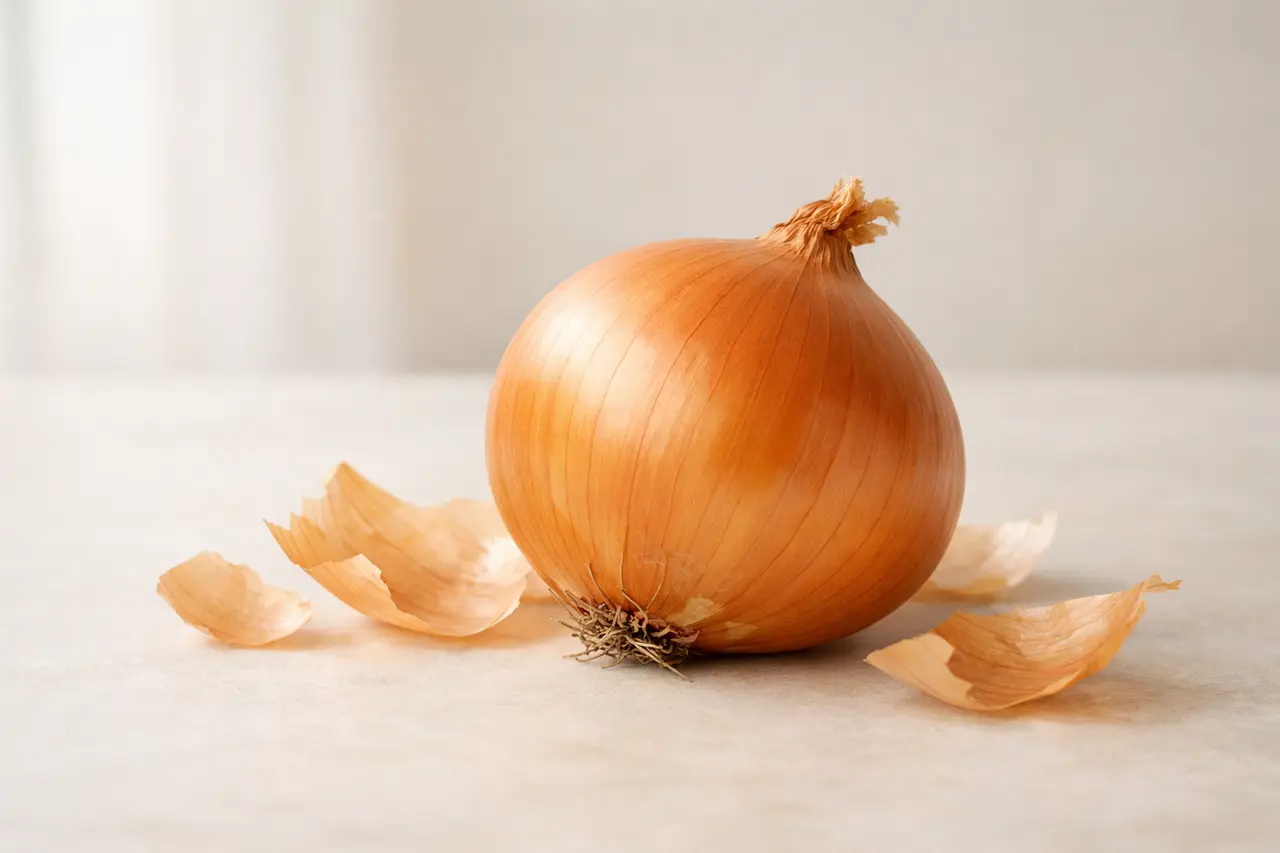
Typically, an onion weighs about 100 to 200 grams (3.5 to 7 ounces).