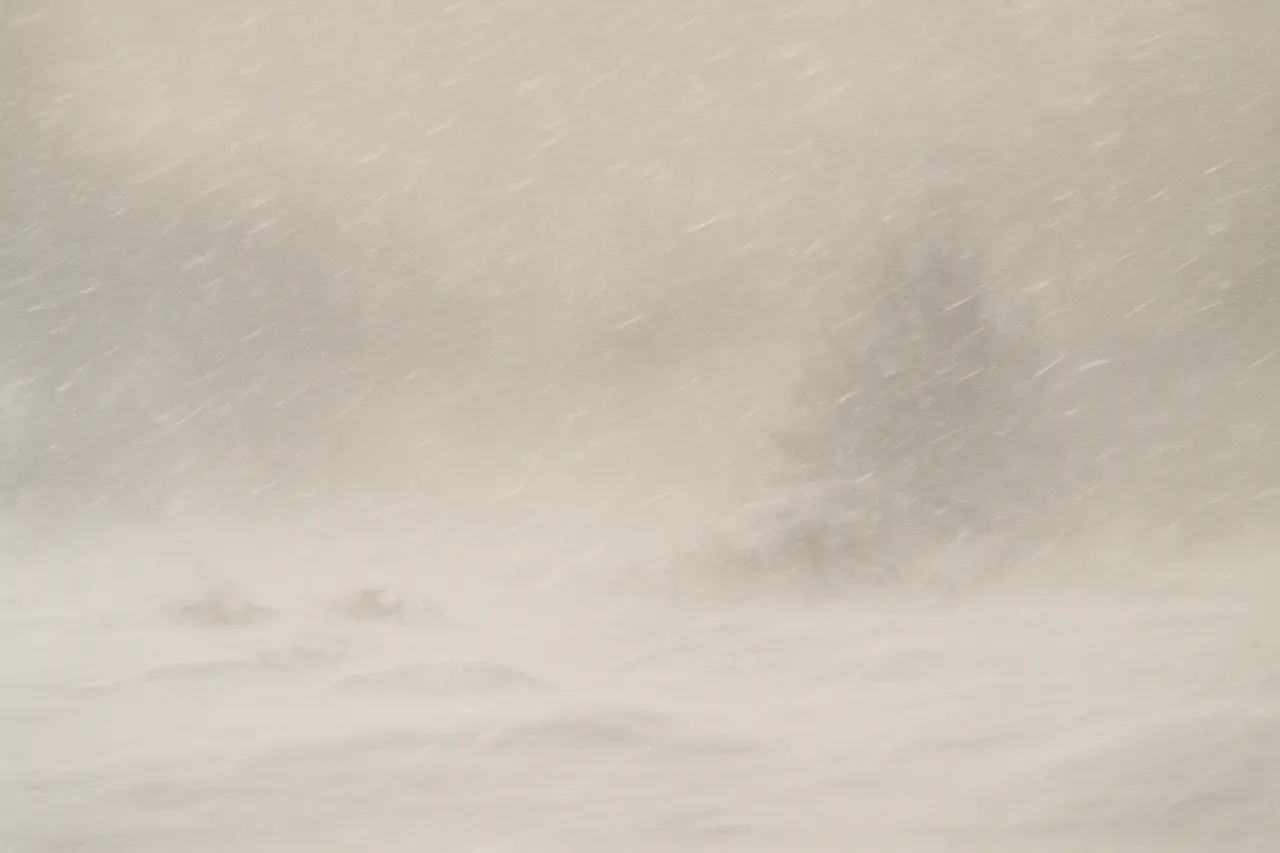
How Much Does a Blizzard Weigh?
A typical blizzard can weigh approximately 1 to 3 million tons, depending on its size and snow density.
Weight guides and references collected under Natural Phenomena.
A typical blizzard can weigh approximately 1 to 3 million tons, depending on its size and snow density.
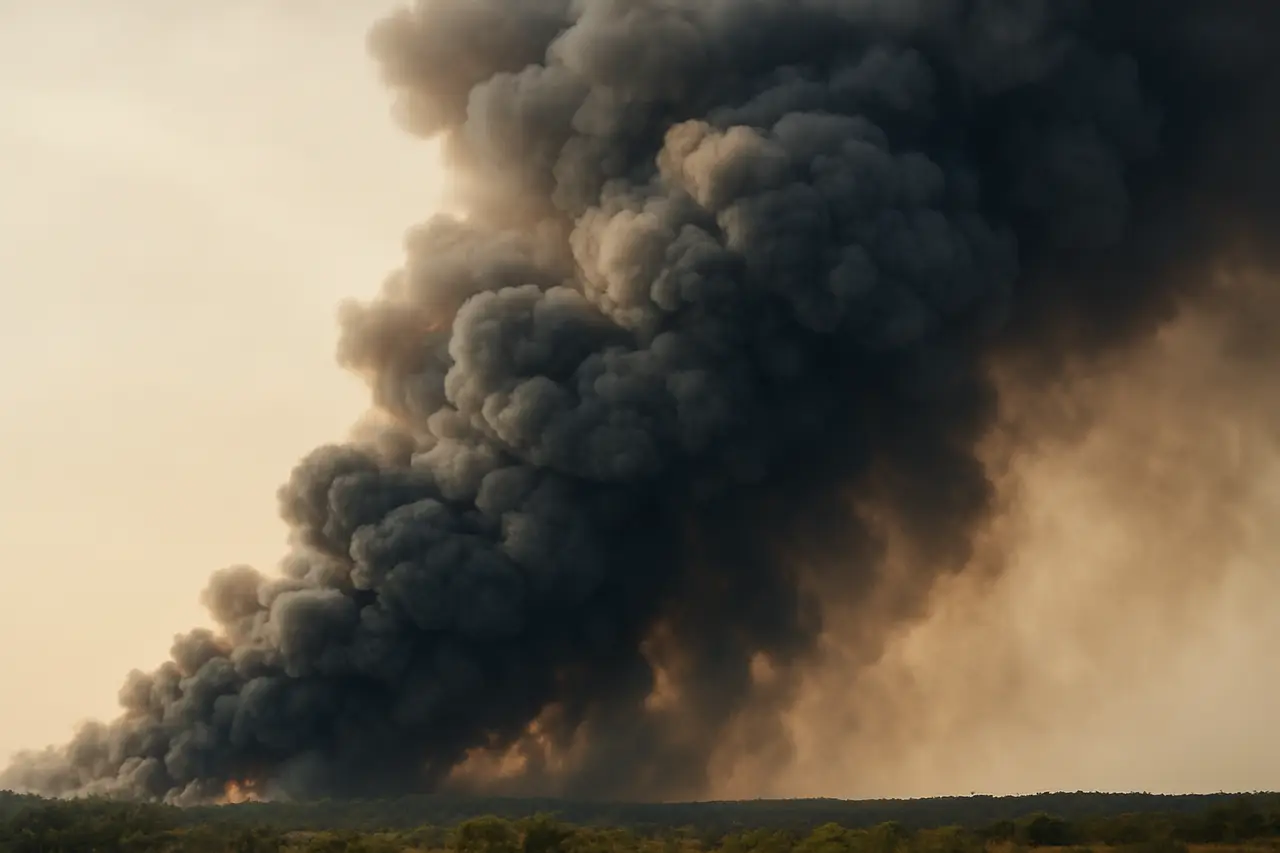
A smoke cloud can weigh as much as several tons depending on its size and density.
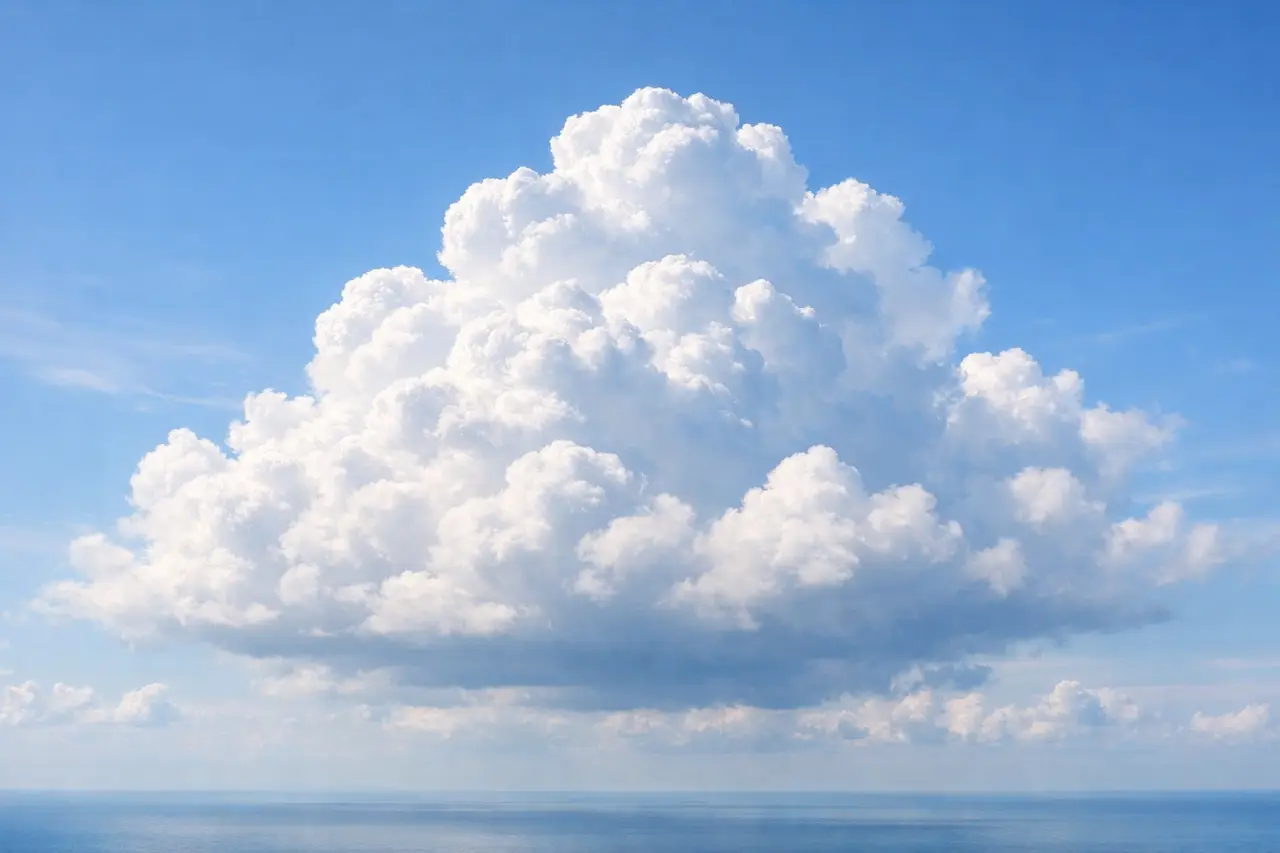
When you look up at the sky on a lazy afternoon, watching the clouds drift by, have you ever wondered about their weight?
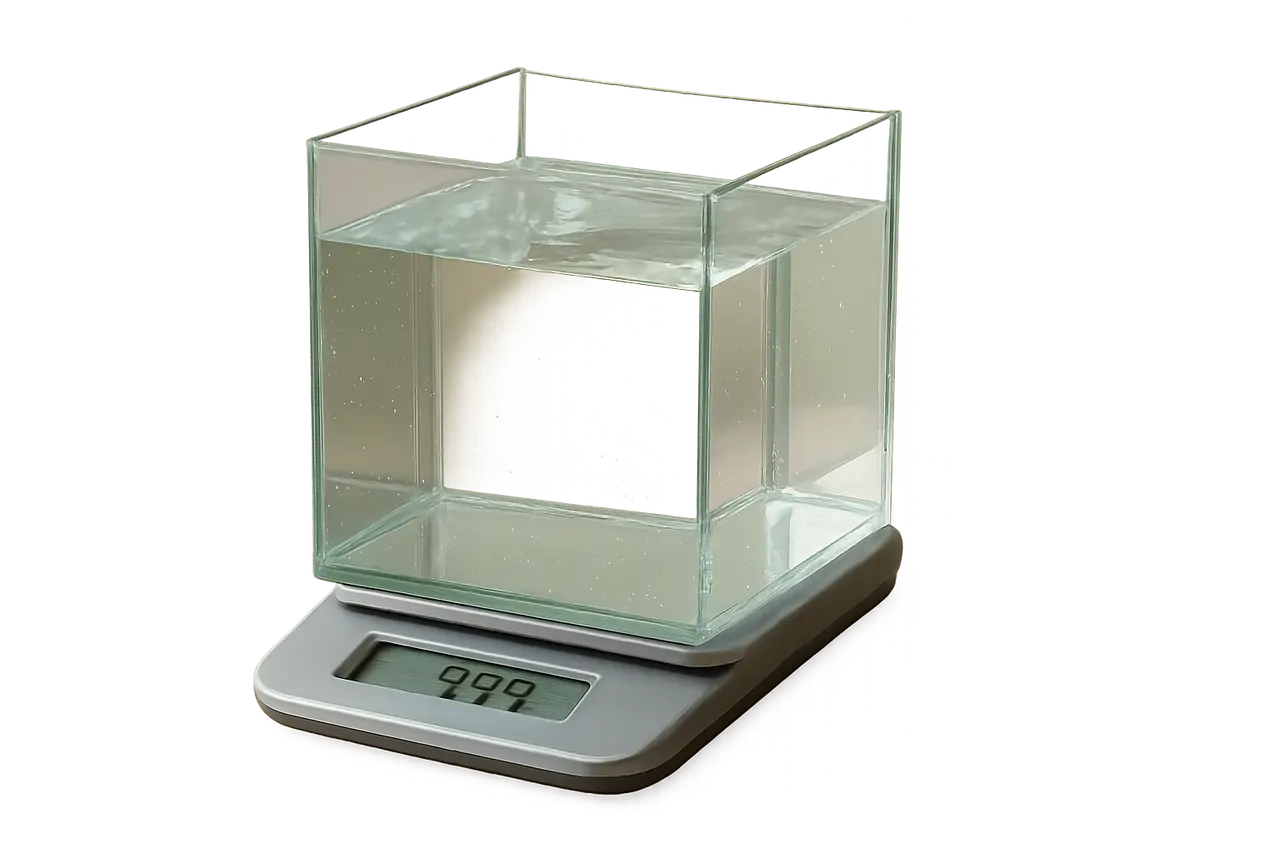
A cubic meter of water weighs about 1,000 kilograms or 2,204 pounds.

Dreams are intangible experiences created by the brain, making their weight impossible to measure physically.

The weight of a water drop can vary depending on its size, but a typical drop from a standard dropper is about 0.05 grams.
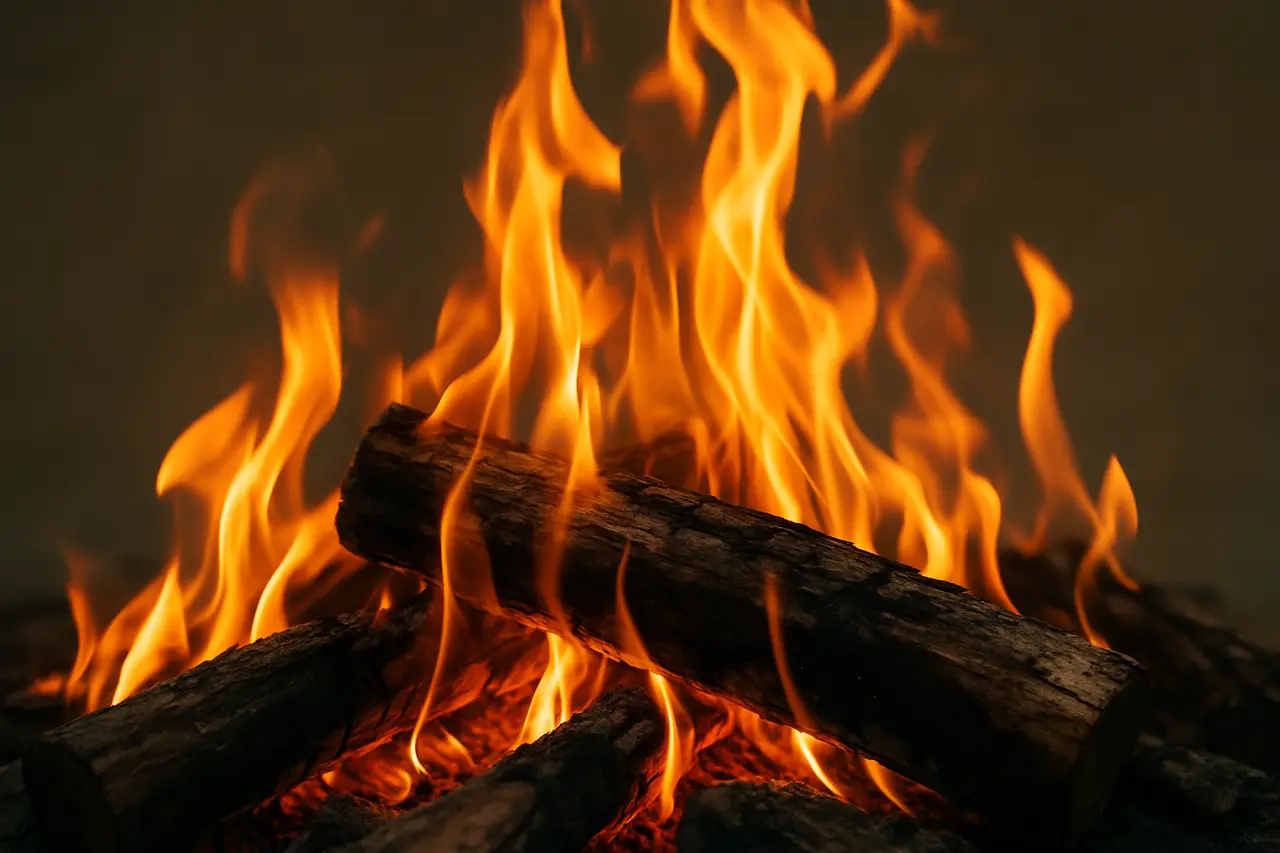
A fire has no weight, but the smoke, hot gases, and ash it generates can weigh several kilograms to tons depending on the fire size.
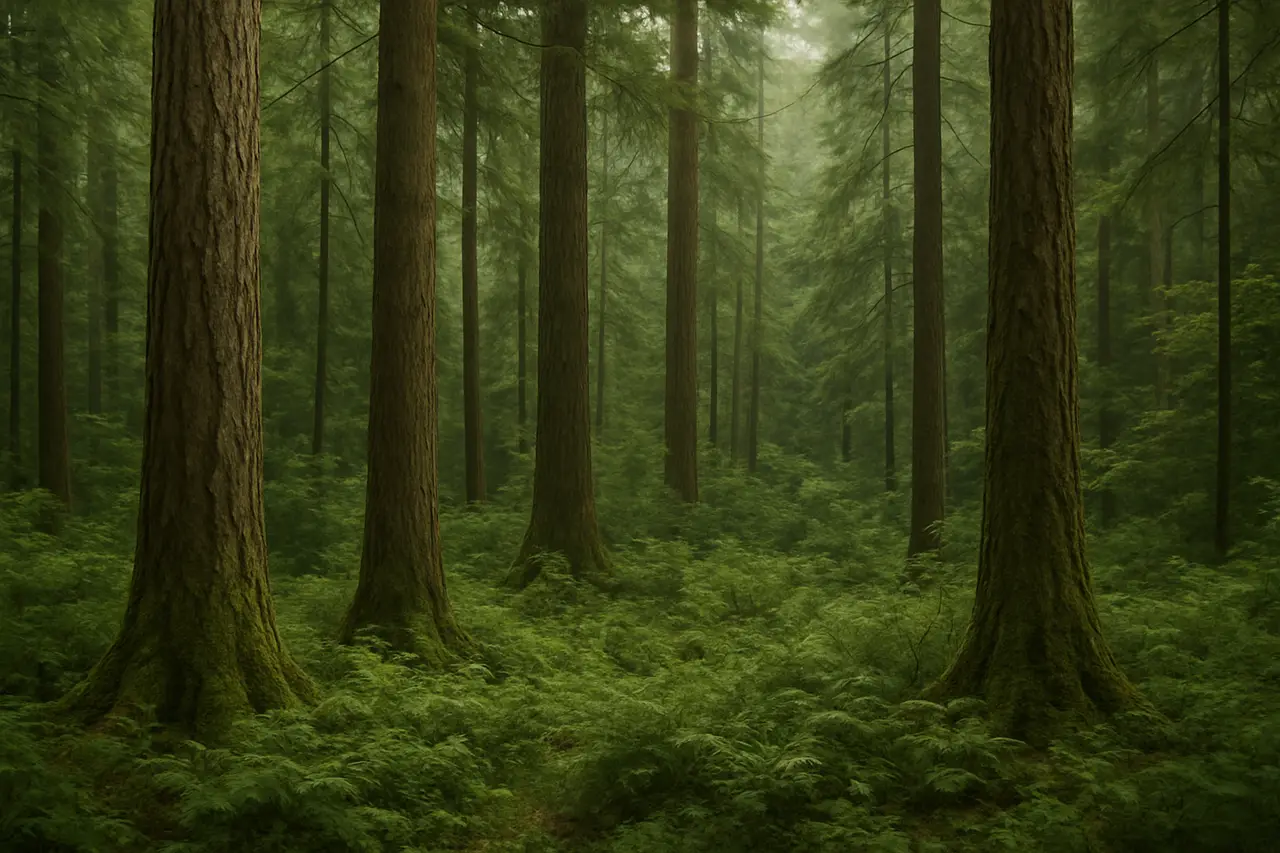
An average temperate forest covering one square kilometer can weigh between 10,000 to 20,000 tons, including trees, plants, soil, and organic matter.
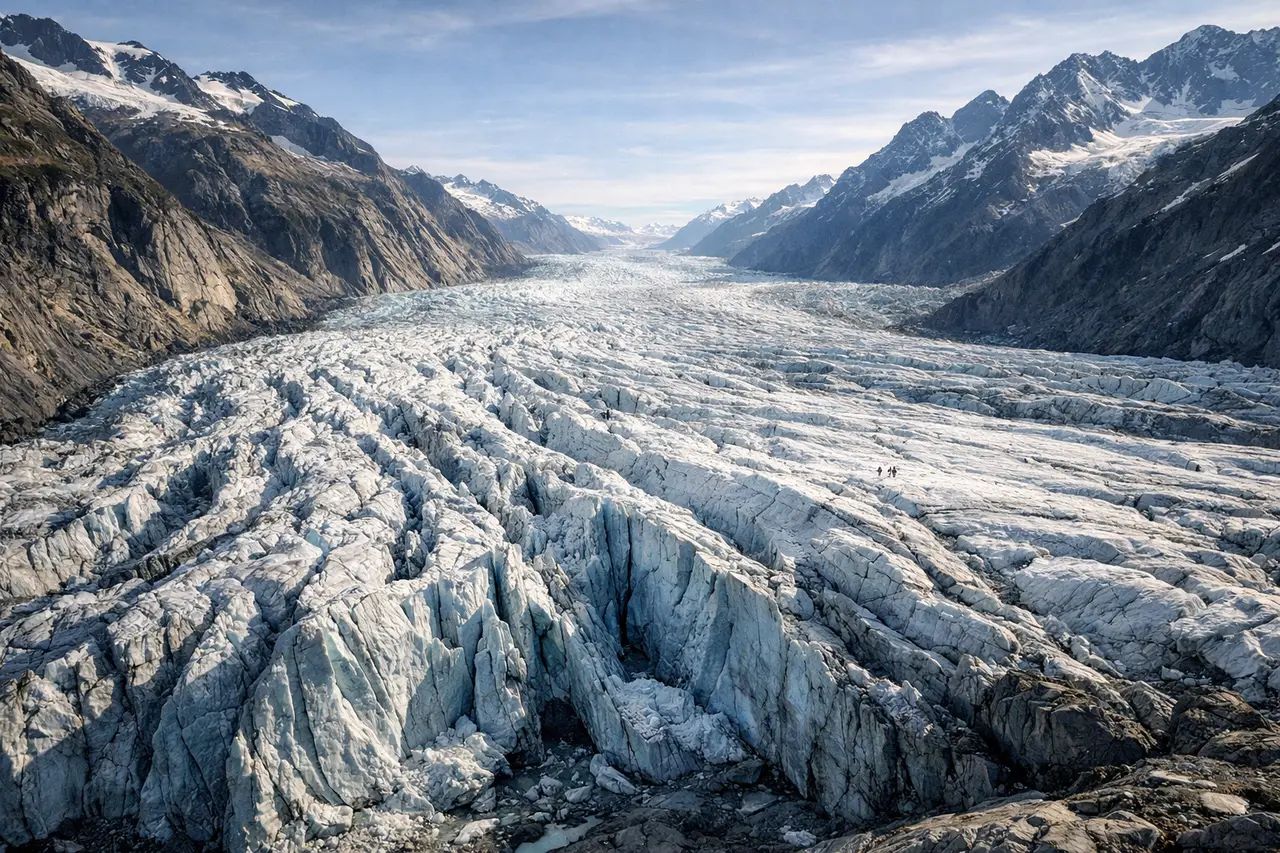
A glacier can weigh from millions of tons to trillions of tons depending on its size.
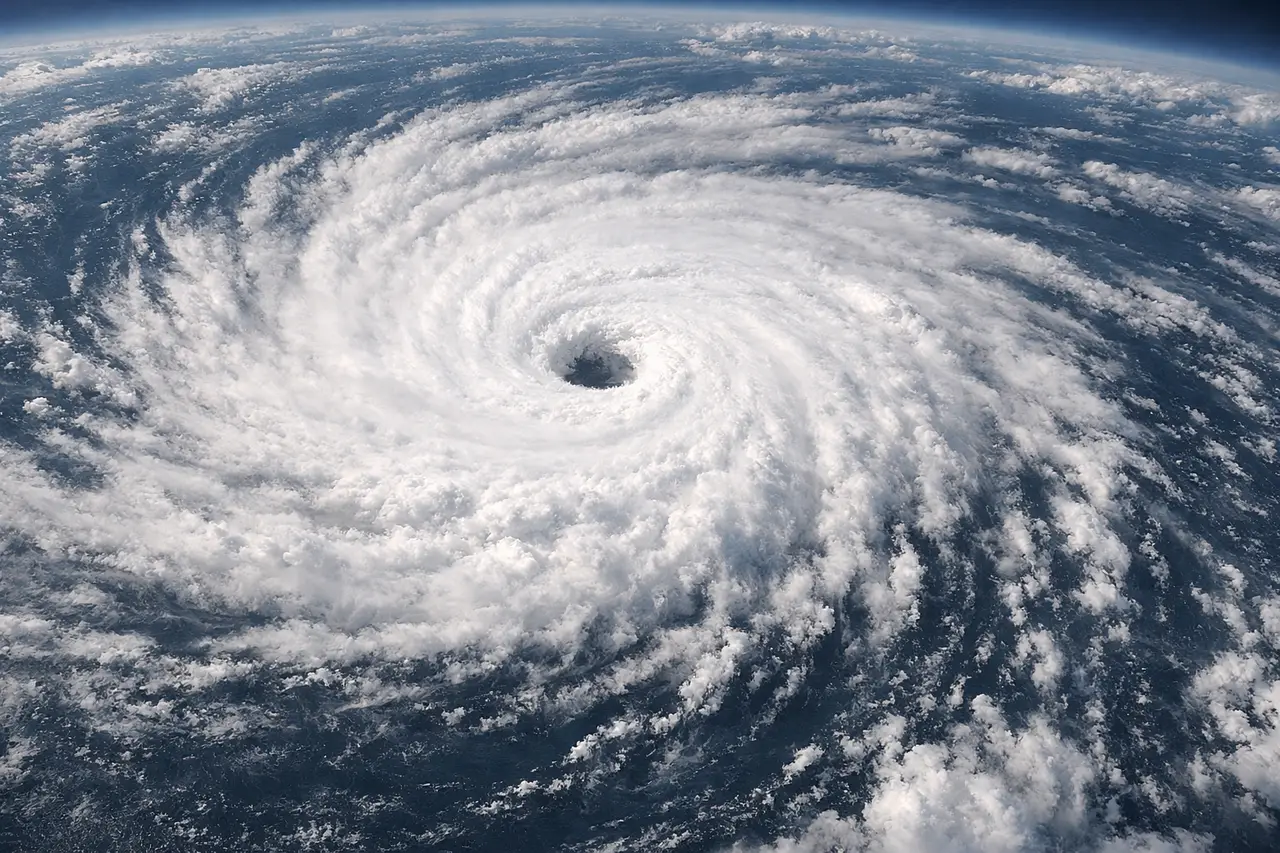
Meteorologists do not put a hurricane on a scale; they estimate its weight from satellite data, rainfall rates, cloud volume, and air density.
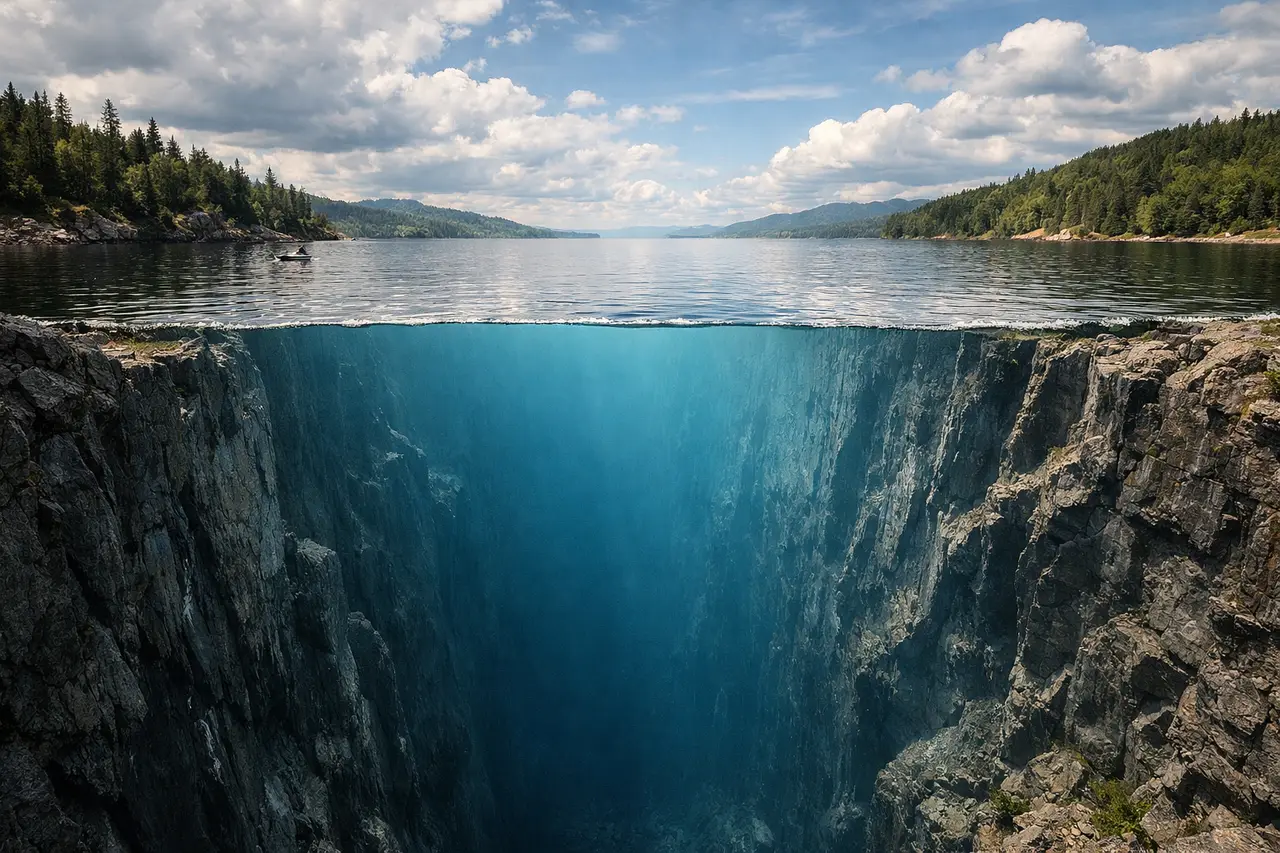
A lake's weight depends entirely on its volume.
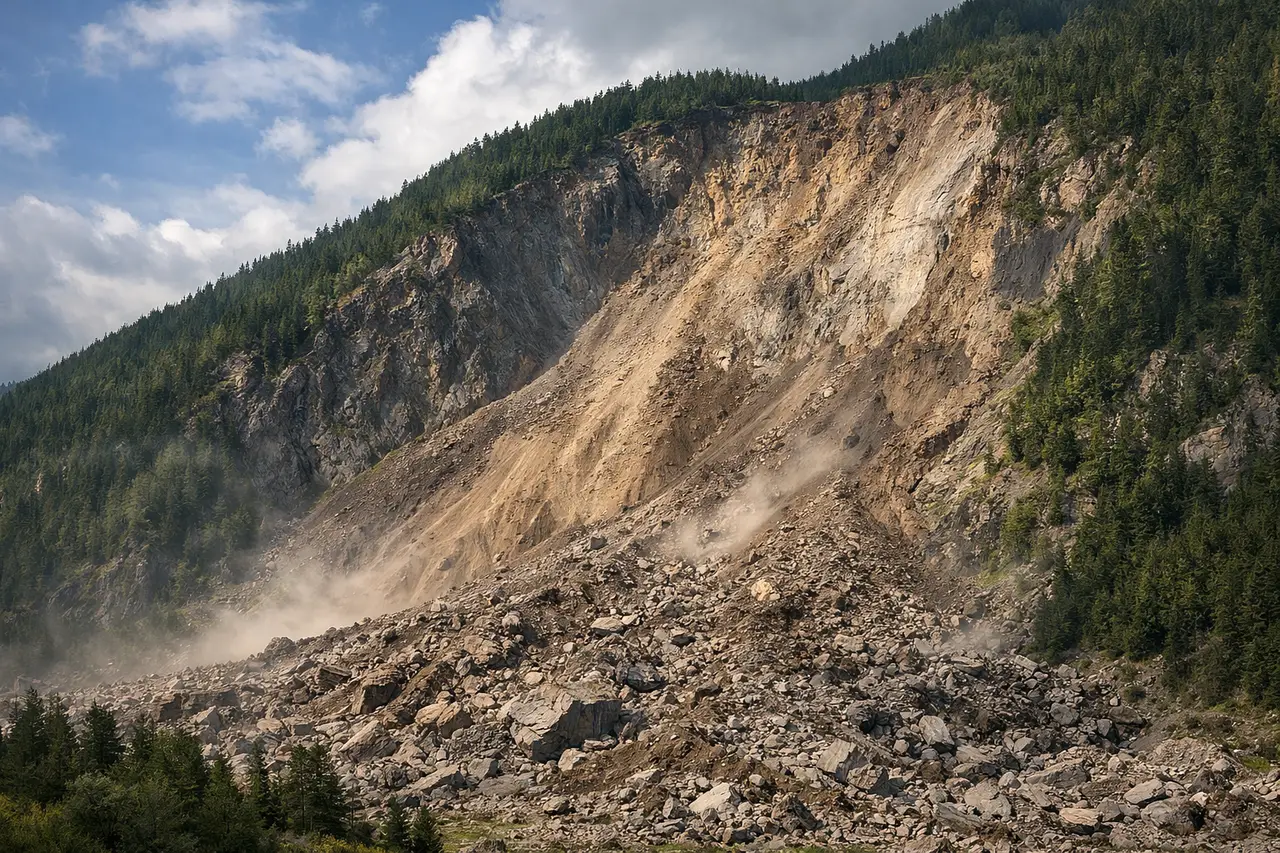
A landslide can weigh anywhere from a few hundred tons to billions of tons.
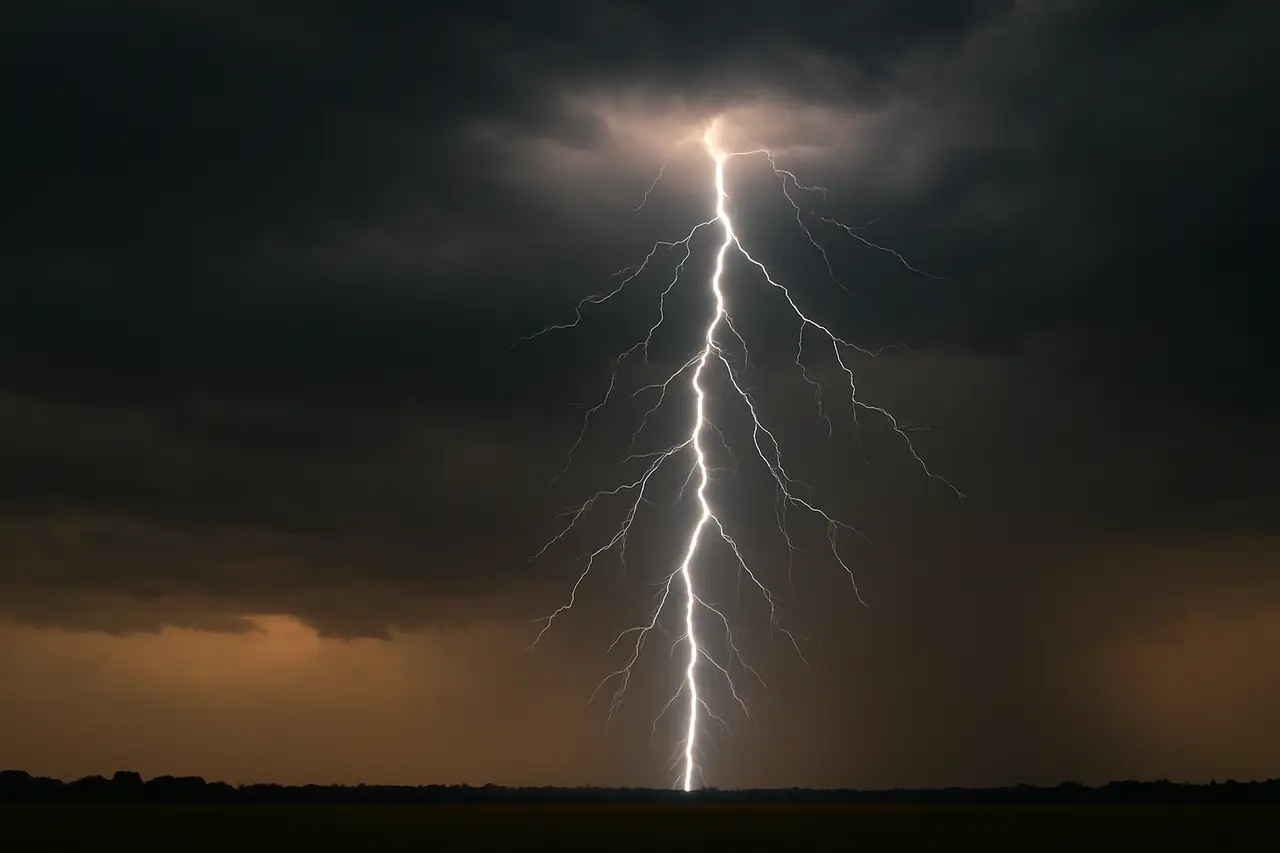
A lightning bolt contains plasma with mass, but its overall weight is extremely small.
At sea level and at 20°C (68°F), one liter of dry air weighs approximately 1.2 grams (0.0026 pounds).
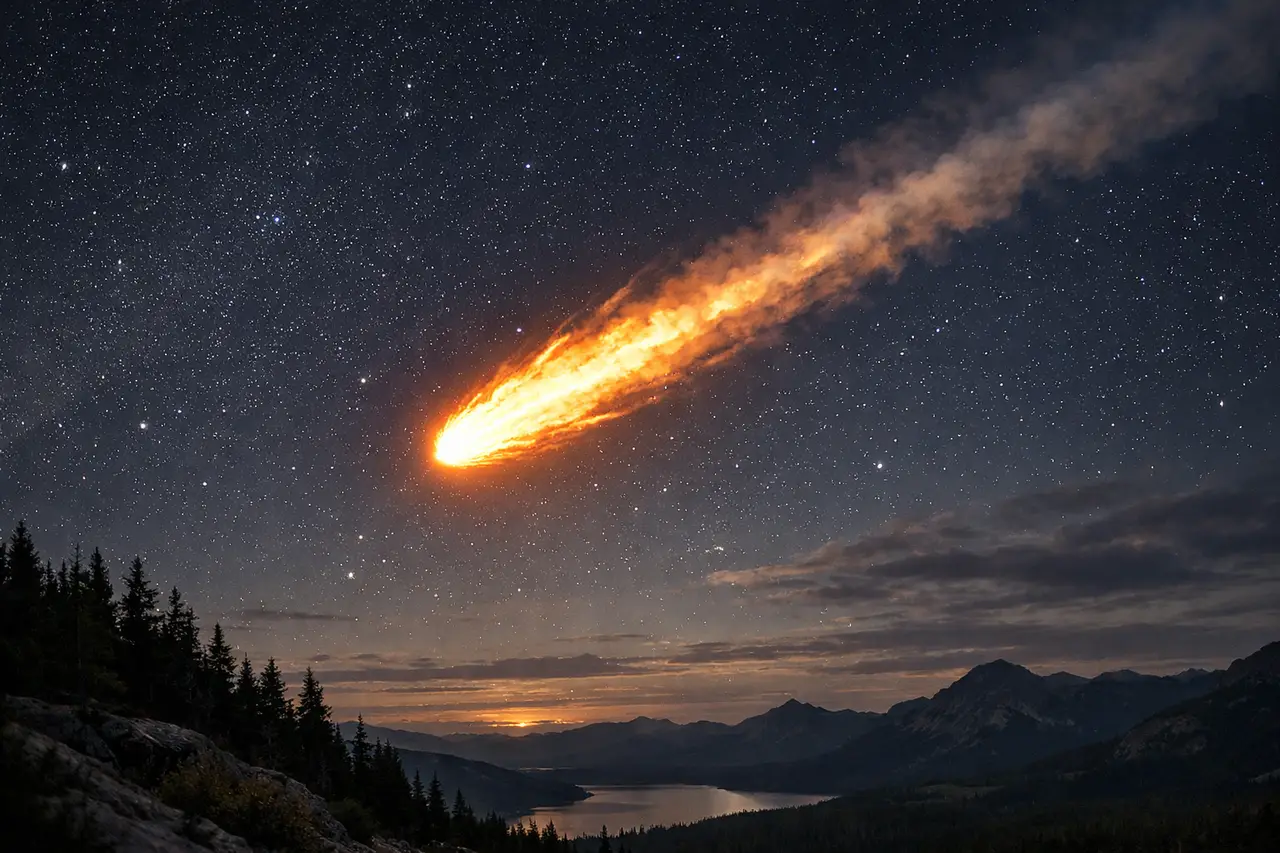
A meteor can weigh almost anything from tiny dust-sized grains to massive space rocks.
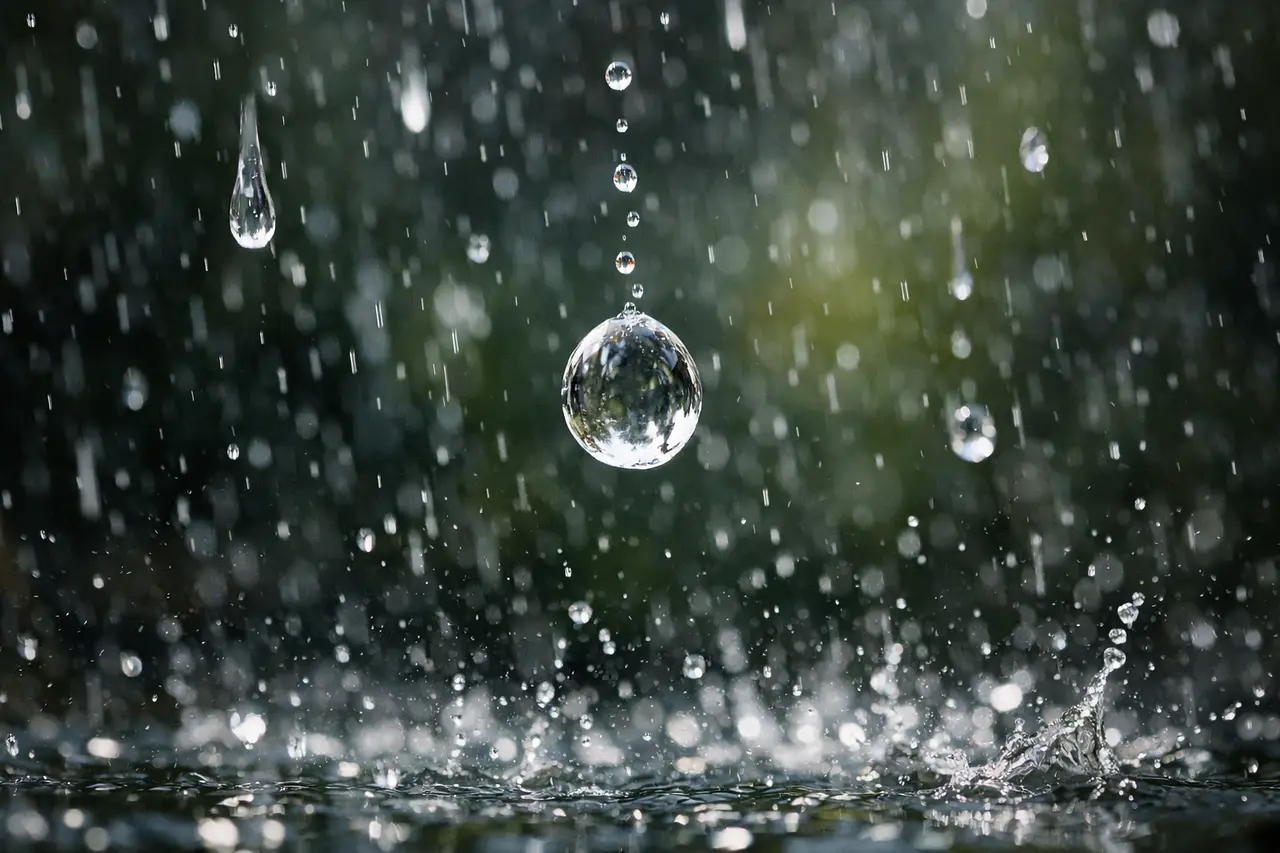
A typical raindrop weighs about 0.05 to 0.3 grams, depending on its diameter. A medium raindrop around 4 to 5 millimeters across is often close to one tenth of a gram.
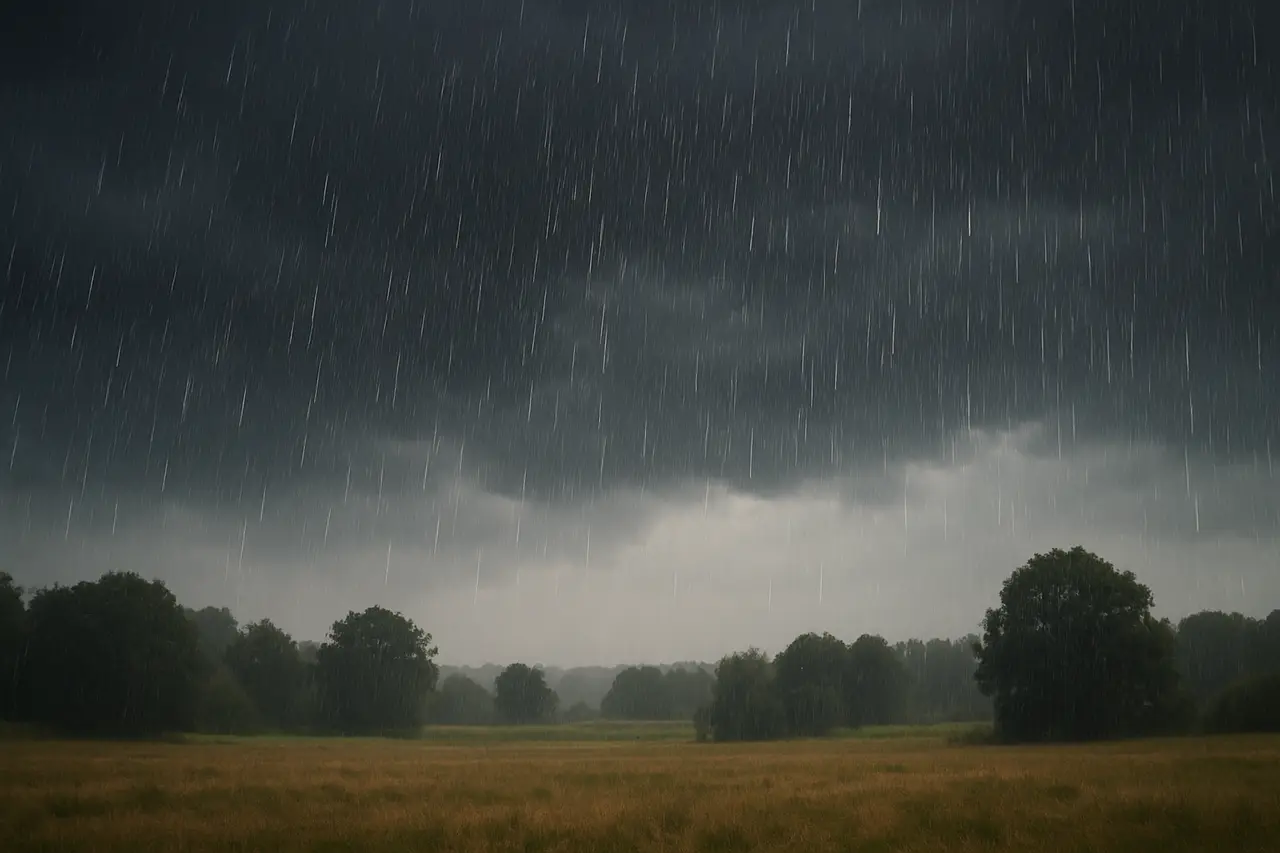
An average moderate rainstorm can contain around 1,000 to 10,000 metric tons (about 2.2 to 22 million pounds) of water, depending on its size and intensity.
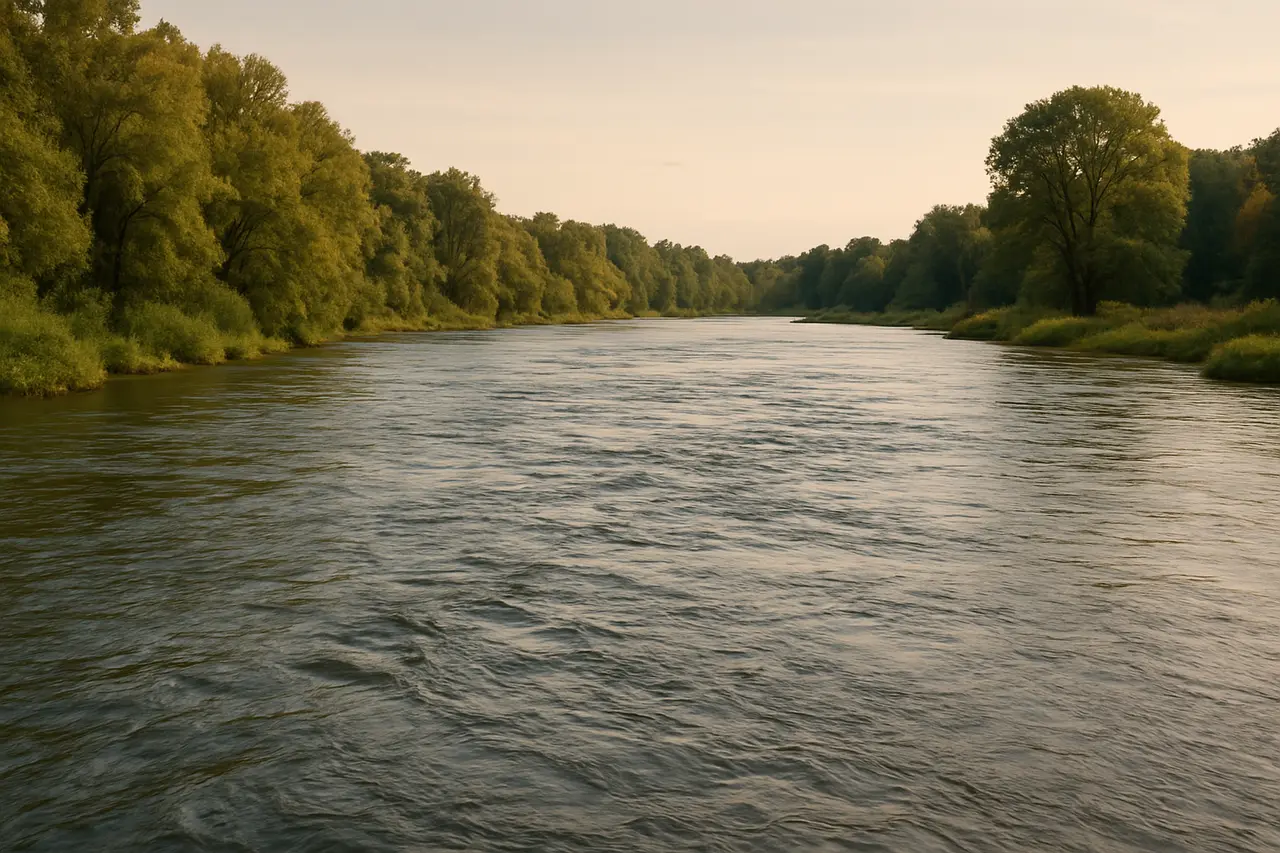
The weight of a river is not fixed but can be estimated by calculating the volume of water it contains multiplied by the density of water.
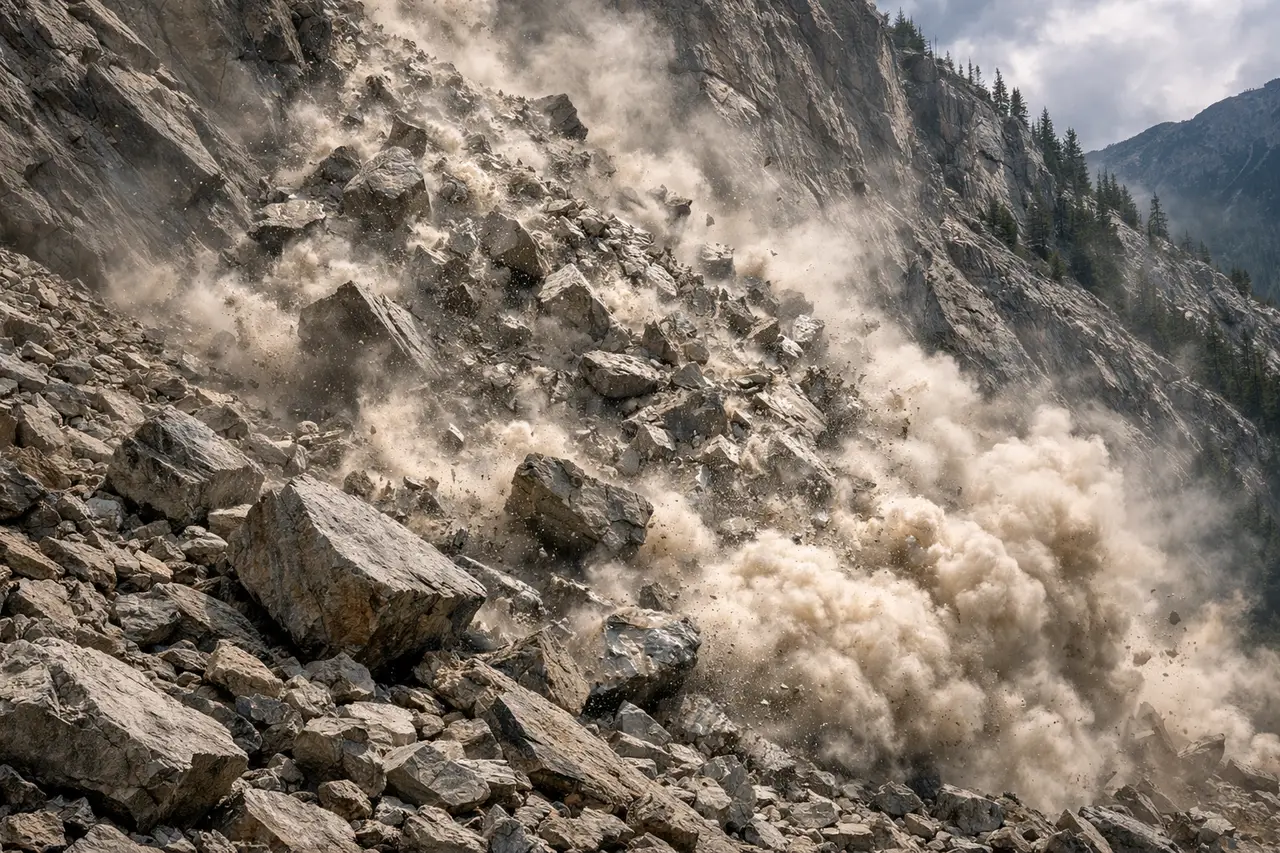
A rockslide can weigh from thousands of tons to billions of tons depending on the volume of rock released.
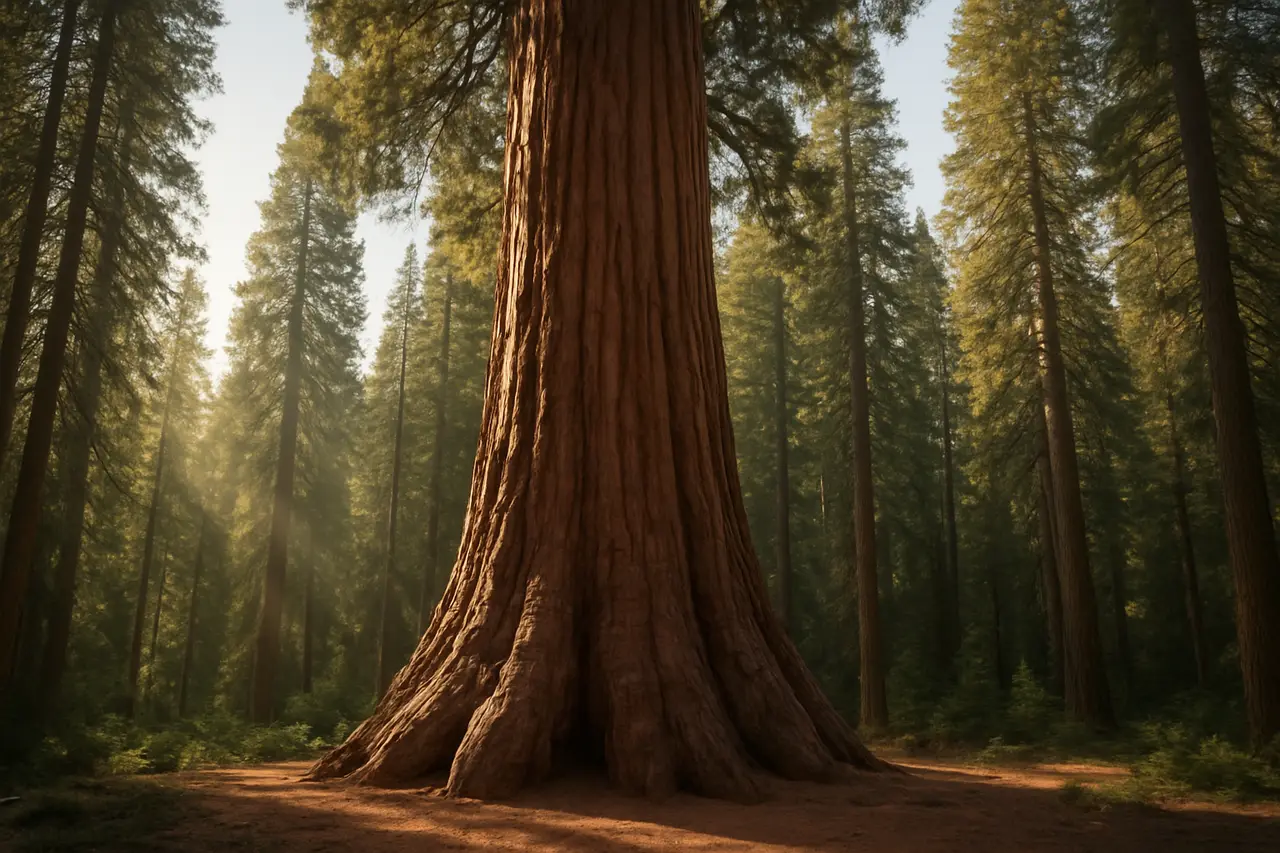
A mature giant sequoia tree can weigh between 1,500 and 2,700 metric tons (approximately 3.3 to 6 million pounds).

A shadow has no weight of its own because it is simply the absence of light, not matter.

A typical snowflake often weighs around 1 to 3 milligrams, although the exact number varies widely with size, branching, and moisture.
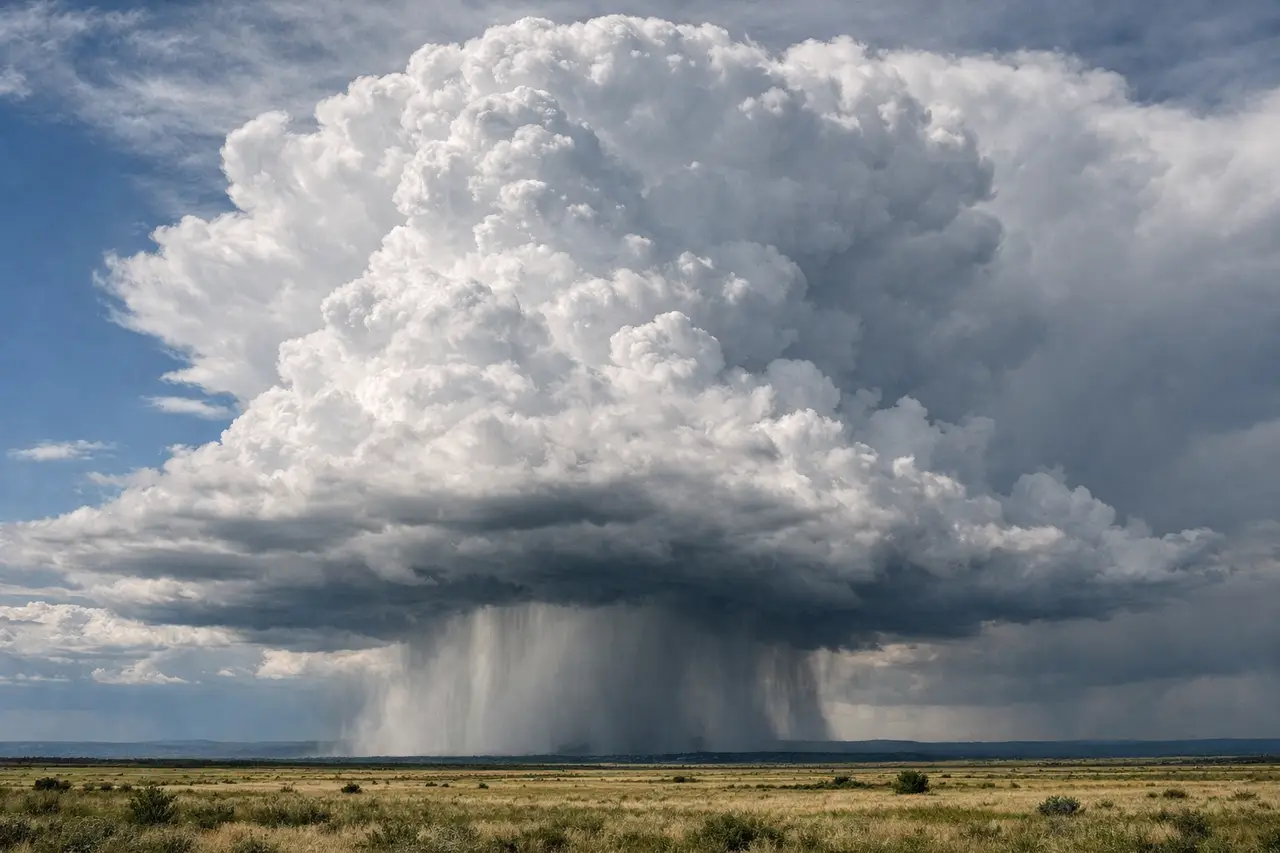
A storm can weigh anywhere from thousands of tons to hundreds of millions of tons depending on its type.
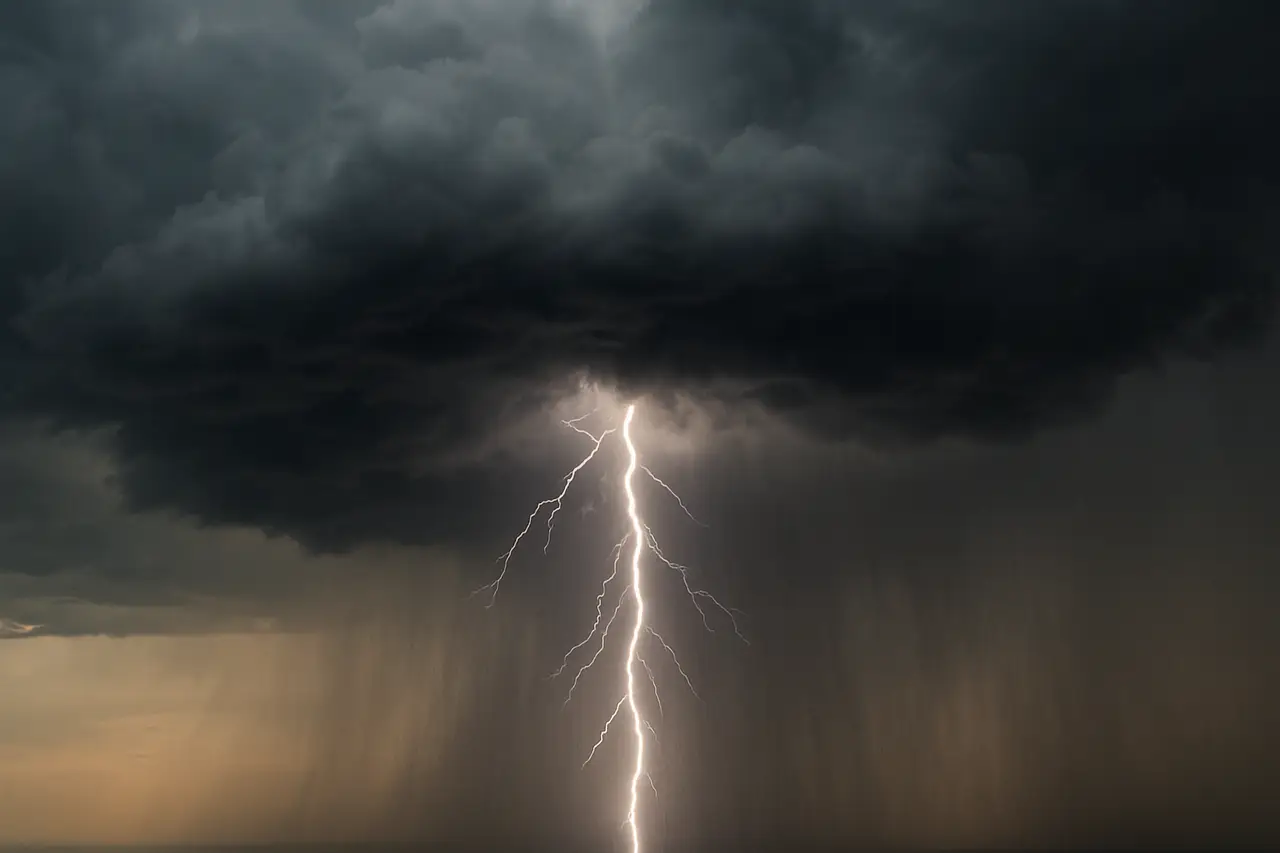
An average thunderstorm cloud weighs about 500,000 kilograms (1.1 million pounds), mostly from water droplets and ice suspended in the air.
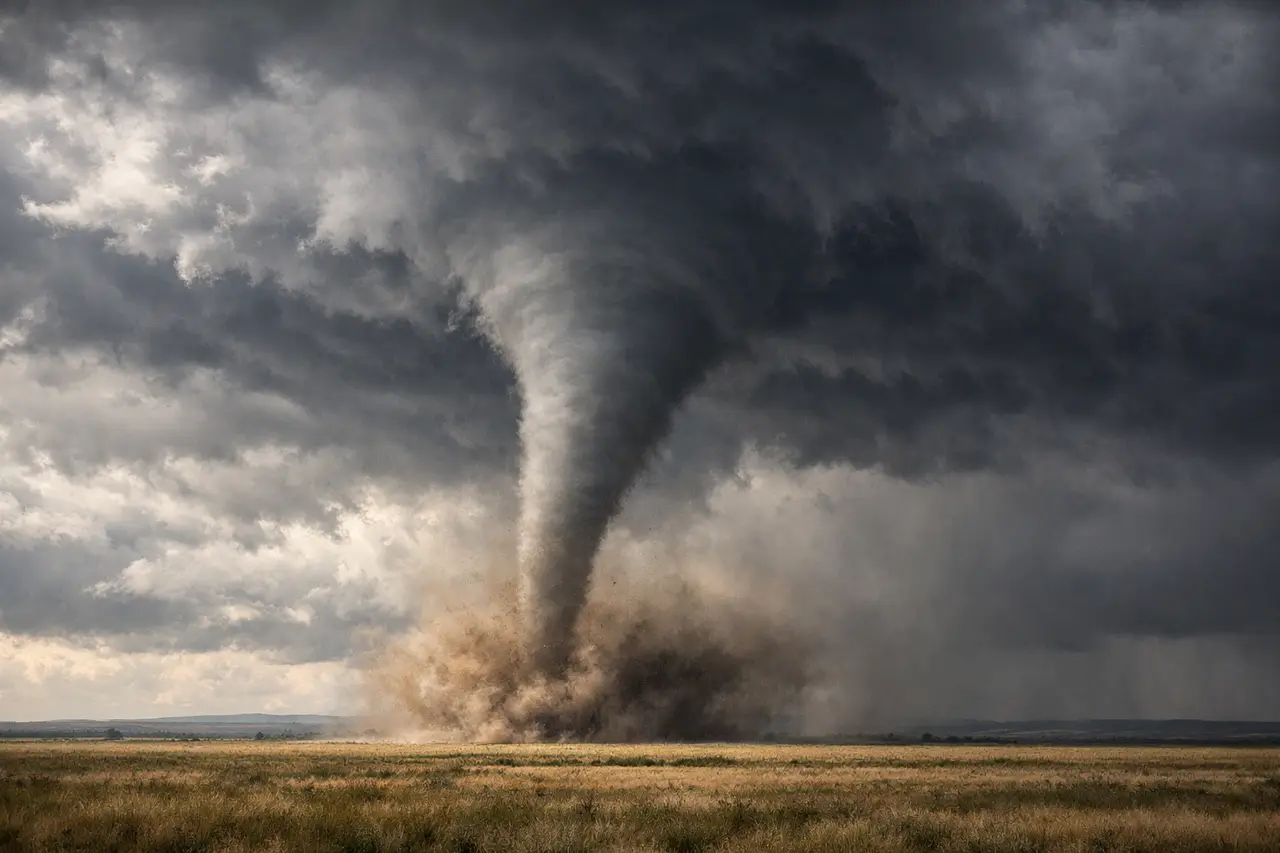
The visible condensation funnel of a tornado may contain only hundreds to thousands of kilograms of liquid water, but the spinning air involved in the full tornado column can weigh
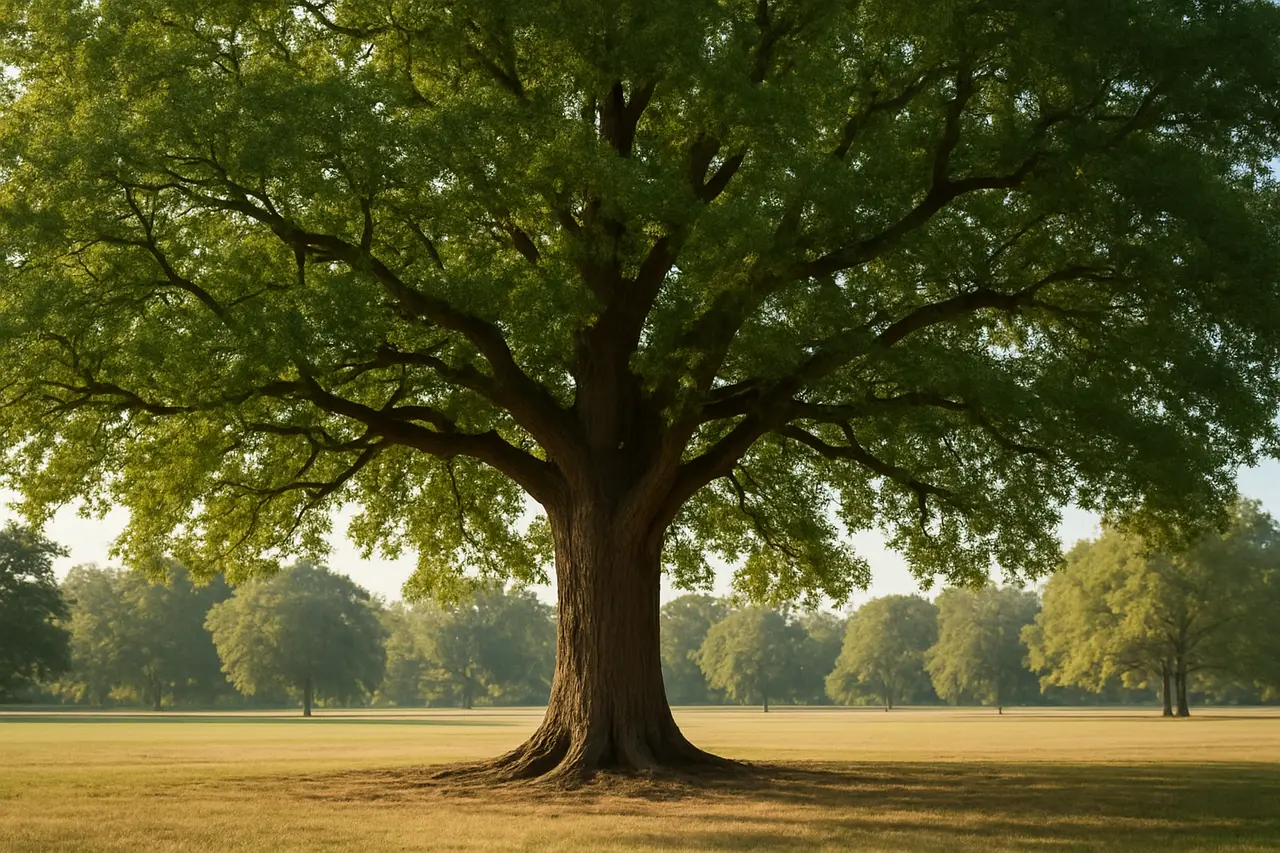
An average mature tree weighs between 1 to 5 tons (900 to 4,500 kilograms), depending on species and size. For example, a typical oak tree weighs around 2 tons.
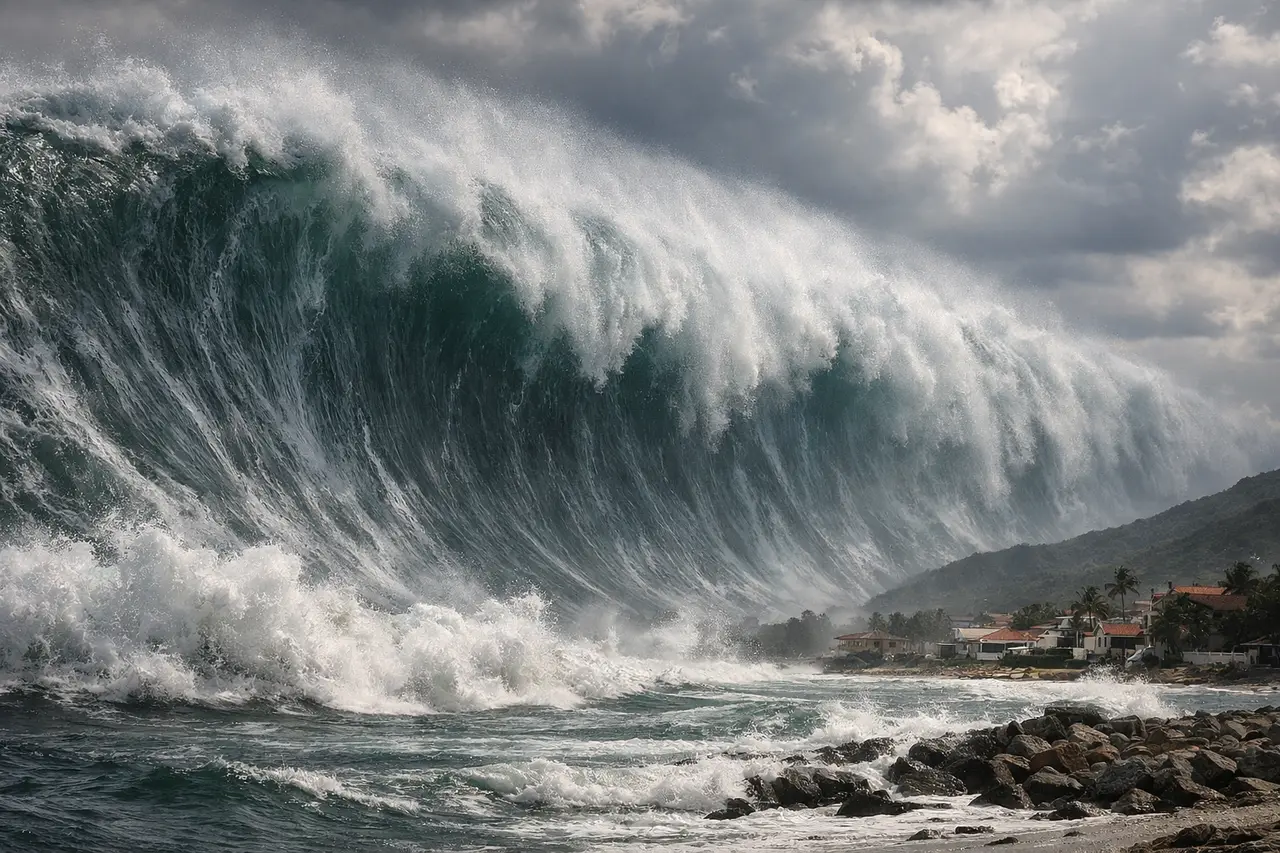
A tsunami can move tens to hundreds of billions of kilograms of seawater, and the largest events involve far more.

A volcano can weigh billions to trillions of tons depending on its height, width, and internal structure.
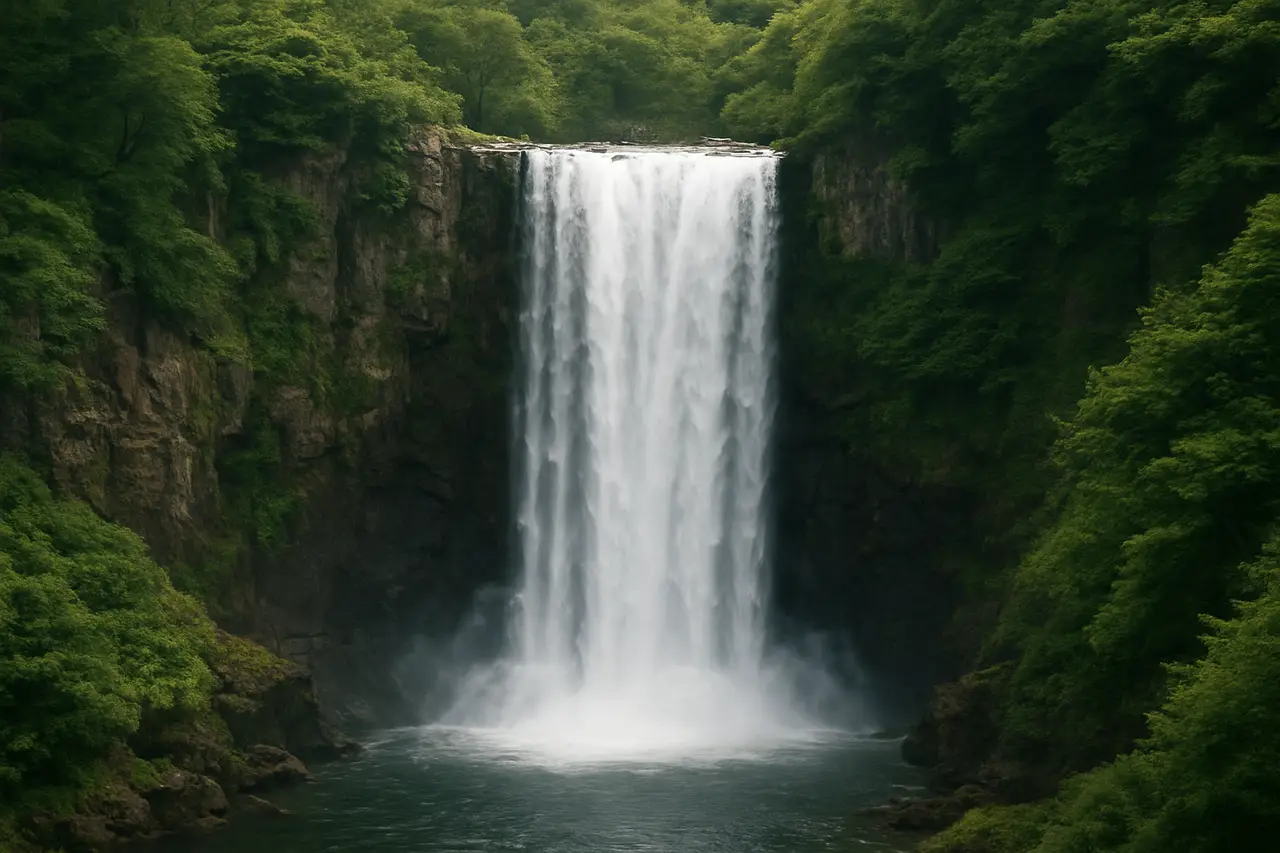
The weight of a waterfall depends on its flow rate.
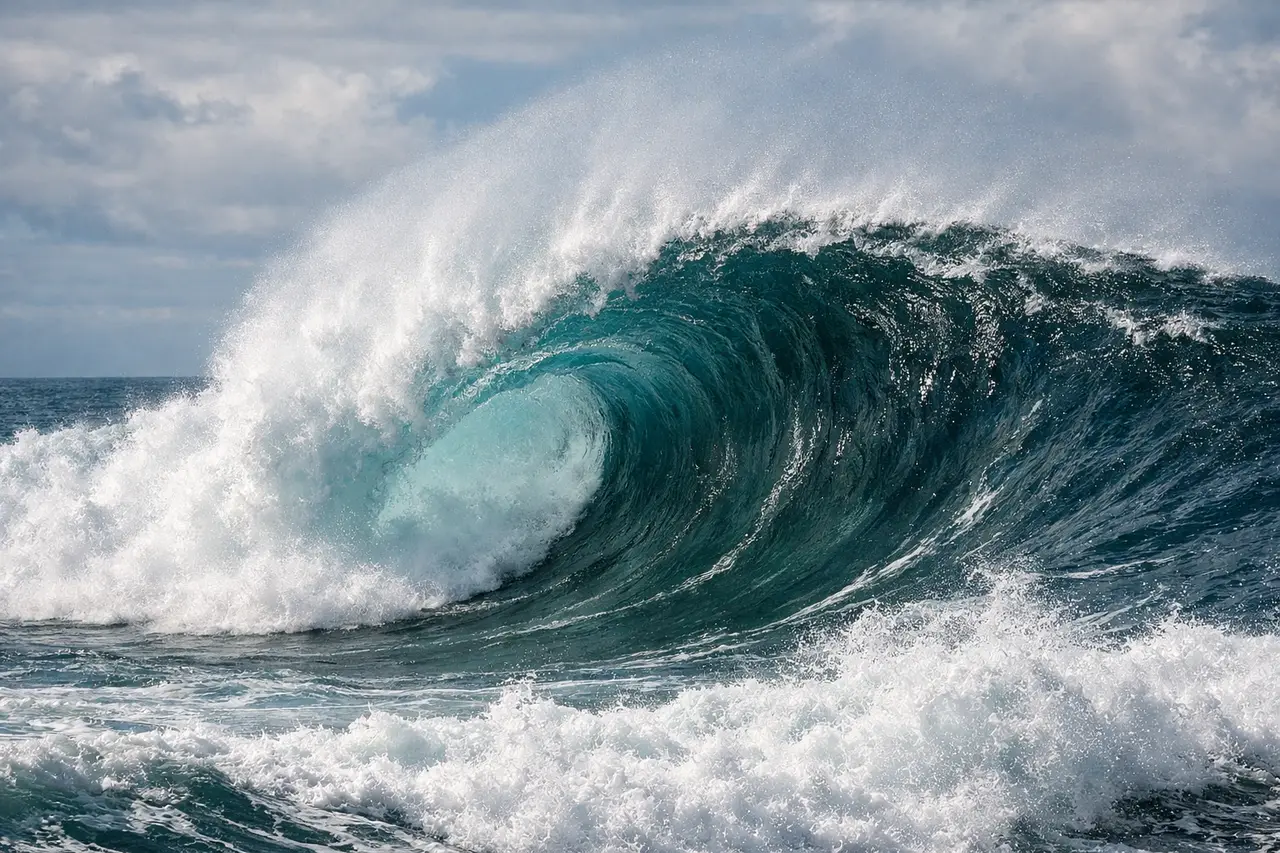
A wave's weight depends on how much water is lifted and moving within it.
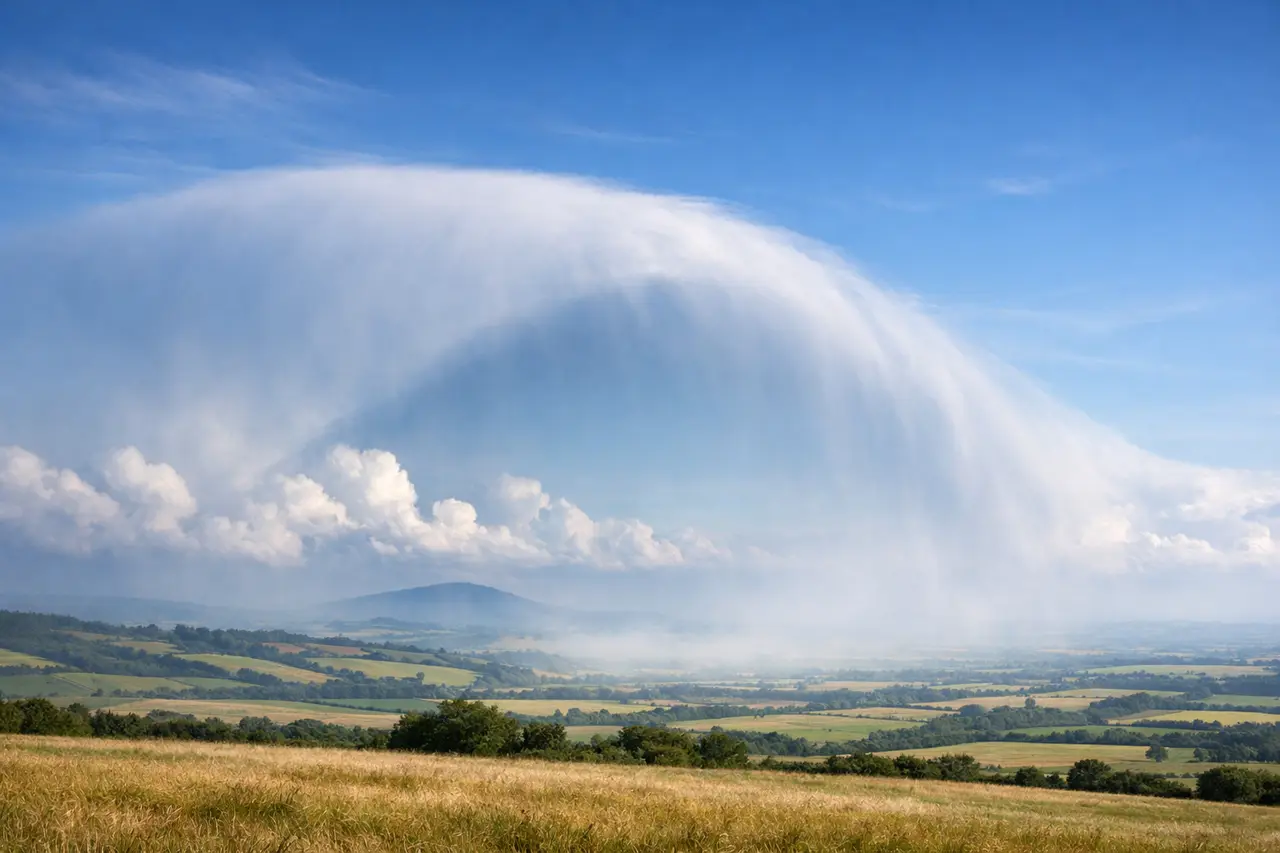
At sea level, 1 cubic meter of dry air weighs about 1.2 kilograms, or around 2.6 pounds.
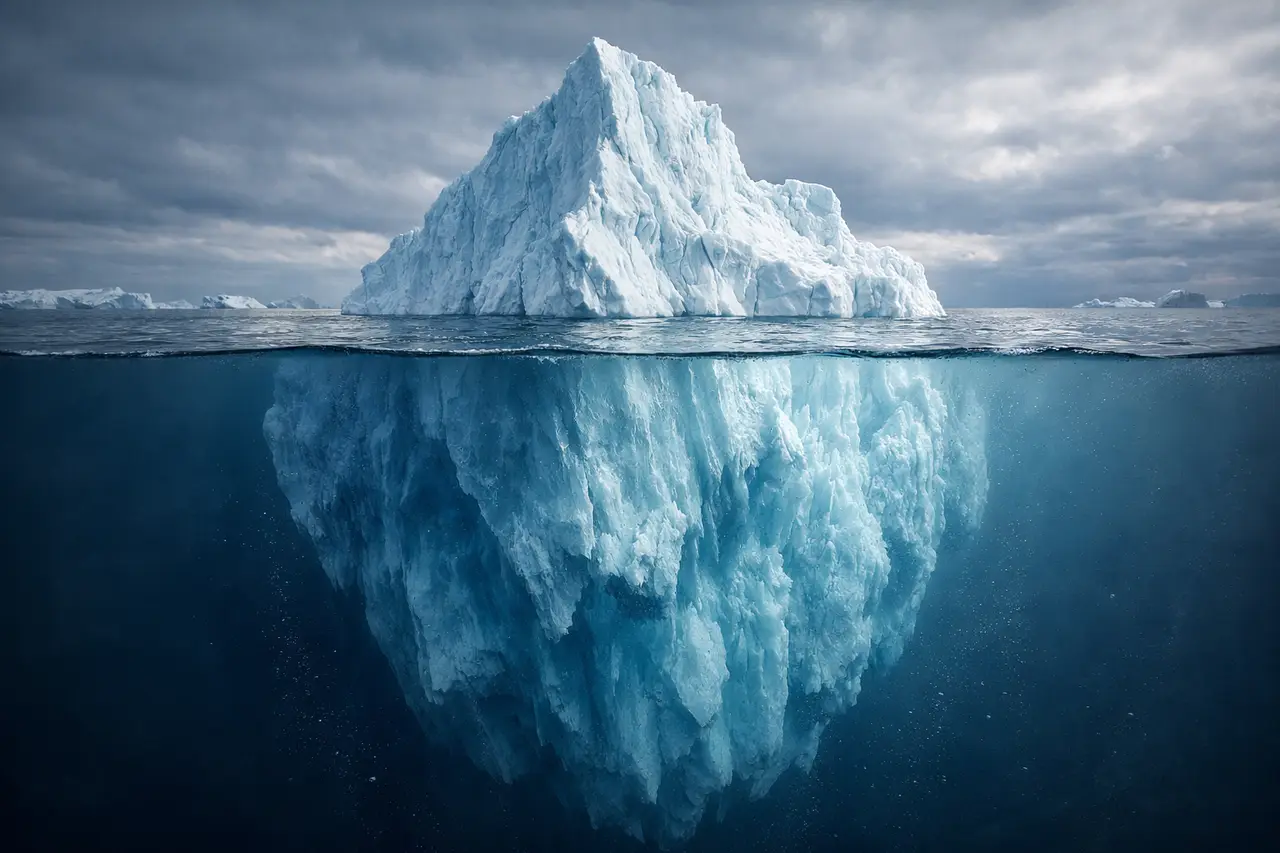
An iceberg can weigh anywhere from thousands of tons to billions of tons depending on size.
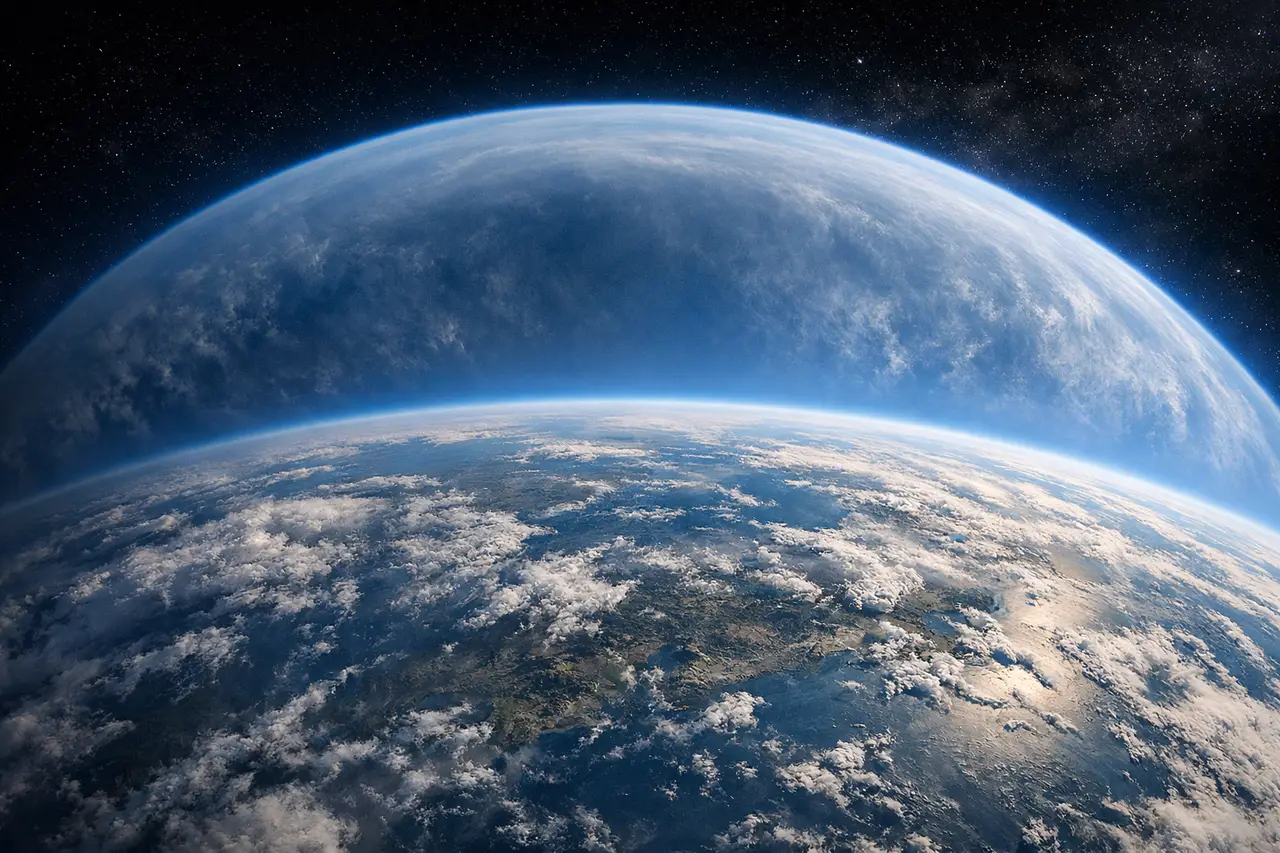
Earth's air weighs about 5.15 x 10^18 kilograms in total, which is the same order of magnitude as the mass of the atmosphere as a whole.
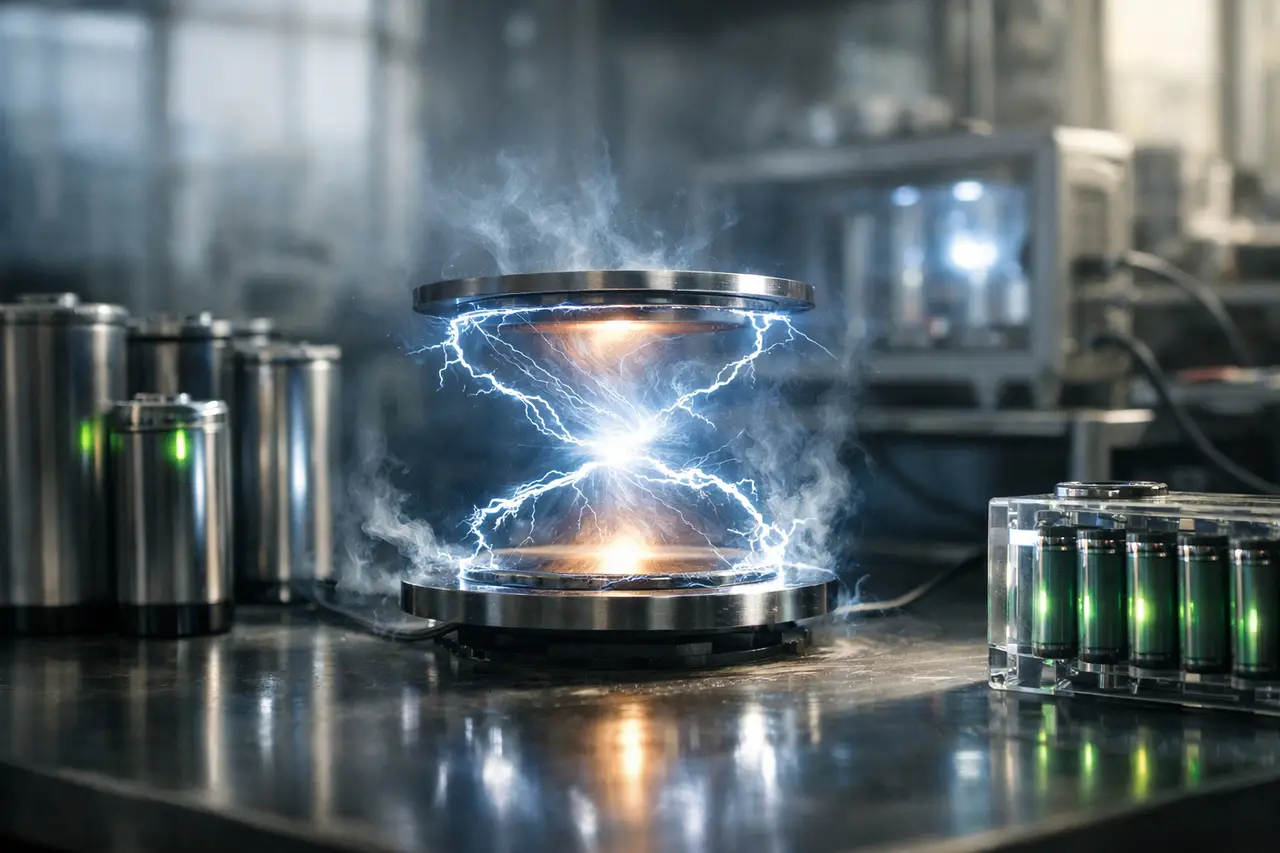
Energy has mass equivalent according to E = mc^2.

Fog usually contains about 0.05 to 0.5 grams of liquid water per cubic meter of air.

Fresh grass typically weighs about 0.5 to 0.7 kilograms per liter (roughly 1.1 to 1.5 pounds per quart).

Heat is energy, so it has mass equivalent through E = mc^2.
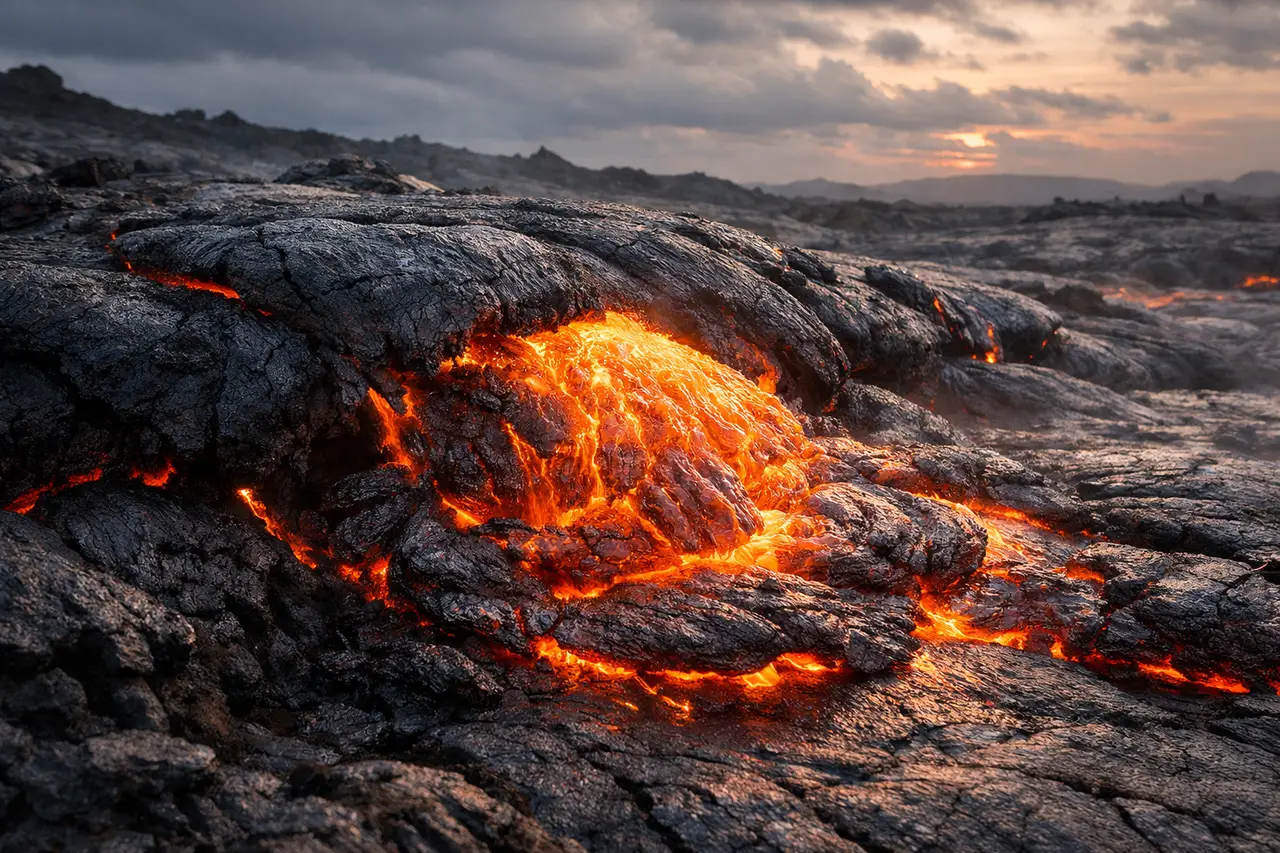
Lava typically weighs about 2,600 to 3,100 kilograms per cubic meter, depending on composition and trapped gases.
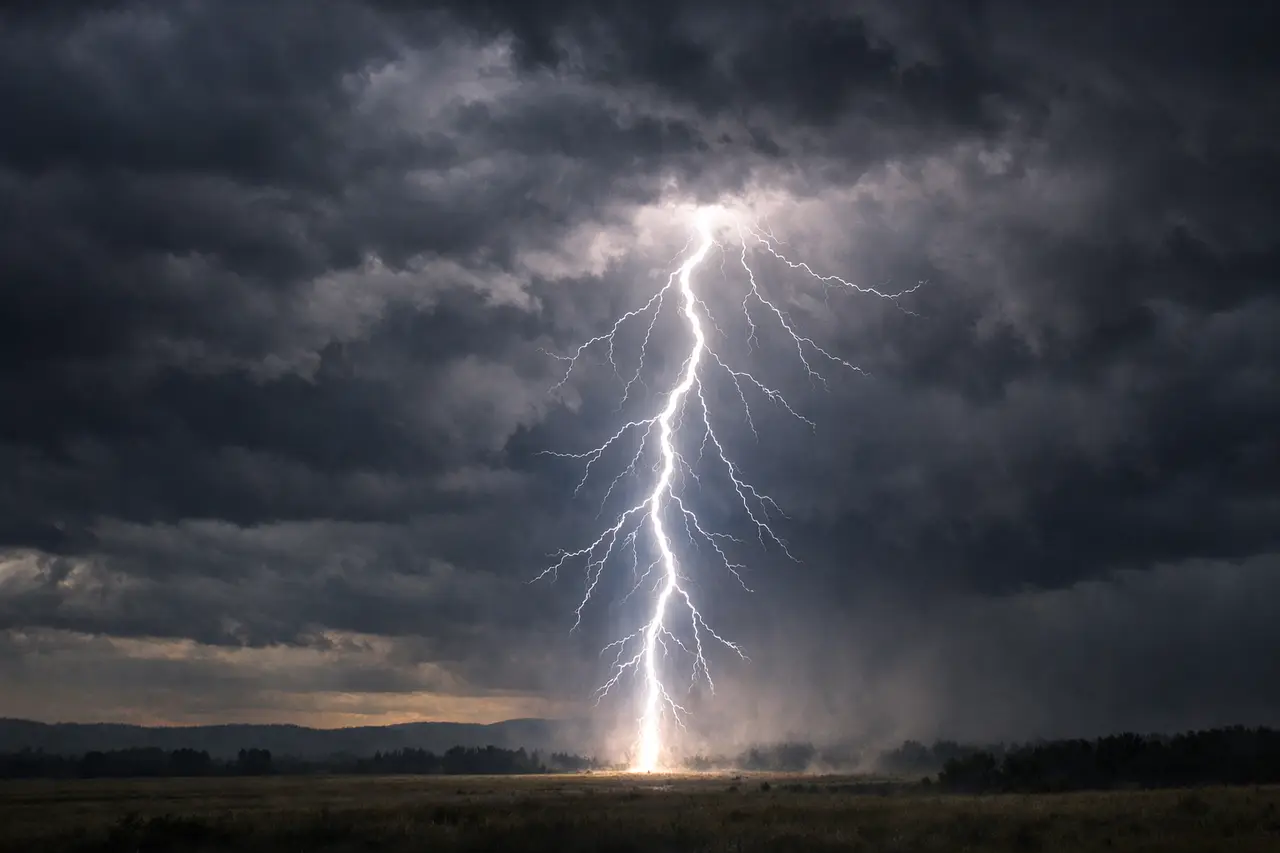
Lightning is not a solid object with ordinary weight, but its energy has a tiny mass equivalent.
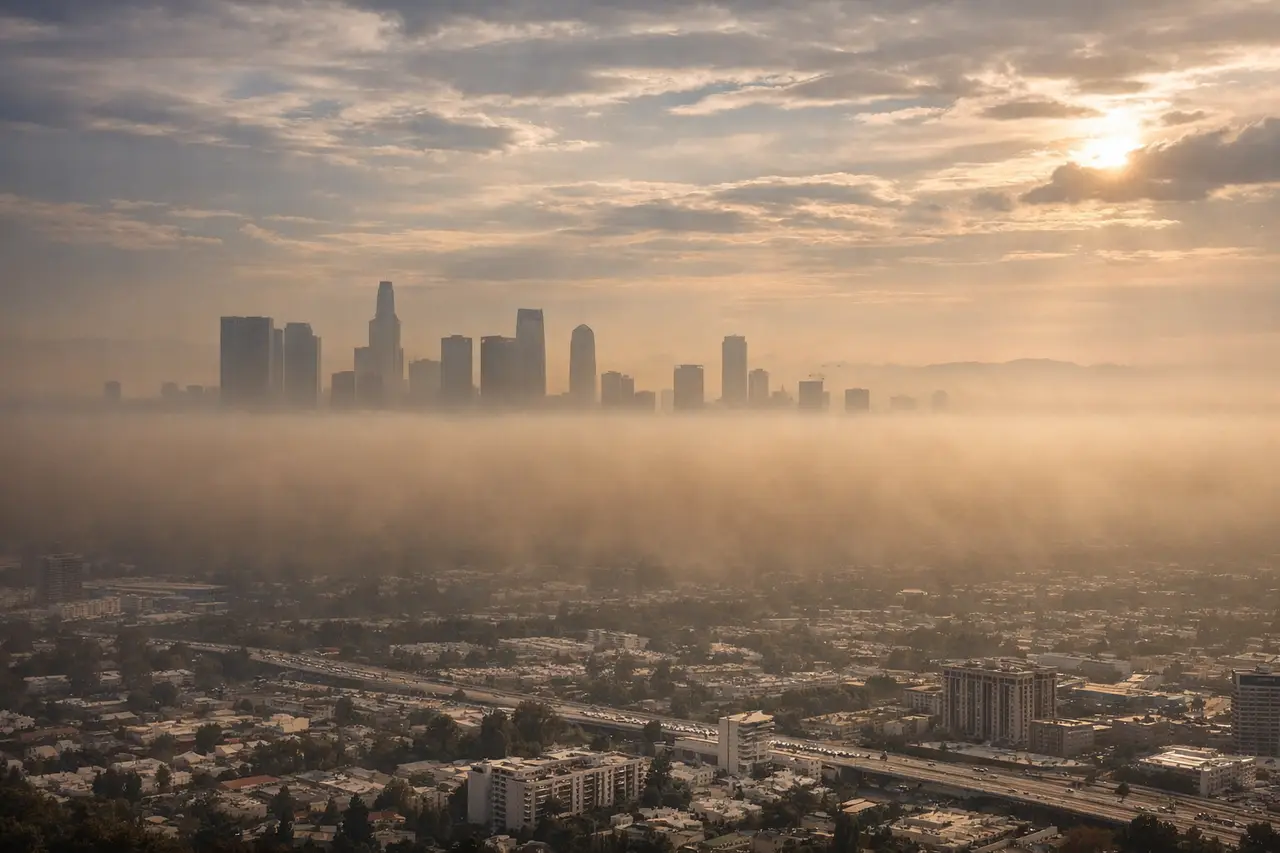
Pollution in the air can range from trace amounts to many tons over a city, depending on what you measure and over what area.
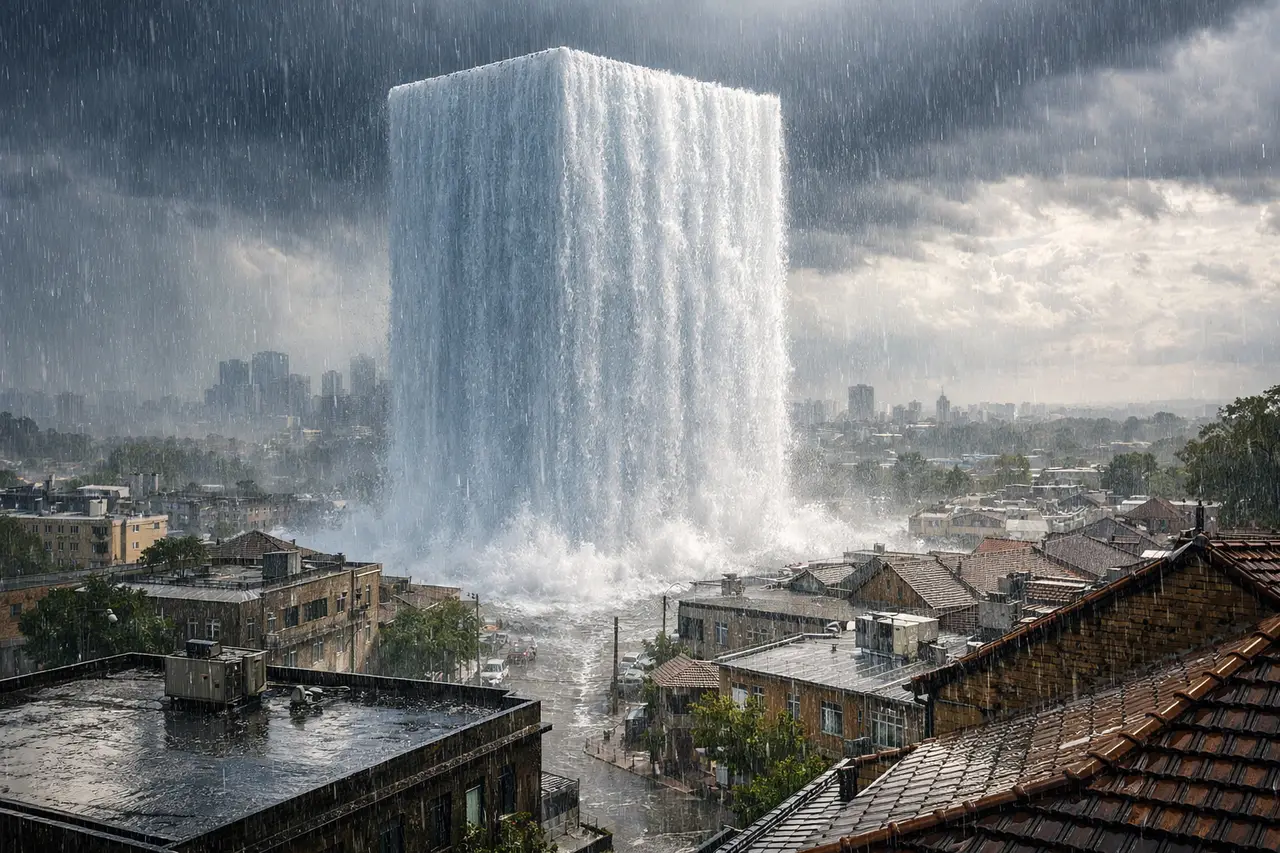
Just 1 millimeter of rain falling on 1 square meter equals 1 liter of water, which makes rainfall easy to turn into weight.
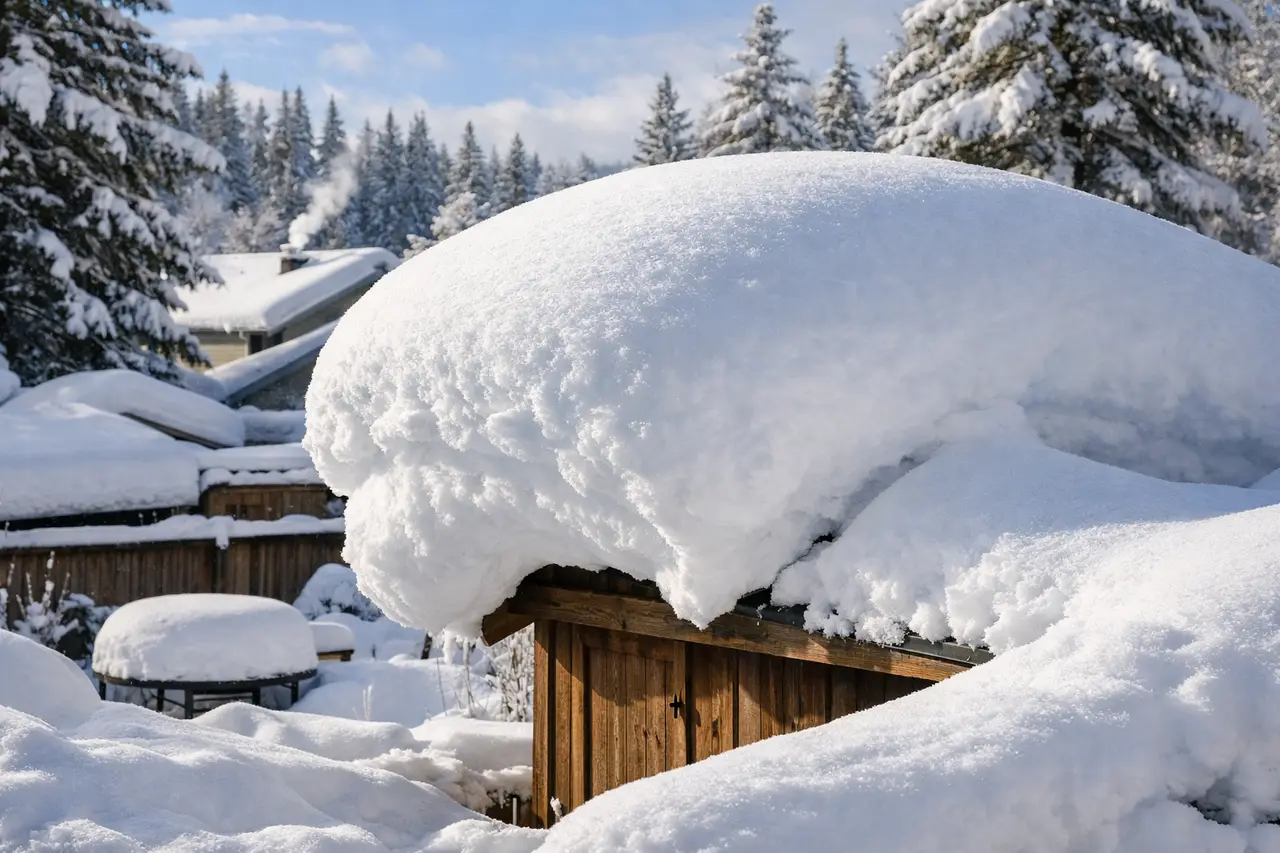
Snow usually weighs between 50 and 500 kilograms per cubic meter depending on how dry, fresh, compacted, or wet it is.

Sunlight has zero rest mass, but its energy has an equivalent mass through E = mc^2.
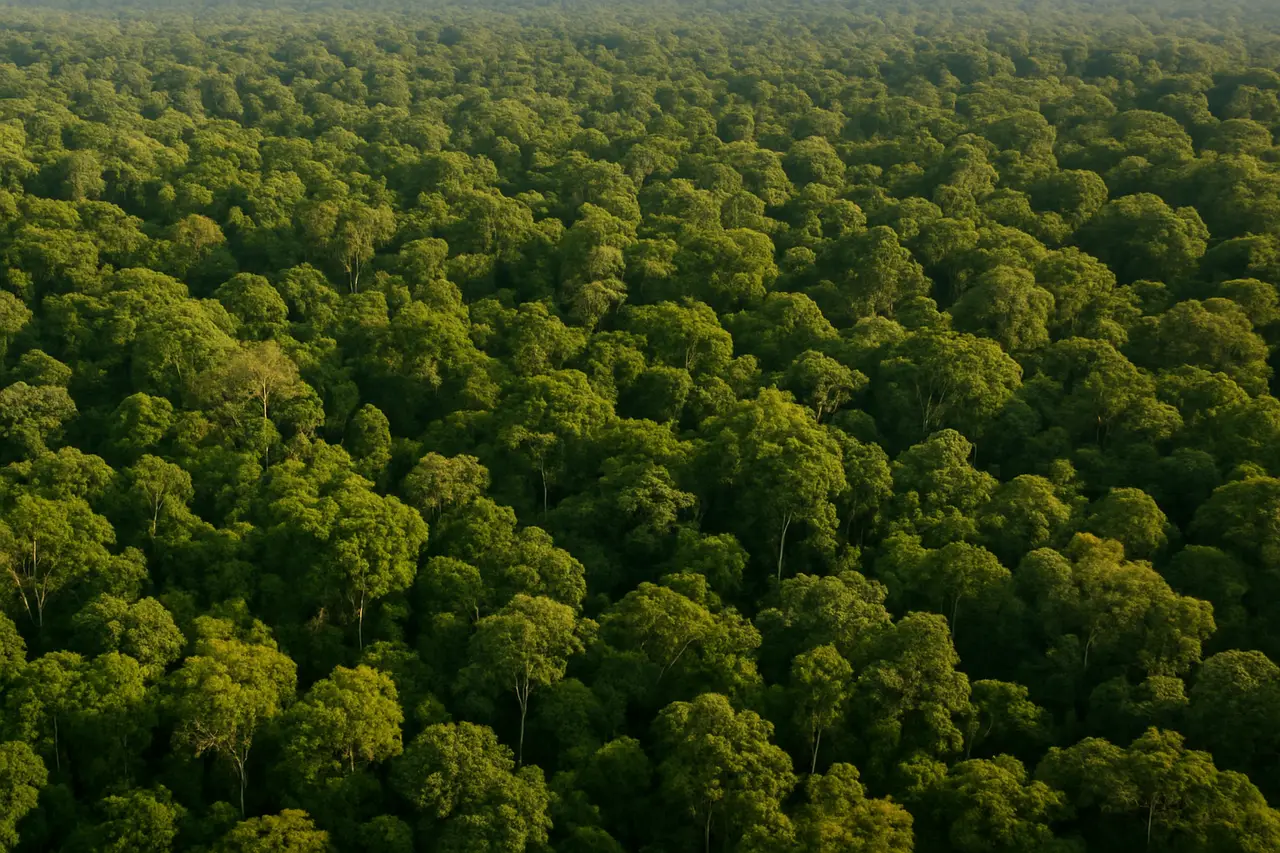
The Amazon Rainforest's total biomass is estimated to weigh around 80 billion tons, including trees, plants, soil, and organic matter.

The Amazon River carries roughly 209,000 cubic meters of water per second.
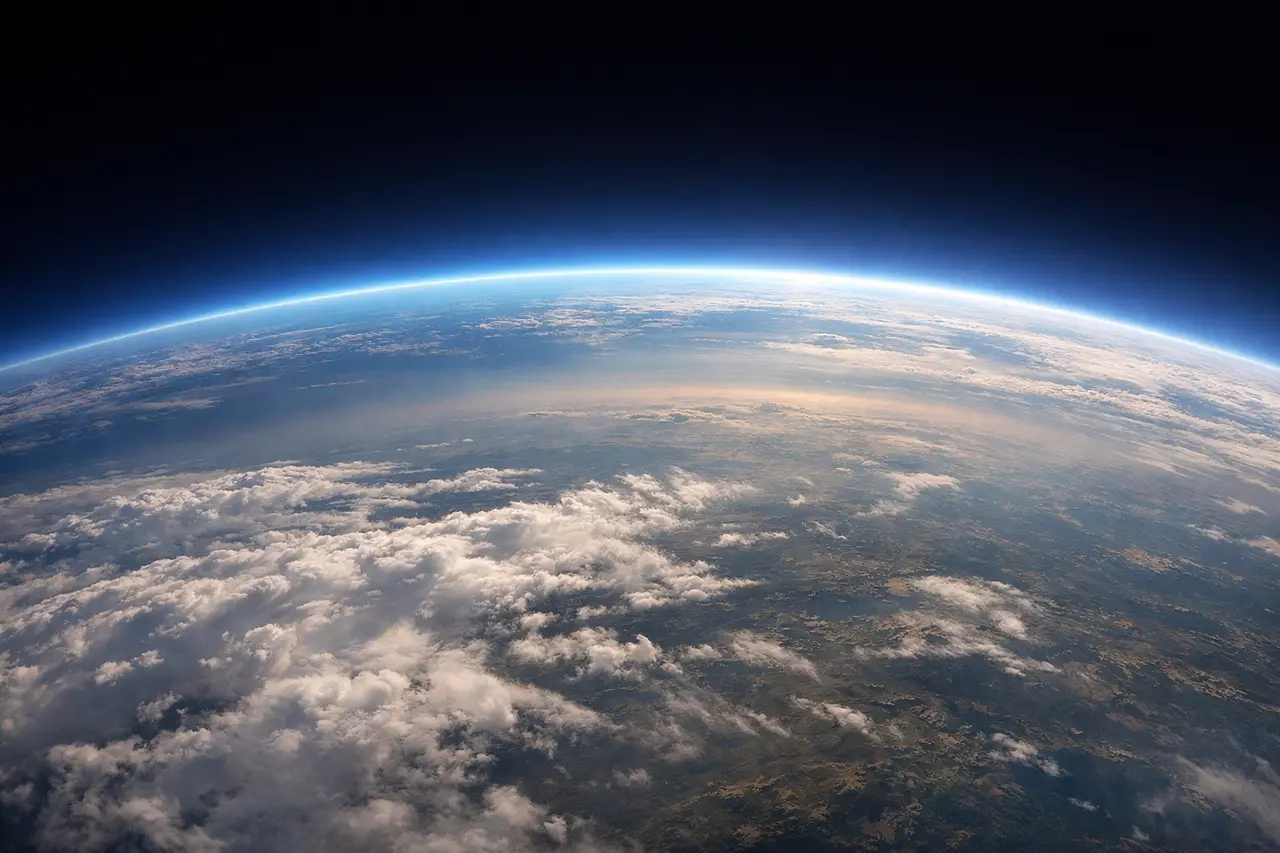
Earth's atmosphere weighs about 5.15 quadrillion metric tons, or roughly 5.15 x 10^18 kilograms.
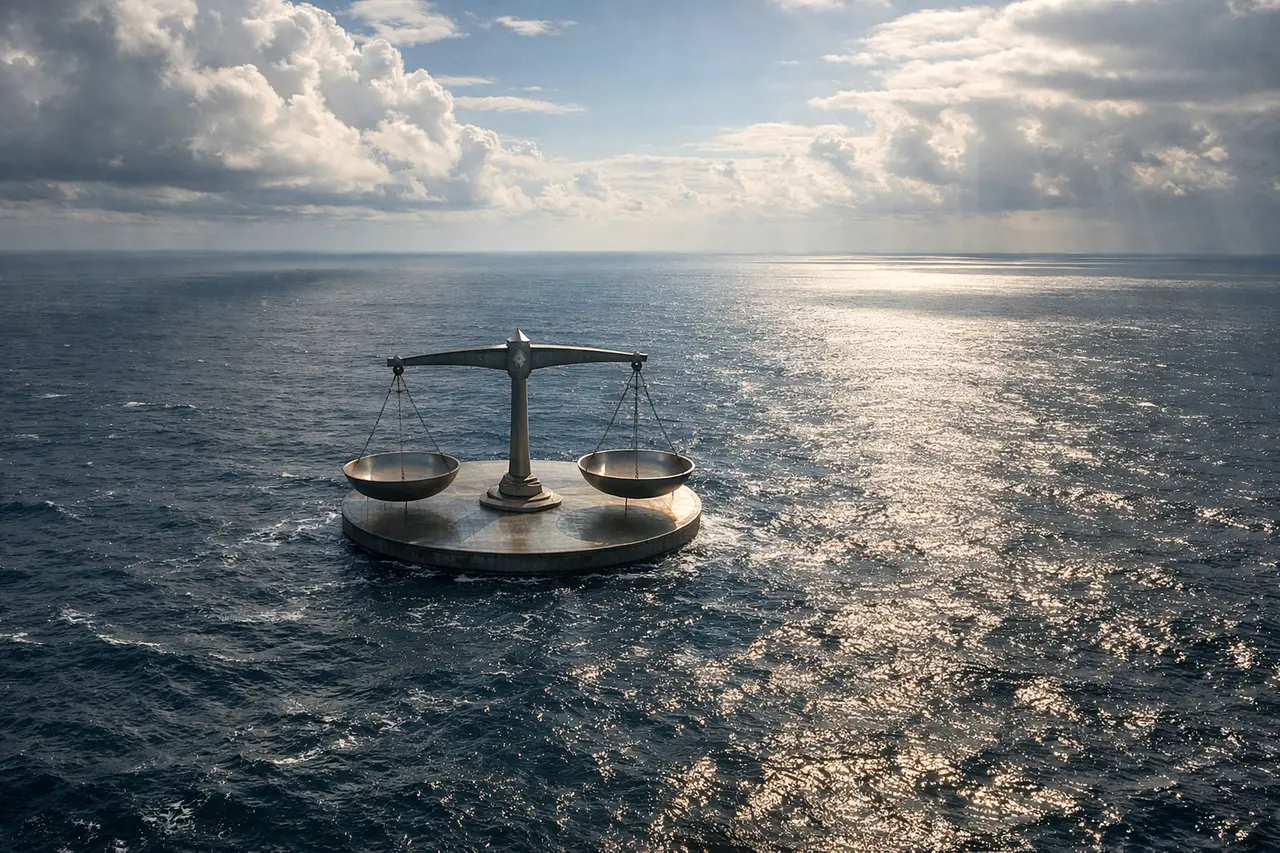
The ocean holds about 97 percent of Earth's water, so its total weight dominates the planet's surface water budget.
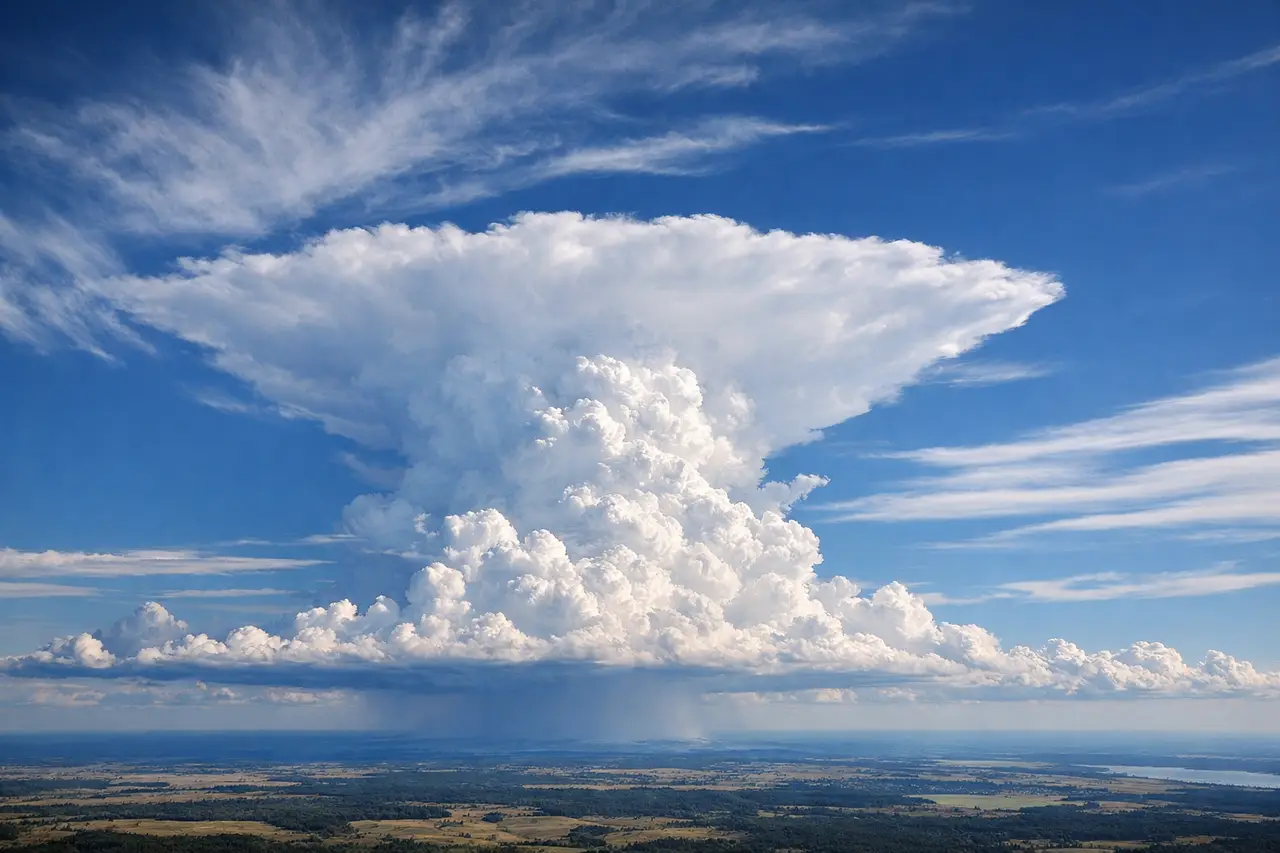
The sky itself is not a single object with one fixed weight, but if you mean the atmosphere that creates the visible sky, it weighs about 5.15 x 10^18 kilograms globally.
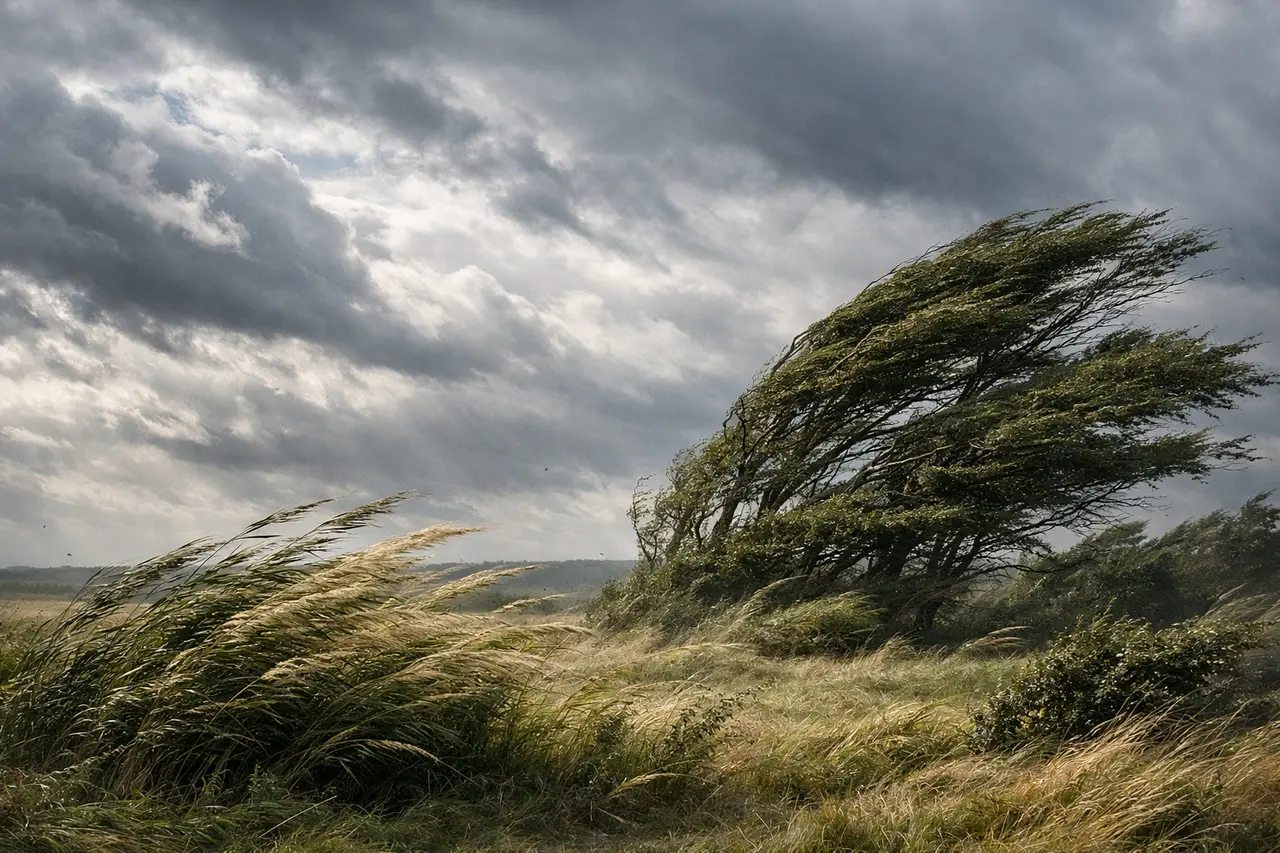
Wind weighs the same as air occupying the same volume.