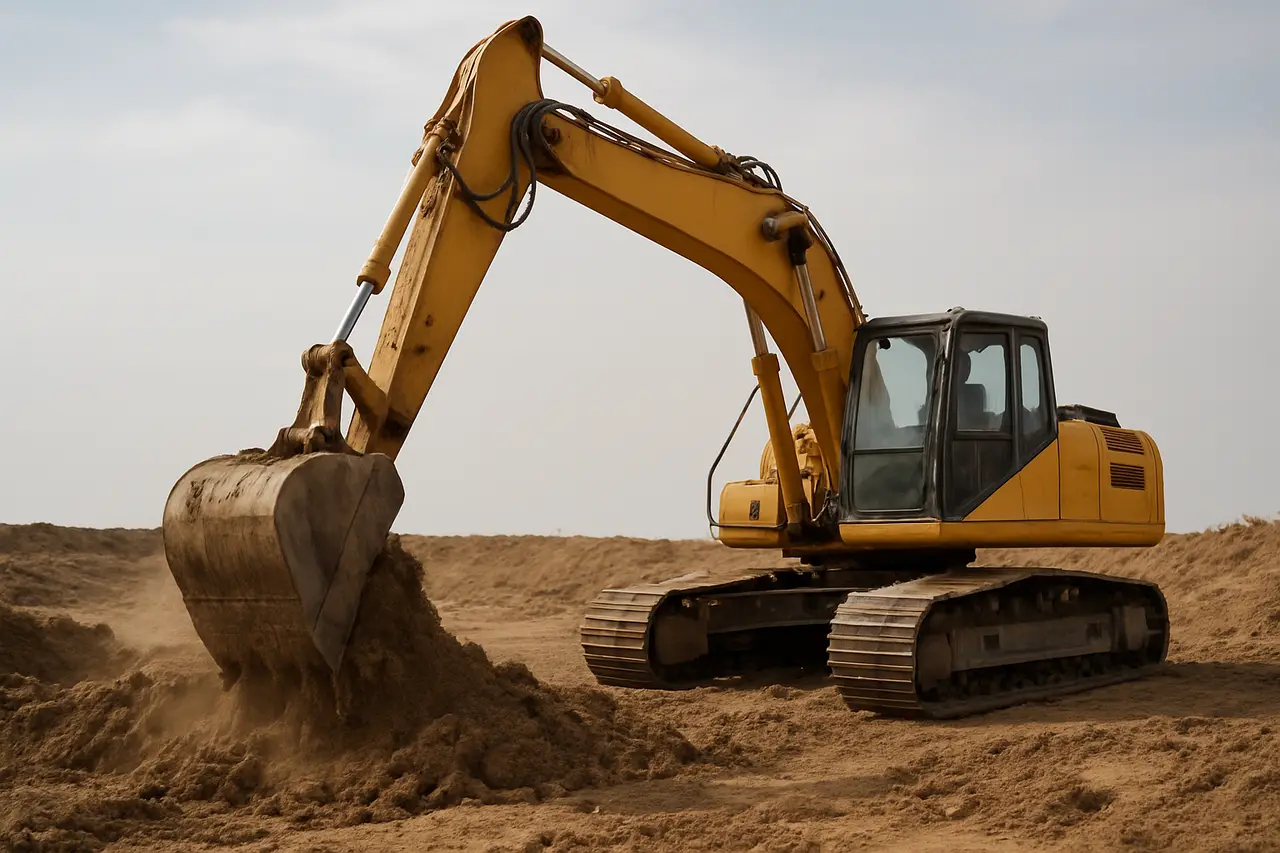
How Much Does a Backhoe Weigh?
A typical backhoe weighs between 6,000 and 18,000 pounds (2,700 to 8,200 kilograms), depending on the model and attachments.
Weight guides and references collected under Auto.
A typical backhoe weighs between 6,000 and 18,000 pounds (2,700 to 8,200 kilograms), depending on the model and attachments.
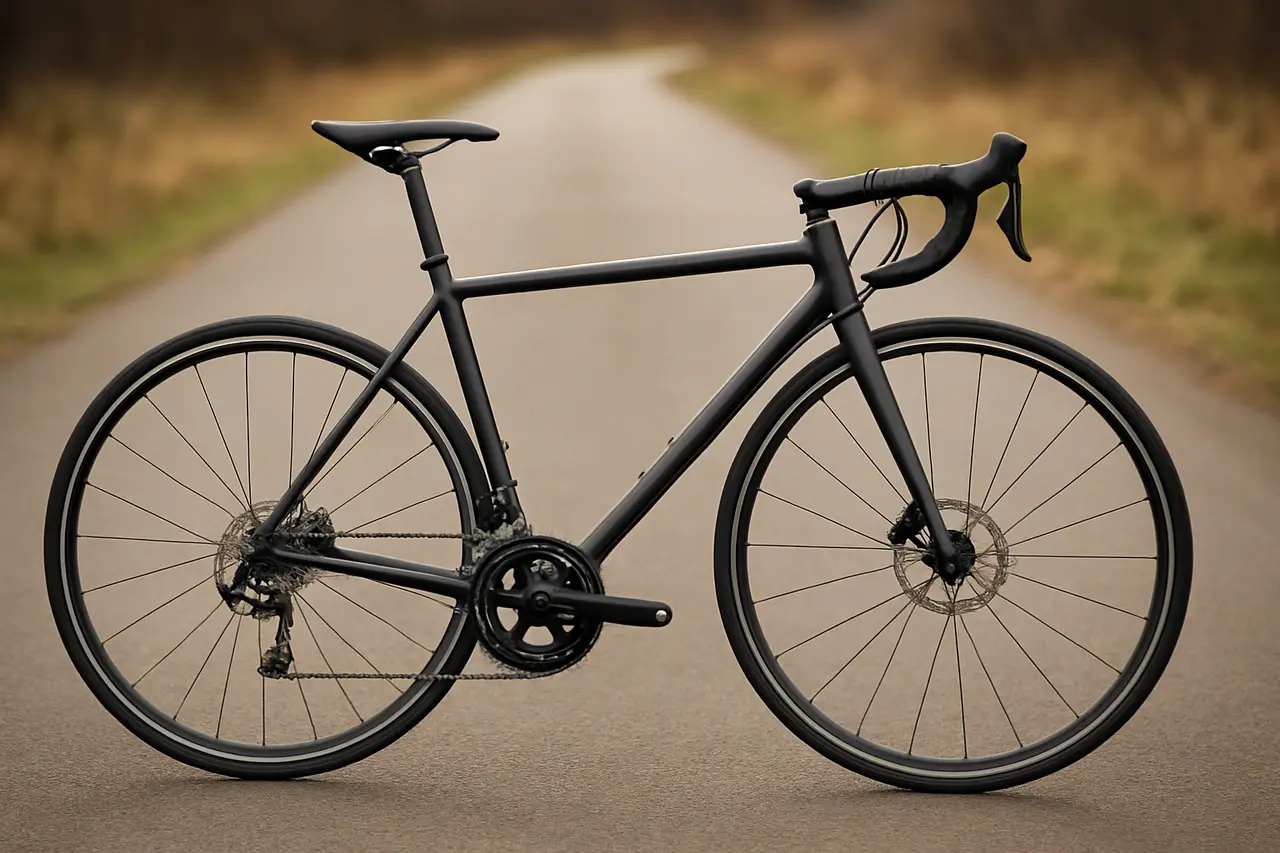
The weight of a bicycle can vary widely depending on its type and materials, with racing bikes often weighing less than 7 kg (15 lbs).
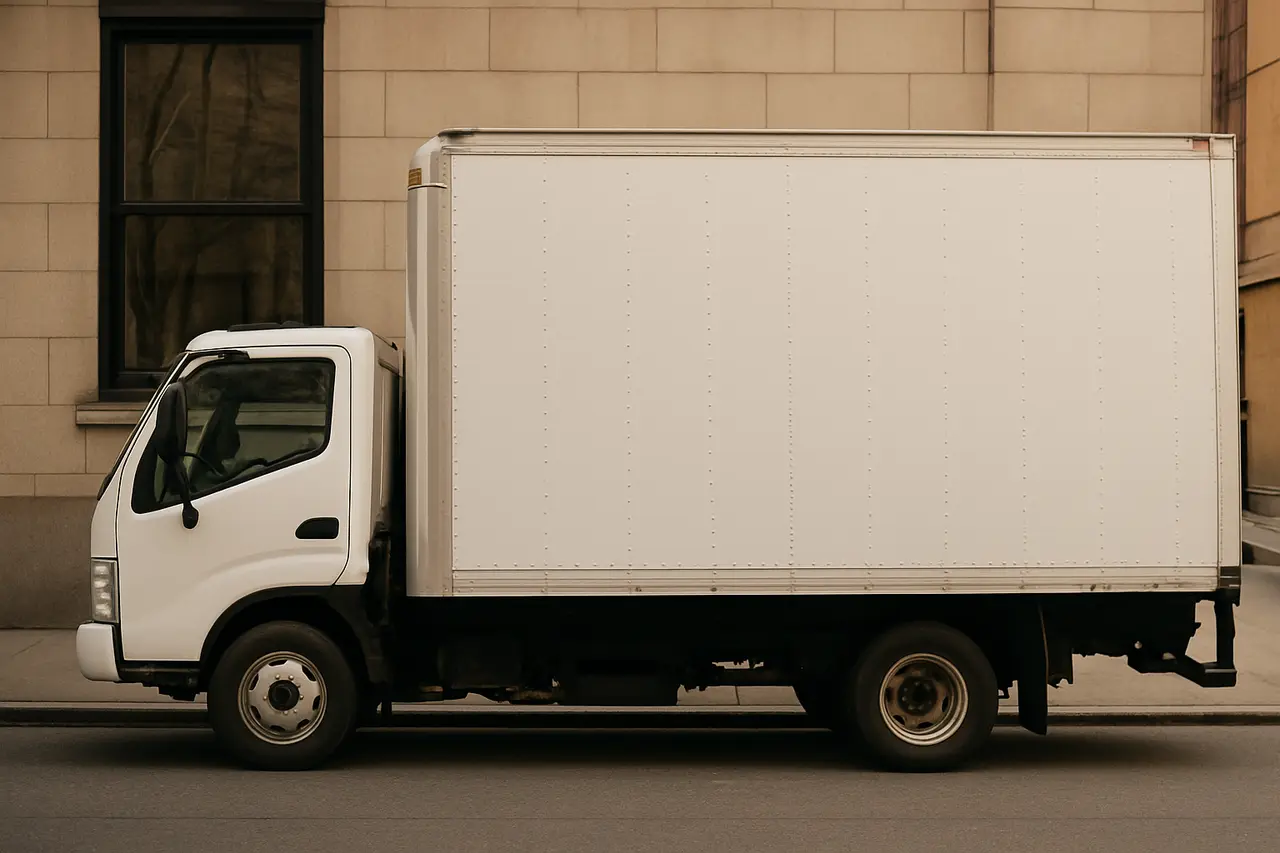
A typical box truck weighs between 10,000 and 26,000 pounds (4,500 to 11,800 kilograms) depending on its size and load capacity.
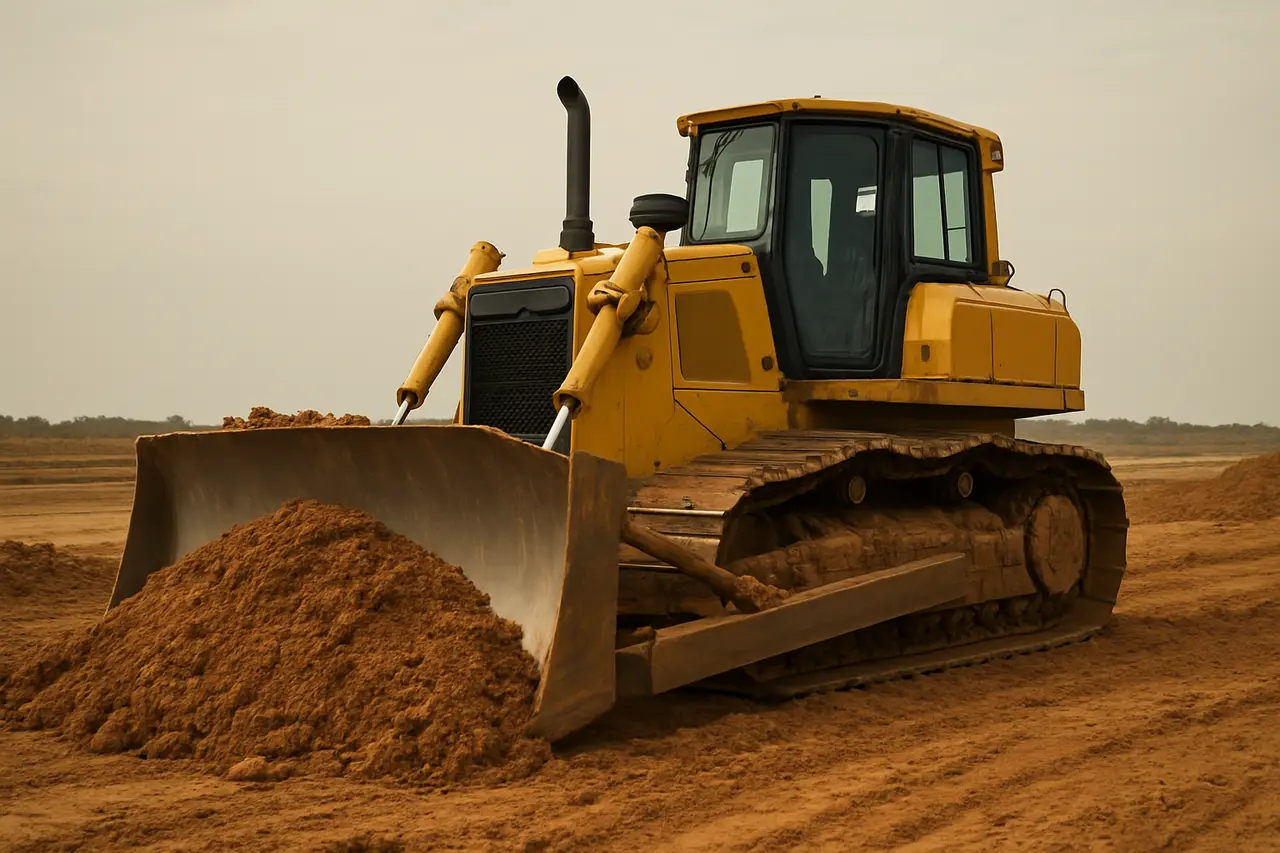
A typical bulldozer weighs between 8,000 and 50,000 kilograms (approximately 18,000 to 110,000 pounds), depending on its size and model.
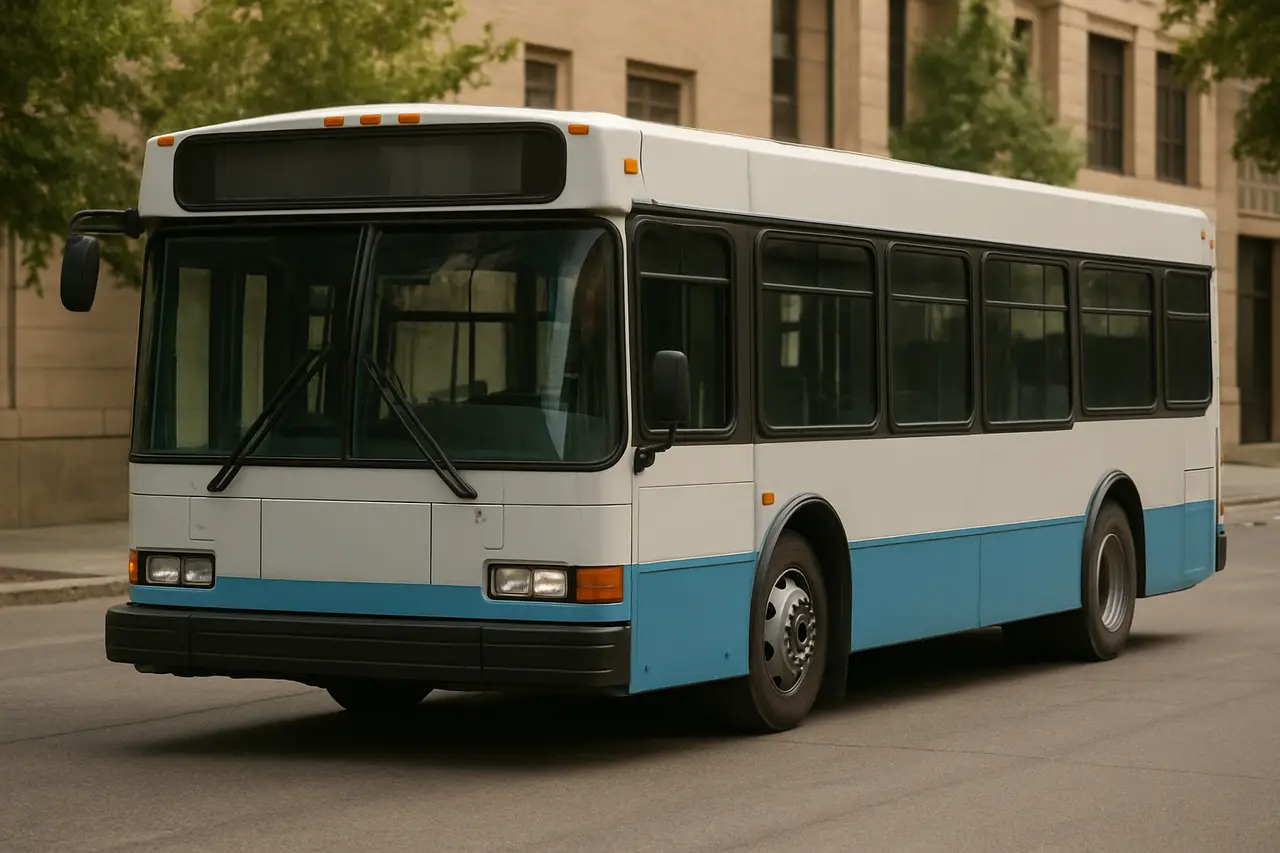
The weight of a bus can vary greatly depending on its type and purpose, with some articulated buses weighing over 30,000 kilograms.
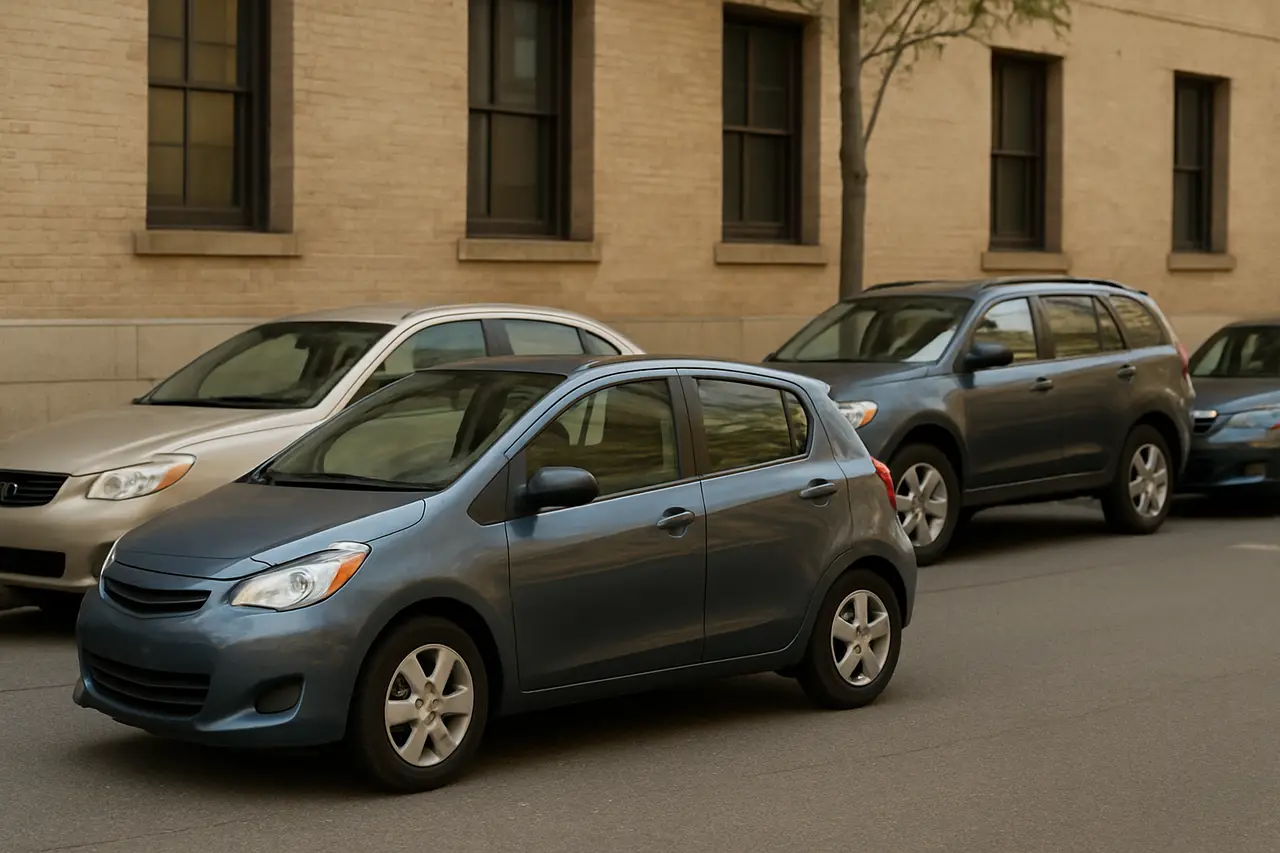
Most cars weigh between 1,200 kg (2,645 lbs) and 2,000 kg (4,409 lbs), with compact cars on the lighter end and larger SUVs or trucks on the heavier side.
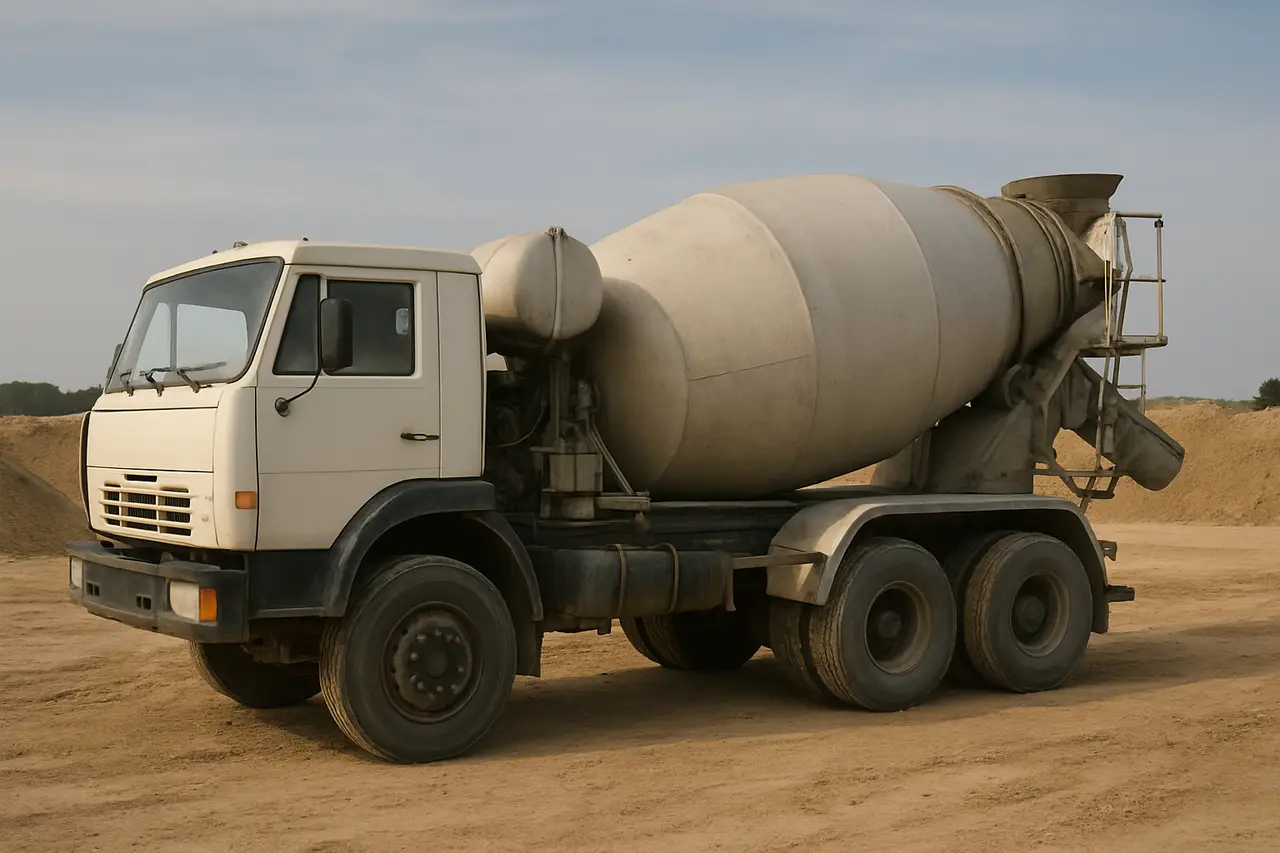
A typical cement truck weighs about 13,000 to 16,000 kilograms (28,660 to 35,270 pounds) when empty.
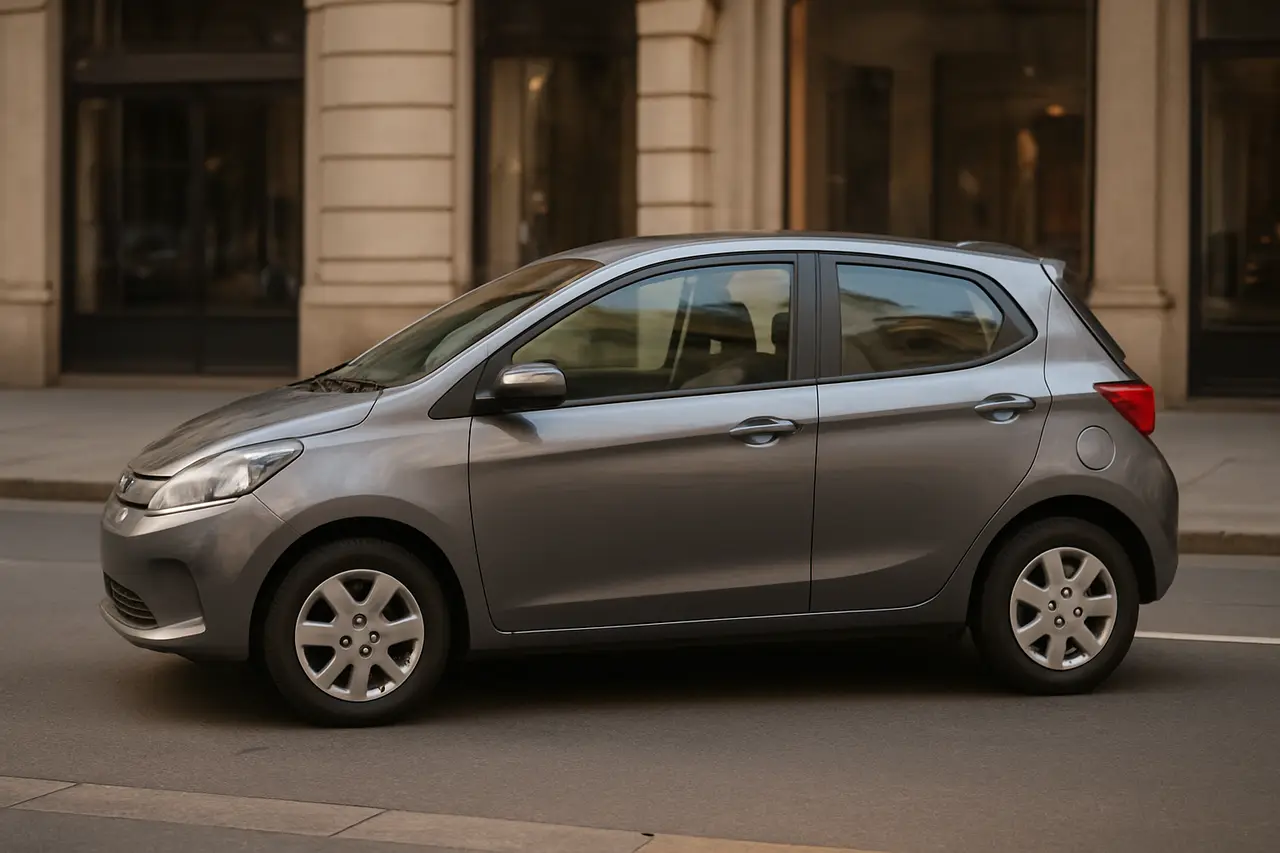
Compact cars typically weigh between 1,100 and 1,400 kg (2,425 to 3,086 lbs).
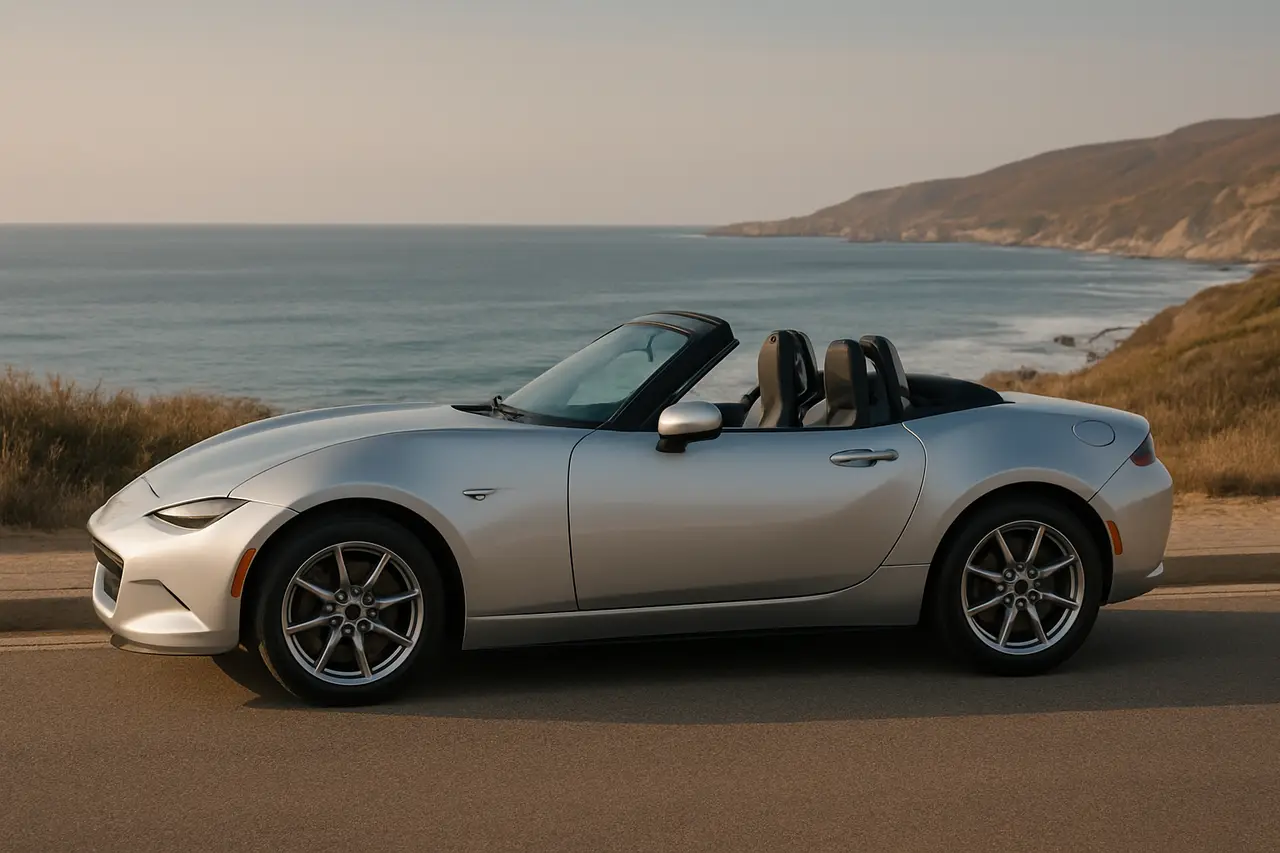
Most convertibles weigh between 1,400 and 1,800 kilograms (3,090 to 3,970 pounds), depending on size and features.
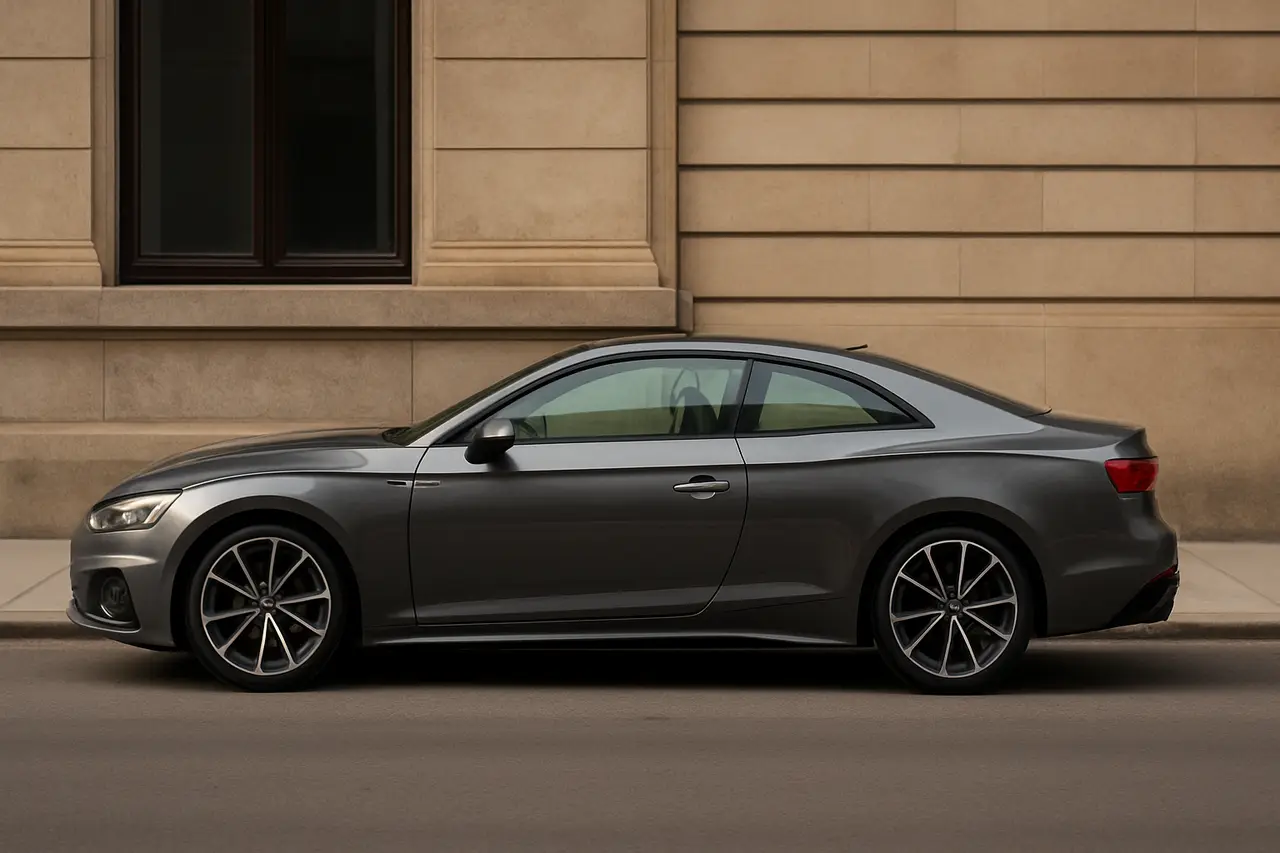
A typical coupe weighs between 1,300 and 1,700 kilograms (2,870 to 3,750 pounds), depending on the make and model.

Some of the largest cranes can weigh as much as a fully loaded Boeing 747 airplane.
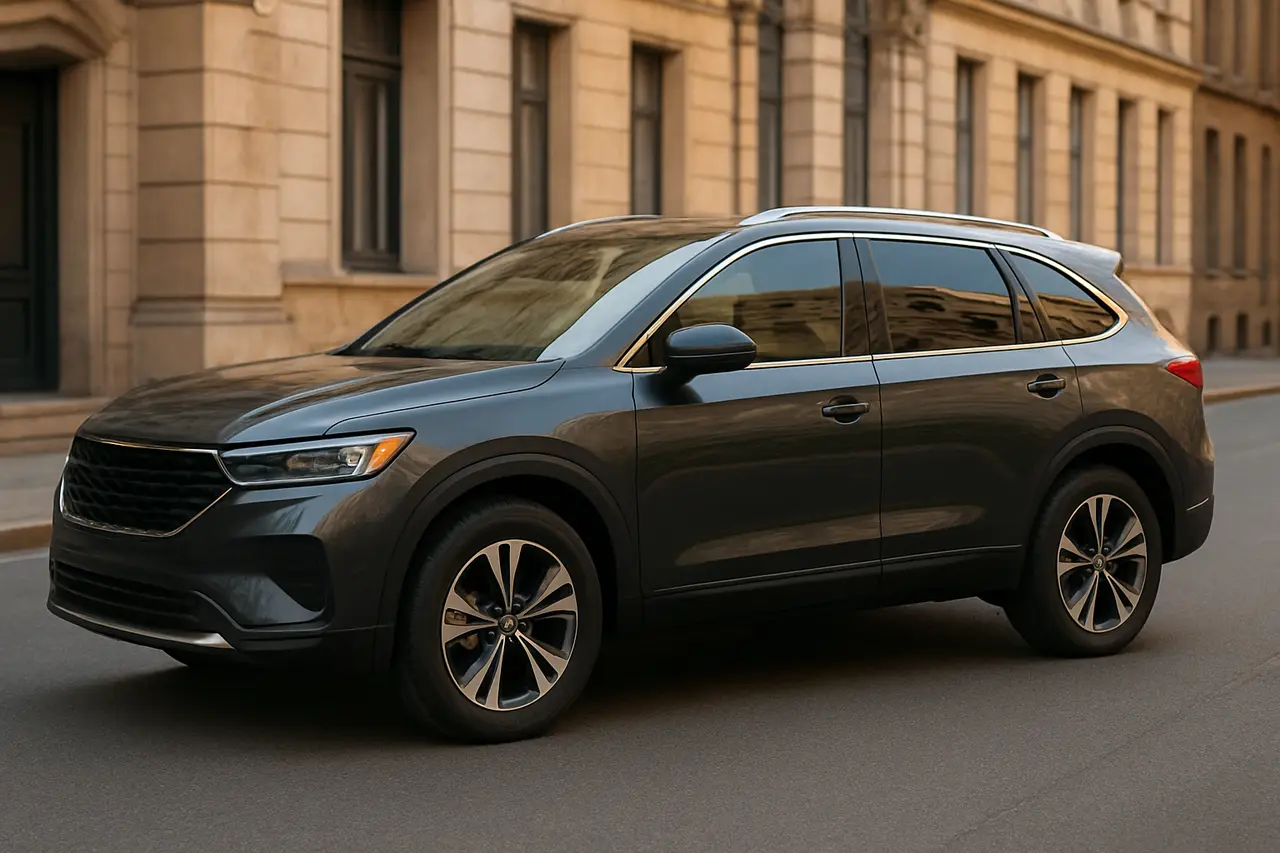
Crossovers typically weigh between 3,000 and 4,200 pounds (1,360 to 1,900 kilograms).
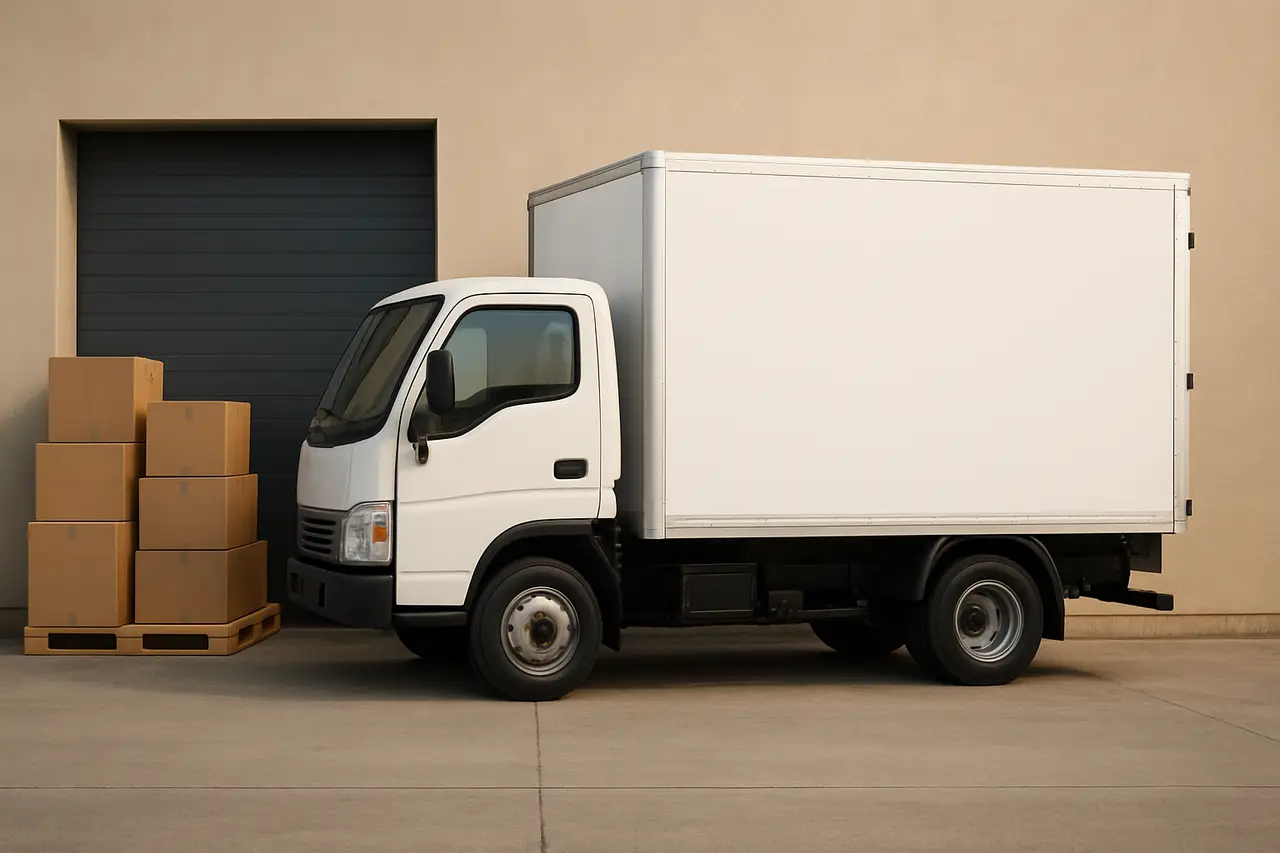
A typical delivery truck weighs between 3,500 and 15,000 kilograms (7,700 to 33,000 pounds) when empty.
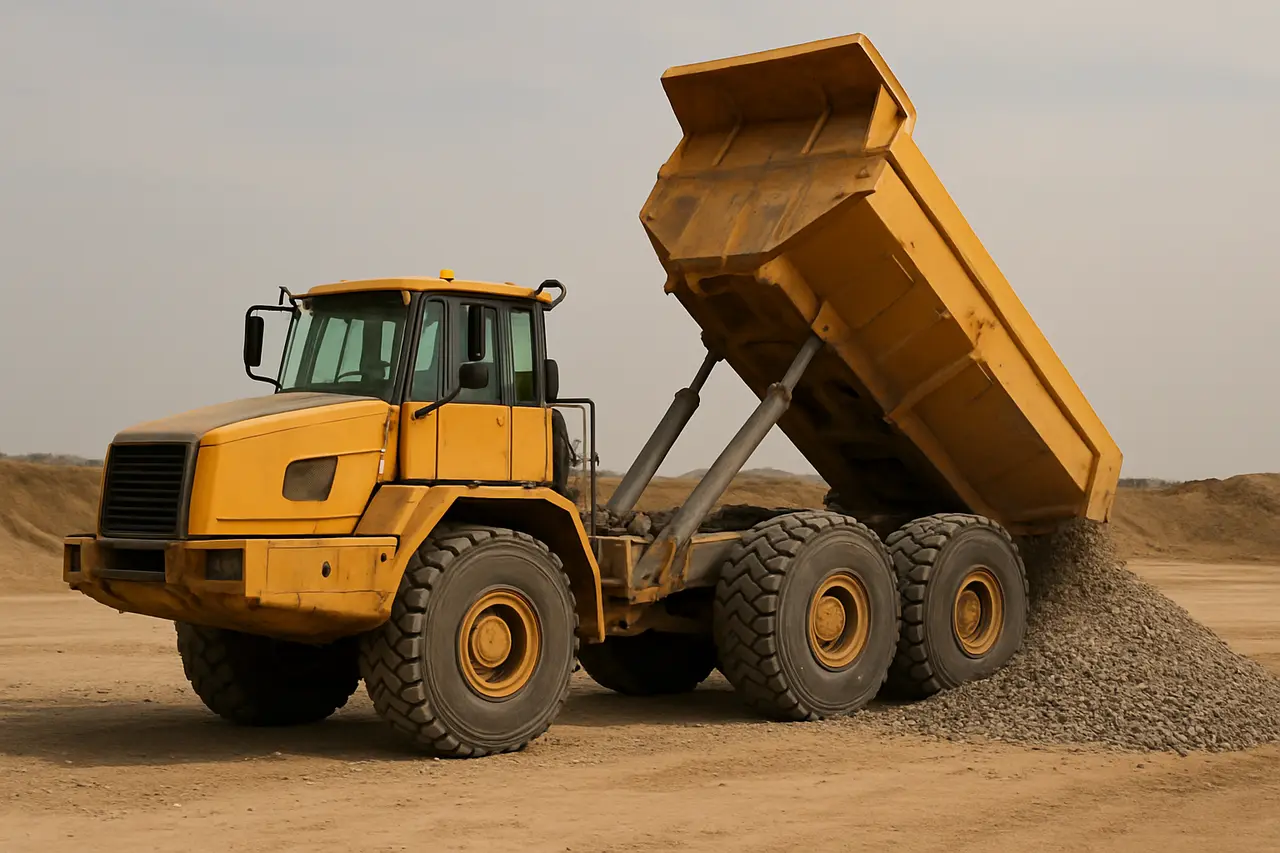
A typical dump truck weighs between 13,000 and 33,000 kilograms (28,660 to 72,750 pounds) when empty.
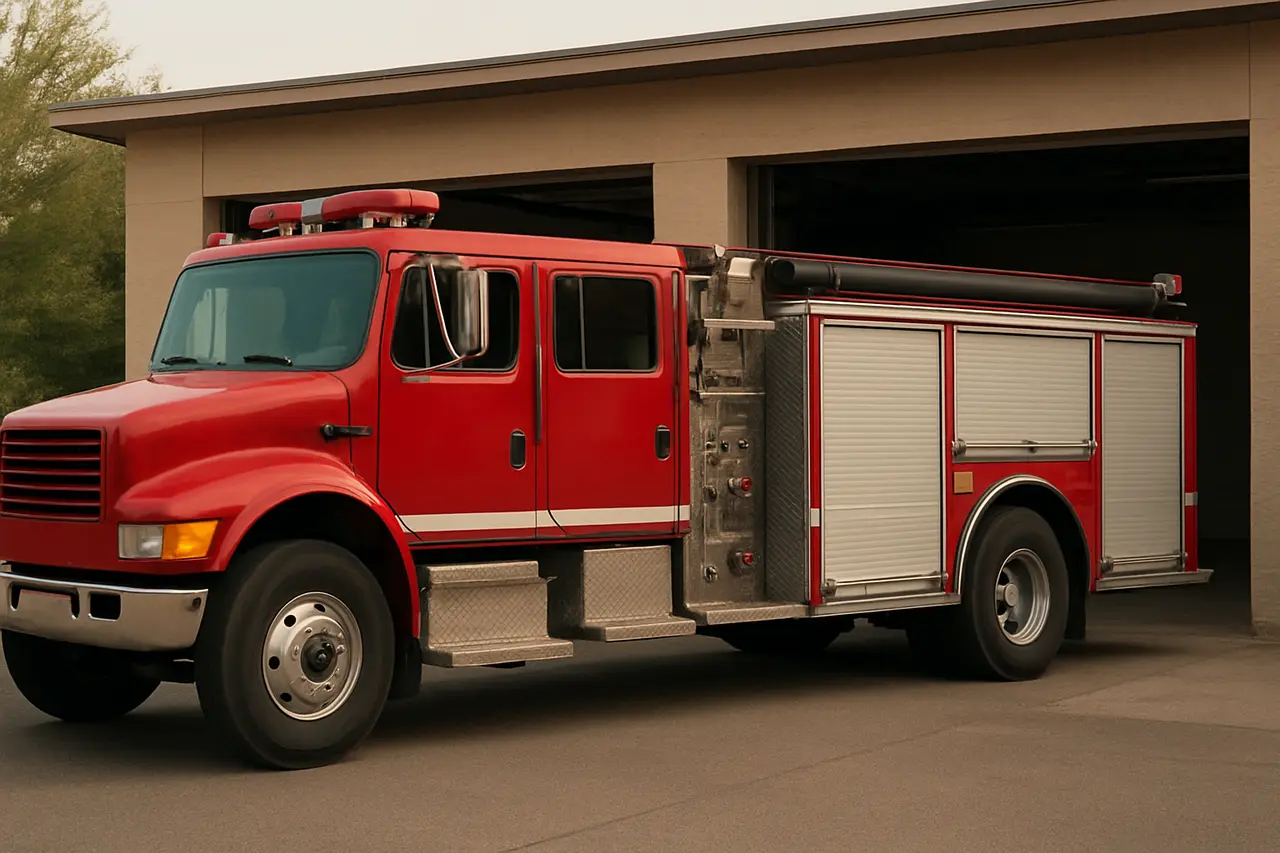
A typical fire truck weighs between 15,000 and 30,000 pounds (6,800 to 13,600 kilograms), depending on its type and equipment.
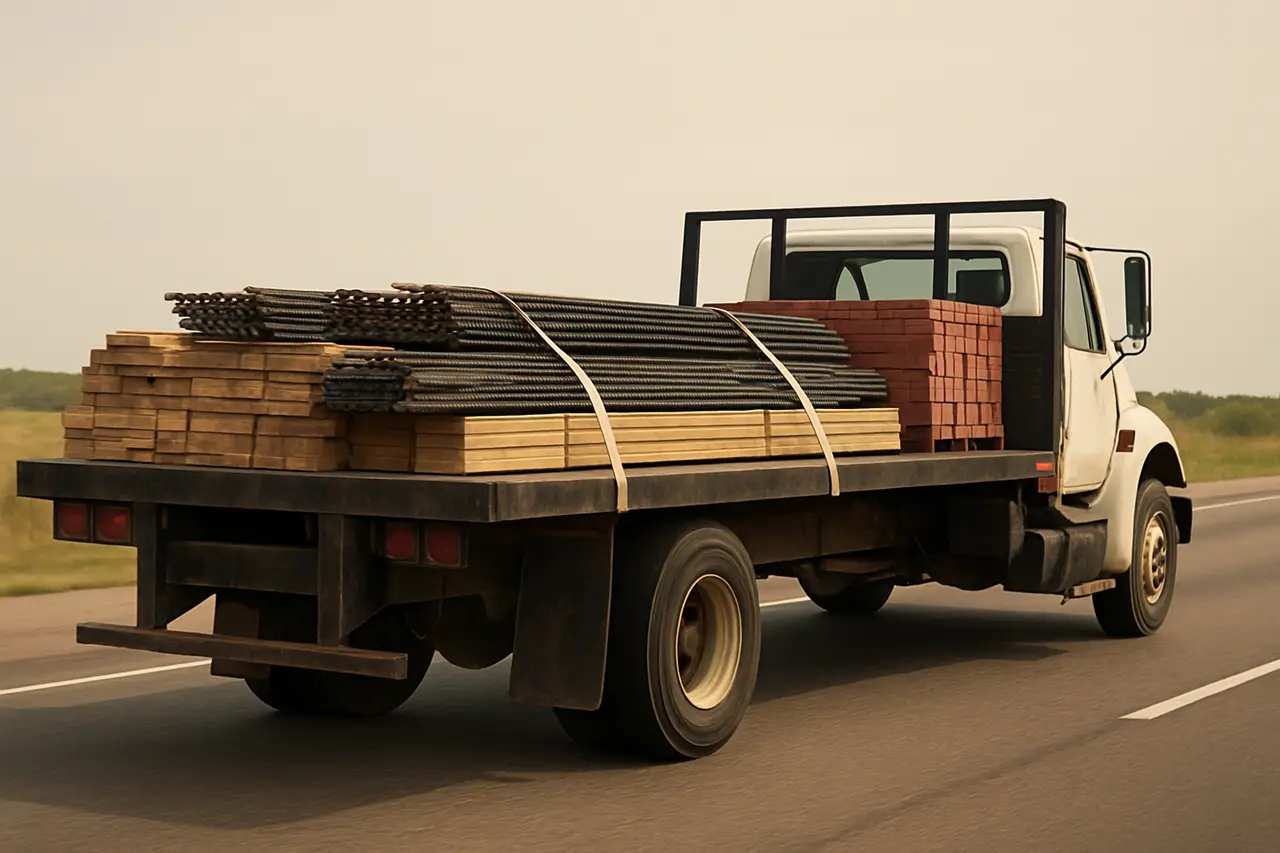
A typical flatbed truck weighs between 15,000 and 33,000 pounds (6,800 to 15,000 kilograms) when empty, depending on its size and build.
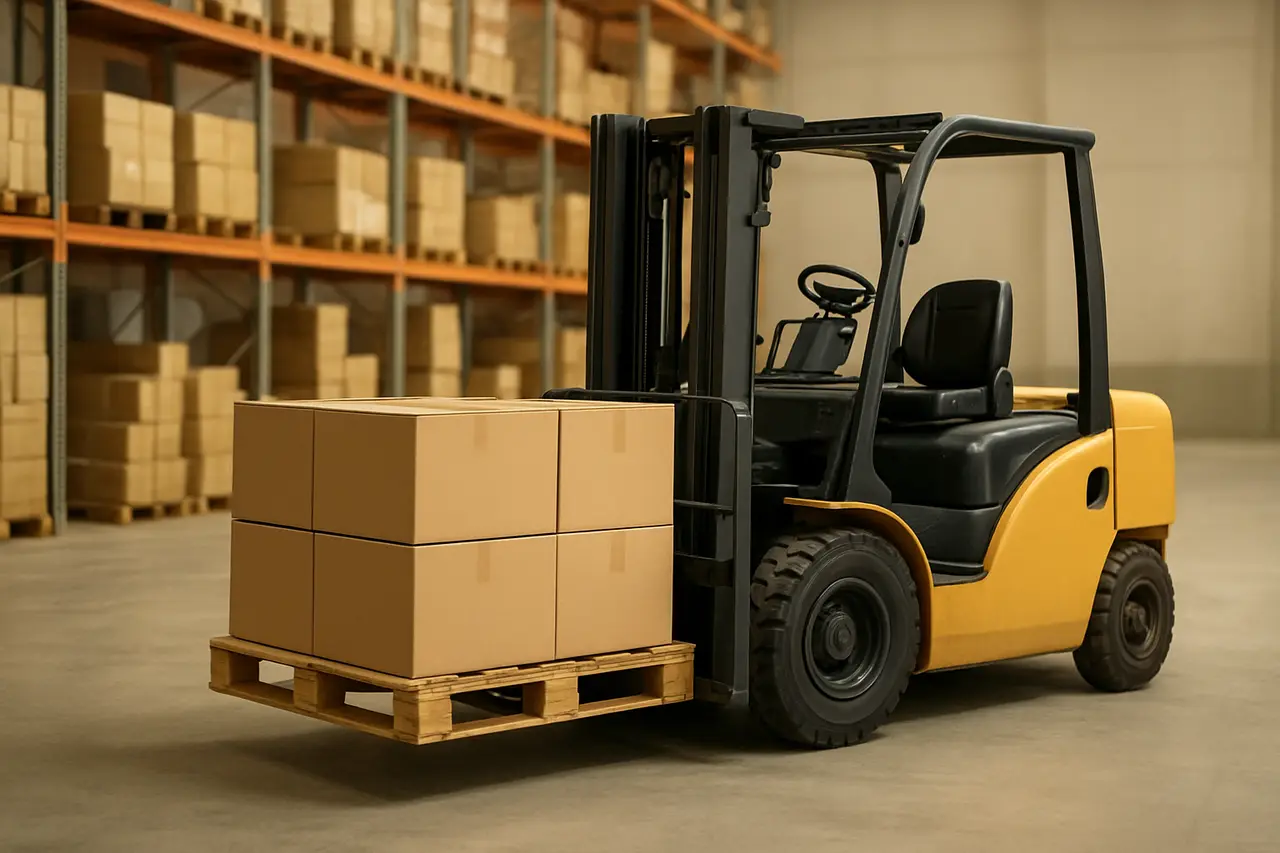
A typical forklift weighs between 3,000 and 9,000 pounds (1,360 to 4,080 kilograms), with smaller electric forklifts on the lighter end and large diesel-powered forklifts on the he
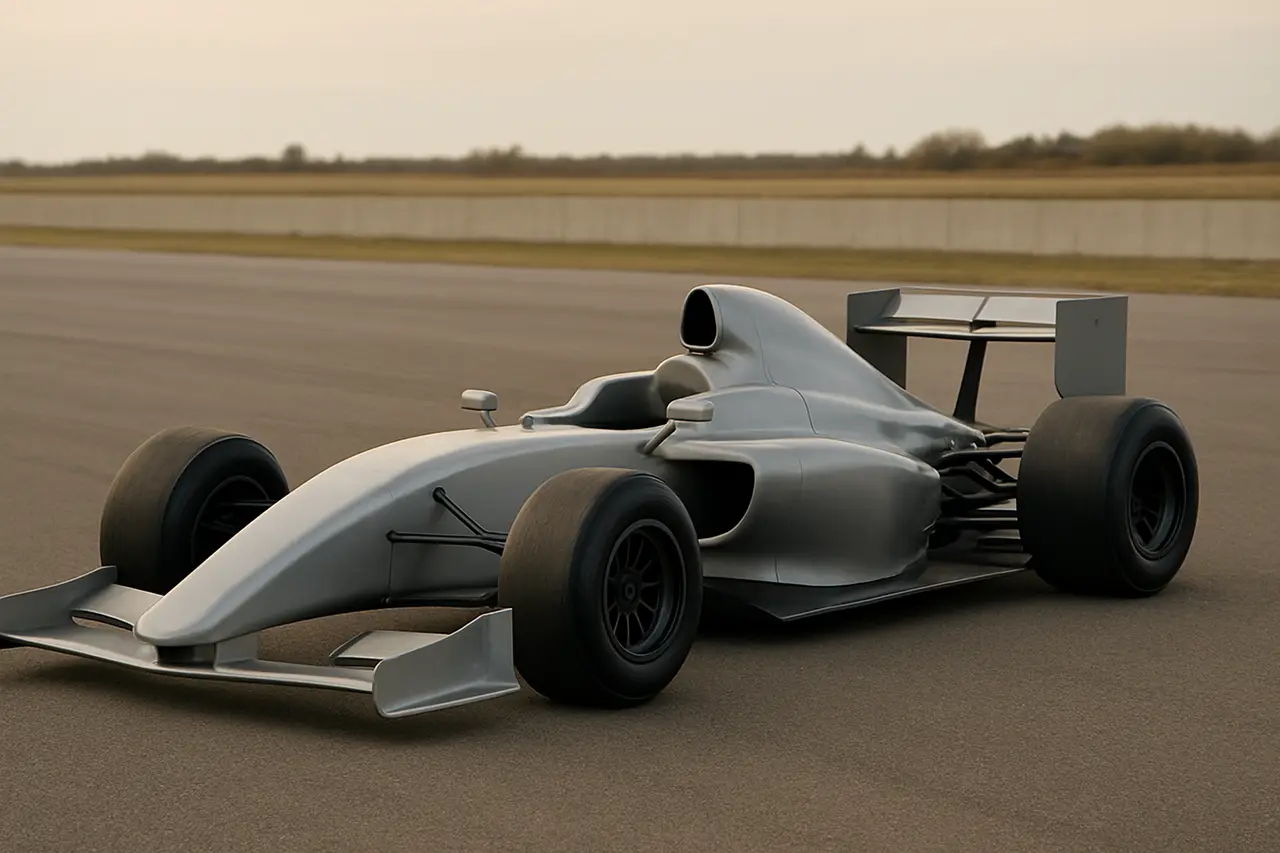
Formula 1 cars have strict minimum weight regulations to ensure safety and competitive balance.
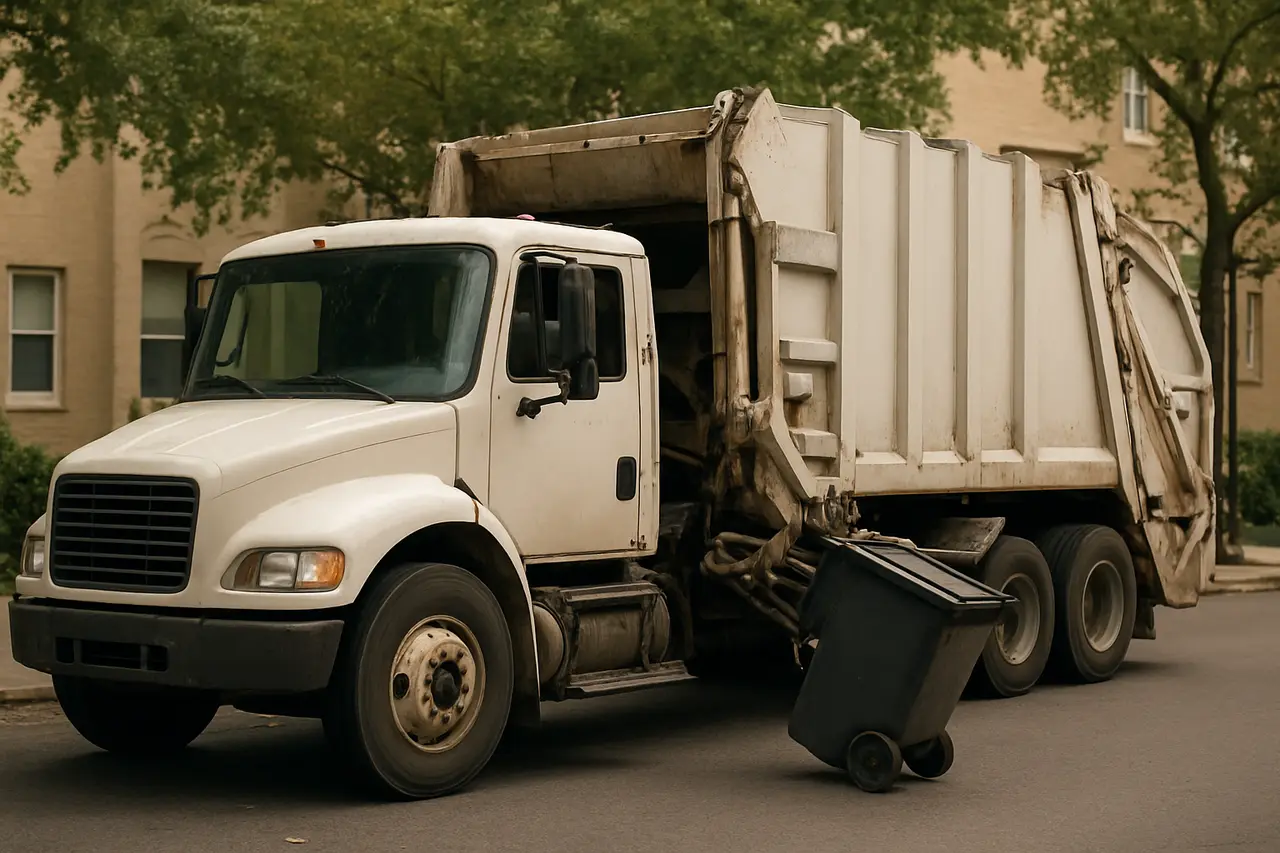
A typical garbage truck weighs between 15,000 and 33,000 pounds (6,800 to 15,000 kilograms) when empty.
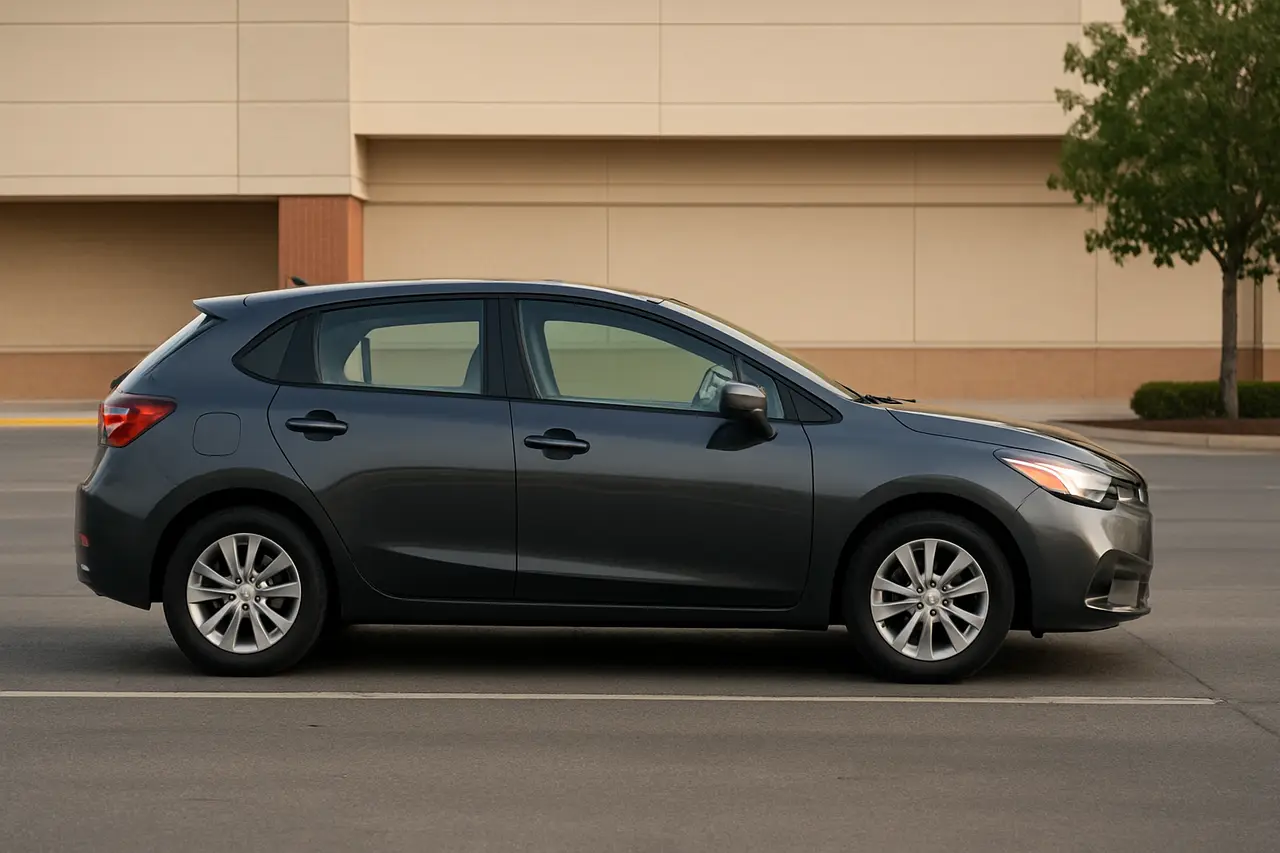
Hatchbacks usually weigh between 1,100 and 1,400 kg (2,425 to 3,086 lbs).
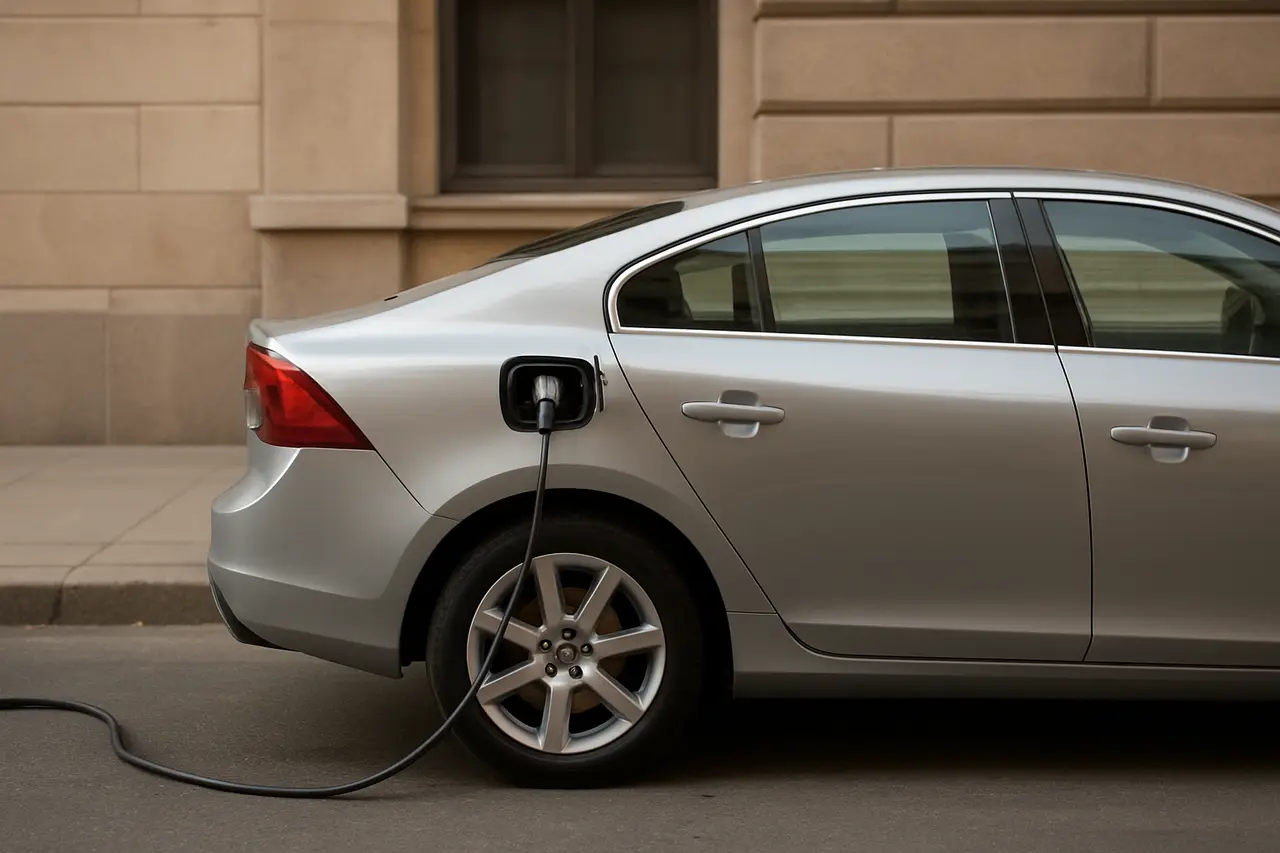
A typical hybrid car weighs between 3,000 and 4,000 pounds (1,360 to 1,815 kilograms), depending on the model and battery size.
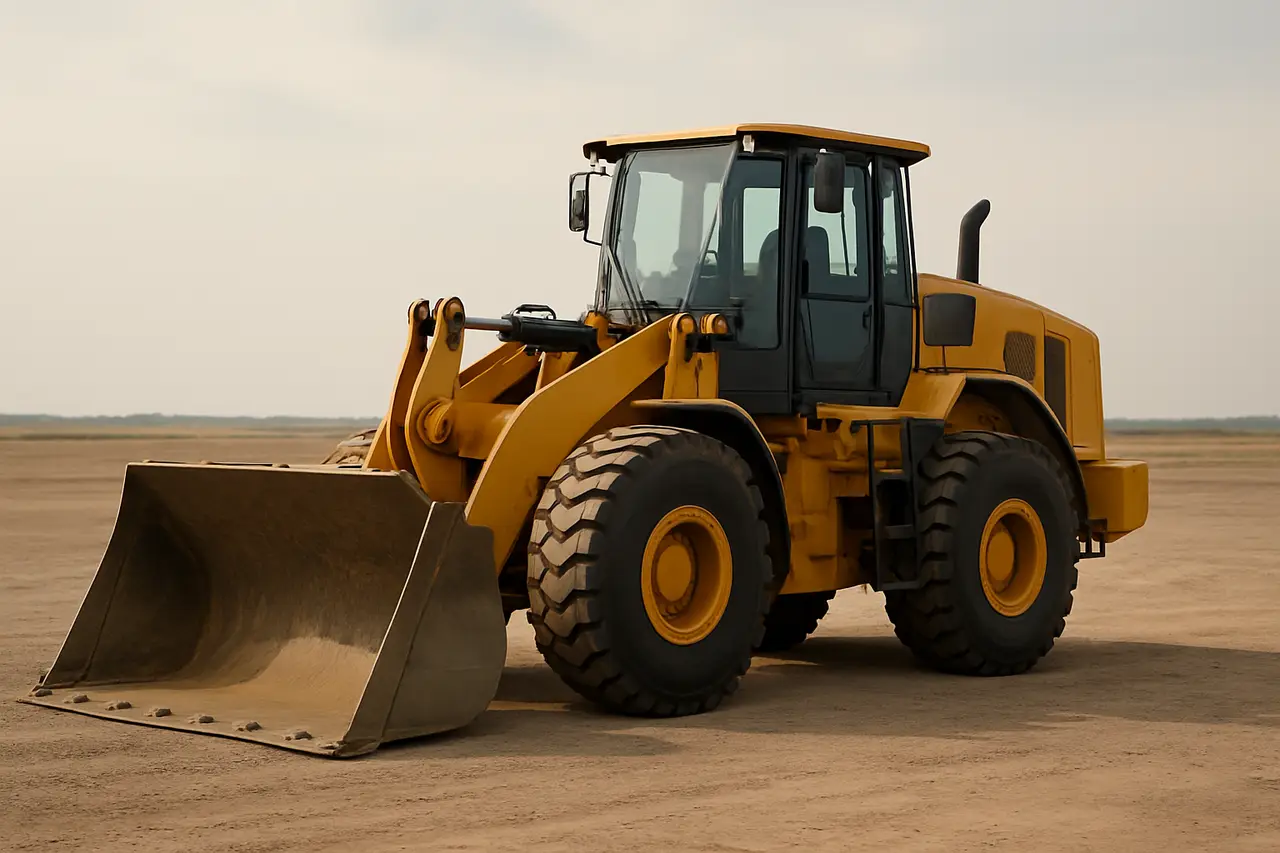
Loaders come in various sizes, from compact models weighing under 2,000 kg to large industrial machines exceeding 20,000 kg.
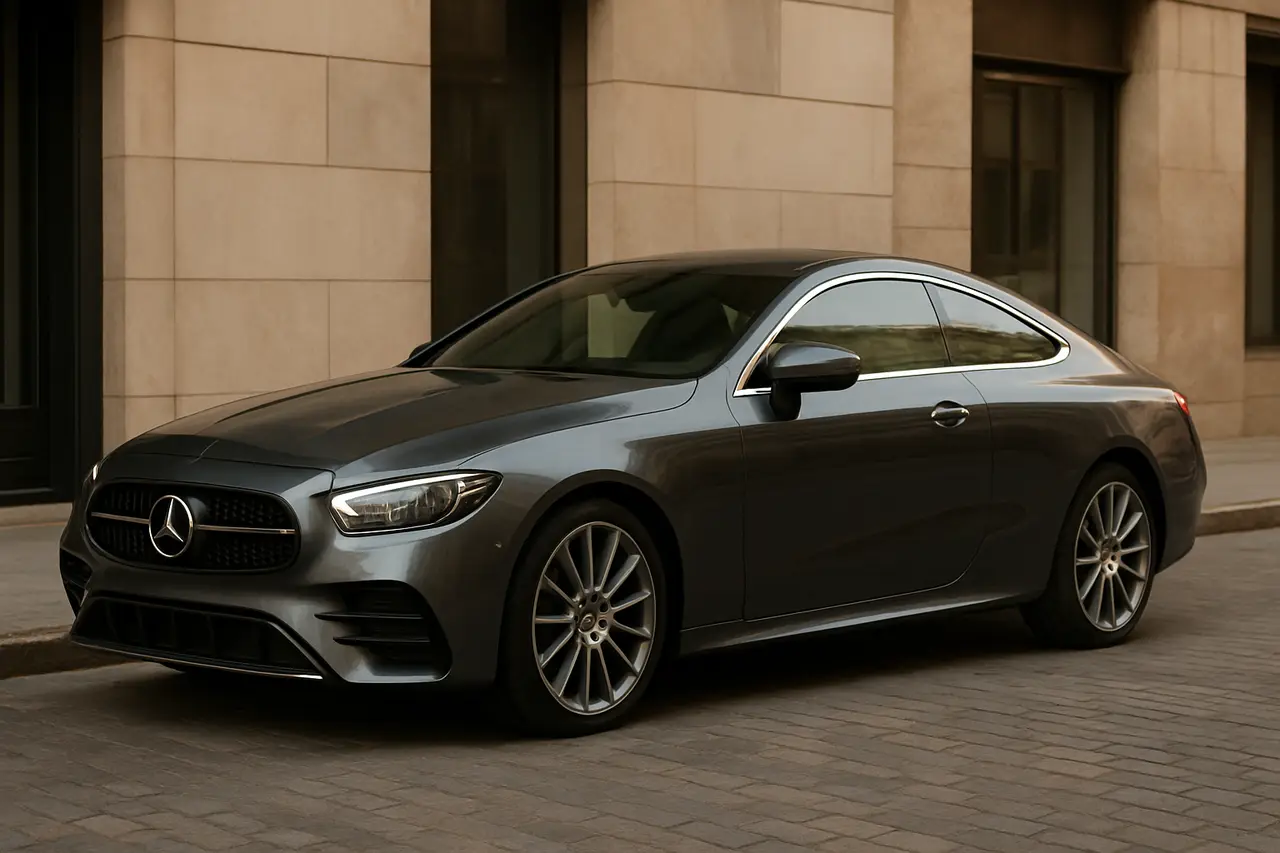
A typical luxury car weighs between 3,500 and 5,000 pounds (1,600 to 2,270 kilograms), depending on the model and equipment.
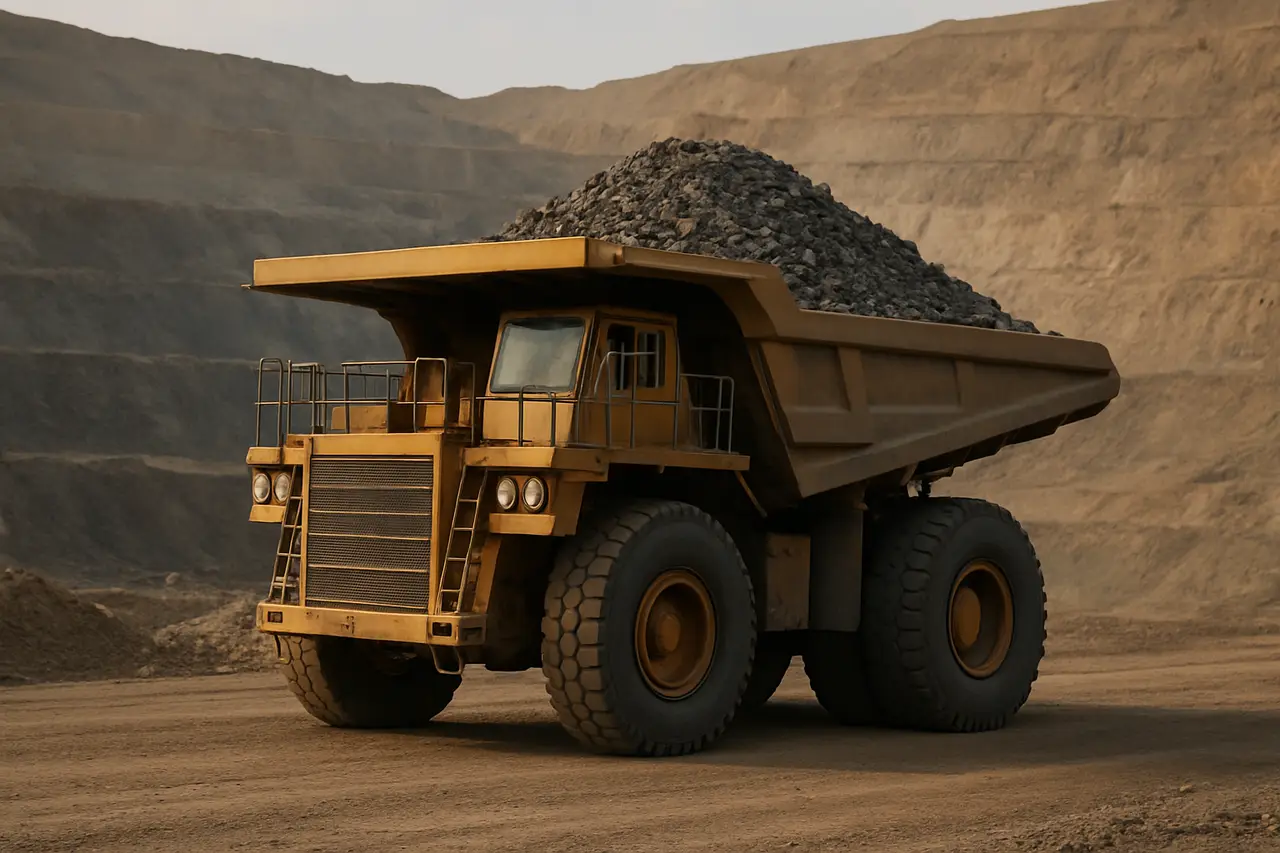
A typical large mining truck weighs between 100,000 and 400,000 pounds (45,000 to 180,000 kilograms) when empty.
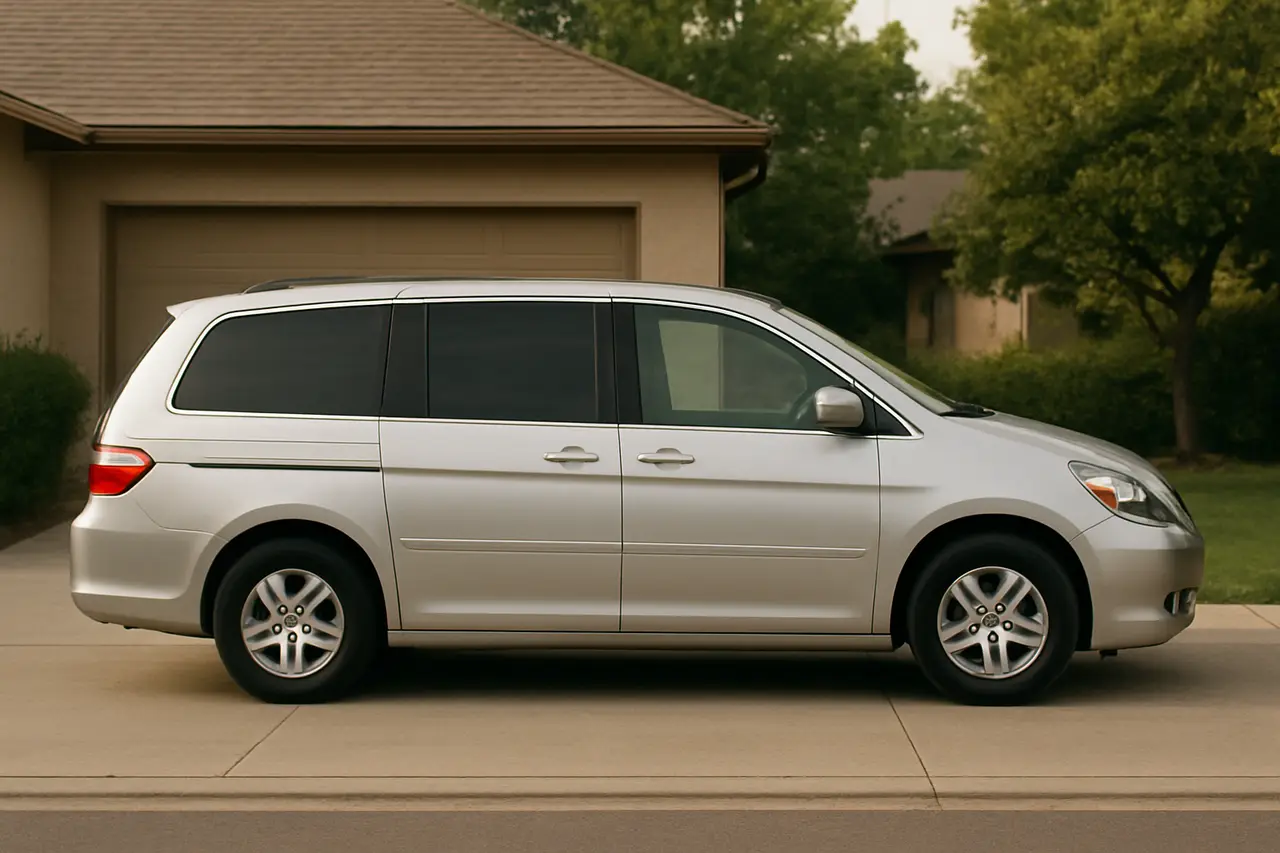
Most minivans weigh between 4,000 and 4,500 pounds (1,800 to 2,040 kilograms).
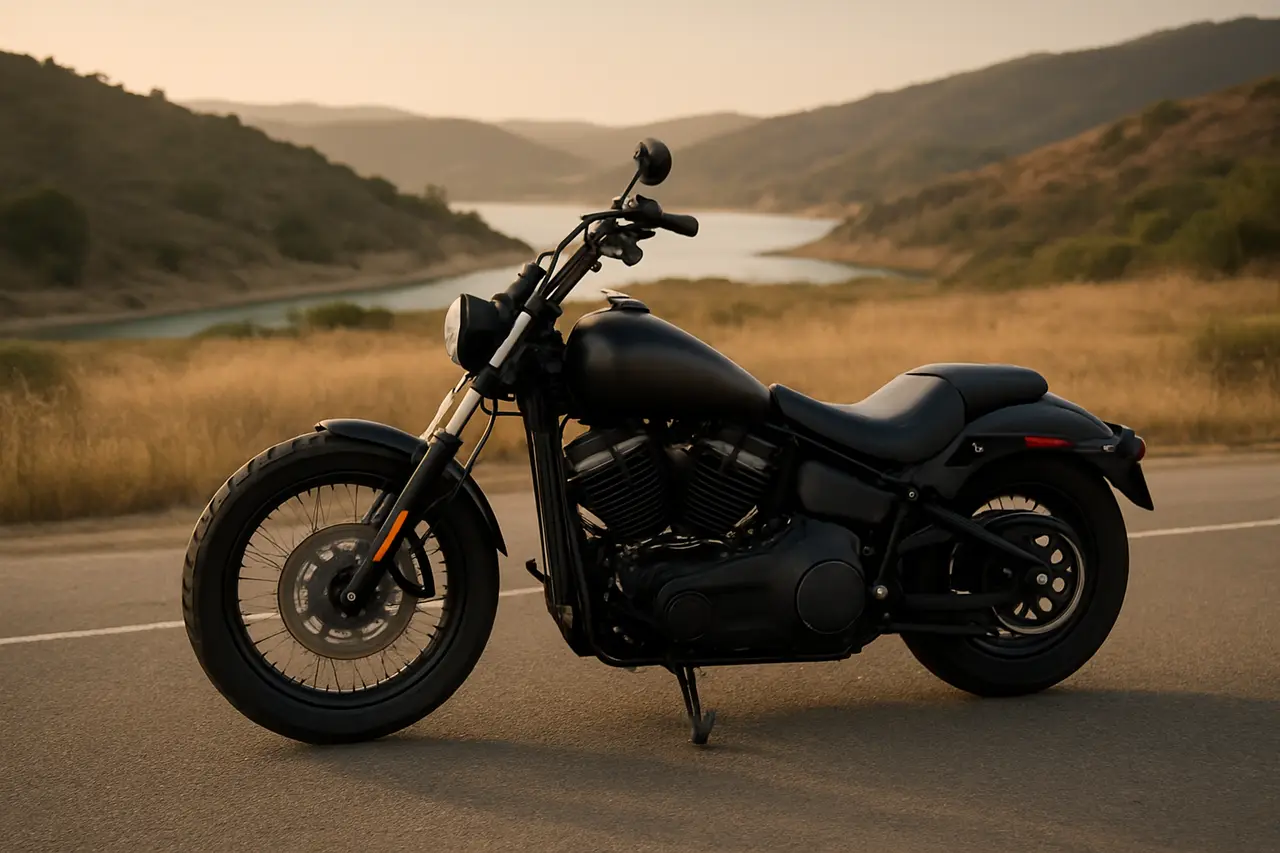
The weight of motorcycles can vary dramatically, from lightweight scooters under 100 kg to heavyweight cruisers exceeding 400 kg.
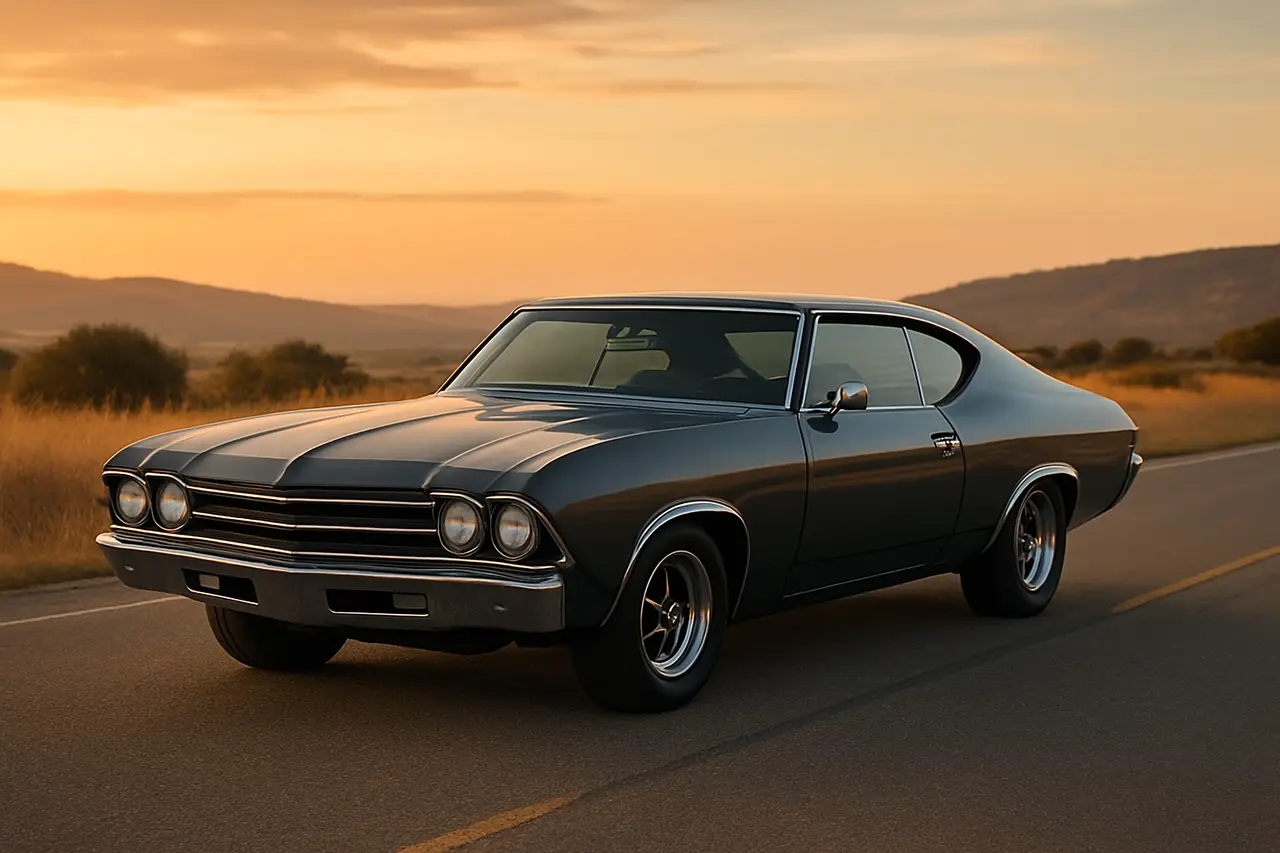
Muscle cars are known for their powerful engines and aggressive styling, often weighing more than typical sports cars due to their robust build and larger V8 engines.
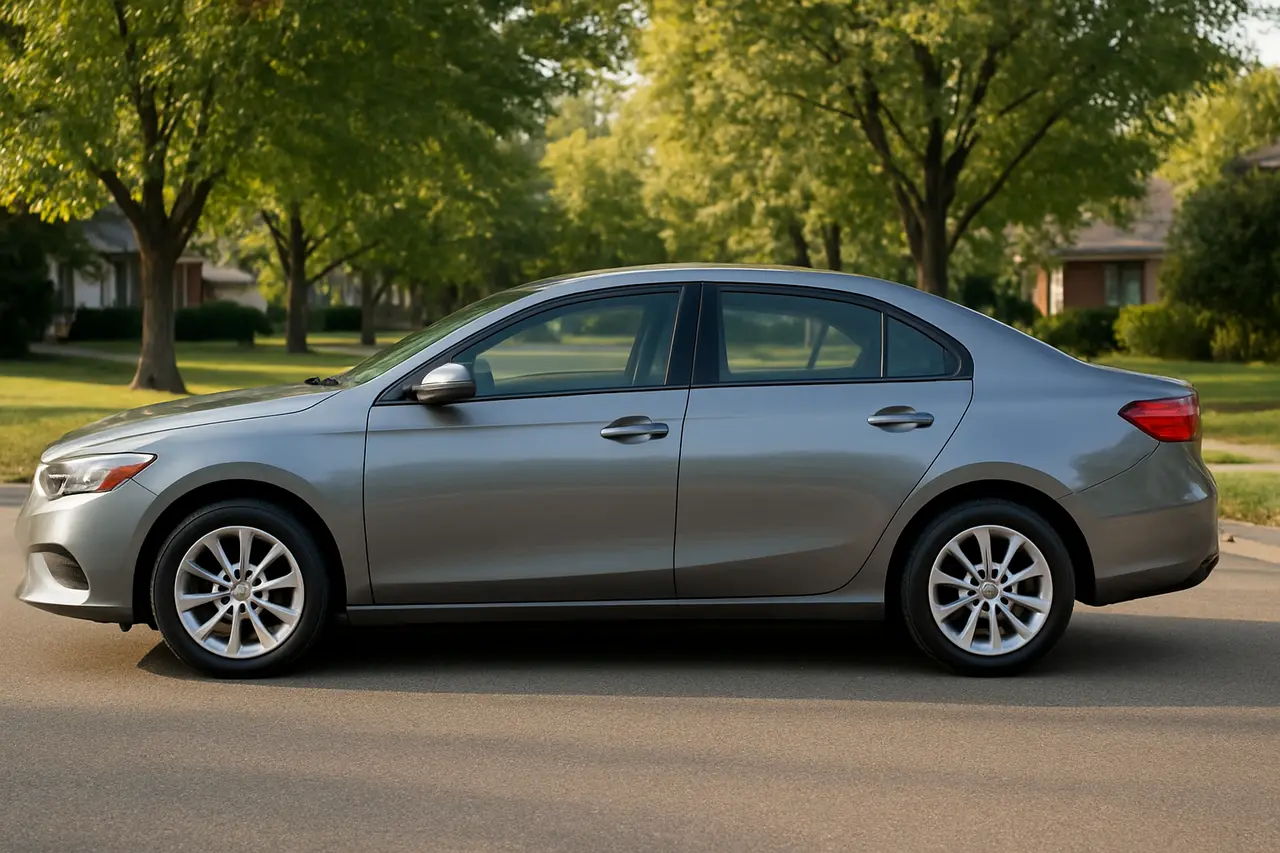
The average passenger car weighs around 1,300 to 1,800 kg (2,866 to 3,968 lbs), depending on size and features.
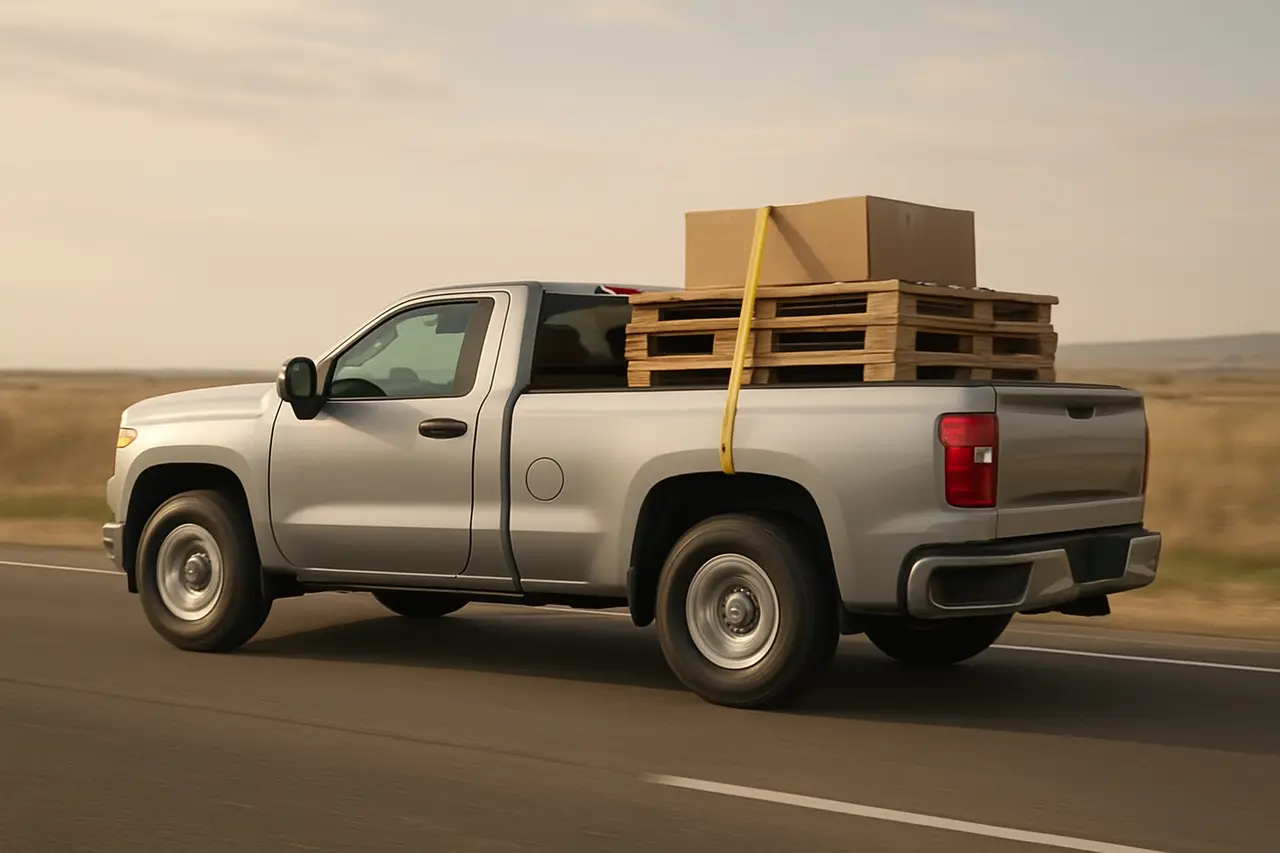
Light-duty pickups weigh between 4,000 and 5,500 pounds (1,800 to 2,500 kilograms), while heavy-duty models can exceed 7,000 pounds (3,200 kilograms).
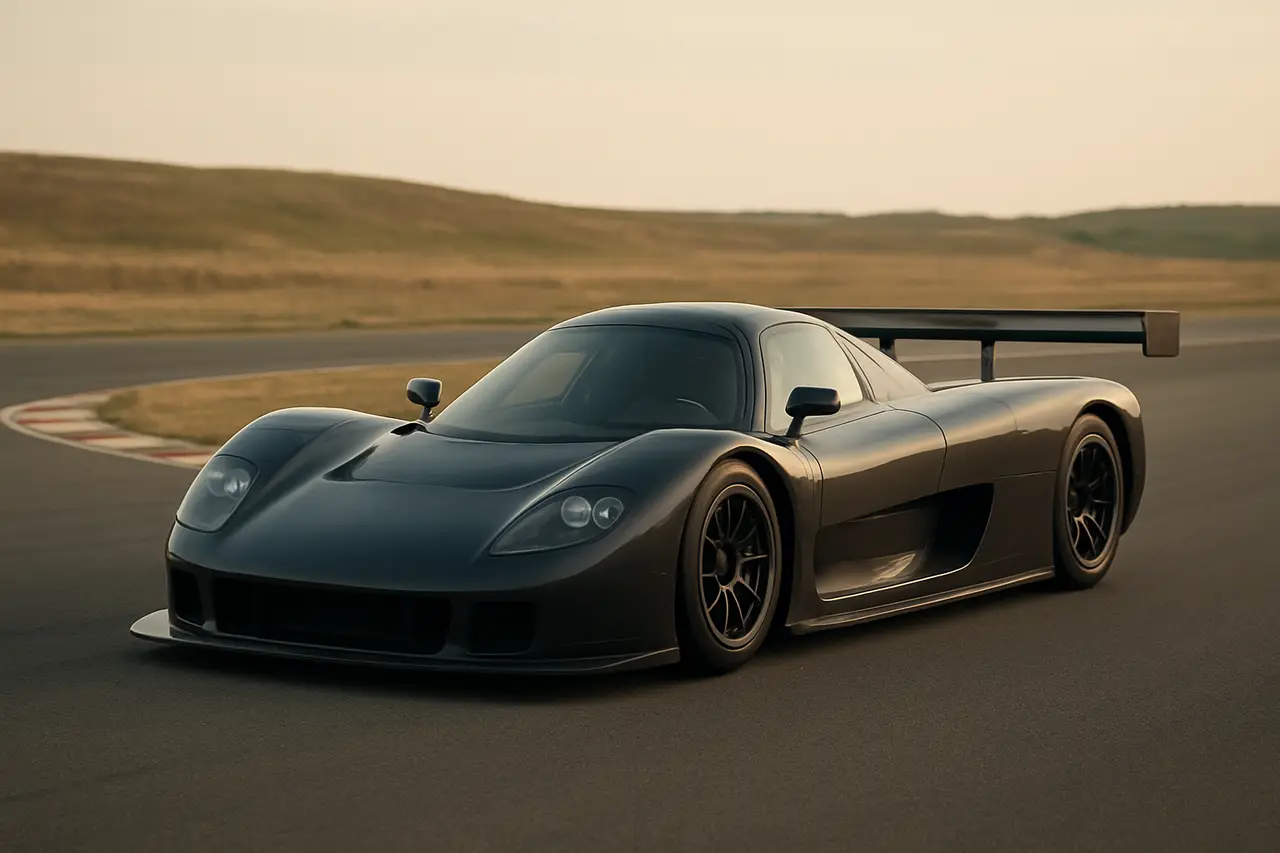
A typical race car weighs between 1,200 and 1,600 pounds (540 to 730 kilograms), depending on the racing series and regulations.
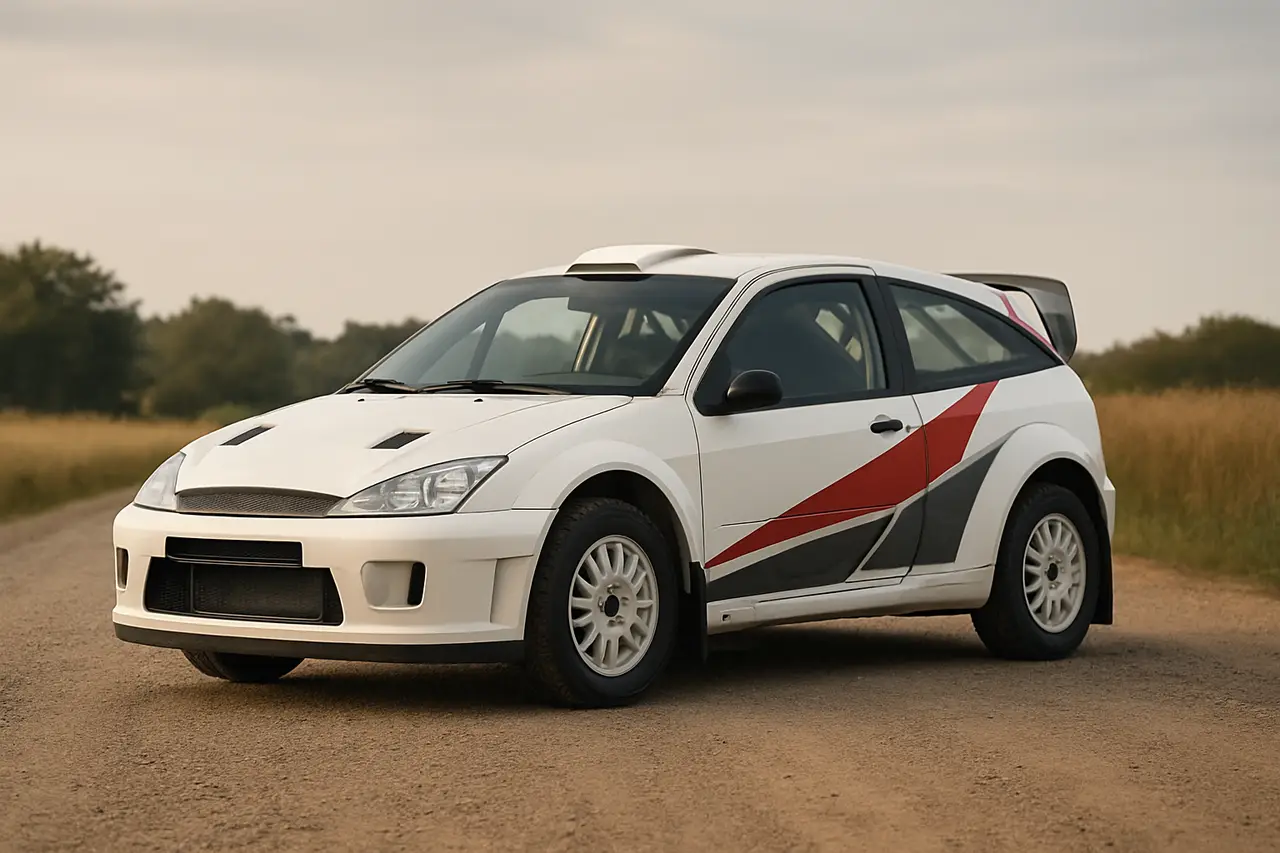
A typical rally car weighs approximately 1,230 kilograms (2,712 pounds), meeting the minimum weight regulations set by the FIA for World Rally Championship vehicles.
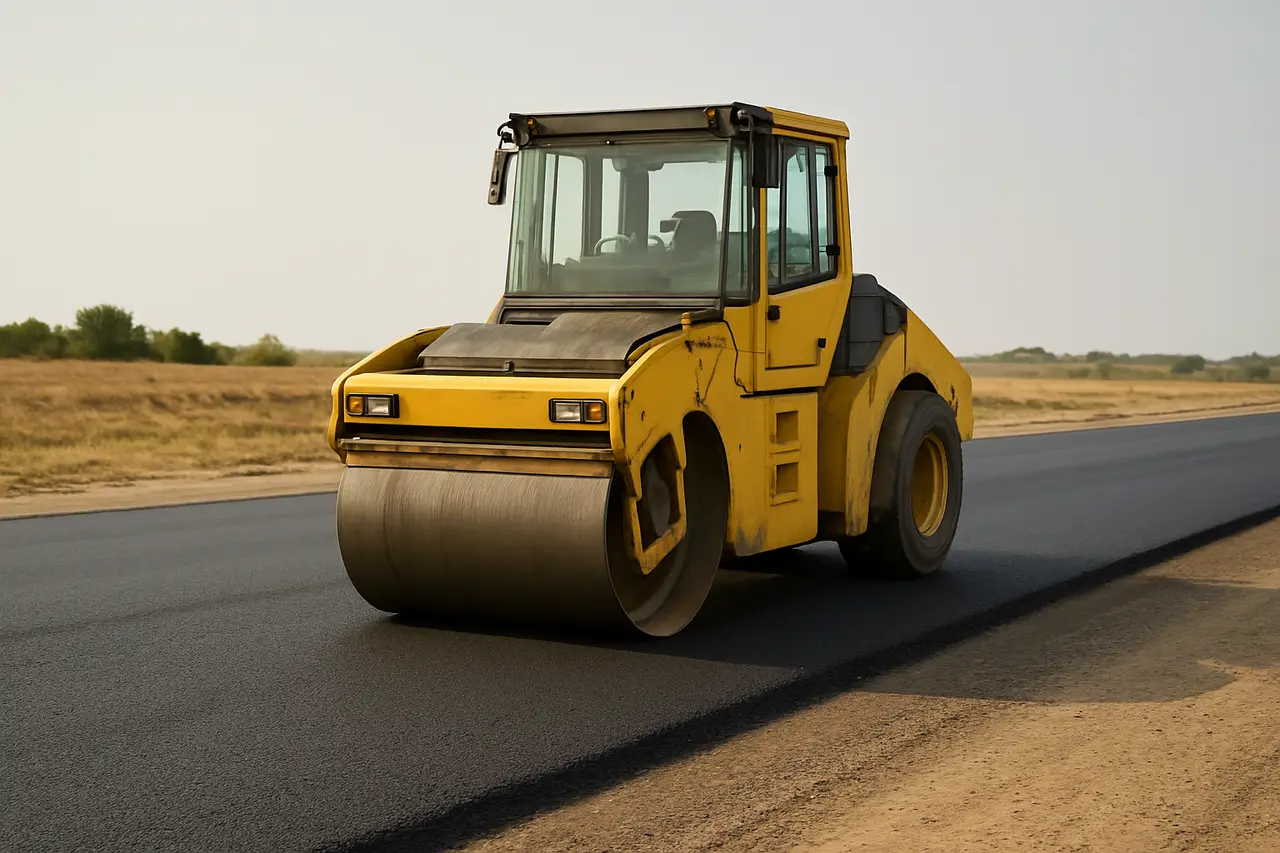
A typical road roller weighs between 5,000 and 14,000 kilograms (11,000 to 31,000 pounds), with some larger models exceeding 20,000 kilograms (44,000 pounds).
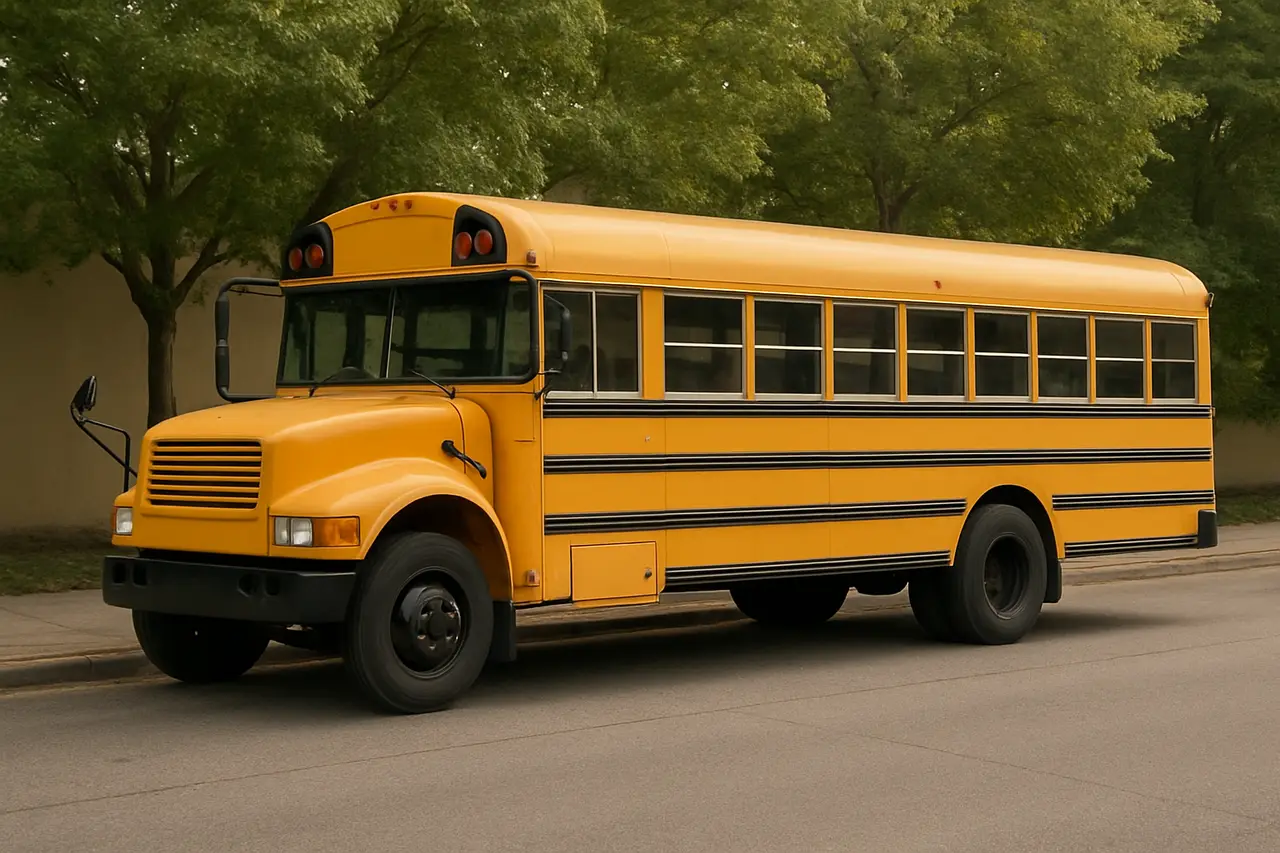
A typical empty school bus weighs between 10,000 and 14,000 pounds (4,500 to 6,350 kilograms).
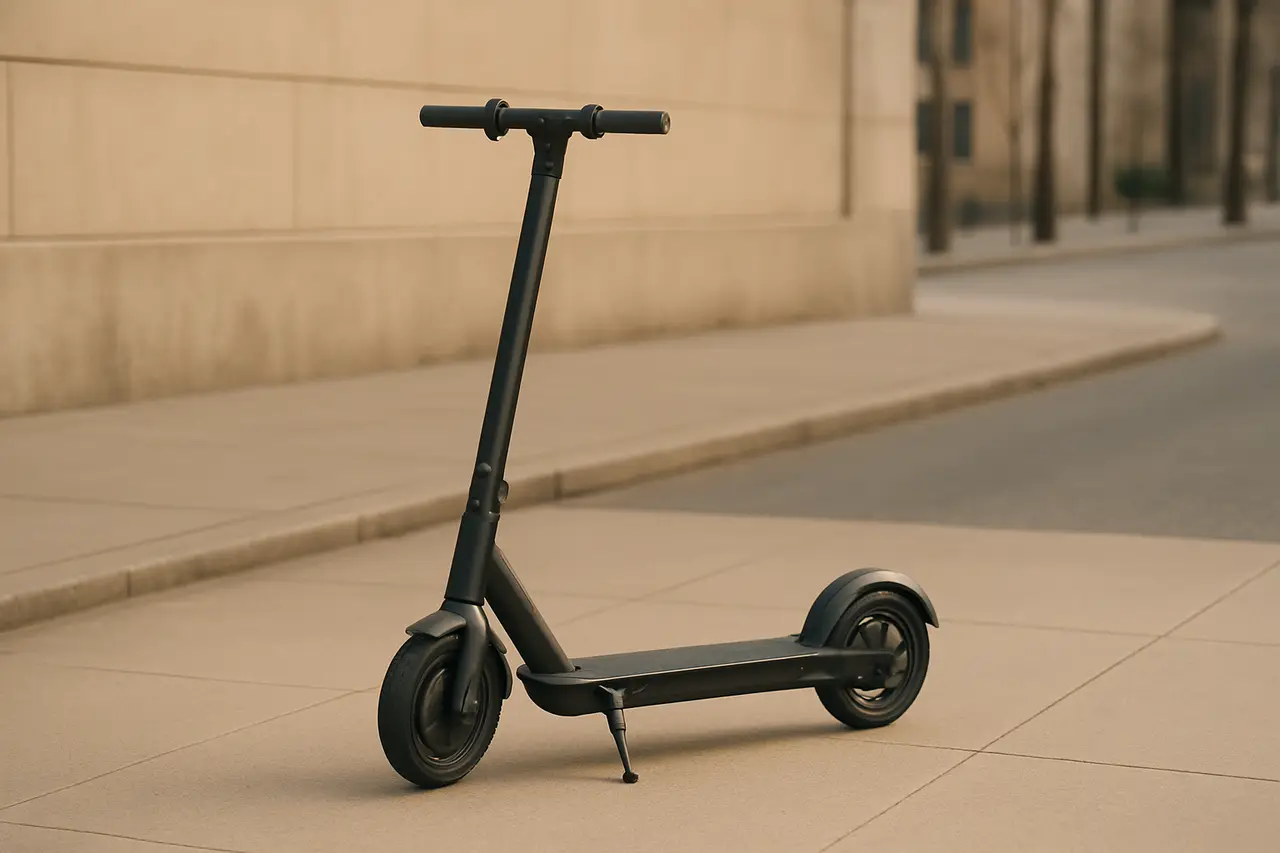
A typical scooter weighs between 45 to 150 kilograms (100 to 330 pounds), depending on the type and model.
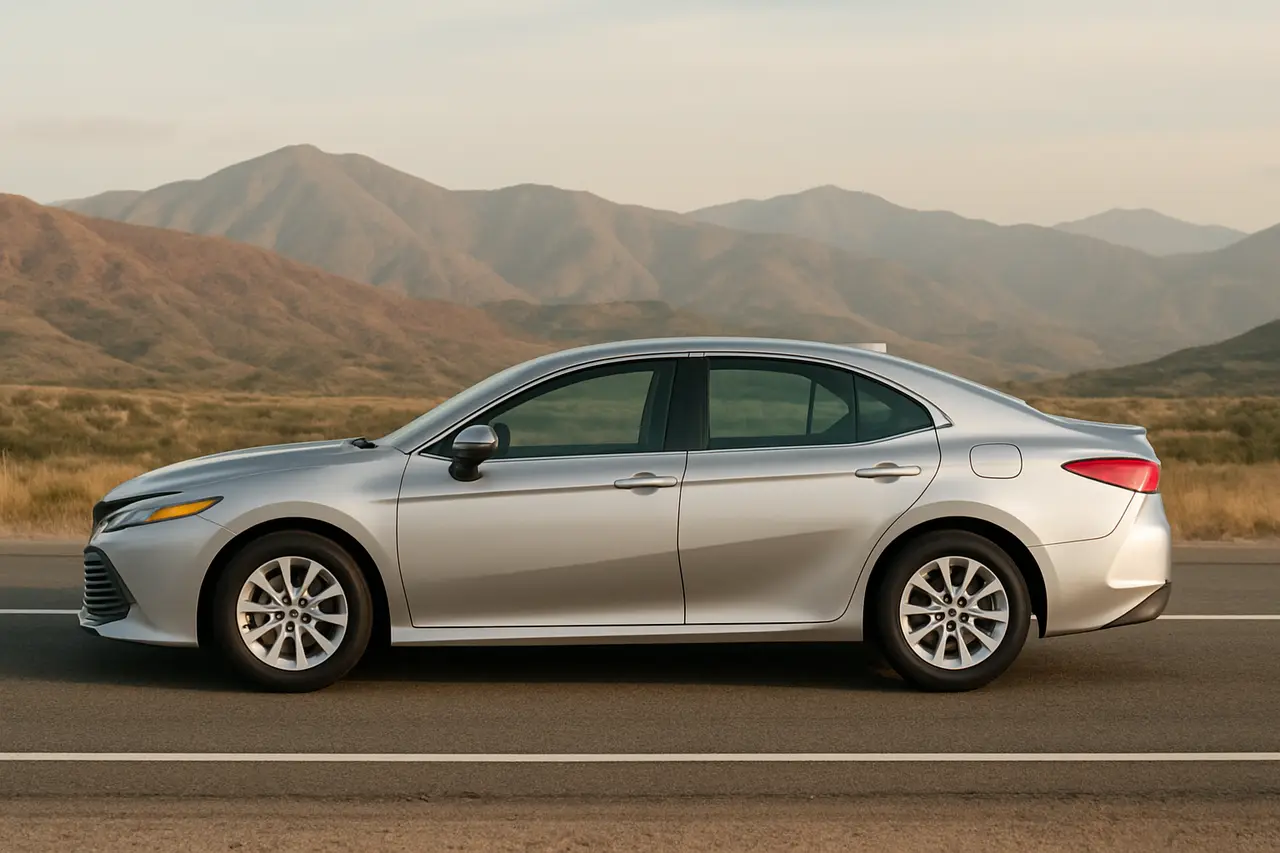
Sedans generally weigh between 1,400 and 1,700 kg (3,086 to 3,748 lbs).
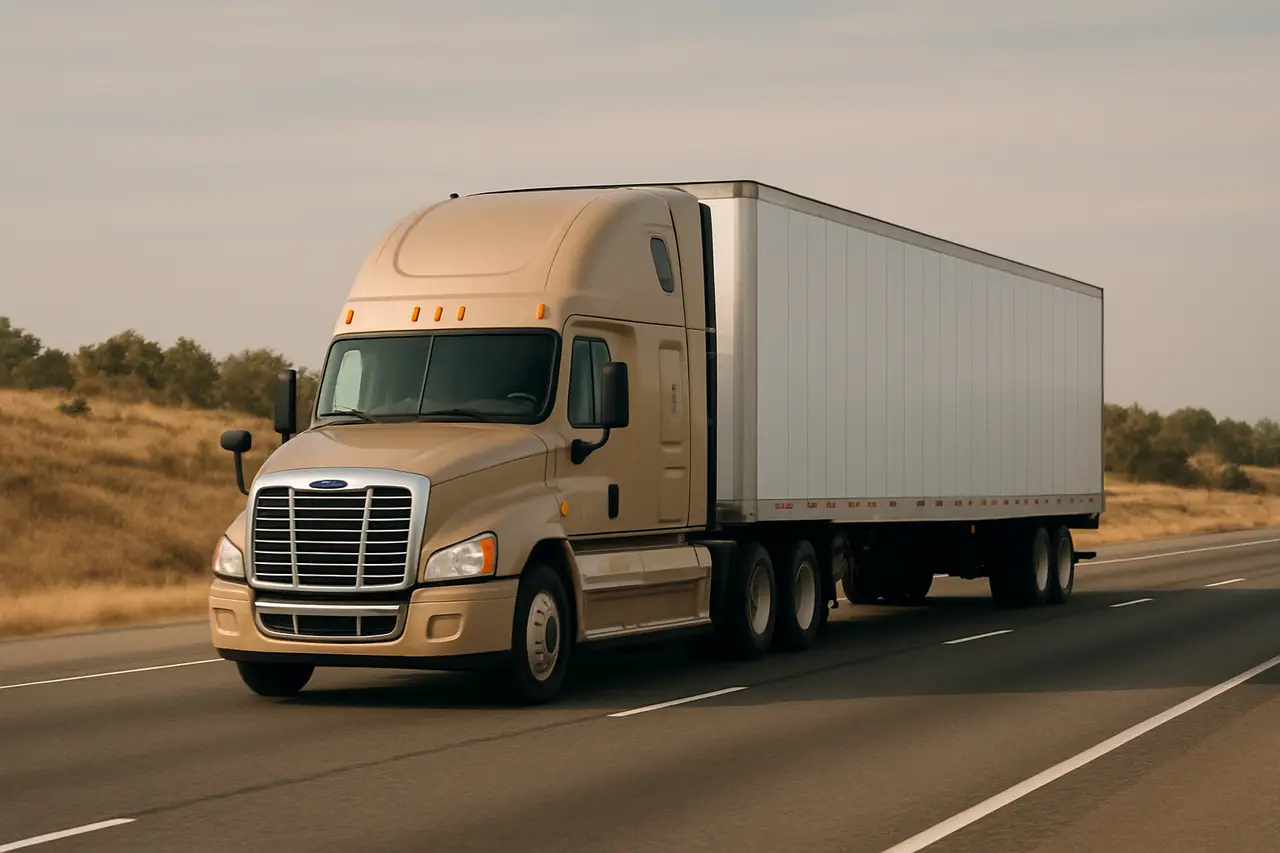
A fully loaded semi truck can weigh as much as 80,000 pounds, which is roughly the weight of 10 average cars combined.

So, how much does a Smart Fortwo weigh? The most recent models of the Smart Fortwo typically weigh between 1,800 to 2,000 pounds (approximately 820 to 910 kilograms).
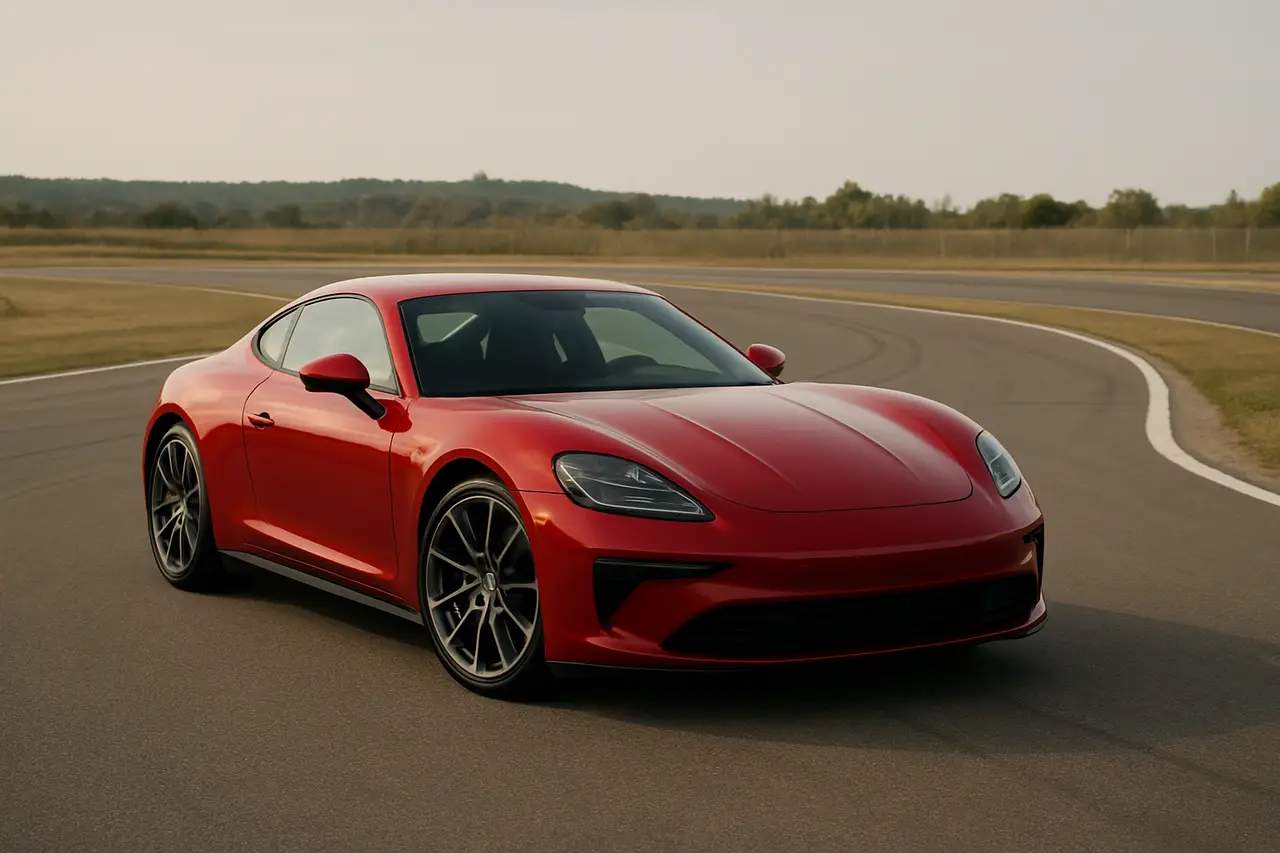
Sports cars typically weigh between 1,200 and 1,600 kilograms (2,645 to 3,530 pounds).
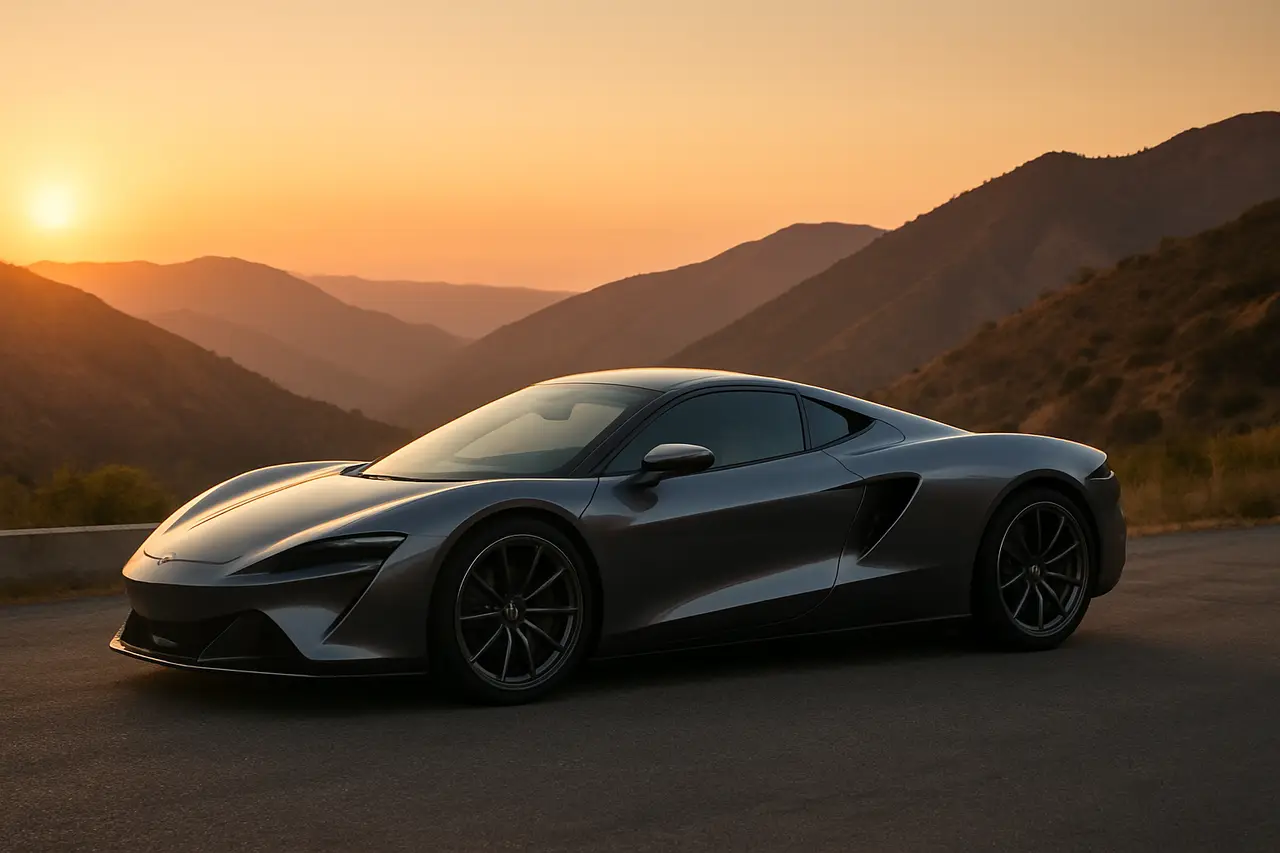
Supercars generally weigh between 1,300 and 1,600 kilograms (2,870 to 3,530 pounds).
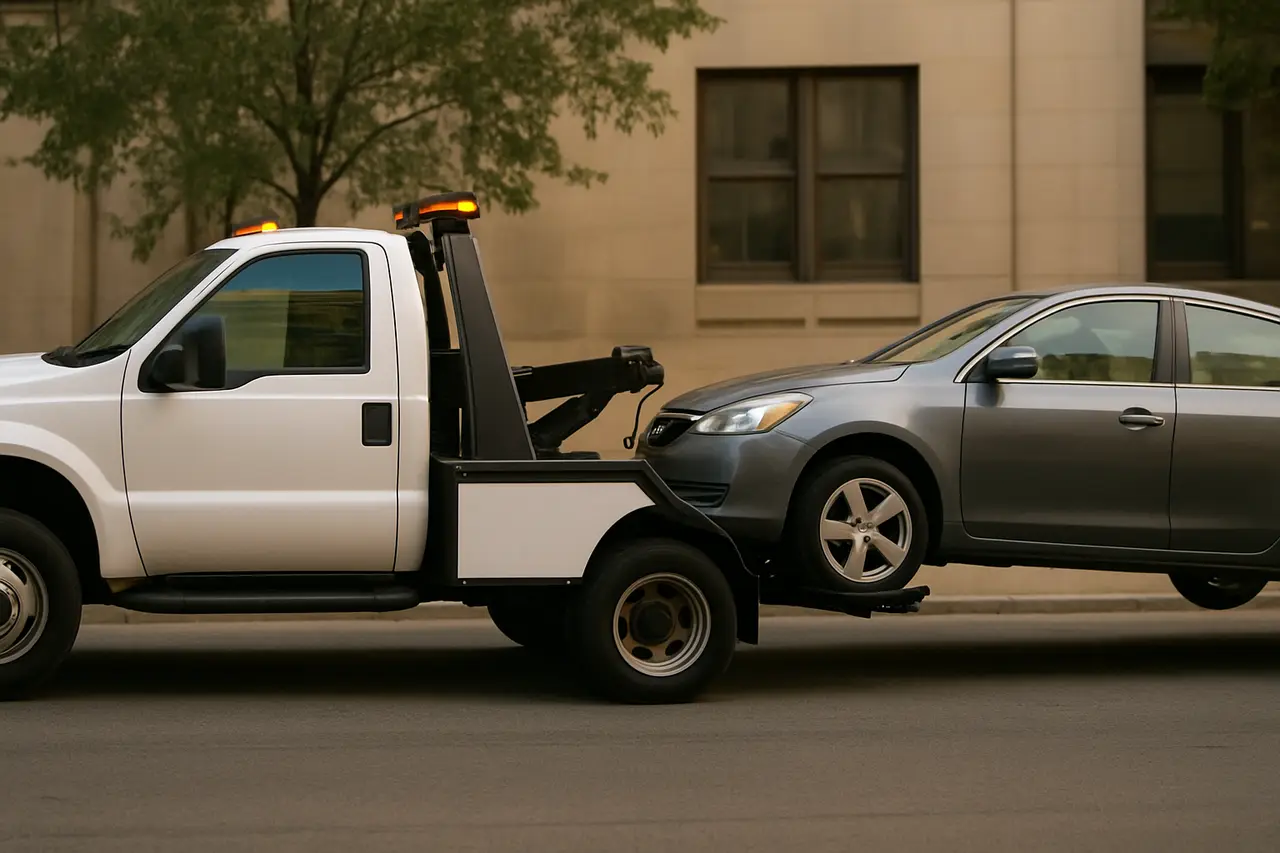
A typical tow truck weighs between 15,000 and 30,000 pounds (6,800 to 13,600 kilograms), depending on its type and equipment.
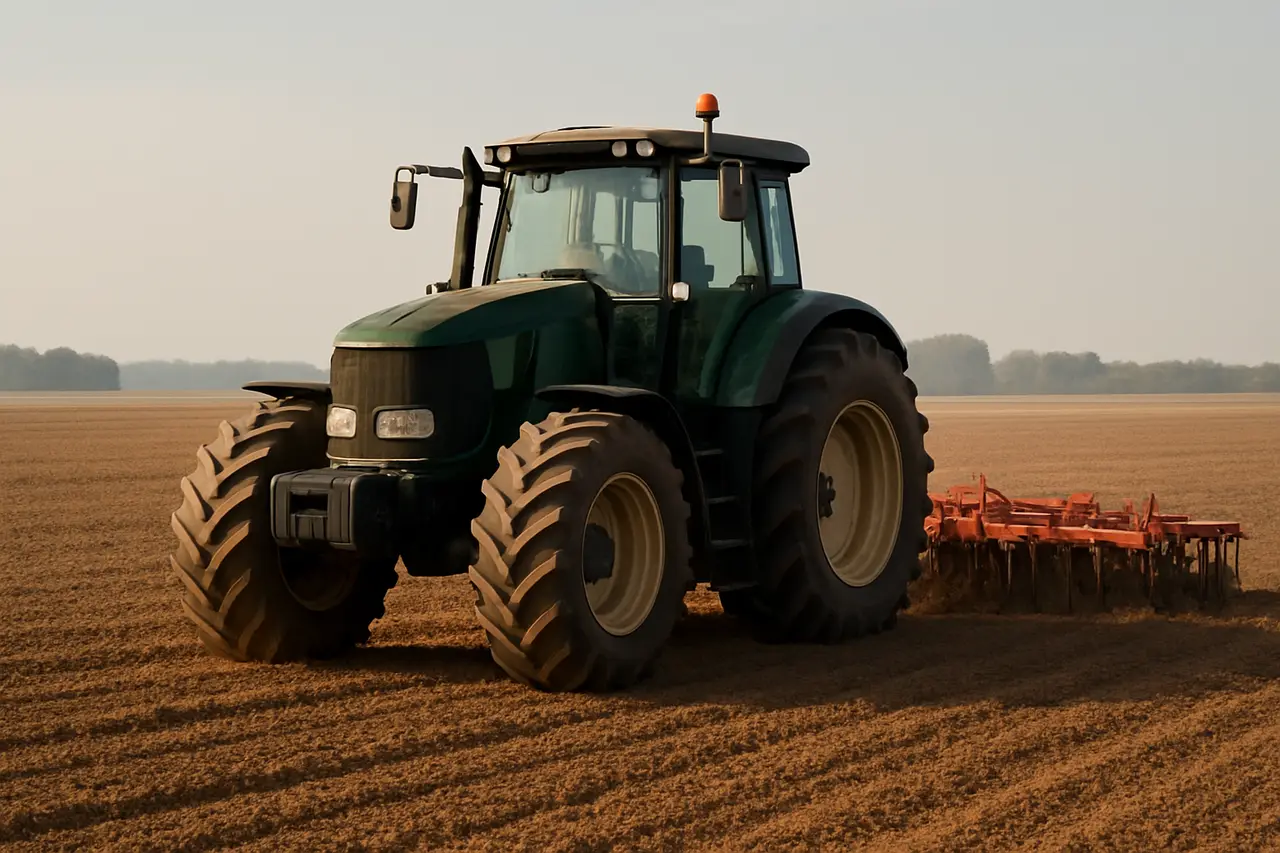
A typical agricultural tractor weighs between 1,500 and 12,000 kilograms (3,300 to 26,500 pounds), depending on its size and purpose.
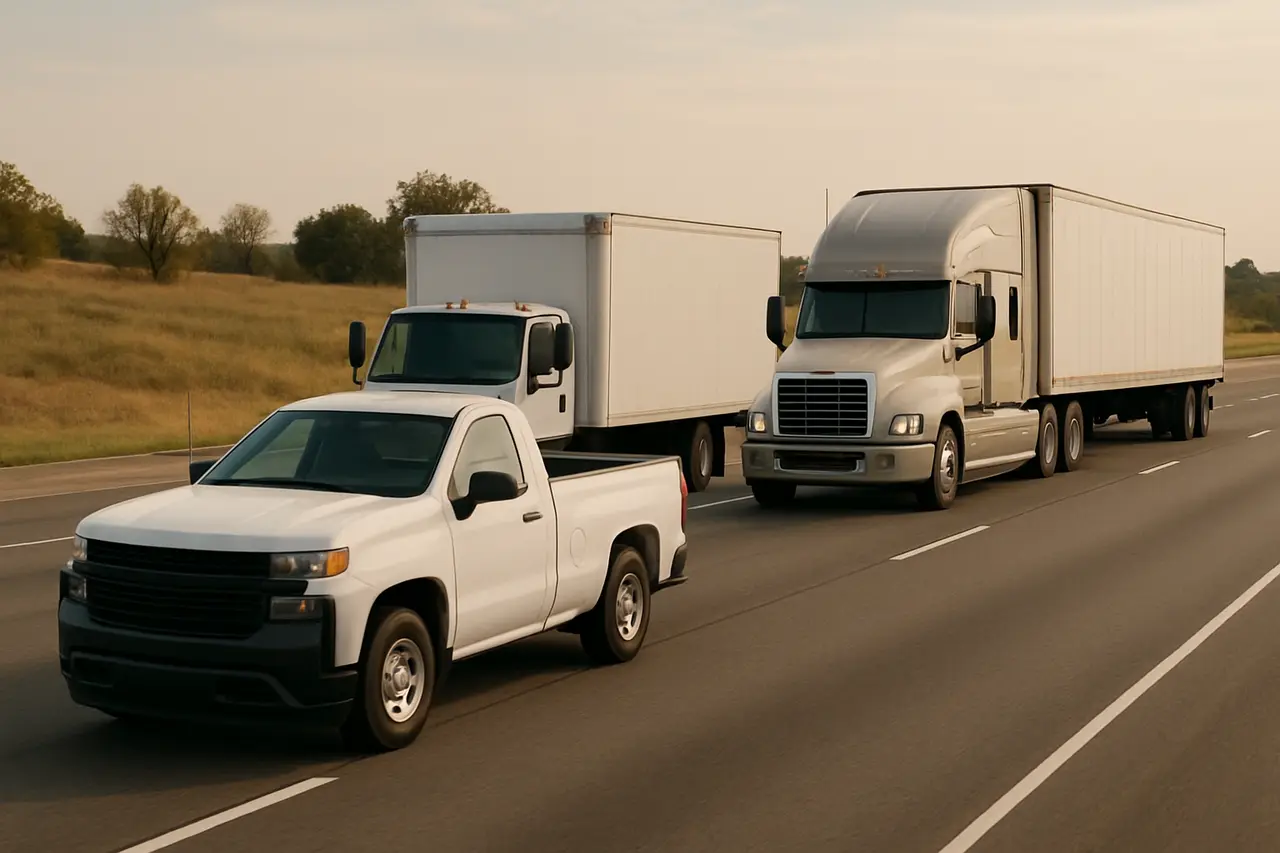
A typical pickup truck weighs between 1,800 and 3,500 kilograms (4,000 to 7,700 pounds), while large semi-trucks can weigh up to 36,000 kilograms (80,000 pounds) when fully loaded.
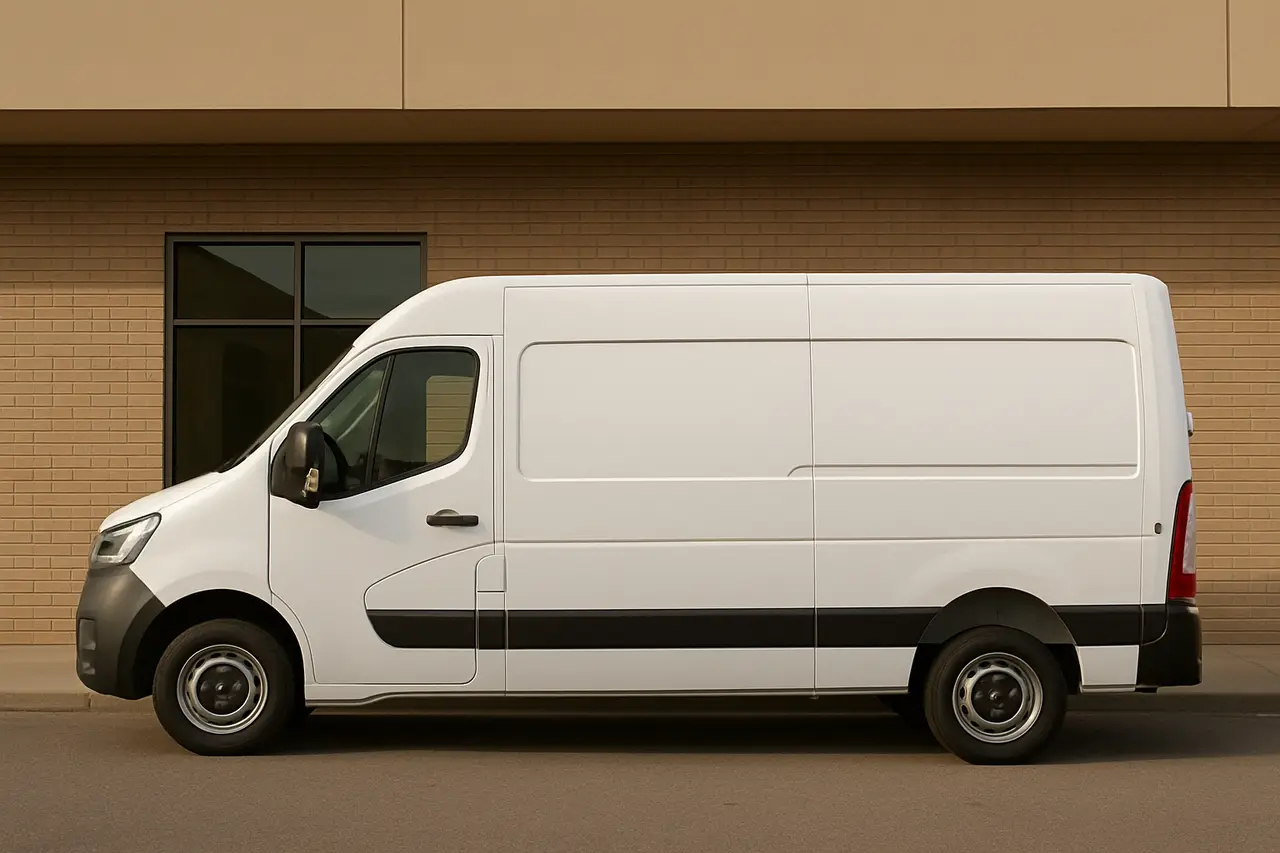
Compact vans weigh around 3,000 to 4,500 pounds (1,360 to 2,040 kilograms), while full-size vans can weigh between 5,000 and 7,500 pounds (2,270 to 3,400 kilograms).
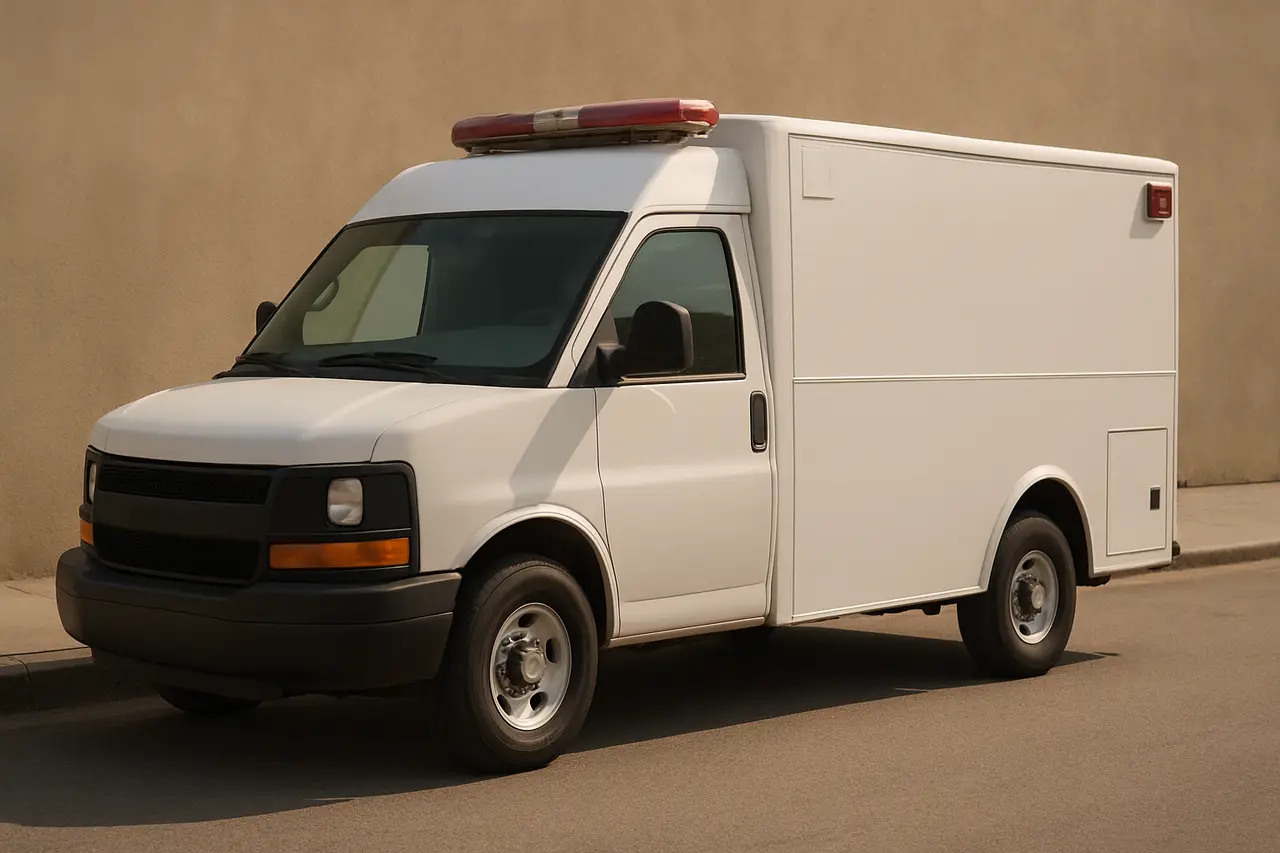
A typical ambulance weighs between 6,000 and 9,000 pounds (approximately 2,700 to 4,100 kilograms), depending on its size, equipment, and configuration.
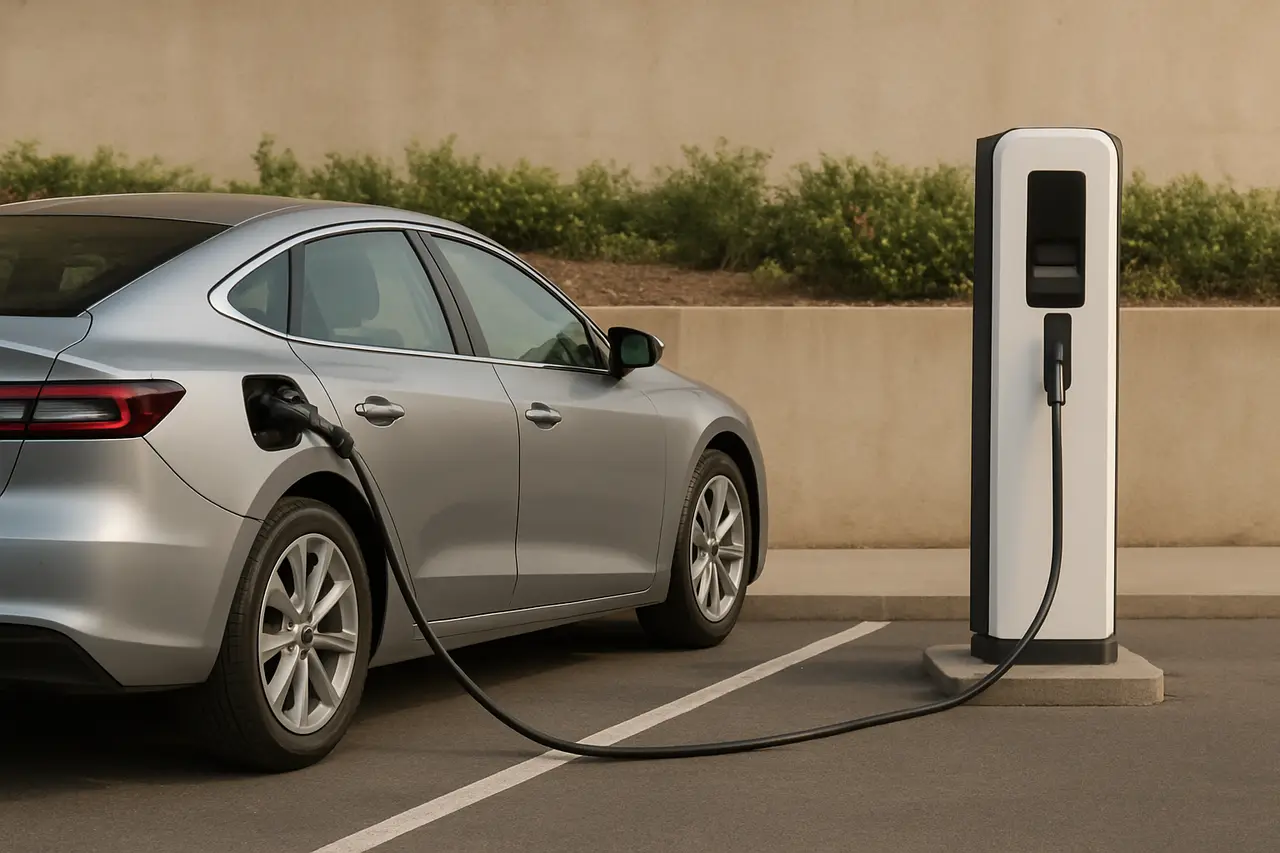
Most electric cars weigh between 1,500 and 2,500 kilograms (3,300 to 5,500 pounds), depending on the model and battery size.
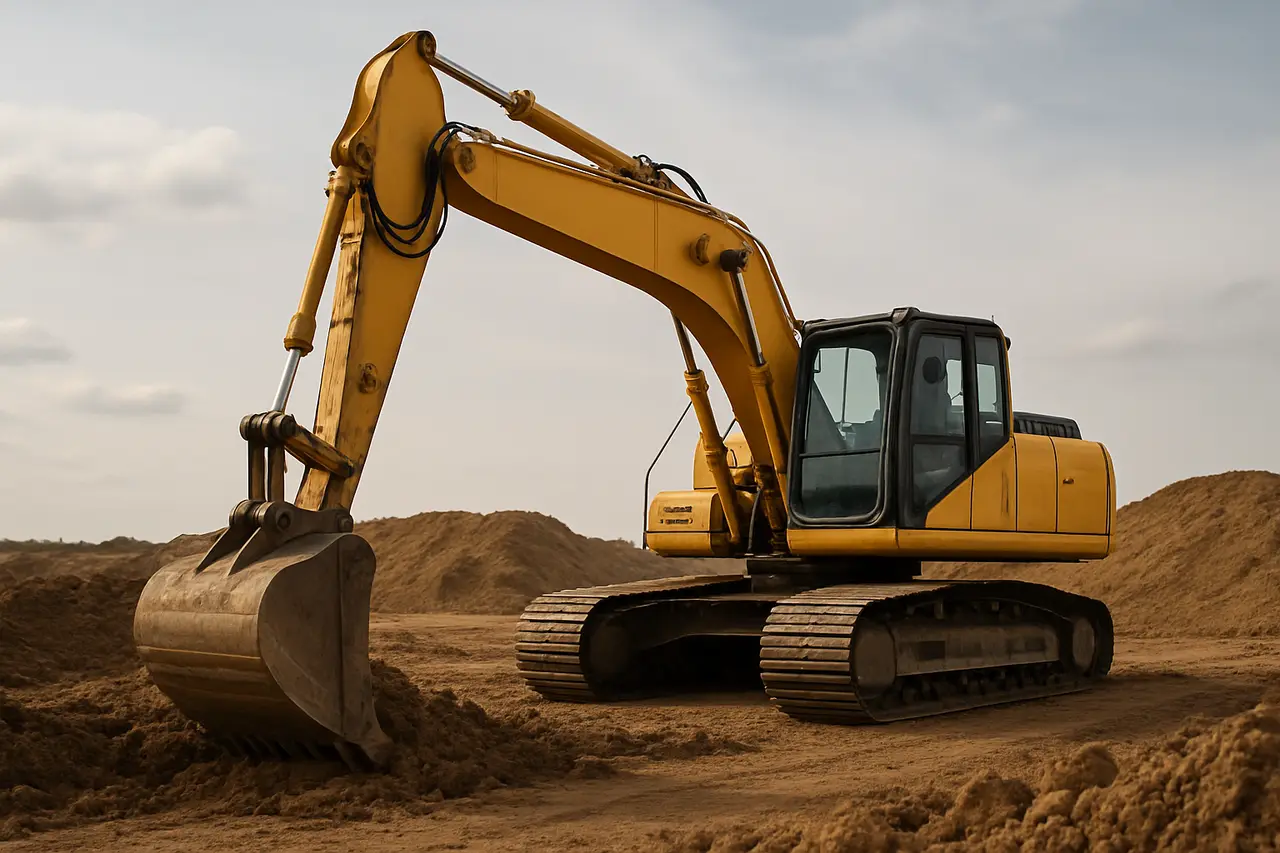
The largest excavators can weigh over 800 tons, making them some of the heaviest land vehicles in the world.
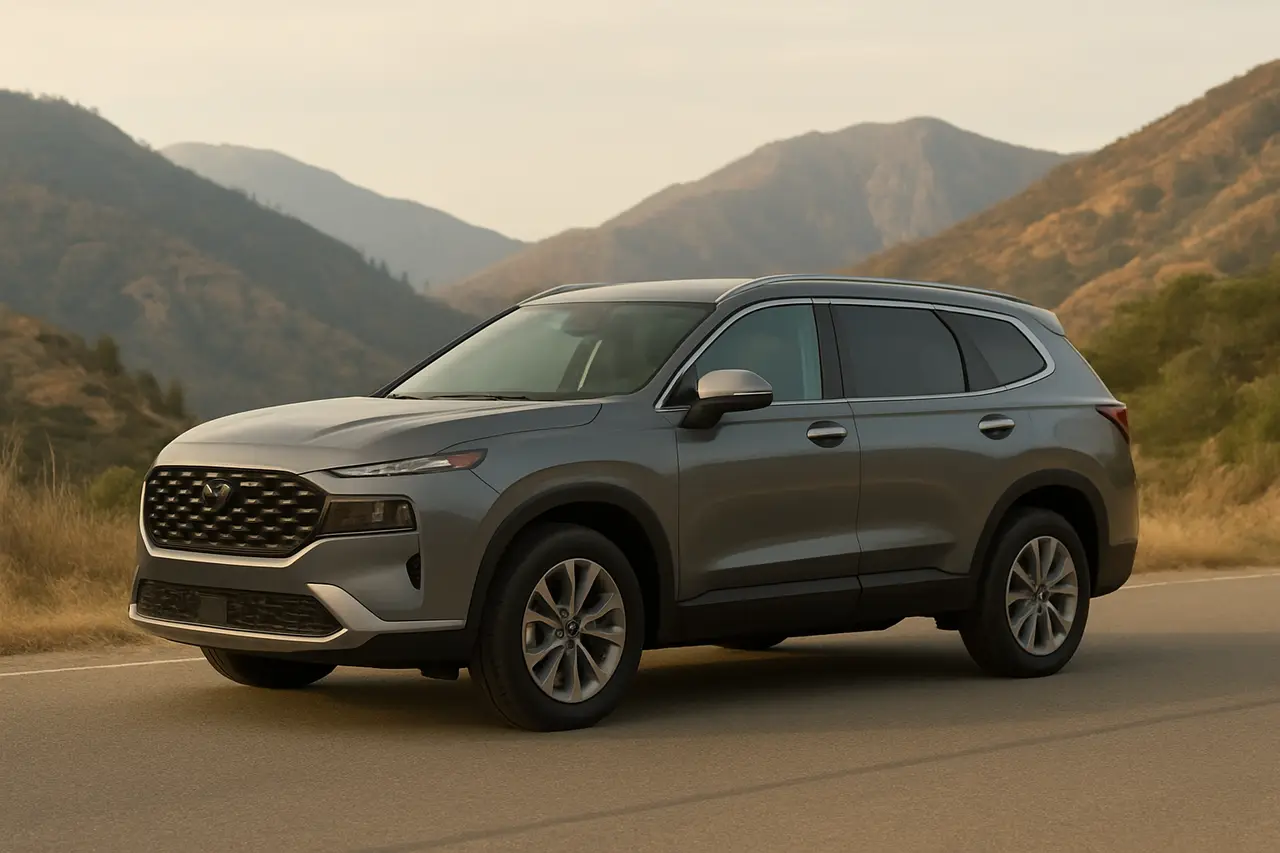
Most SUVs weigh between 3,500 and 5,500 pounds (1,600 to 2,500 kilograms), depending on size and model.