The short answer: Earth's air weighs about 5.15 x 10^18 kilograms in total (roughly 5.15 quadrillion metric tons, or about 1.1 x 10^19 pounds). That is the combined mass of the entire atmosphere surrounding the planet.
Earth's air weight by type
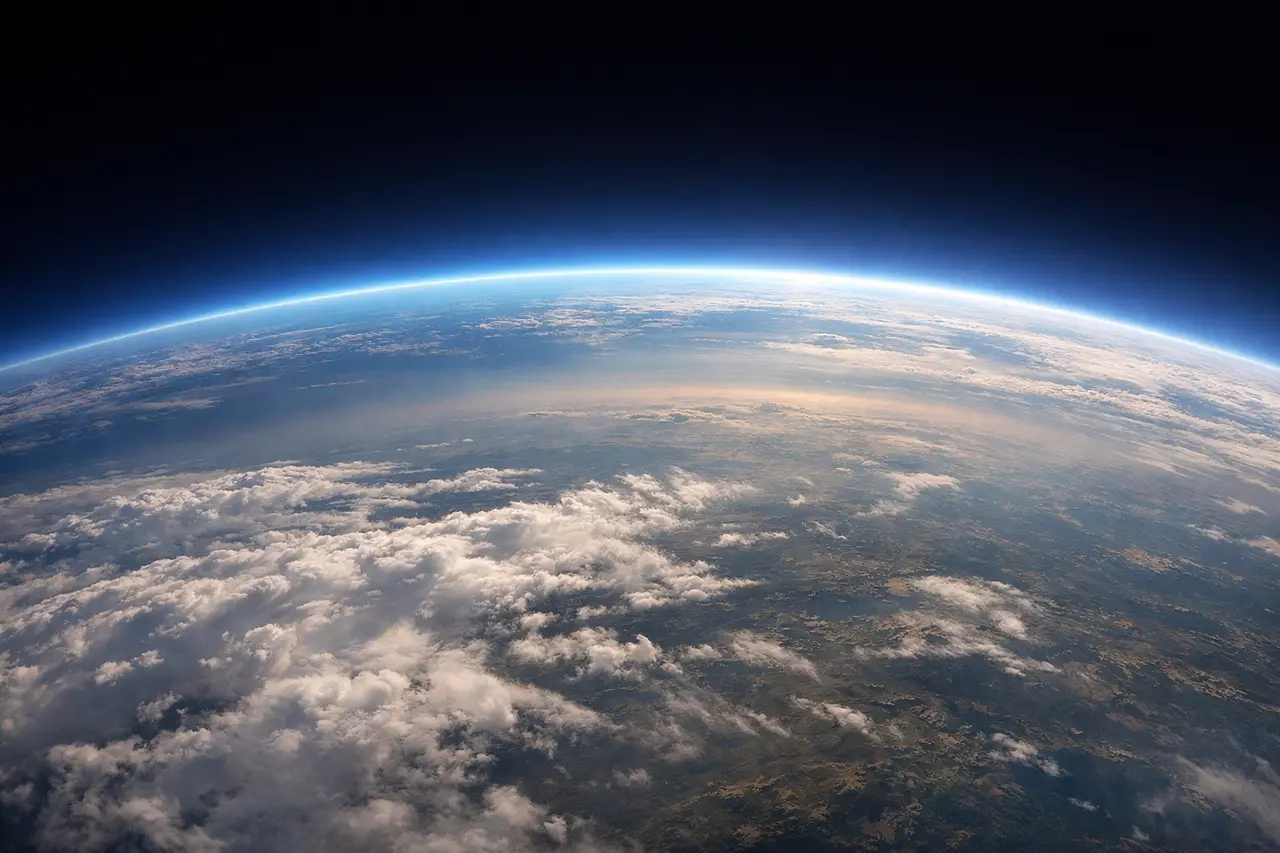
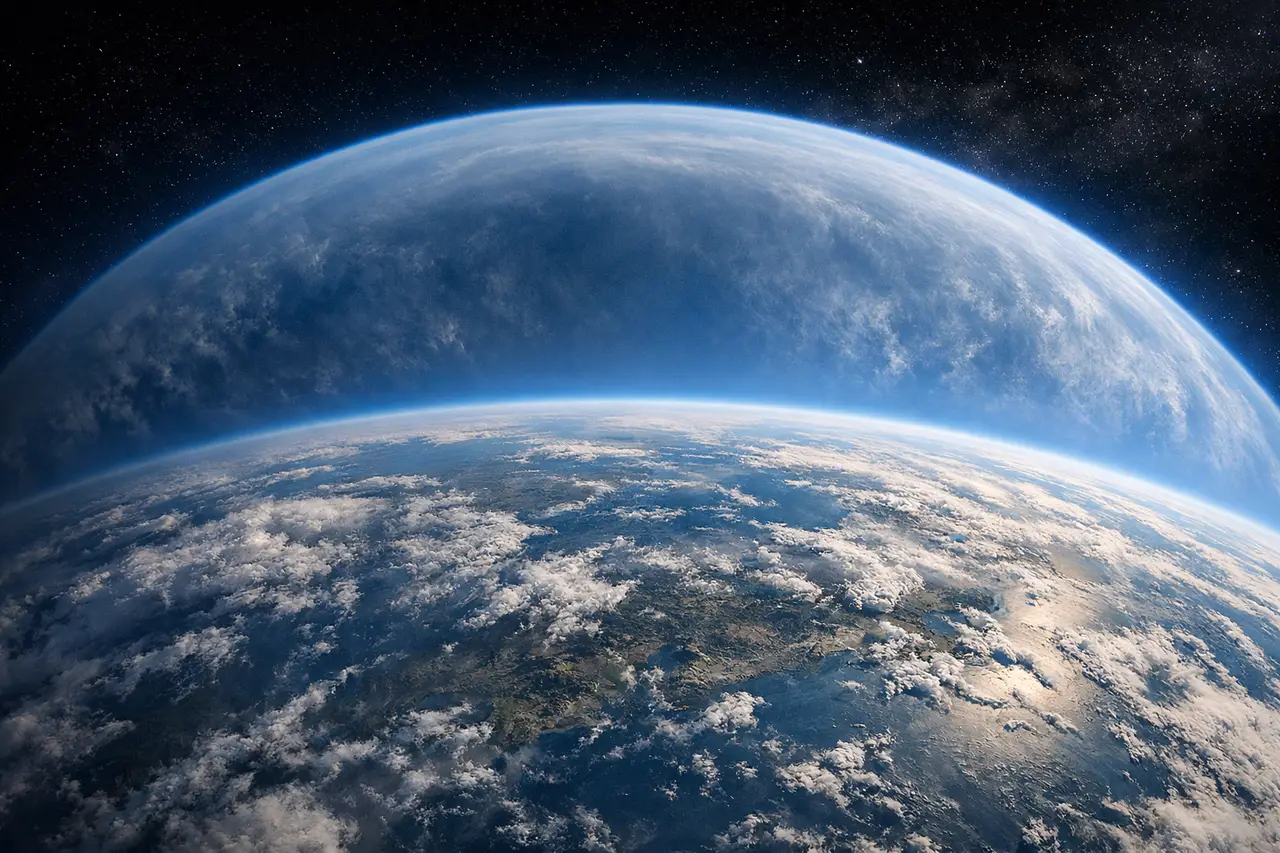
The total weight of Earth's air is found from surface pressure and the planet's area, since the atmosphere cannot be placed on a scale. The figure is vast even though the atmosphere is thin compared to Earth's size.
| Atmospheric layer (example) | Approximate share of total air mass |
|---|---|
| Troposphere (0-12 km) | about 75-80 percent |
| Stratosphere (12-50 km) | about 19 percent |
| Mesosphere (50-85 km) | under 1 percent |
| Thermosphere and above | a tiny fraction |
What affects Earth's air weight
- Surface pressure. The weight of air per square meter at the ground is the key measurement.
- Planet surface area. Multiplying pressure by Earth's full area gives the total mass.
- Gravity. The strength of gravity converts the pressure into a mass figure.
- Water vapor. The amount of moisture in the air adds a small, variable portion.
- Altitude distribution. Most mass sits low down, thinning rapidly with height.
- Measurement averaging. Pressure varies by location, so a global average is used.
How Earth's air weight compares
Earth's air weighs about a millionth of the planet itself, yet that thin shell still totals roughly the mass of 14,000 times all the water in the Great Lakes.
Frequently asked questions
How can scientists weigh all the air?
They use the fact that atmospheric pressure at the surface is simply the weight of the air column above each spot, then sum that across Earth's entire area.
Where is most of the air's mass?
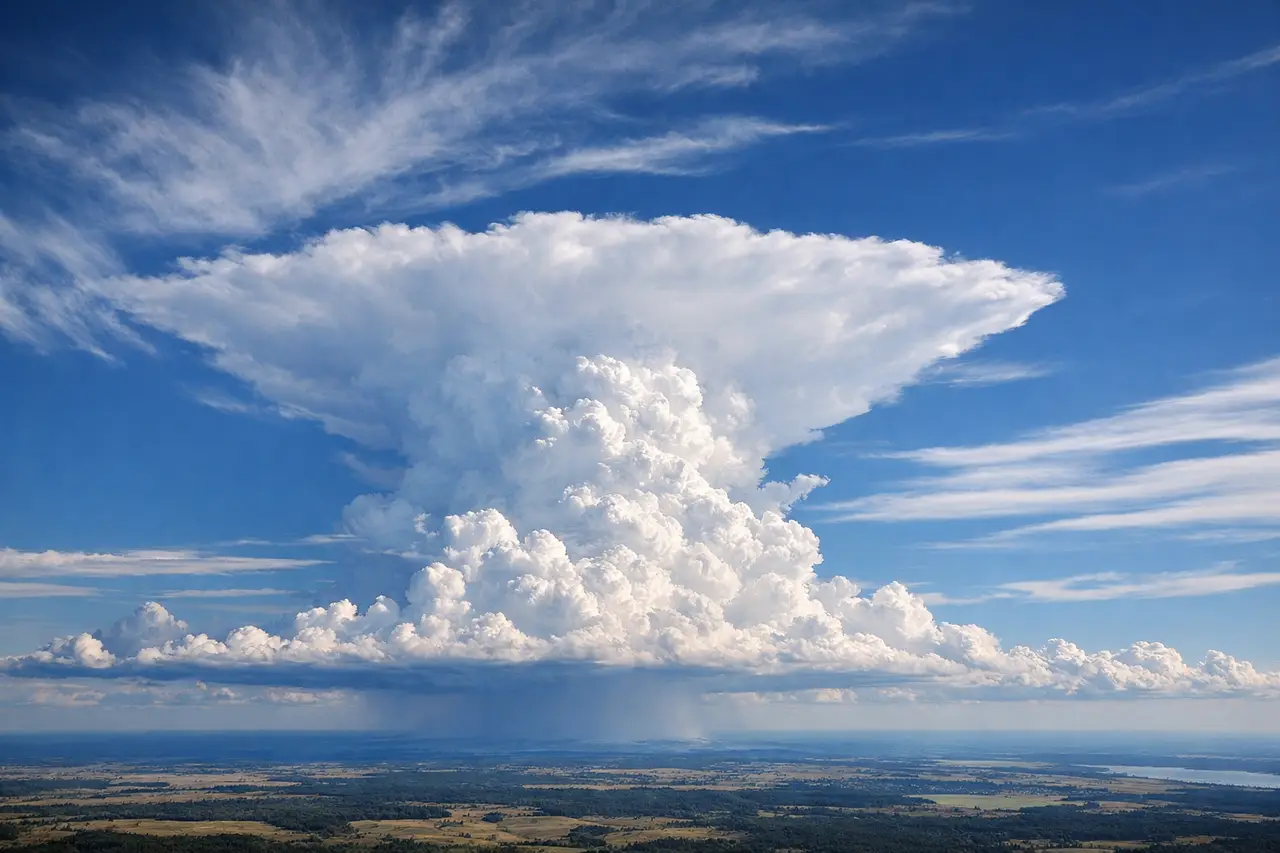
Roughly three-quarters of all air sits in the lowest layer, the troposphere, within about 12 kilometers of the surface.
Does Earth's air weight change?
It stays very nearly constant over human timescales, with only tiny variations from water vapor and slow gas exchange with space and the surface.