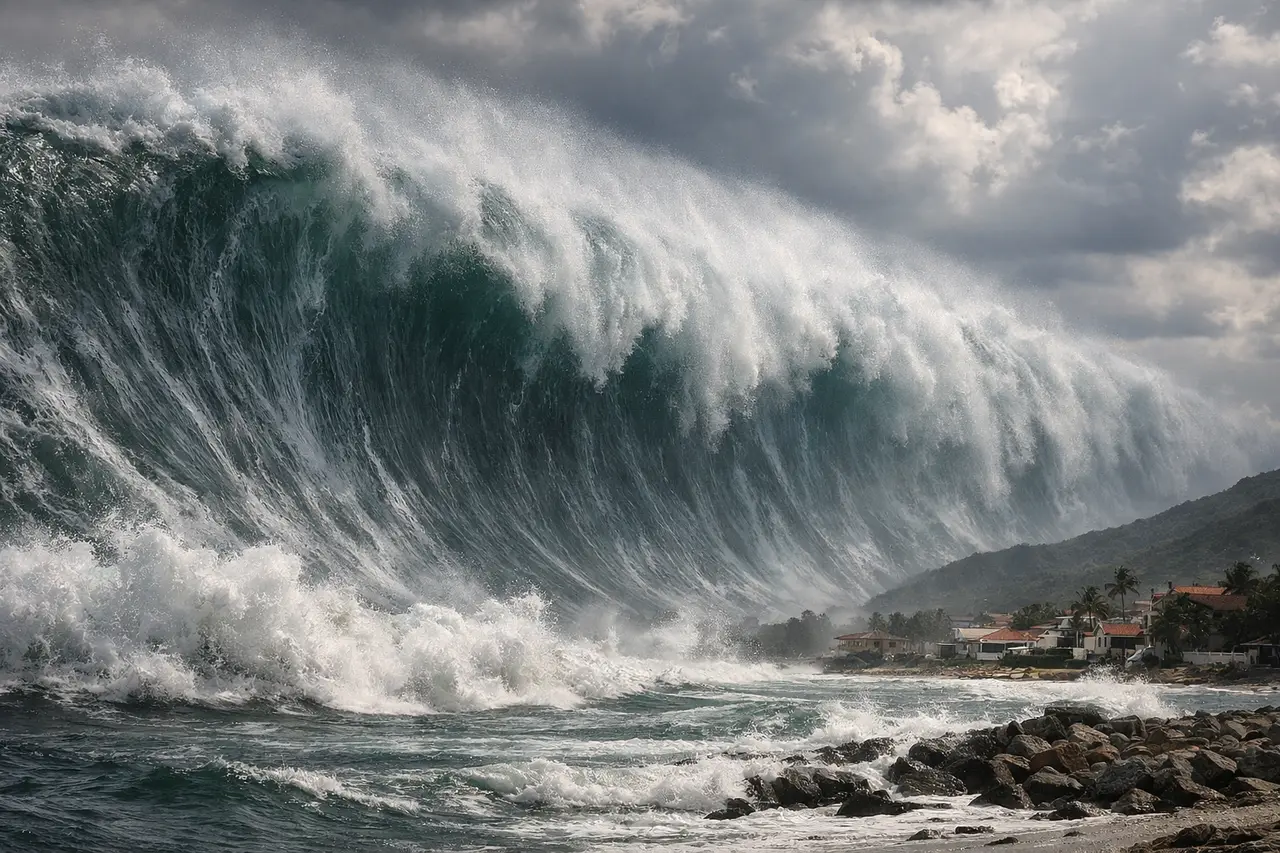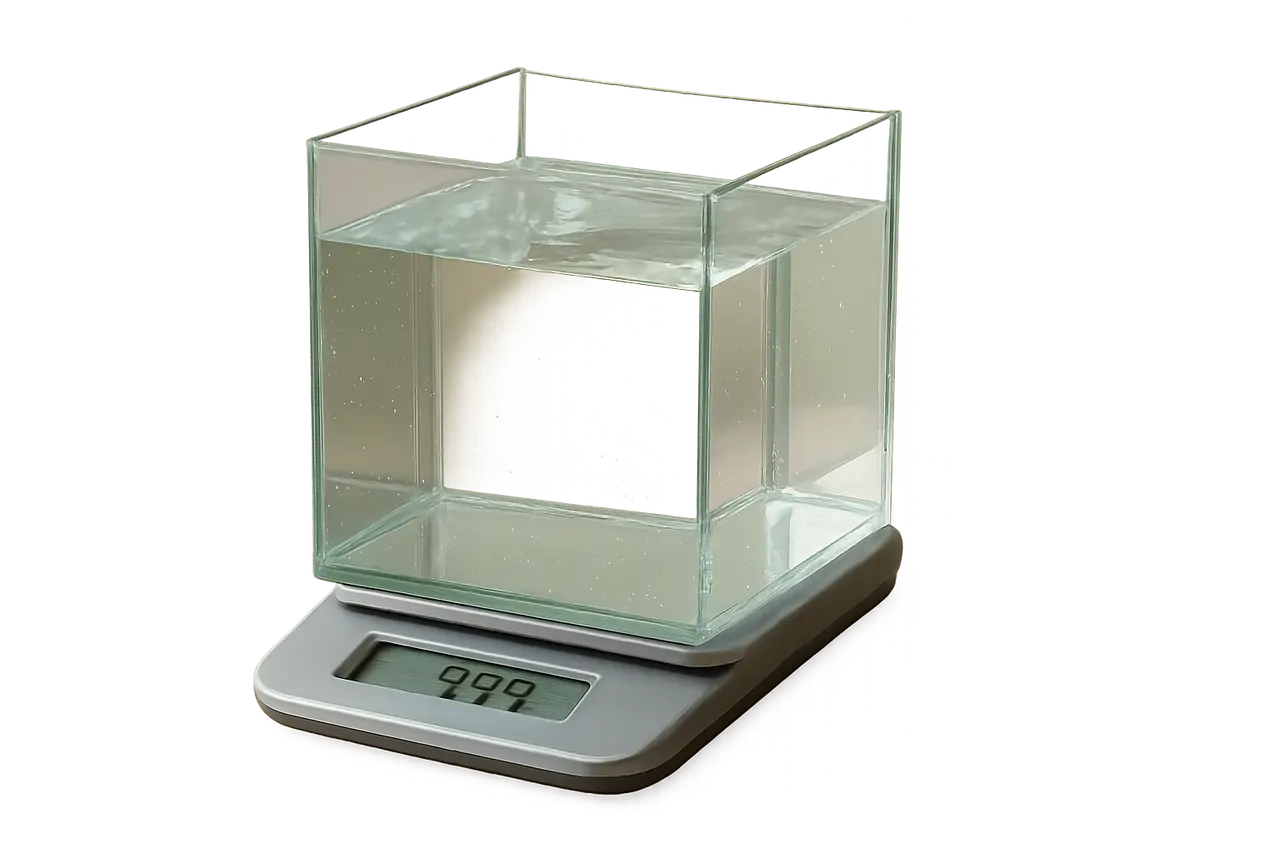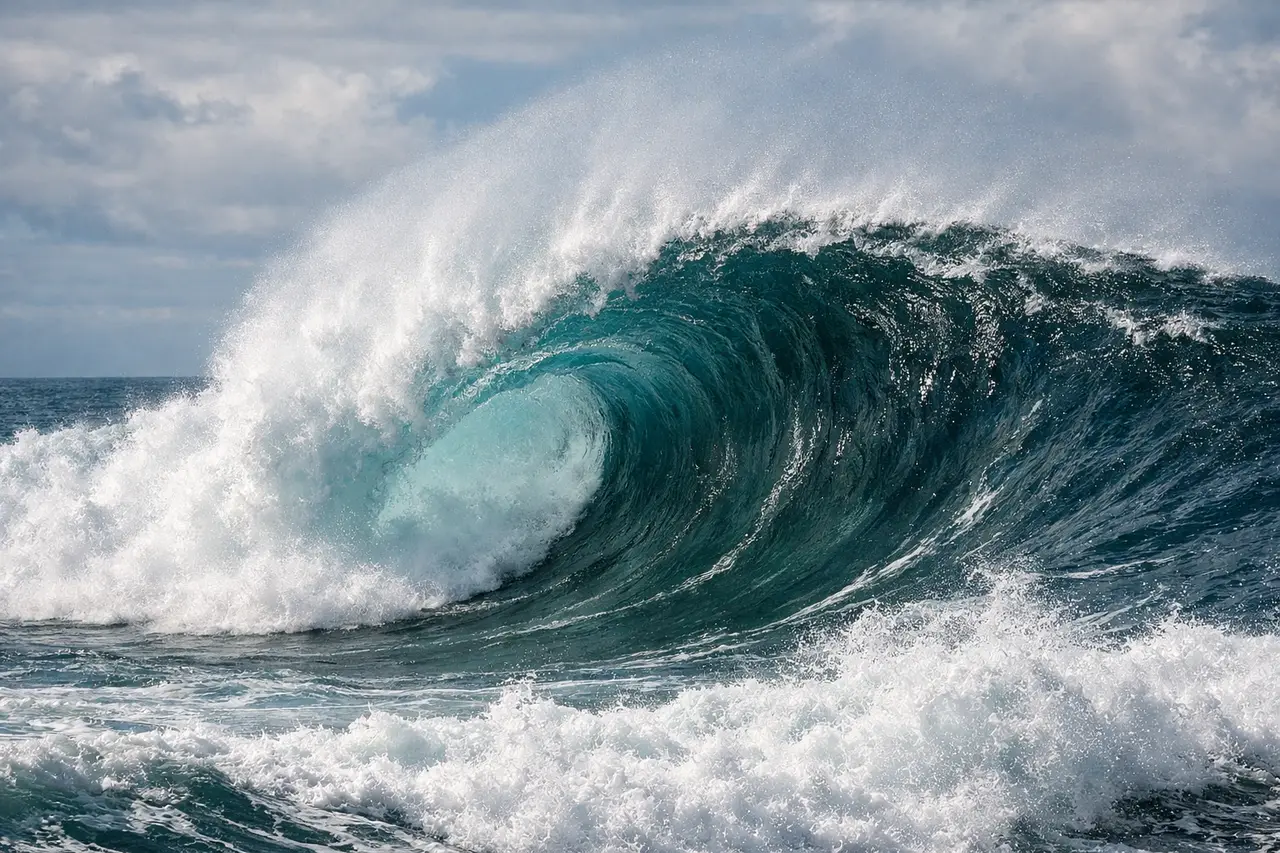
The short answer: A wave's weight depends on how much water it lifts and moves. Since seawater weighs about 1,025 kg per cubic meter, even a modest breaking wave can carry several tons of water per meter of crest length, and large waves carry far more.
Wave weight by type
A wave is not a fixed object, so its weight reflects the volume of water in motion within it. That volume scales with the wave's height, length, and the stretch of coast it covers.
| Wave size (example) | Approximate water mass per meter of crest |
|---|---|
| Small ripple / chop (under 0.5 m) | a few hundred kilograms |
| Average ocean wave (1-2 m) | a few tons |
| Large surf wave (3-5 m) | tens of tons |
| Giant storm or rogue wave | hundreds of tons |
What affects wave weight
- Wave height. Taller waves lift far more water and carry greater mass.
- Wavelength. Longer waves span more water between crests.
- Crest length. A wave running along a long shoreline moves more total water.
- Seawater density. Salt water at about 1,025 kg per cubic meter is slightly heavier than fresh.
- Water depth. Shallow water reshapes waves and concentrates their mass as they break.
- Wind and storm energy. Stronger winds build bigger, heavier waves.
How wave weight compares
A single large breaking wave can drop the weight of several loaded trucks onto the shore in an instant, which is why even waist-high surf can knock a person off their feet.
Frequently asked questions
Does a wave actually move the water forward?
Mostly no. In open water the water mostly circles in place while the wave's energy travels forward; only near shore does the water itself surge ahead.
Why do small waves still feel so heavy?
Water is dense, so even a low wave carries tons of mass per meter of crest. That mass combined with motion delivers a strong push.
How heavy is a rogue wave?
Rogue waves can exceed 20 meters and span wide crests, moving hundreds of tons of water per meter, enough to damage large ships.