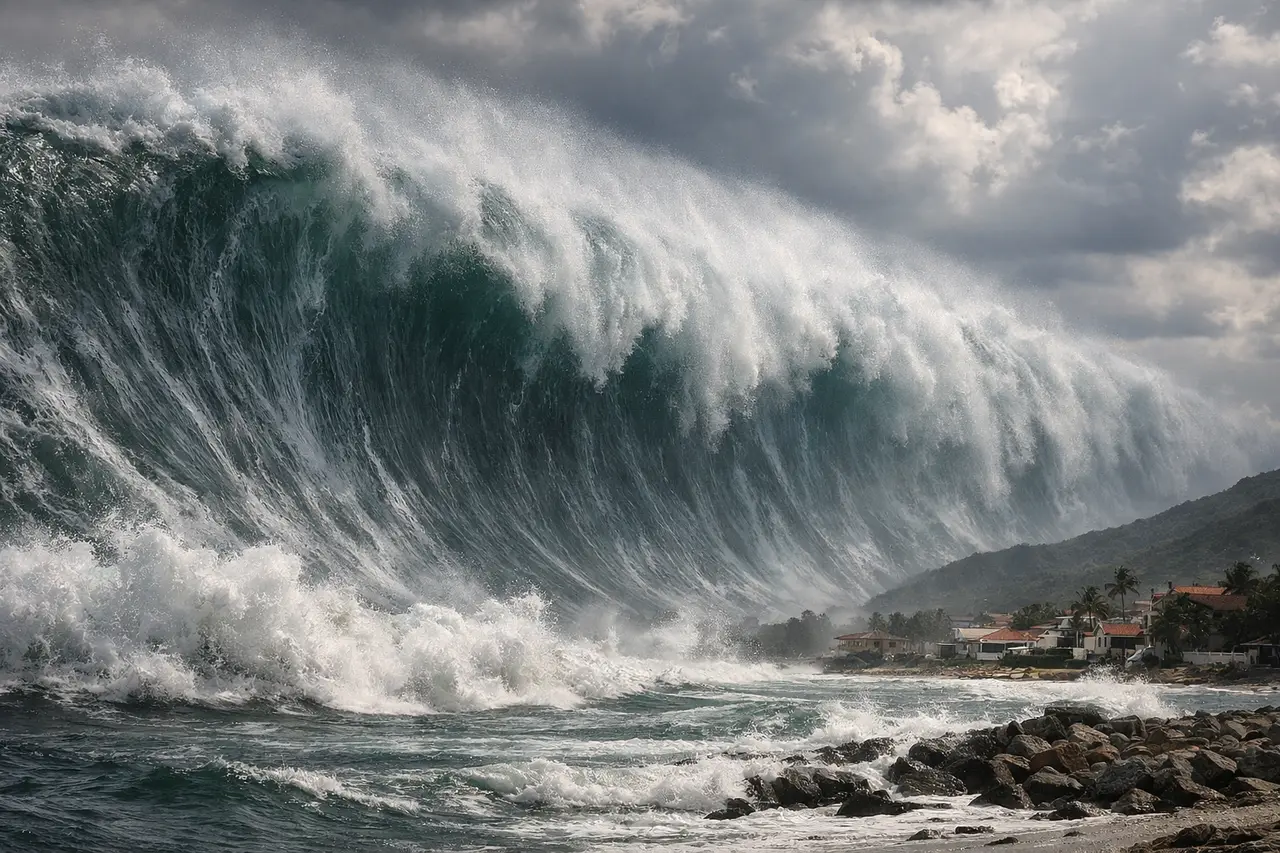
The short answer: A large tsunami can move tens to hundreds of billions of kilograms (and far more for the biggest events) of seawater. Because seawater weighs about 1,025 kg per cubic meter (roughly 64 lb per cubic foot), even a thin but vast sheet of moving water adds up to an immense mass.
Tsunami weight by type
A tsunami has no single weight because it is a moving volume of seawater. Its mass scales with how much water the wave displaces and carries inland.
| Tsunami size (example) | Approximate water mass involved |
|---|---|
| Small local tsunami (under 1 m) | tens of millions of tons |
| Moderate regional event (a few meters) | hundreds of millions of tons |
| Large ocean-crossing tsunami | tens of billions of tons |
| Great megathrust event (e.g. 2004, 2011) | hundreds of billions of tons or more |
What affects tsunami weight
- Wave height. Taller waves displace far more water and therefore carry much greater mass.
- Wavelength. Tsunamis can be tens or hundreds of kilometers long, so a modest height still spans huge volumes.
- Coastline length affected. A wave striking a long stretch of shore moves more total water than one hitting a small bay.
- Seawater density. At about 1,025 kg per cubic meter, salt water is slightly heavier than fresh water.
- Run-up distance. How far the water surges inland adds to the total volume in motion.
- Source energy. Larger earthquakes or landslides displace more water at the start.
How tsunami weight compares
The water in a single large tsunami can outweigh the combined mass of every ship in a navy many times over, and even a moderate event moves more water than flows over Niagara Falls in hours.
Frequently asked questions
Why can't a tsunami's weight be measured directly?
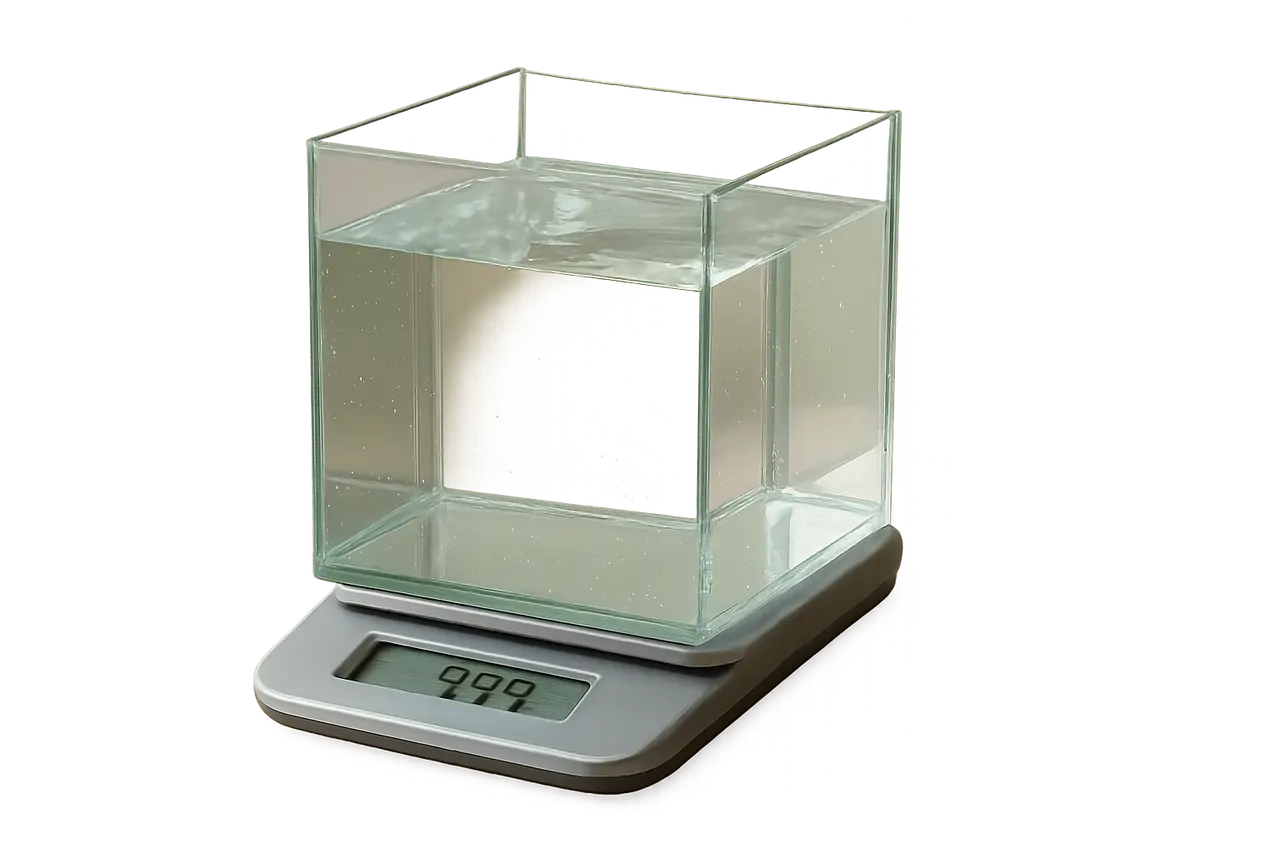
There is no fixed object to weigh; scientists instead estimate the volume of water moved and multiply by seawater density. The figure changes constantly as the wave travels and breaks.
Is a tsunami heavier than a normal wave?
Yes, usually by a huge margin. A tsunami's enormous wavelength means it carries vastly more water than an ordinary wind-driven wave of similar height.
Does the weight of the water make tsunamis so destructive?
Largely, yes. The combination of immense moving mass and momentum, rather than just height, is what crushes structures and carries debris inland.