The short answer: A shadow has no weight at all, because it is simply a region where light is blocked, not a physical object made of matter.
Shadow weight by type
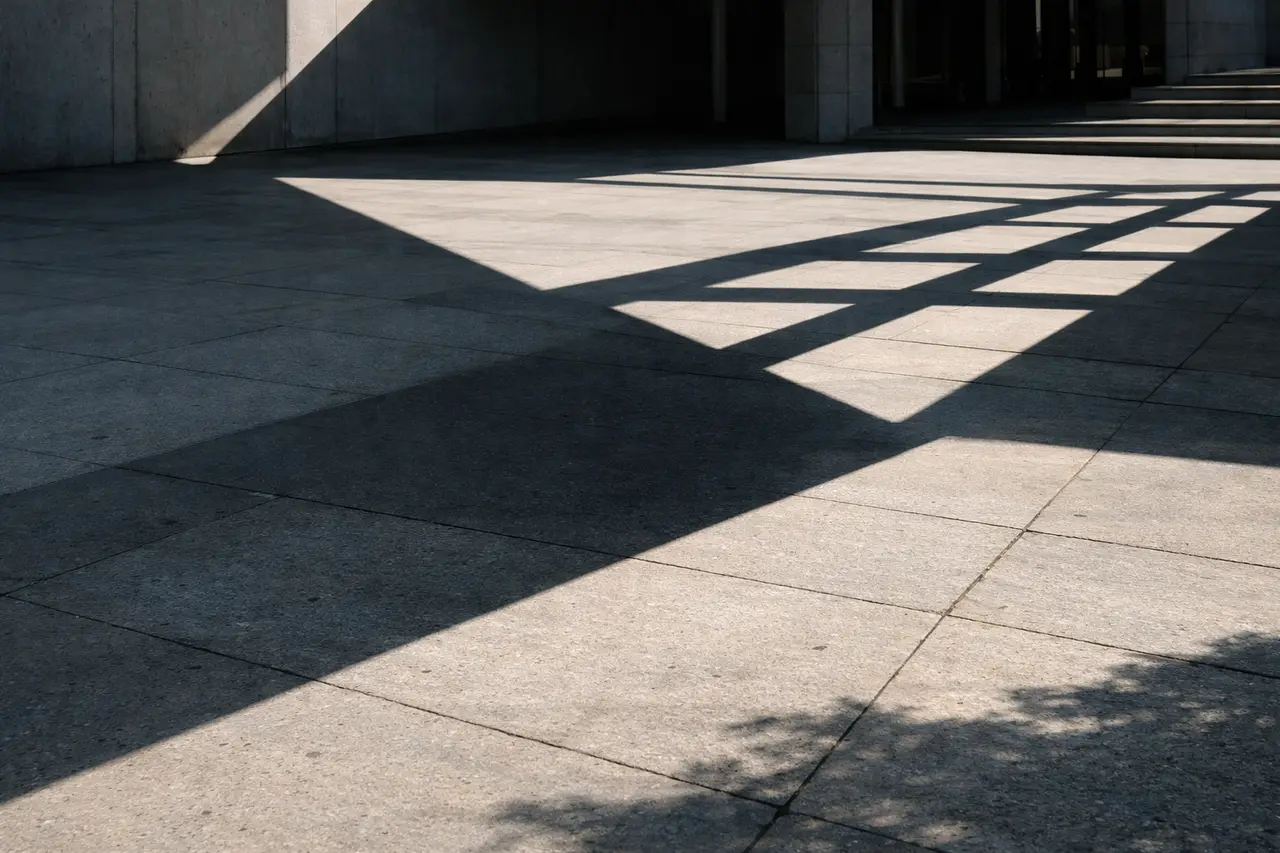
A shadow is the absence of light where an object blocks it, not a substance added to a scene. Because it is not made of matter, there is nothing to put on a scale.
| What you consider | Weight |
|---|---|
| The shadow itself | zero (absence of light) |
| The object casting it | its own normal weight |
| The missing light energy | an unmeasurably tiny equivalent |
| The surface it falls on | unchanged by the shadow |
What affects shadow weight
- Nature of shadows. A shadow is missing light, not matter, so it cannot weigh anything.
- Light blocking. Shadows form only because an object stops light from reaching a surface.
- Energy equivalence. The blocked light energy has only an immeasurably tiny mass equivalent.
- Object vs. shadow. Only the object casting the shadow has real weight.
- Common confusion. Shadows look like things but are really an absence, not a presence.
How shadow weight compares
Like darkness in a closed room, a shadow is the absence of something rather than a thing in itself, so it weighs nothing at all.
Frequently asked questions
Can a shadow have any weight?
No, a shadow is simply a region where light is blocked, not a physical object. With no matter present, there is nothing to weigh.
Does blocking light change a surface's weight?
Not measurably. The tiny amount of light energy blocked has an essentially negligible mass equivalent, far too small to detect.
Why does it feel like a shadow is real?
Shadows have clear shapes and edges, so they seem like objects. But they are really just areas of reduced light, not physical things.