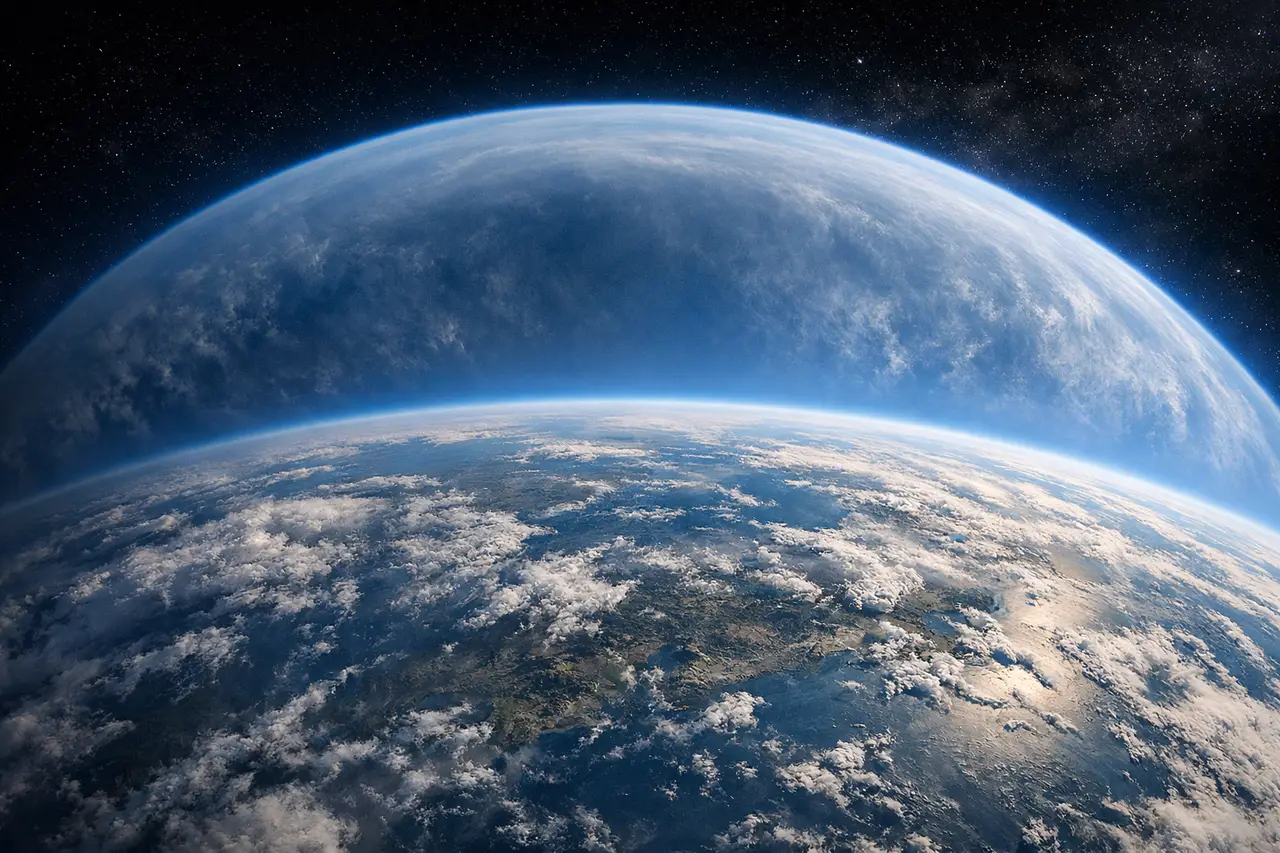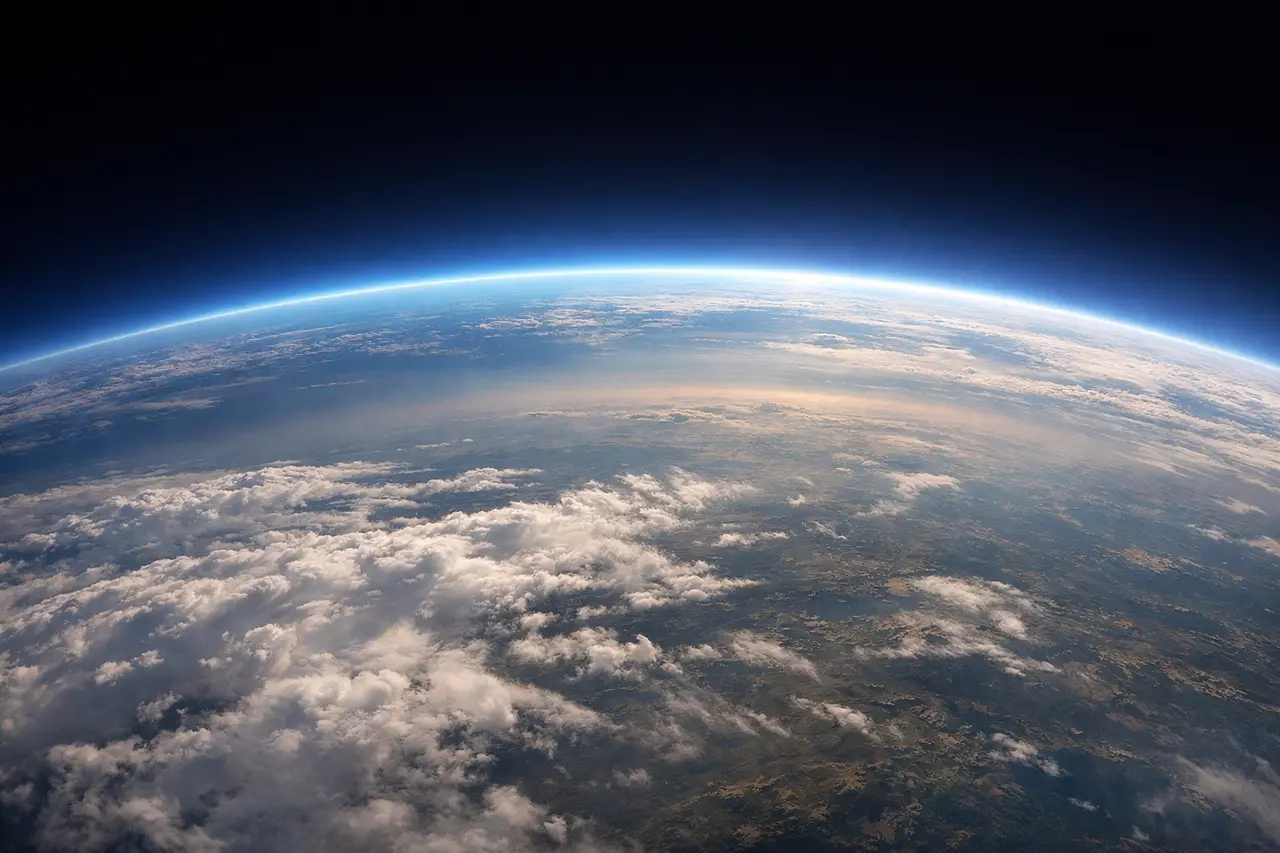
The short answer: The sky is not a single object, but if you mean the atmosphere that creates the visible sky, it weighs about 5.15 x 10^18 kilograms (roughly 5.15 quadrillion metric tons). The blue light you see has no meaningful weight of its own.
Sky weight by type
When people say the sky, they usually mean the atmosphere, clouds, and light all at once. Physically the air is what has weight, while the color is just scattered sunlight.
| Interpretation of 'sky' | Approximate weight |
|---|---|
| The whole atmosphere | about 5.15 x 10^18 kg |
| Air column over 1 m2 at sea level | about 10.3 metric tons |
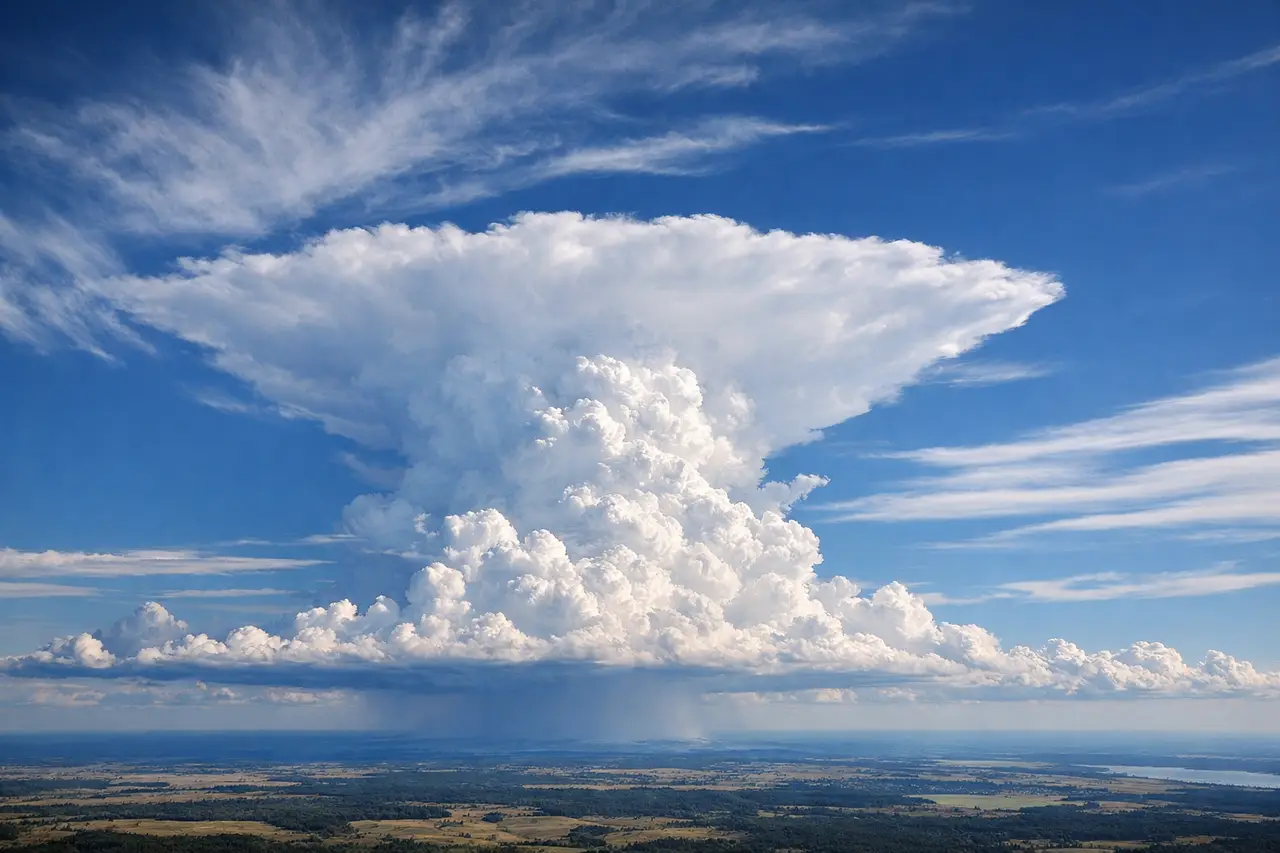
| Clouds in the sky (total water) | many billions of tons |
| The blue light itself | effectively zero |
What affects sky weight
- What you mean by sky. The atmosphere, clouds, or light each give very different answers.
- Surface pressure. For the atmosphere, pressure measures the air column's weight.
- Earth's area. Multiplying by the planet's area gives the atmosphere's total mass.
- Cloud water. Clouds hold large amounts of water, adding to a broader reading.
- Light has no rest mass. The blue color is scattered light with no ordinary weight.
- Altitude. Air thins with height, so most weight sits near the ground.
How sky weight compares
If you count the sky as the atmosphere, it weighs about a millionth of the Earth itself; the blue glow you actually see, however, weighs essentially nothing at all.
Frequently asked questions
Does the blue sky weigh anything?
Not in any meaningful sense. The blue color is sunlight scattered by air molecules, and light has no rest mass, so the color itself is effectively weightless.
So what gives the sky weight?
The air that makes up the atmosphere is what has mass. That atmosphere weighs about 5.15 quadrillion metric tons in total.
Do clouds add to the sky's weight?
Clouds hold large amounts of water, collectively billions of tons, but they are already part of the atmosphere's mass when you weigh the whole air column.