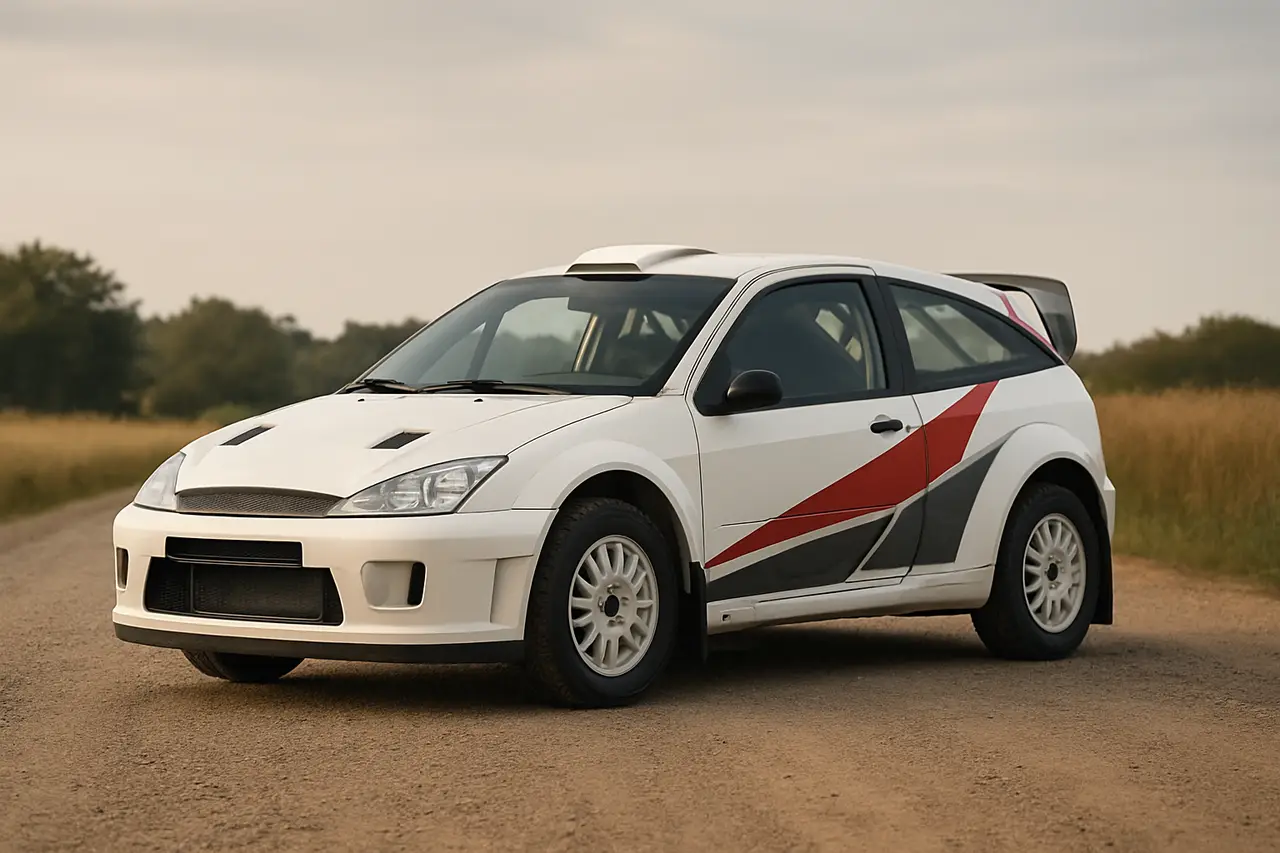
The short answer: A typical top-level rally car weighs about 1,230 kg (roughly 2,712 lbs), matching the minimum weight set by the FIA for World Rally Championship cars. Lower categories can be lighter.
Rally car weight by type
Rally cars are heavily modified production-based cars built to survive rough terrain. Their weight is largely set by the governing rules.
| Type (example) | Typical weight |
|---|---|
| WRC / Rally1 car | around 1,230 kg (2,712 lbs) |
| Rally2 car | around 1,230 kg (2,712 lbs) |
| Group N production car | 1,200-1,400 kg (2,645-3,085 lbs) |
| Historic rally car | 1,000-1,200 kg (2,205-2,645 lbs) |
| Rally raid / Dakar car | 1,500-2,000 kg (3,300-4,400 lbs) |
What affects rally car weight
- FIA regulations. Minimum weights set by the governing body largely determine a rally car's mass.
- Roll cage. A heavy welded safety cage is required and adds significant weight.
- Drivetrain. All-wheel-drive systems for grip add hardware and weight.
- Skid plates. Underbody protection for rough stages adds mass.
- Materials. Lightweight panels offset the weight of safety gear.
- Fuel and spares. Onboard fuel and a spare wheel add to running weight.
How rally car weight compares
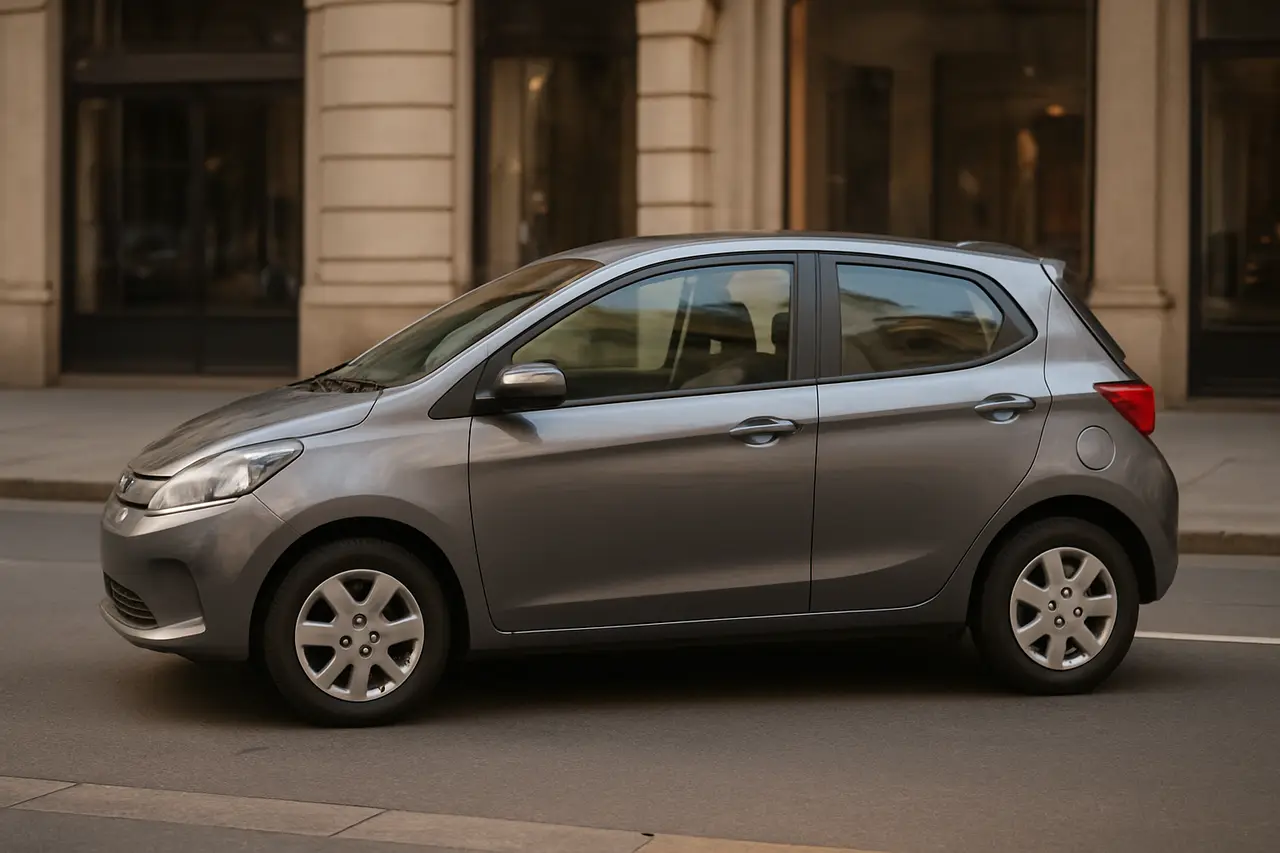
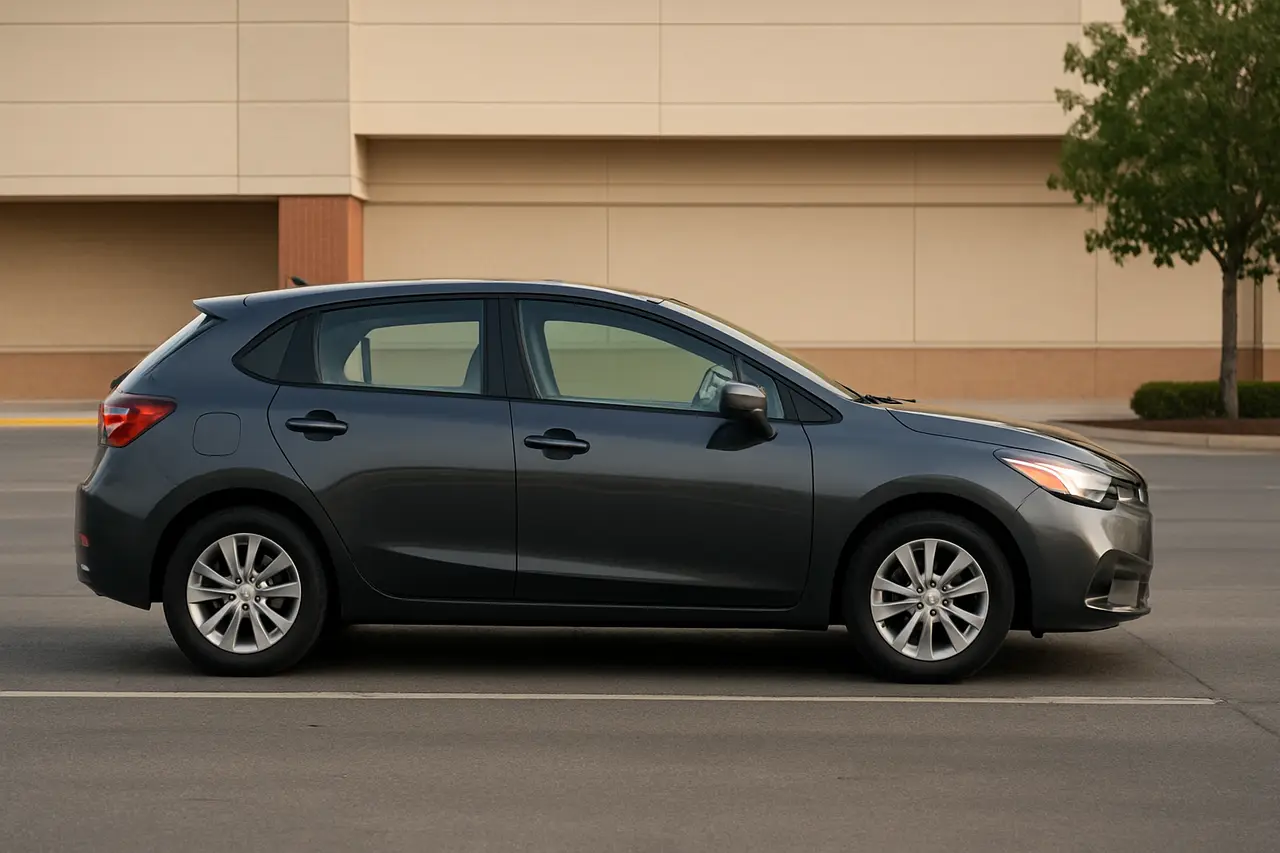
At about 1,230 kg, a WRC rally car weighs roughly the same as a small family hatchback, or a little less than a typical mid-size sedan.
Frequently asked questions
Why are rally cars heavier than circuit race cars?
Rally cars carry heavy roll cages, all-wheel drive and underbody protection to survive rough terrain, which adds weight.
How much does a WRC car weigh?
A current World Rally Championship Rally1 car has a minimum weight of around 1,230 kg (about 2,712 lbs).
Are rally cars based on road cars?
Yes. Most rally cars start from a production model and are then heavily modified for competition.