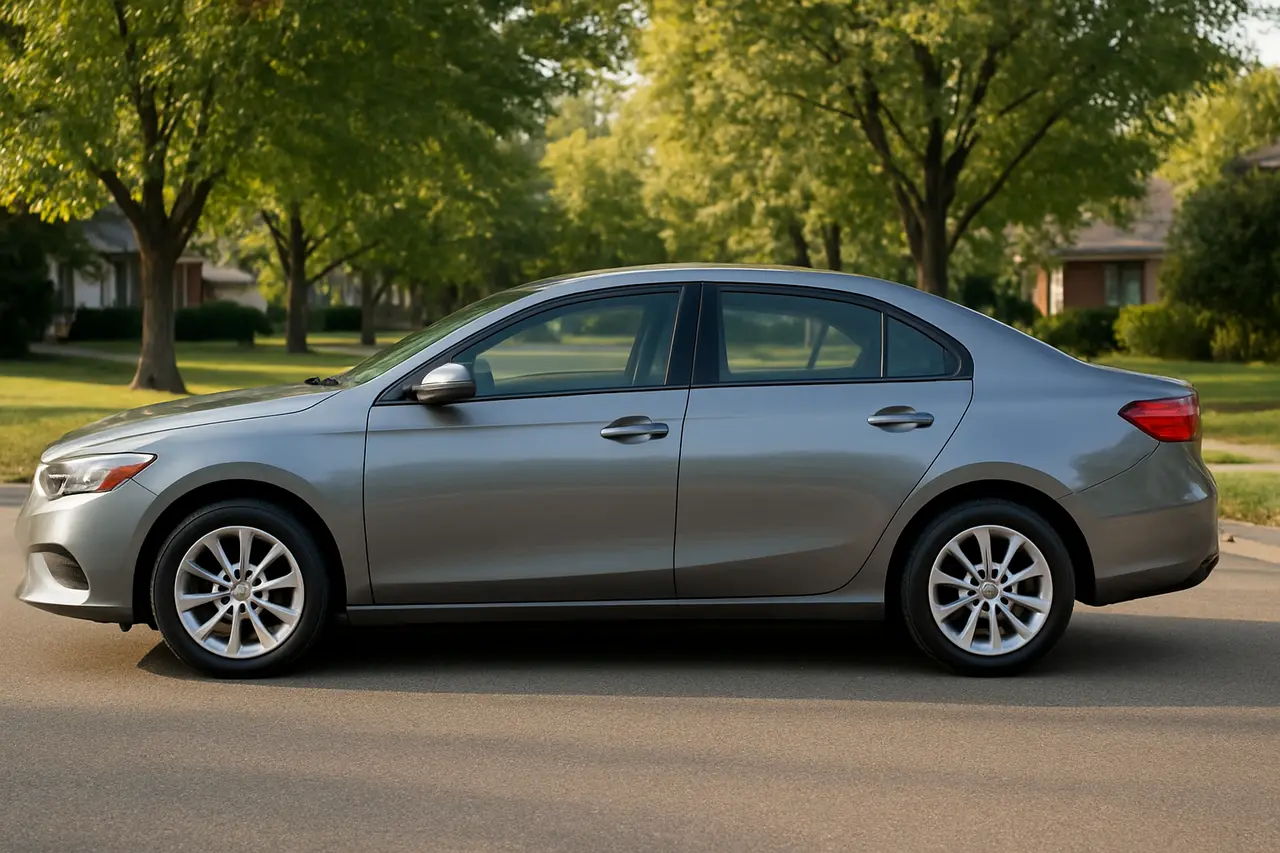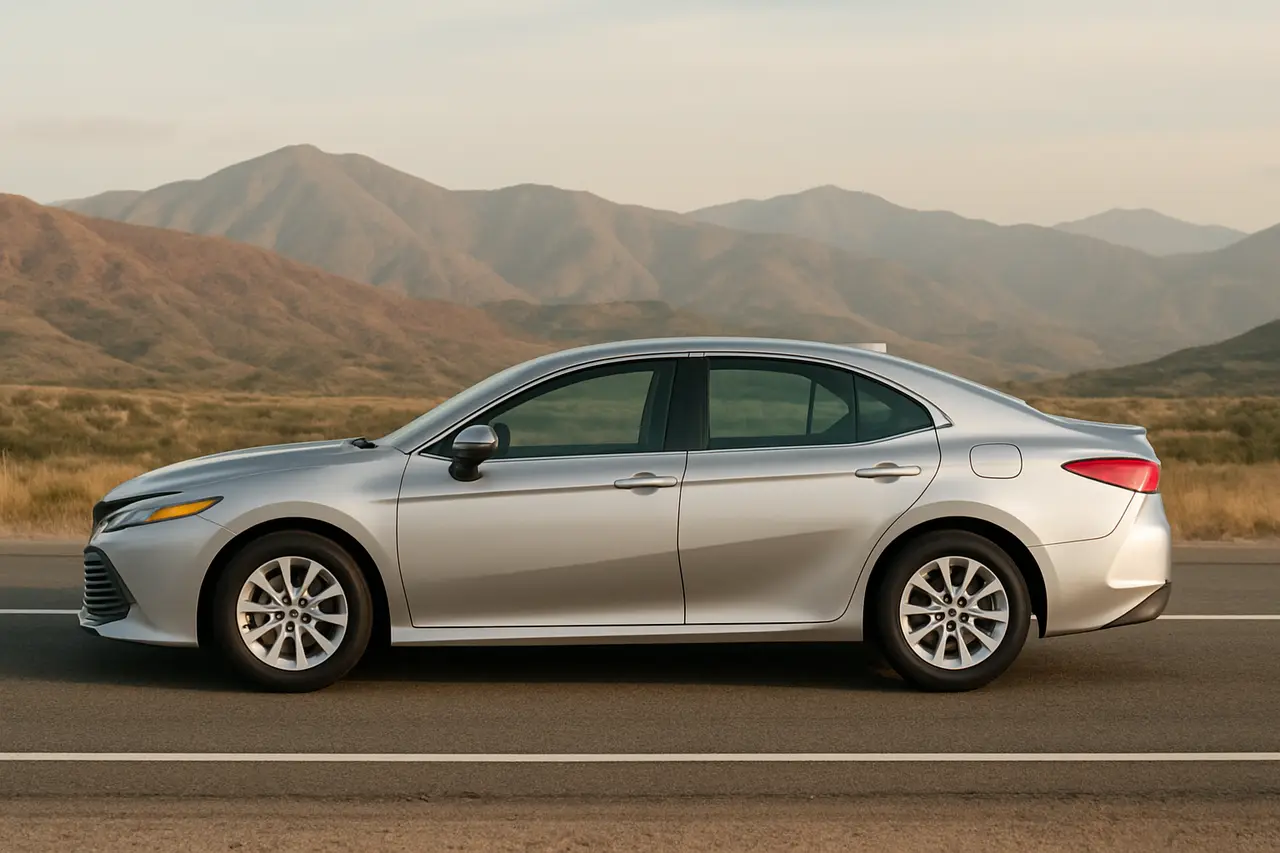
The short answer: Sedans generally weigh between 1,400 and 1,700 kg (about 3,086 to 3,748 lbs). The exact figure depends on the car's size class, materials and equipment.
Sedan weight by type
A sedan is a four-door car with a separate trunk, balancing comfort and space. Curb weights vary mainly by size class.
| Type (example) | Typical weight |
|---|---|
| Compact sedan | 1,200-1,400 kg (2,645-3,085 lbs) |
| Mid-size sedan | 1,400-1,600 kg (3,085-3,530 lbs) |
| Full-size sedan | 1,600-1,900 kg (3,530-4,190 lbs) |
| Luxury sedan | 1,700-2,100 kg (3,750-4,630 lbs) |
| Hybrid sedan | 1,500-1,800 kg (3,300-3,970 lbs) |
What affects sedan weight
- Size class. Larger sedans use more material and bigger engines, raising weight.
- Body materials. Aluminum and high-strength steel reduce weight in modern designs.
- Powertrain. Hybrid and electric sedans carry heavier battery packs.
- Trim level. Luxury features, leather and electronics add mass.
- Drivetrain. All-wheel drive adds extra hardware and weight.
- Safety equipment. Added airbags and reinforcements increase weight.
How sedan weight compares
A typical 1,500 kg sedan weighs about as much as a grand piano plus a small horse, or roughly 20 adult passengers.
Frequently asked questions
How much does a Toyota Camry weigh?
A Toyota Camry typically weighs around 1,500 to 1,600 kg (about 3,300 to 3,530 lbs), depending on the trim.
Is a sedan heavier than an SUV?
Usually no. Comparable SUVs are typically heavier than sedans because of their larger bodies and frequent all-wheel drive.
Does sedan weight affect fuel economy?
Yes. A heavier sedan generally uses more fuel, which is why automakers use lightweight materials to improve efficiency.