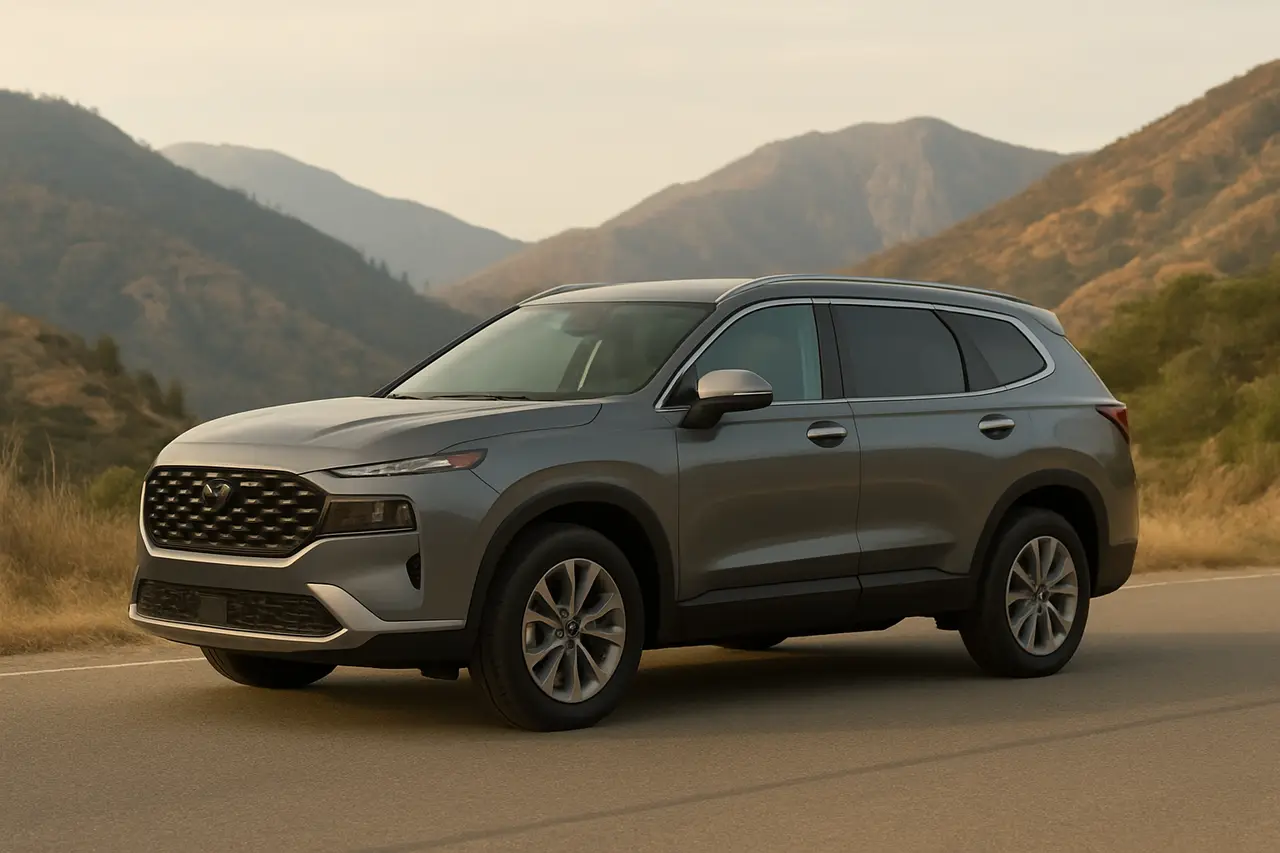
The short answer: Most SUVs weigh between 3,500 and 5,500 pounds (about 1,600 to 2,500 kg), depending on size and model. Compact crossovers are lighter, while full-size SUVs sit at the top.
SUV weight by type
Sport Utility Vehicles range from small crossovers to large body-on-frame models. Figures below are typical curb weights.
| Type (example) | Typical weight |
|---|---|
| Subcompact crossover | 1,400-1,600 kg (3,085-3,530 lbs) |
| Compact SUV | 1,600-1,900 kg (3,530-4,190 lbs) |
| Mid-size SUV | 1,900-2,300 kg (4,190-5,070 lbs) |
| Full-size SUV | 2,300-2,800 kg (5,070-6,170 lbs) |
| Electric SUV | 2,000-2,600 kg (4,400-5,730 lbs) |
What affects SUV weight
- Size class. Larger SUVs use more material and bigger engines, raising weight.
- Construction. Body-on-frame SUVs are heavier than car-based crossovers.
- Drivetrain. All-wheel and four-wheel drive add hardware and weight.
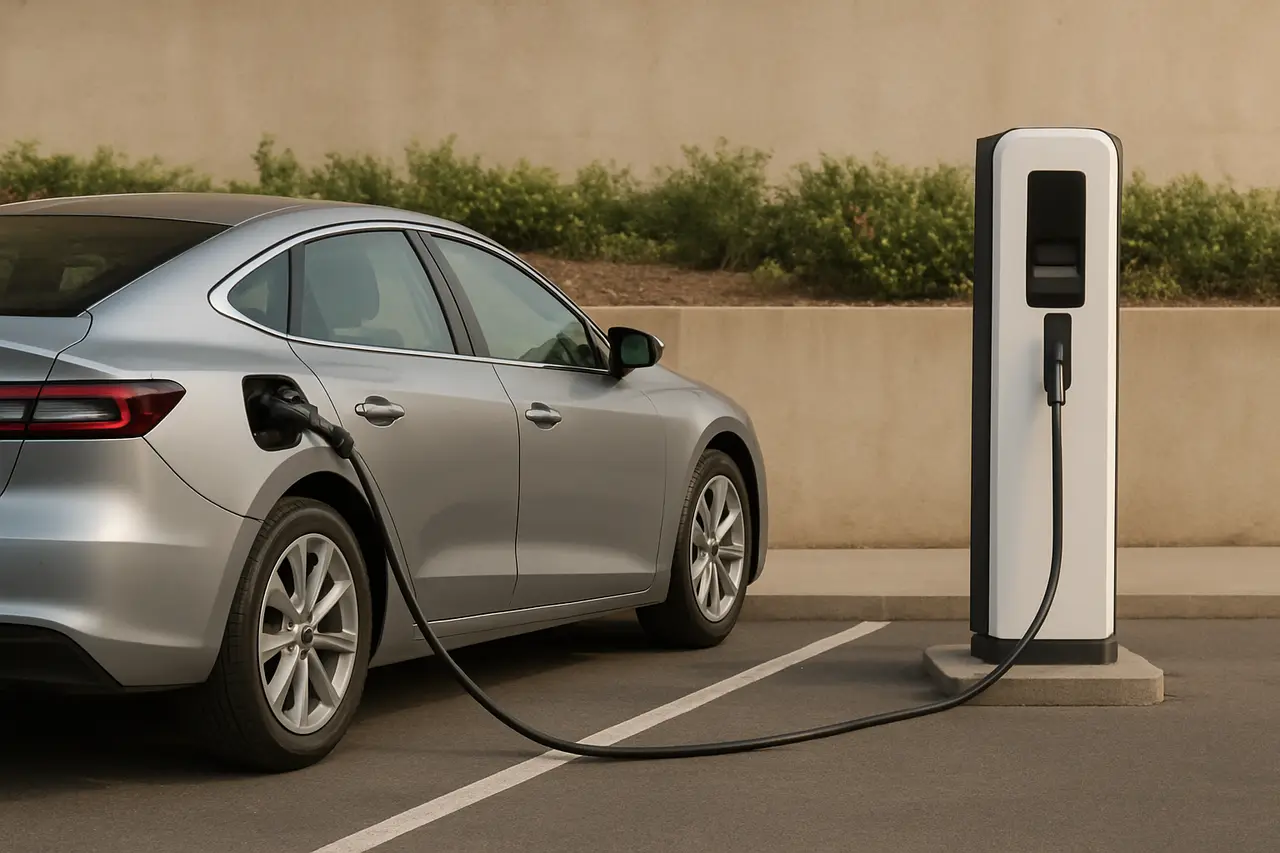
- Powertrain. Hybrid and electric SUVs carry heavy battery packs.
- Safety and tech. Added equipment has steadily raised SUV weights.
- Trim level. Luxury features, third-row seats and large wheels add mass.
How SUV weight compares
A full-size SUV at around 2,500 kg weighs roughly the same as a small adult elephant, or about 30 adult passengers.
Frequently asked questions
How much does a compact SUV weigh?
A compact SUV typically weighs around 1,600 to 1,900 kg (about 3,530 to 4,190 lbs).
Why are SUVs heavier than sedans?
SUVs have larger bodies, often use all-wheel drive and may use body-on-frame construction, all of which add weight.
How much does a full-size SUV weigh?
A full-size SUV typically weighs around 2,300 to 2,800 kg (about 5,070 to 6,170 lbs).