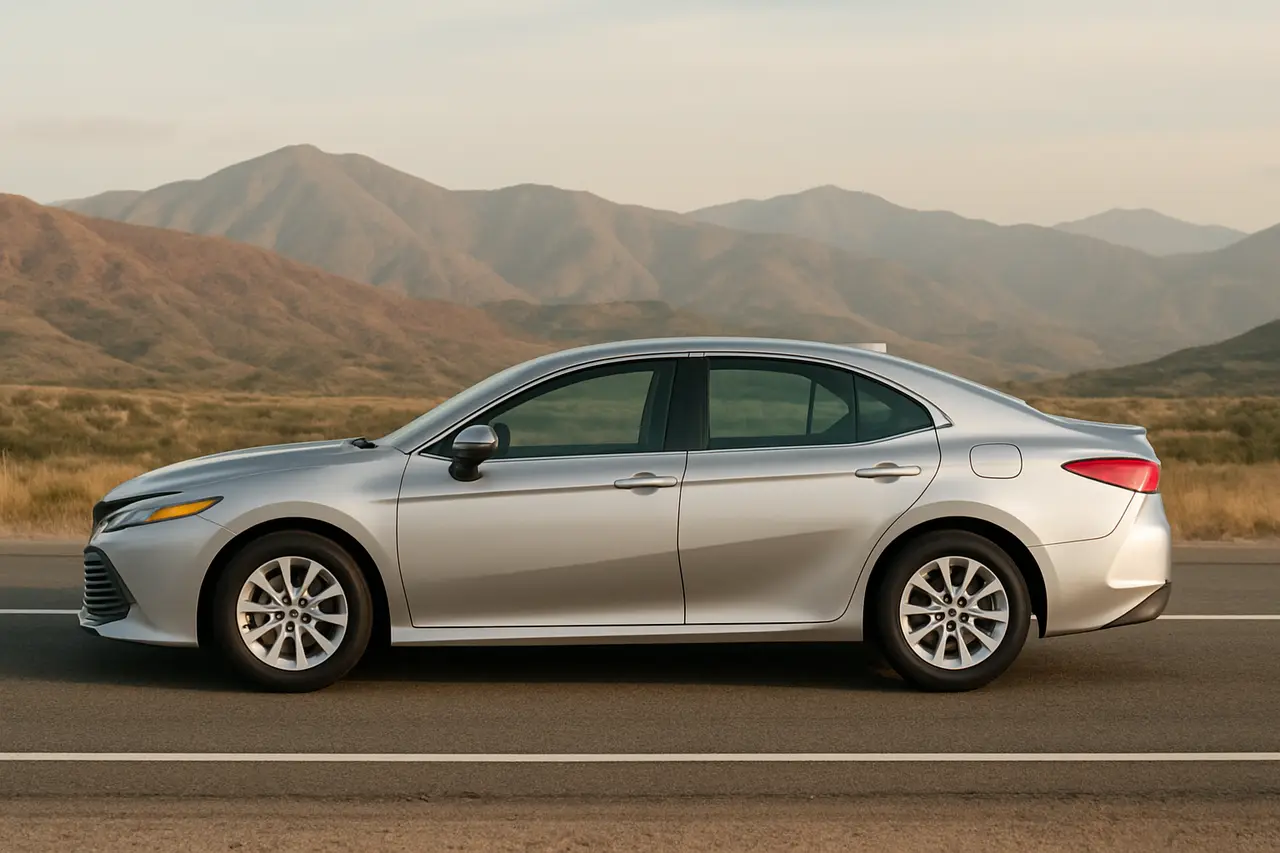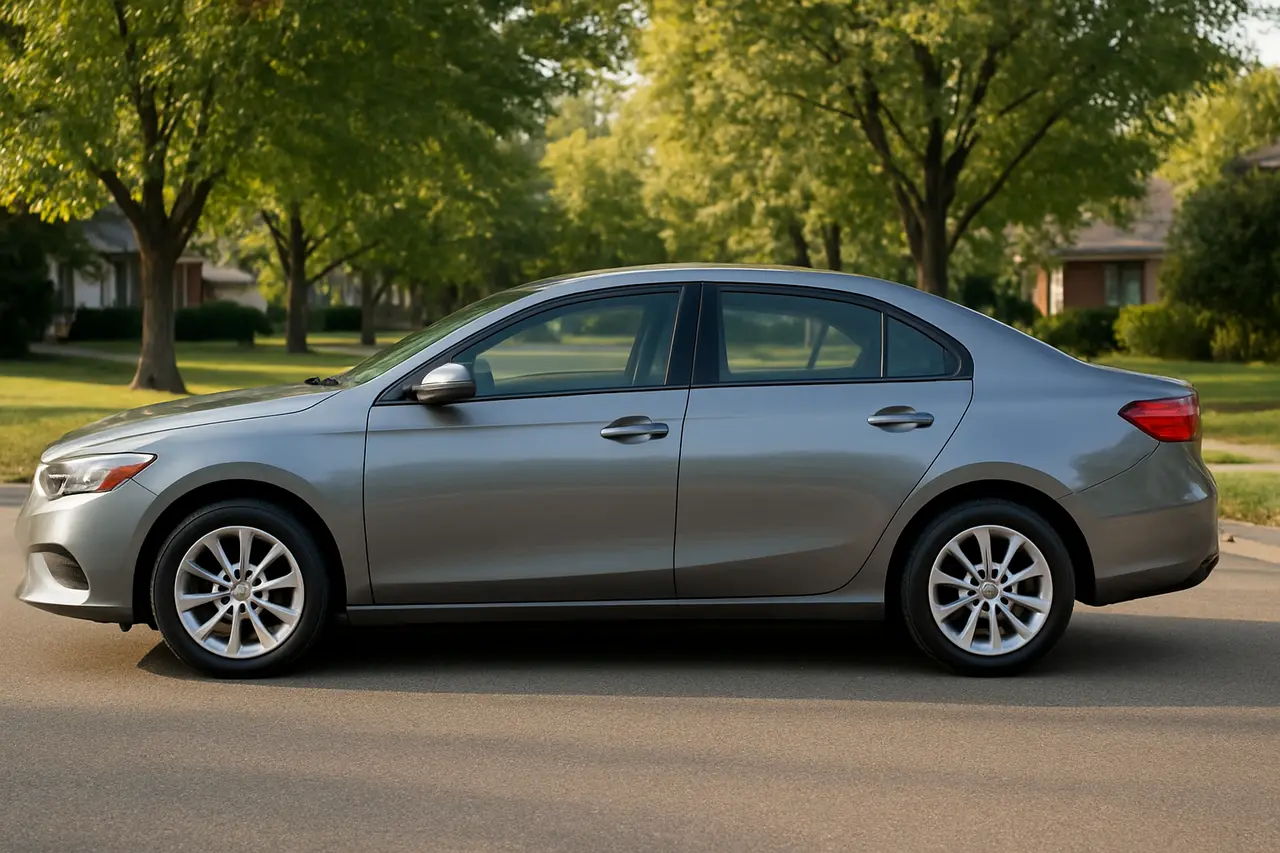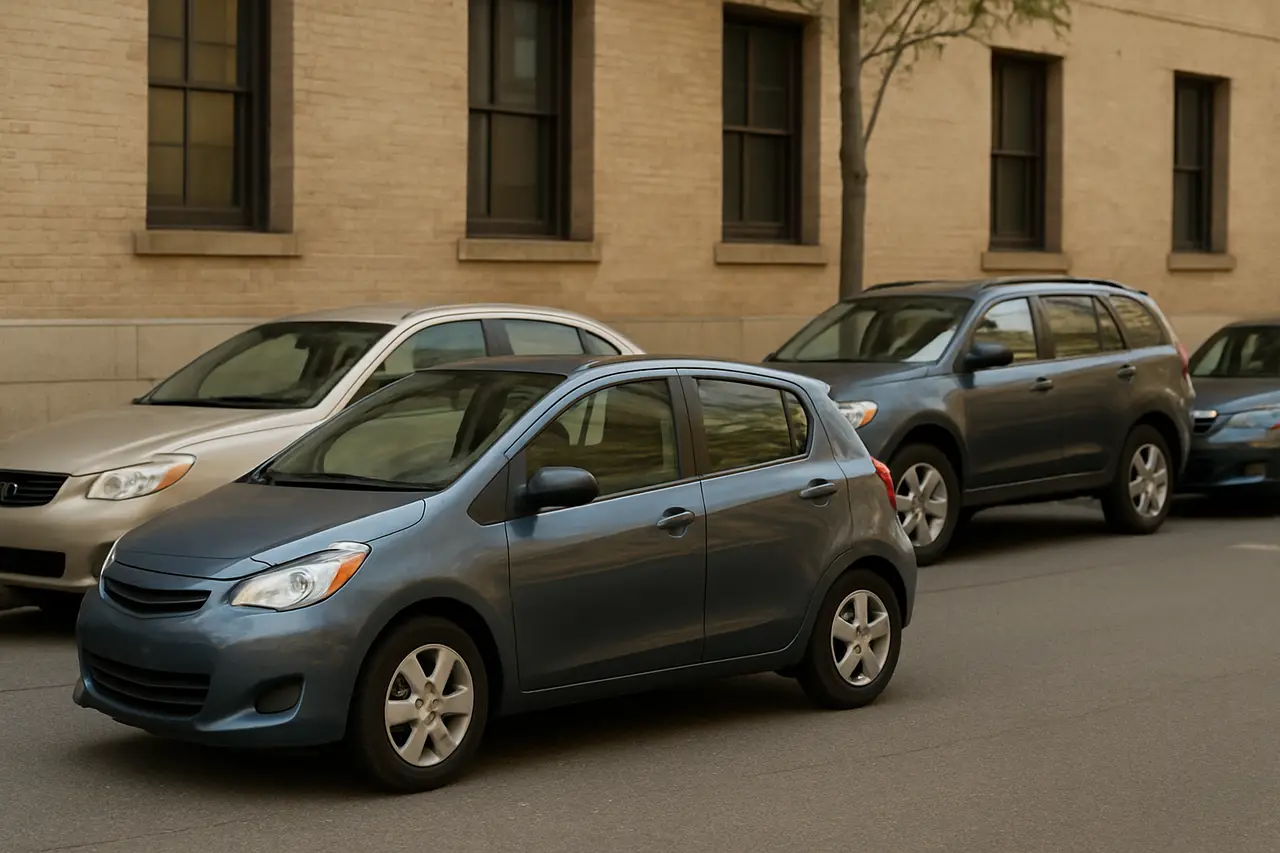
The short answer: Most cars weigh about 1,200 to 2,000 kg (2,645 to 4,409 lb), with compacts on the lighter end and large SUVs or trucks on the heavier side.
Car weight by type
Car weight depends on the body style, size, and powertrain, ranging from light compacts to heavy SUVs.
| Type (example) | Typical weight |
|---|---|
| Compact car | 1,100-1,400 kg (2,400-3,100 lb) |
| Midsize sedan | 1,400-1,700 kg (3,100-3,750 lb) |
| Large sedan | 1,700-2,000 kg (3,750-4,400 lb) |
| Mid-size SUV | 1,800-2,200 kg (4,000-4,850 lb) |
| Electric SUV | 2,000-2,700 kg (4,400-6,000 lb) |
What affects car weight
- Size and class. Larger vehicles use more material and weigh more.
- Powertrain. Electric cars carry heavy batteries that add weight.
- Body materials. Aluminum and carbon parts reduce weight versus steel.
- Features. Sunroofs, sound systems, and safety gear add pounds.
- Drivetrain. All-wheel drive adds weight over front-wheel drive.
- Fuel and cargo. A full tank and passengers raise the loaded weight.
How car weight compares
A typical car at around 1,500 kg weighs roughly as much as a small adult elephant, or about two grand pianos.
Frequently asked questions
How much does an average car weigh?
Most cars weigh between about 1,200 and 2,000 kg (2,645 to 4,409 lb), depending on the type.
Why are electric cars heavier?
Electric cars carry large battery packs, which can add several hundred kilograms compared with a similar gasoline model.
How much does a small car weigh?
A compact car typically weighs around 1,100 to 1,400 kg (2,400 to 3,100 lb).