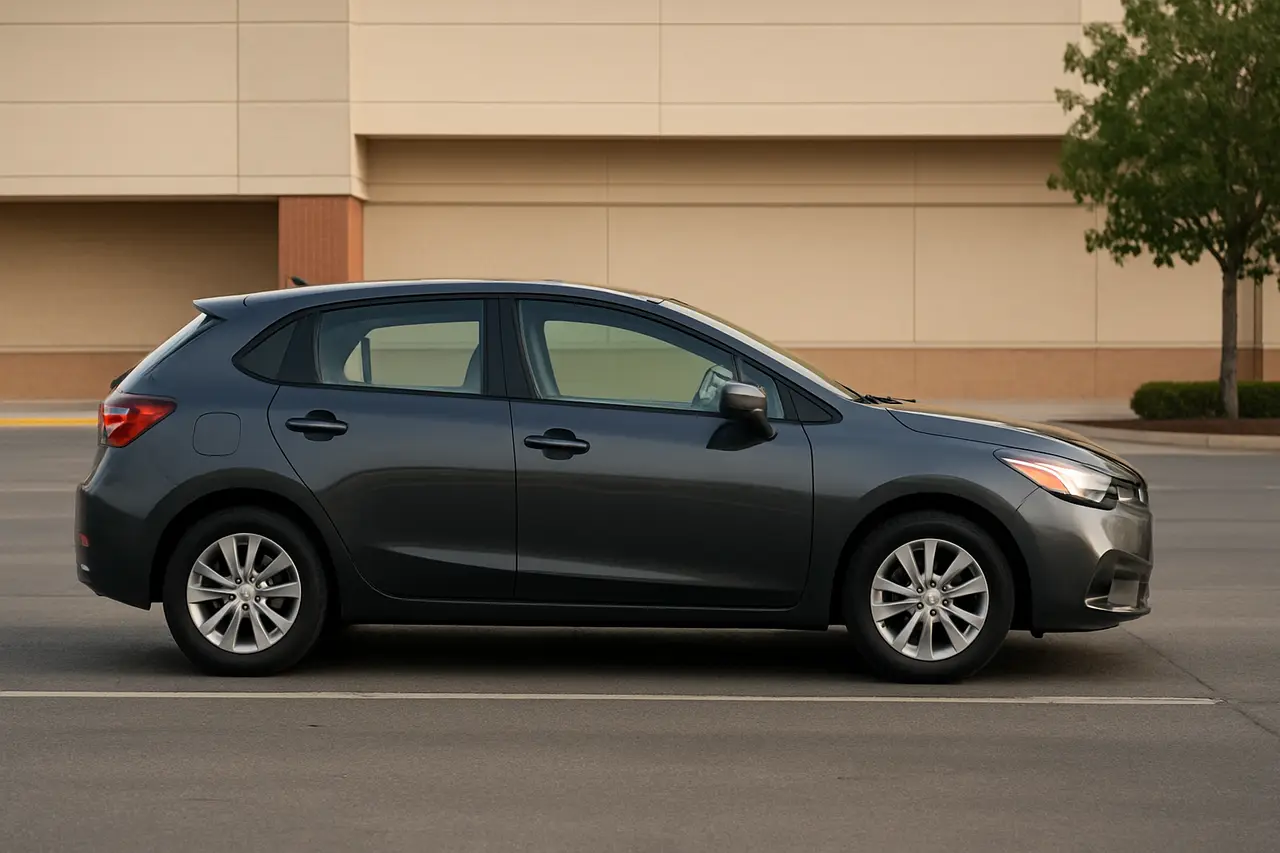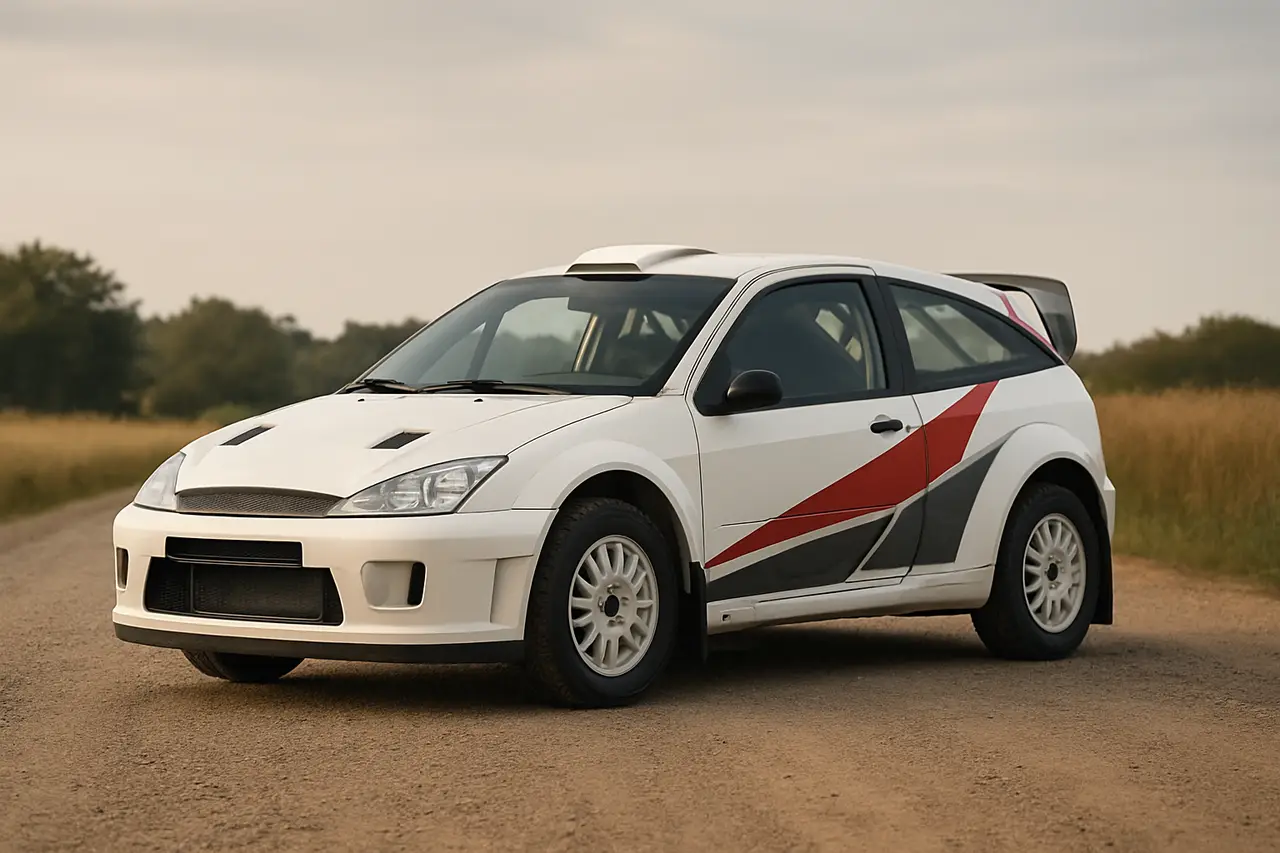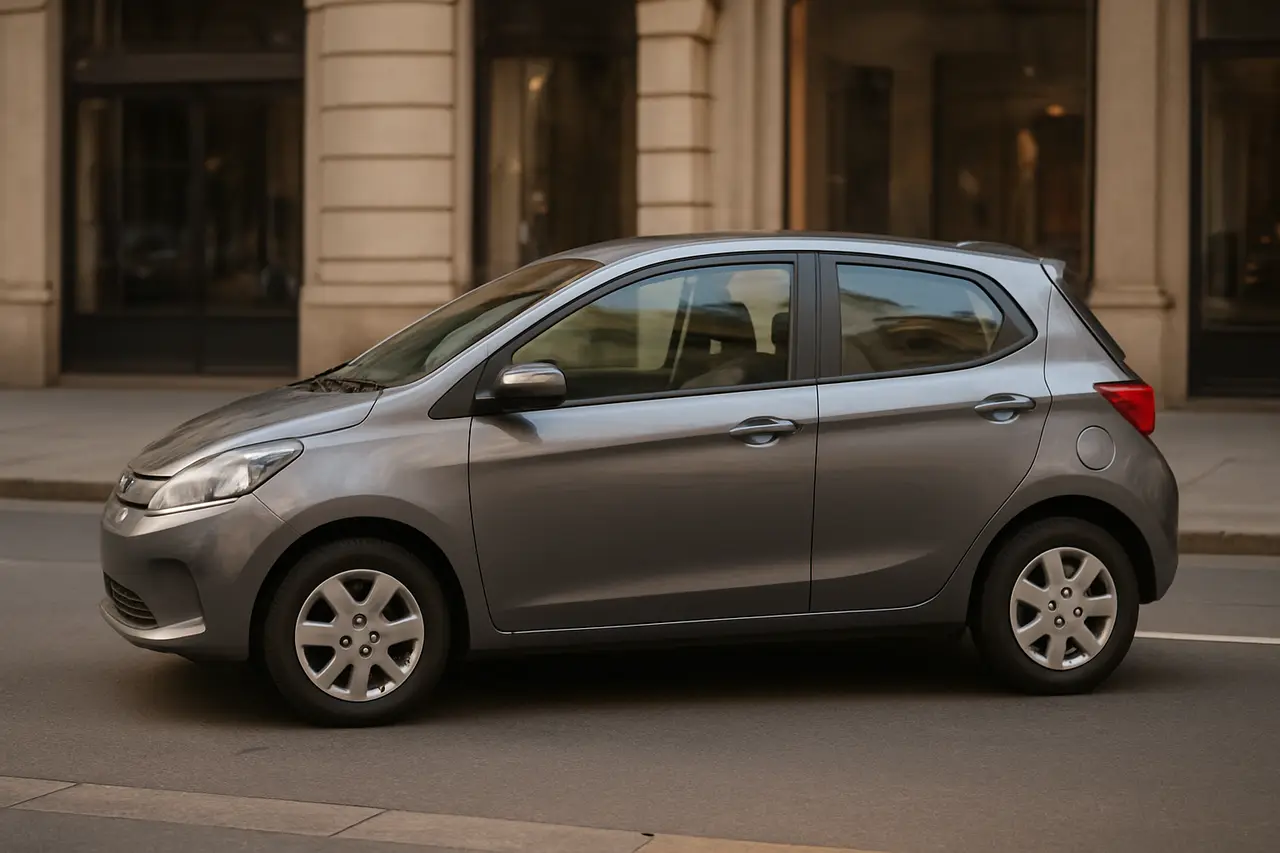
The short answer: A compact car typically weighs about 1,100 to 1,400 kg (2,425 to 3,086 lb), making it lighter than most larger vehicles.
Compact car weight by type
Compact cars are small, fuel-efficient vehicles popular for city driving, and their light weight is part of the appeal.
| Type (example) | Typical weight |
|---|---|
| Subcompact car | 1,000-1,200 kg (2,200-2,650 lb) |
| Compact hatchback | 1,100-1,350 kg (2,425-2,975 lb) |
| Compact sedan | 1,200-1,400 kg (2,650-3,086 lb) |
| Compact hybrid | 1,300-1,500 kg (2,870-3,300 lb) |
| Compact EV | 1,400-1,700 kg (3,086-3,750 lb) |
What affects compact car weight
- Body style. Sedans, hatchbacks, and EVs in the class vary in weight.
- Powertrain. Hybrid and electric versions are heavier than gasoline ones.
- Trim and features. Added equipment raises the curb weight.
- Materials. Lighter alloys reduce weight versus heavier steel.
- Transmission. Automatic gearboxes can add a little weight.
- Drivetrain. All-wheel drive adds weight over front-wheel drive.
How compact car weight compares
A compact car at around 1,250 kg weighs roughly as much as a small adult horse, or about ten washing machines.
Frequently asked questions
How much does a compact car weigh?
Compact cars typically weigh between 1,100 and 1,400 kg (2,425 to 3,086 lb).
Are compact cars lighter than sedans?
Yes, compact cars are generally lighter than midsize and full-size sedans, which helps fuel efficiency.
How much does a compact electric car weigh?
Compact EVs are heavier than gasoline versions, often around 1,400 to 1,700 kg (3,086 to 3,750 lb) because of the battery.