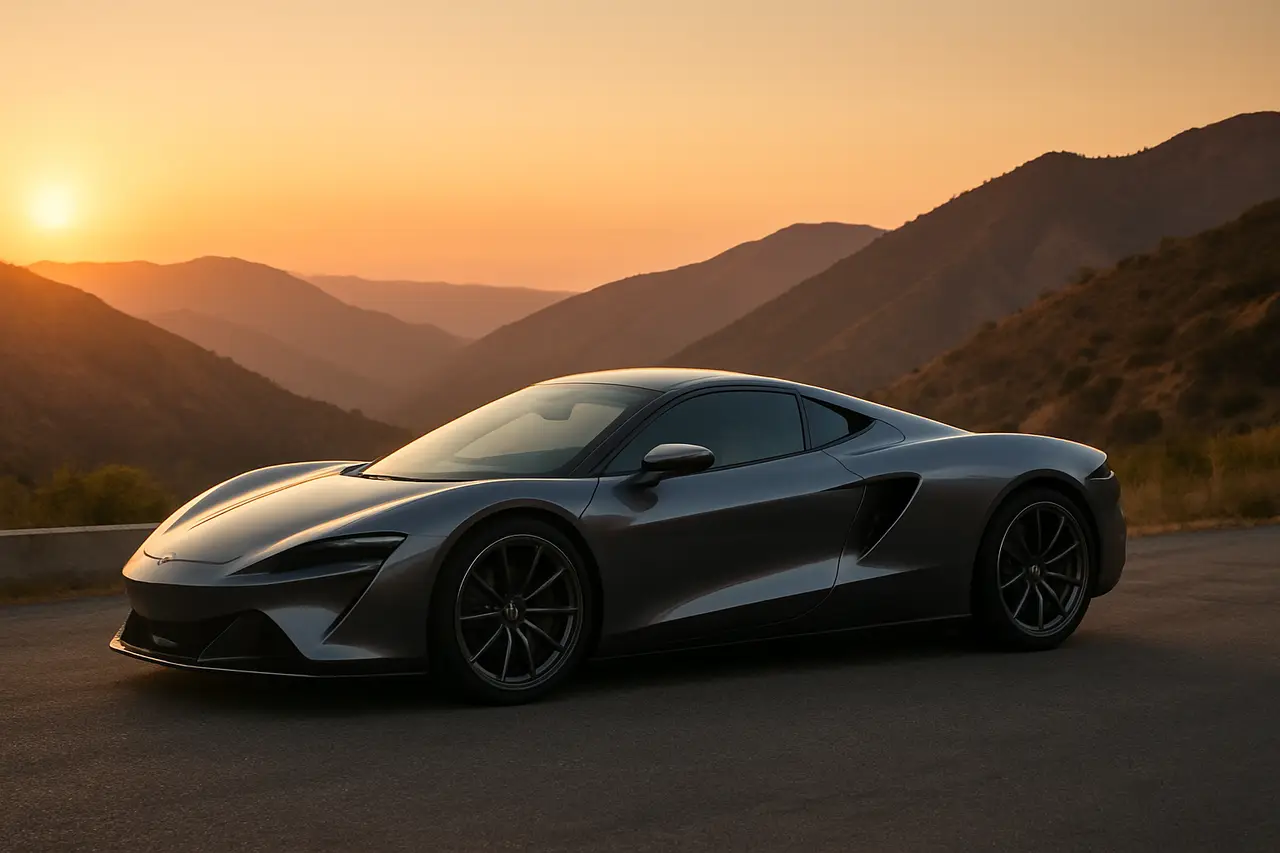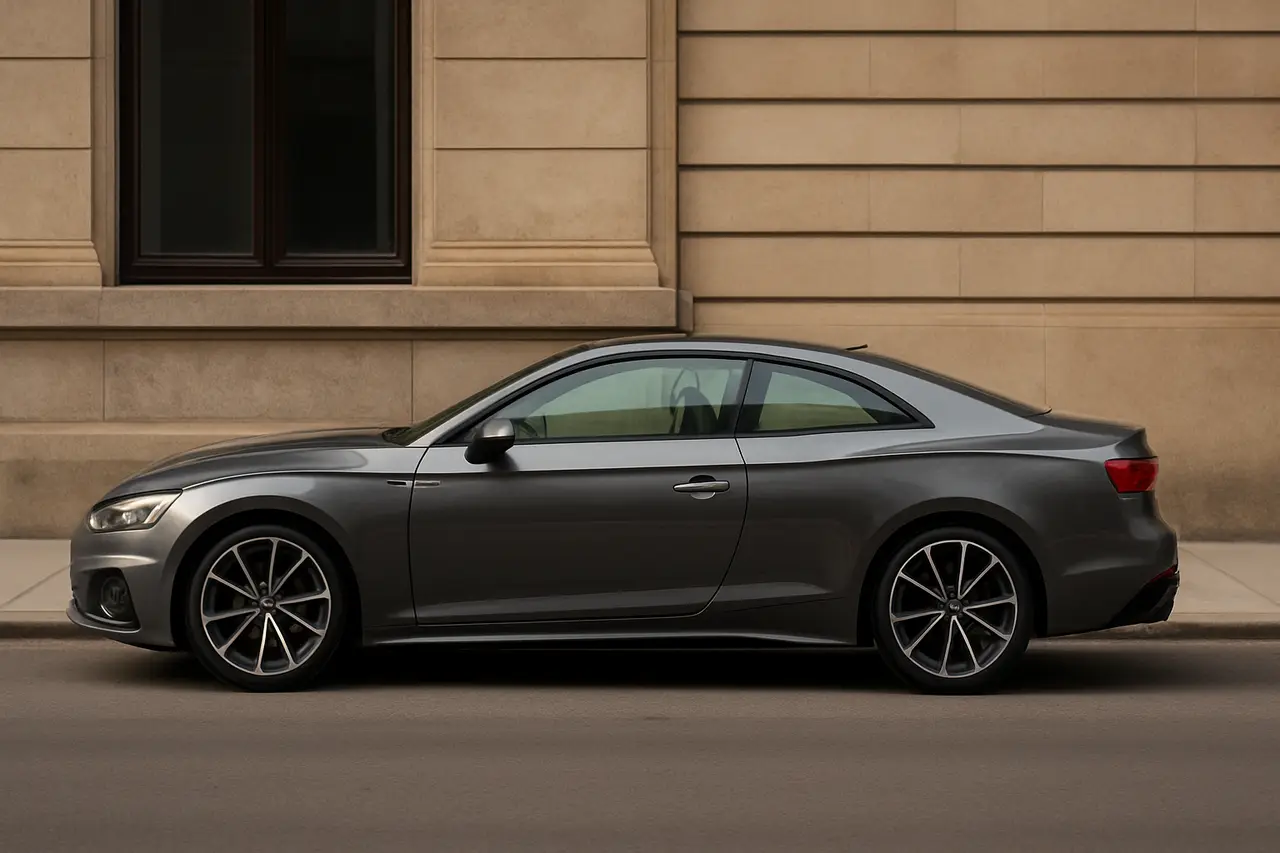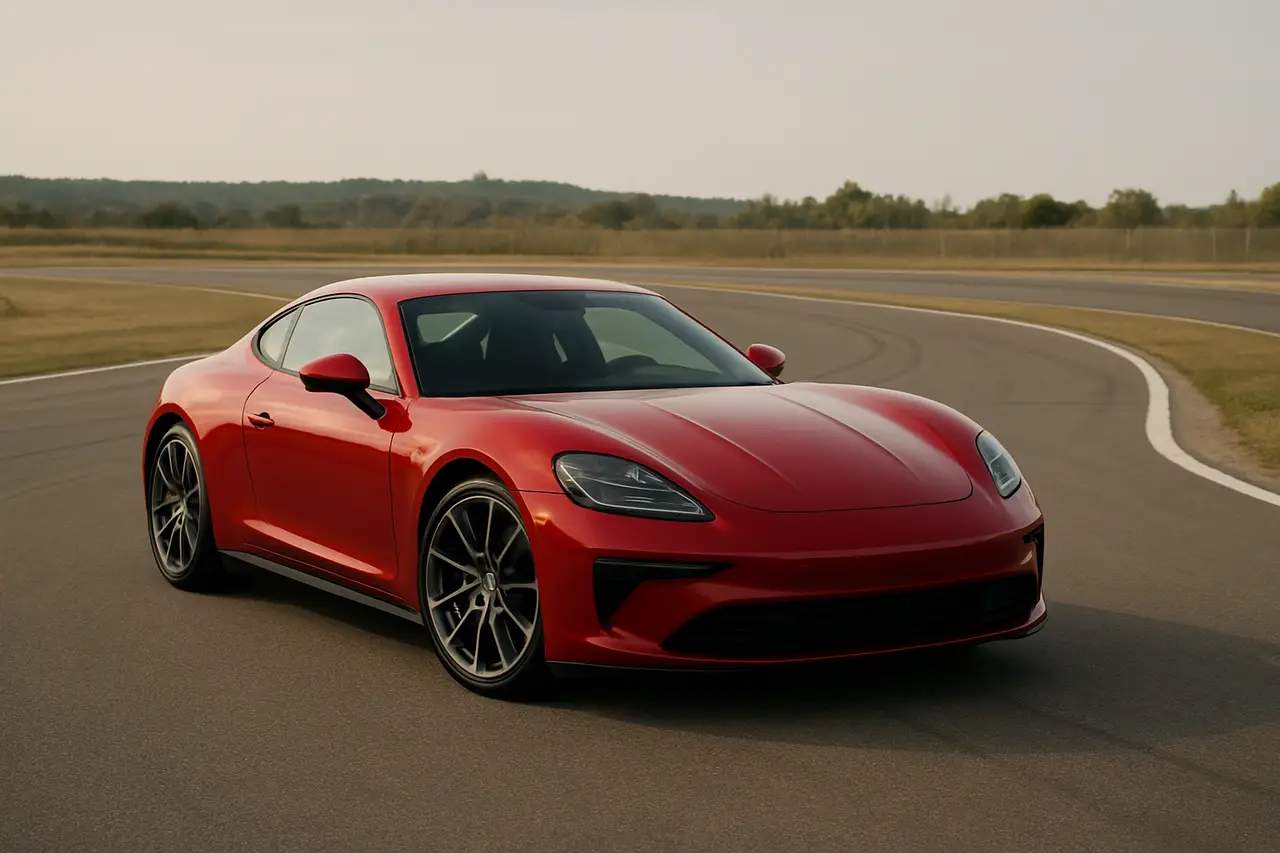
The short answer: Sports cars typically weigh between 1,200 and 1,600 kilograms (about 2,645 to 3,530 lbs). Lightweight materials like aluminum and carbon fiber help keep them agile.
Sports car weight by type
Sports cars prioritize acceleration, cornering and braking, so designers work hard to minimize weight. Figures below are typical curb weights.
| Type (example) | Typical weight |
|---|---|
| Lightweight roadster (e.g. Mazda MX-5) | 1,000-1,150 kg (2,205-2,535 lbs) |
| Compact sports coupe | 1,200-1,400 kg (2,645-3,085 lbs) |
| Grand tourer | 1,500-1,800 kg (3,300-3,970 lbs) |
| Sports sedan | 1,500-1,700 kg (3,300-3,750 lbs) |
| Track-focused sports car | 1,150-1,400 kg (2,535-3,085 lbs) |
What affects sports car weight
- Materials. Aluminum, carbon fiber and composites cut weight versus steel.
- Engine layout. Larger or hybrid powertrains add weight.
- Body style. Grand tourers carry more equipment and weigh more than stripped roadsters.
- Drivetrain. All-wheel-drive systems add hardware and mass.
- Comfort features. Audio, climate and luxury trim add weight.
- Safety structures. Reinforcements and airbags add some mass.
How sports car weight compares
A 1,300 kg sports car weighs roughly the same as a grand piano plus a vending machine, and noticeably less than a typical SUV.
Frequently asked questions
How much does a Porsche 911 weigh?
A Porsche 911 typically weighs around 1,500 to 1,650 kg (about 3,300 to 3,640 lbs), depending on the variant.
Why are sports cars made lightweight?
Less weight improves acceleration, braking and cornering, so designers use light materials to boost performance.
What is the difference between a sports car and a supercar?
Supercars are a higher tier with extreme performance, exotic materials and far higher prices, though both aim to be light.