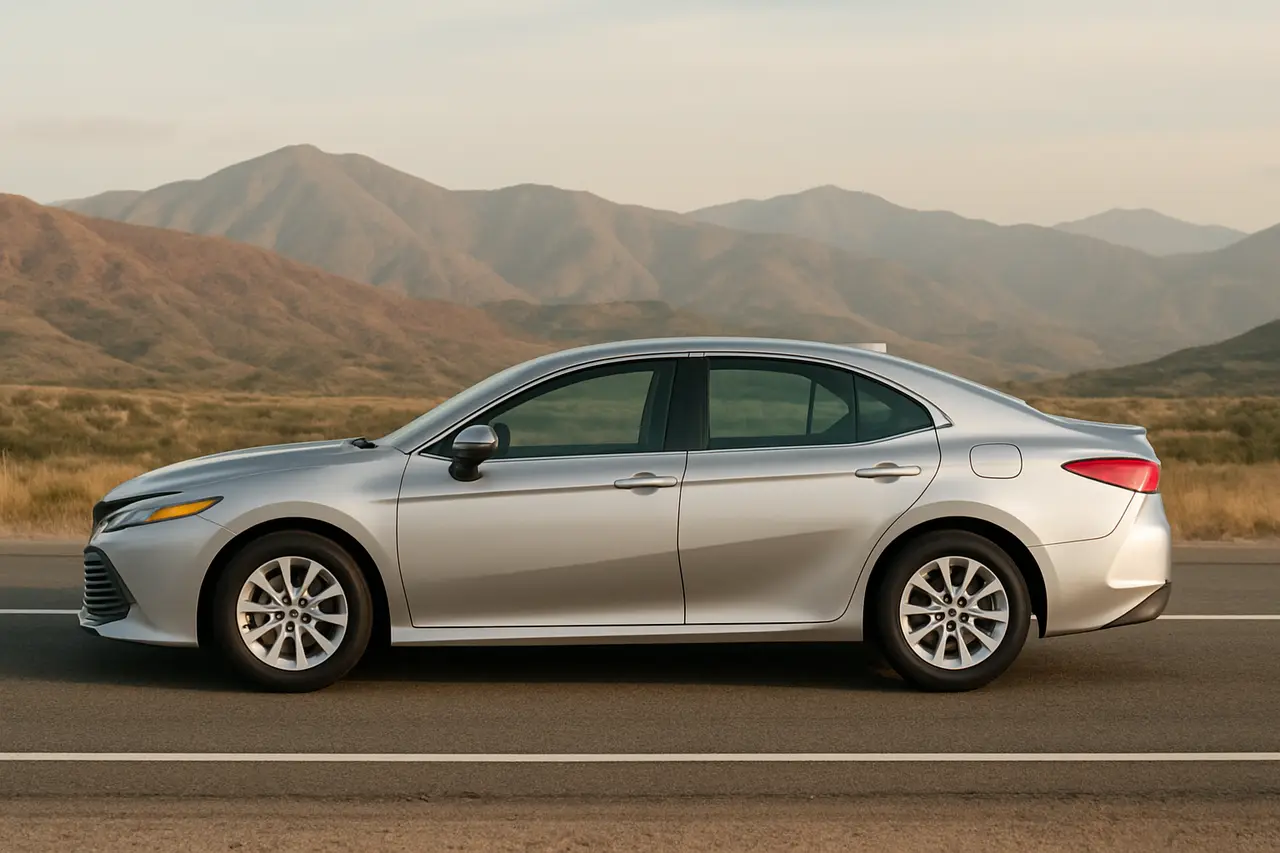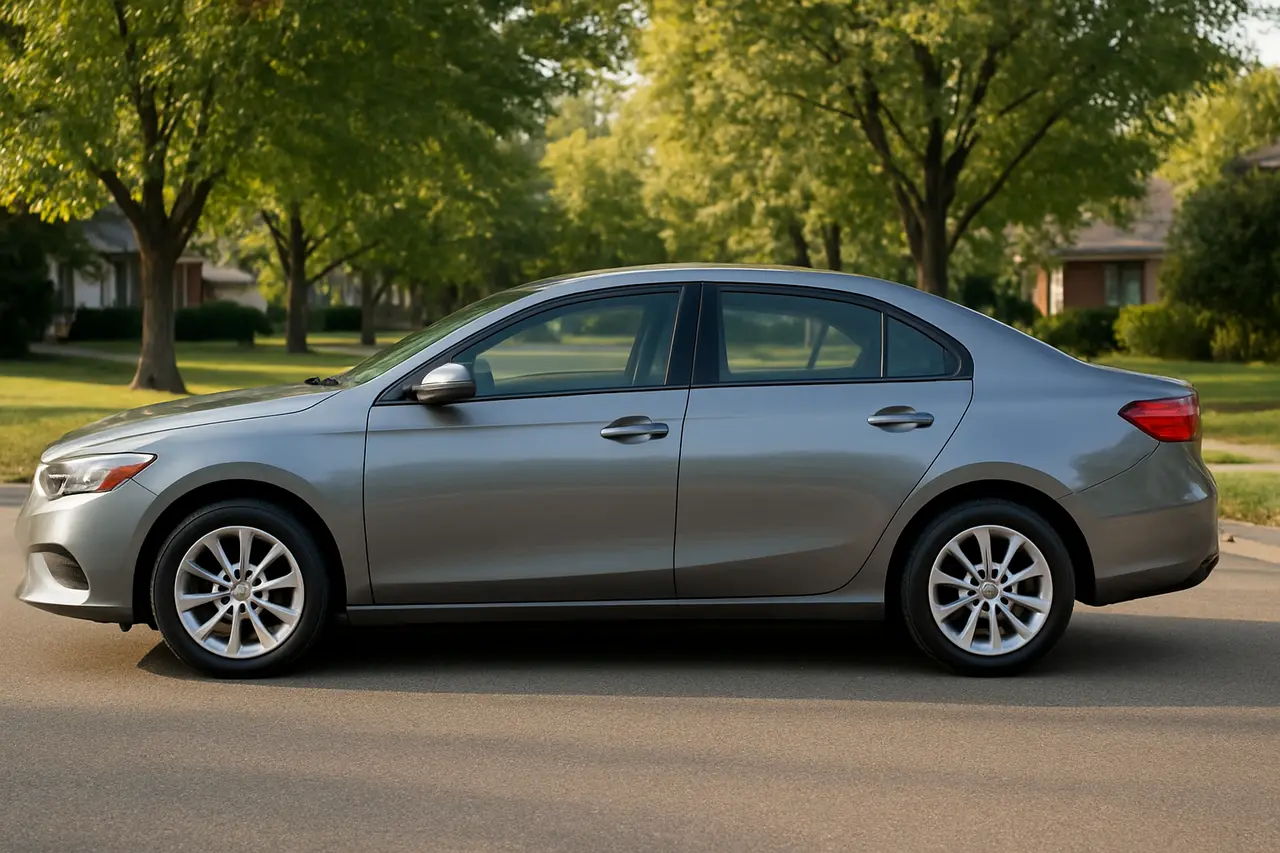
The short answer: The average passenger car weighs around 1,300 to 1,800 kg (about 2,866 to 3,968 lbs), depending on its size and features. Compact cars sit at the lighter end, while larger sedans approach the higher figure.
Passenger car weight by type
Passenger cars are built primarily to carry people rather than cargo. Their weight, given here as curb weight, affects fuel economy and handling.
| Type (example) | Typical weight |
|---|---|
| City / subcompact car | 900-1,100 kg (1,985-2,425 lbs) |
| Compact car | 1,100-1,400 kg (2,425-3,085 lbs) |
| Mid-size sedan | 1,400-1,600 kg (3,085-3,530 lbs) |
| Full-size sedan | 1,600-1,900 kg (3,530-4,190 lbs) |
| Station wagon | 1,500-1,800 kg (3,300-3,970 lbs) |
What affects passenger car weight
- Vehicle size. Larger cars use more material and carry bigger engines, raising weight.
- Body materials. Aluminum and high-strength steel reduce weight versus older all-steel designs.
- Powertrain. Hybrid and electric versions are heavier because of battery packs.
- Equipment. Sunroofs, all-wheel drive and premium interiors add mass.
- Safety features. Reinforcements and added airbags increase weight in modern cars.
- Fuel load. A full tank adds roughly 40-60 kg over an empty one.
How passenger car weight compares
A typical 1,500 kg passenger car weighs about as much as a grand piano and a small horse combined, or roughly 20 adult passengers.
Frequently asked questions
What is the average car weight in pounds?
The average passenger car weighs roughly 2,900 to 4,000 pounds, with the overall average often cited near 3,000-3,500 pounds.
Does curb weight include passengers?
No. Curb weight is the car ready to drive with fluids but without passengers or cargo.
Are cars getting heavier?
Yes. Added safety equipment, larger sizes and electrification have steadily increased average car weight over recent decades.