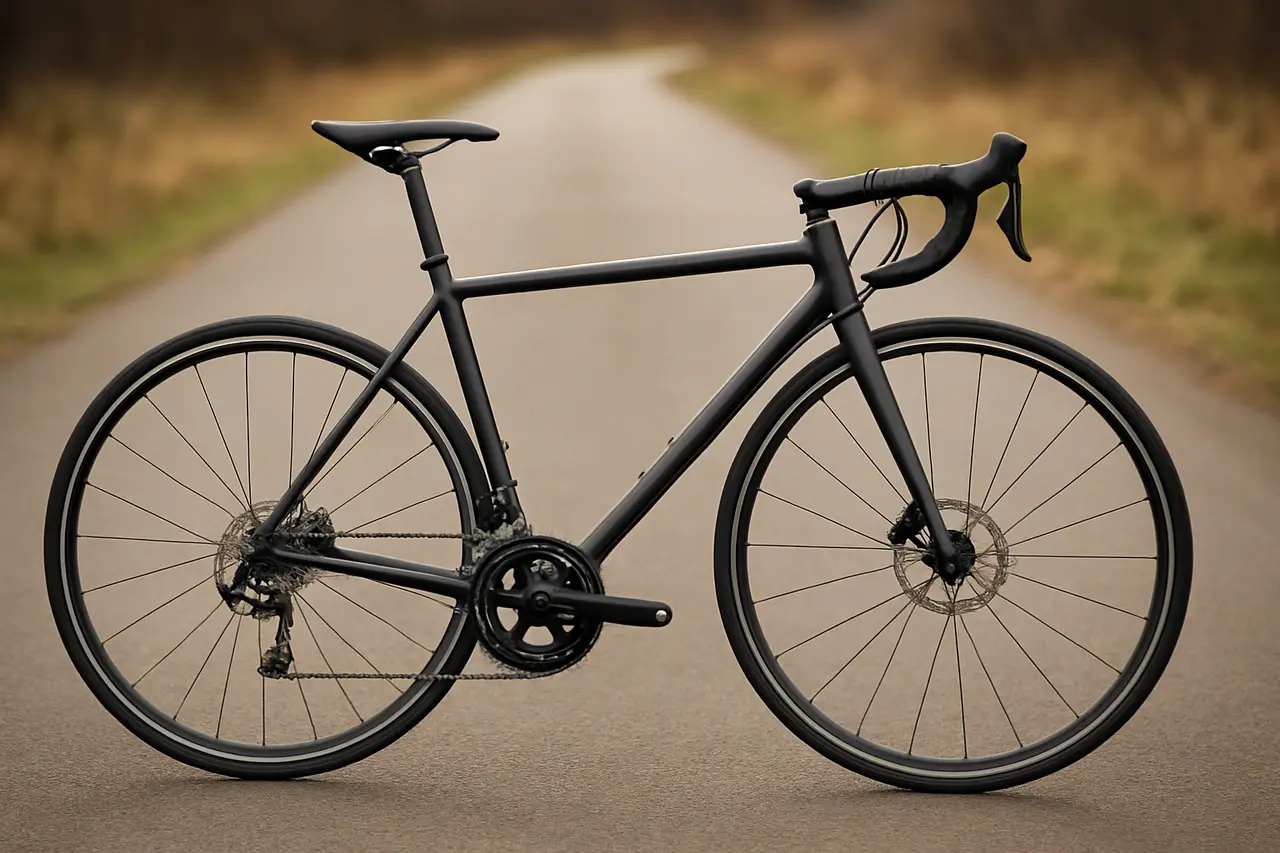
The short answer: A typical adult bicycle weighs about 10 to 15 kg (22 to 33 lb), though lightweight racing bikes can be as little as 6.8 kg (15 lb).
Bicycle weight by type
Bicycle weight depends heavily on the type, frame material, and components.
| Type (example) | Typical weight |
|---|---|
| Road racing bike | 6.8-9 kg (15-20 lb) |
| Hybrid / commuter bike | 11-14 kg (24-31 lb) |
| Mountain bike | 12-16 kg (26-35 lb) |
| Cruiser bike | 15-18 kg (33-40 lb) |
| Electric bike (with battery) | 20-30 kg (44-66 lb) |
What affects bicycle weight
- Frame material. Carbon and titanium frames are lighter than steel or basic aluminum.
- Bike type. Road bikes are built light while cruisers and e-bikes are heavier.
- Components. Wheels, gears, and brakes vary in weight by quality.
- Battery and motor. Electric bikes carry significant extra weight.
- Accessories. Racks, fenders, and locks add to the total.
- Frame size. Larger frames use more material and weigh slightly more.
How bicycle weight compares
A typical bicycle at around 12 kg weighs about the same as a large bag of dog food, while a featherweight race bike is closer to a full watermelon.
Frequently asked questions
How much does an average bicycle weigh?
A typical adult bicycle weighs about 10 to 15 kg (22 to 33 lb), depending on the type.
How light can a road bike be?
Competition road bikes are often limited to around 6.8 kg (15 lb), the minimum allowed in professional racing.
Why are electric bikes so heavy?
E-bikes carry a motor and battery, which typically add 5 to 10 kg, pushing them to around 20 to 30 kg (44 to 66 lb).