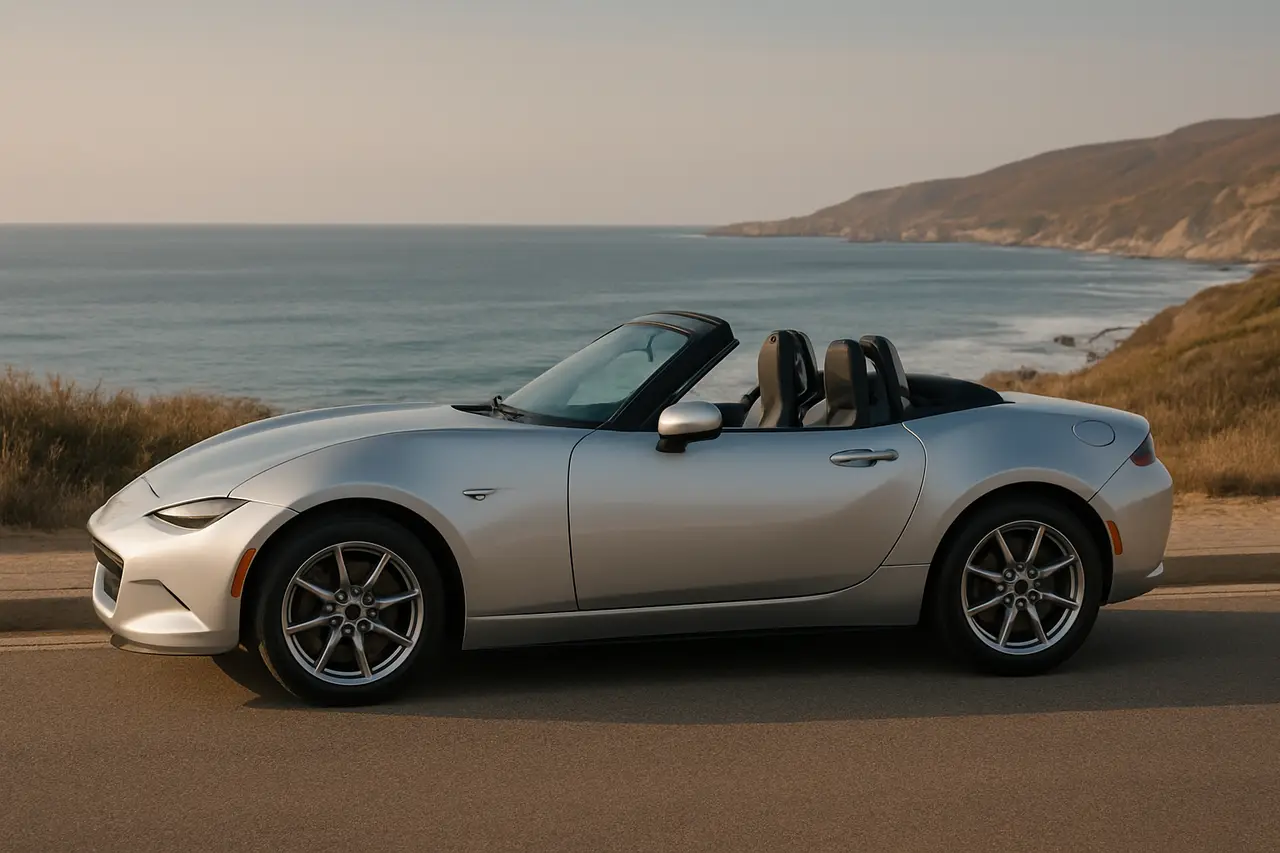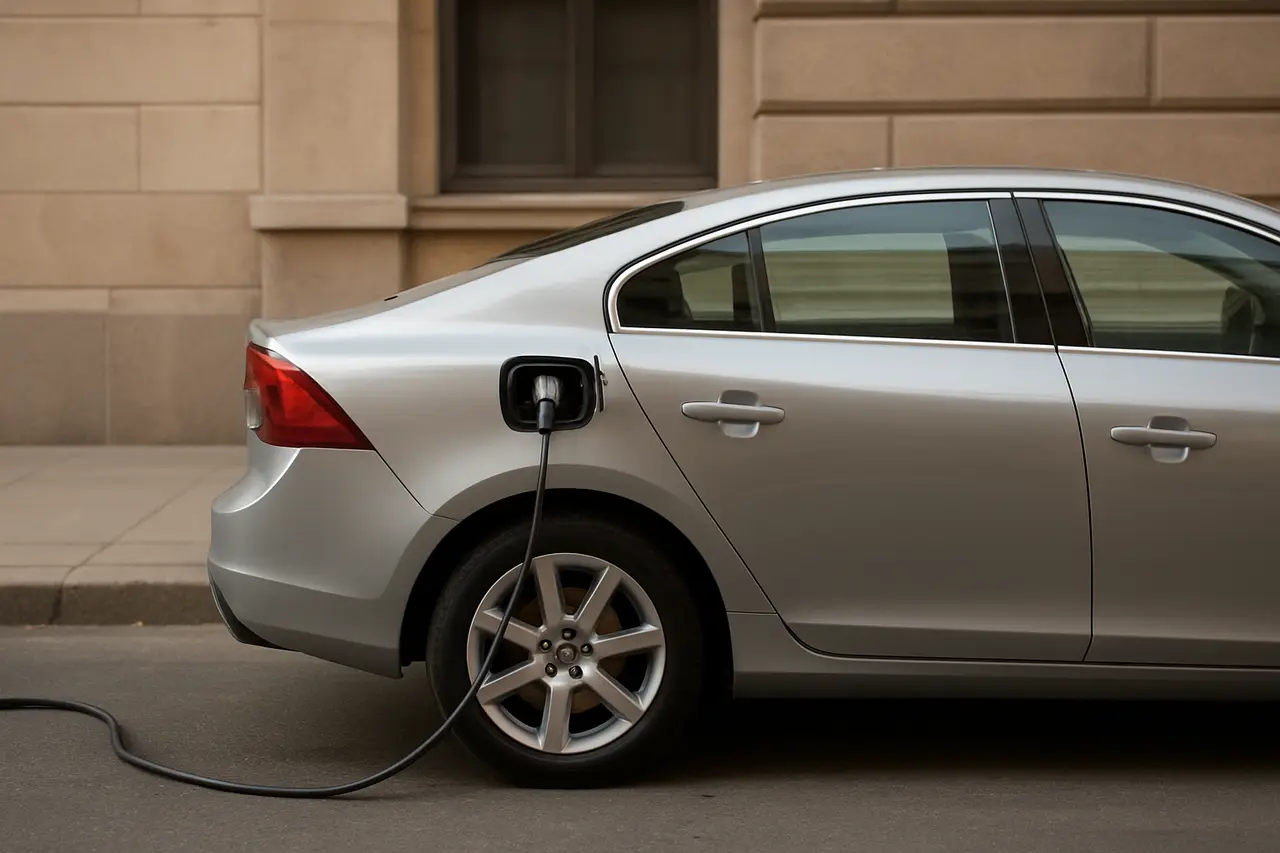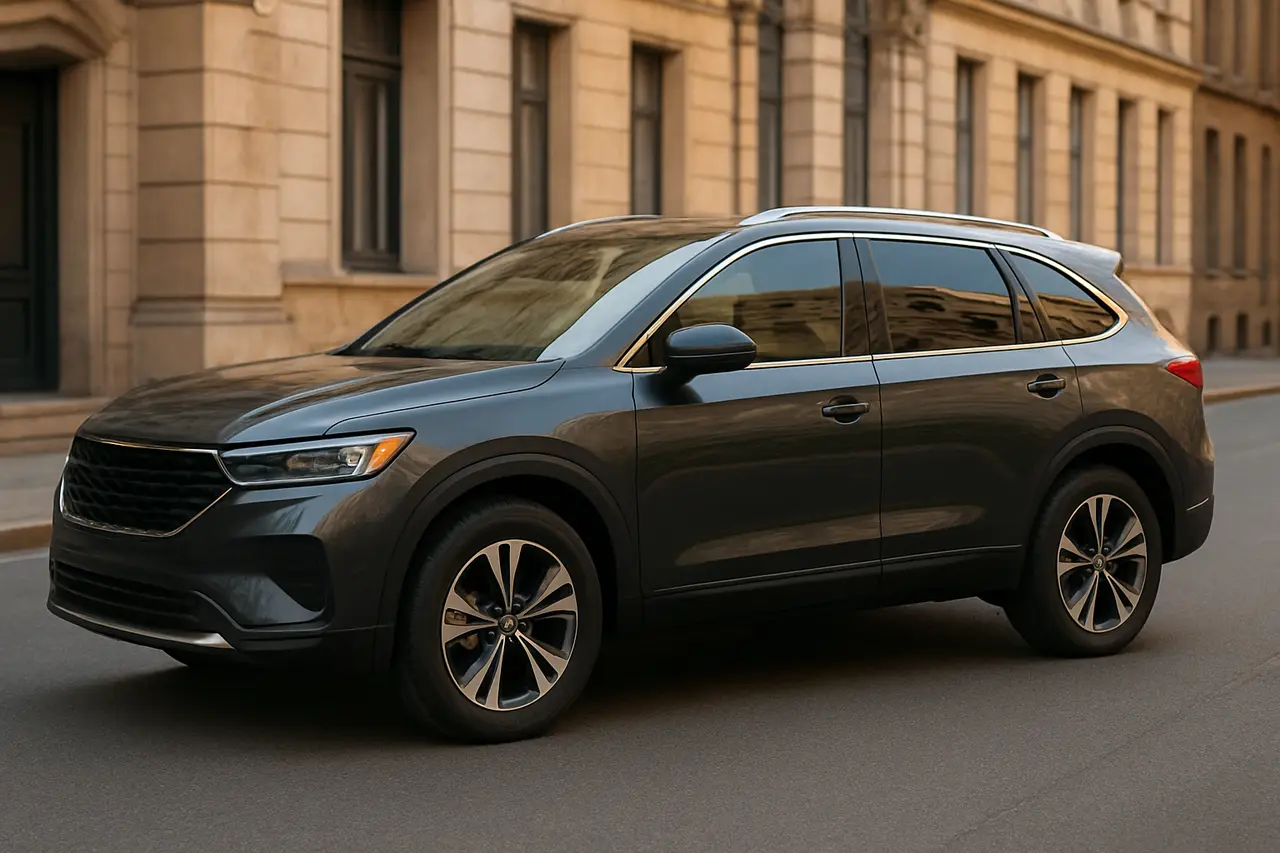
The short answer: Crossovers typically weigh about 1,360 to 1,900 kg (3,000 to 4,200 lb), between sedans and traditional SUVs.
Crossover weight by type
Crossovers are built on car platforms with SUV styling, giving them a moderate weight that balances handling and space.
| Type (example) | Typical weight |
|---|---|
| Subcompact crossover | 1,250-1,500 kg (2,750-3,300 lb) |
| Compact crossover | 1,400-1,700 kg (3,100-3,750 lb) |
| Midsize crossover | 1,600-1,900 kg (3,500-4,200 lb) |
| Three-row crossover | 1,800-2,200 kg (4,000-4,850 lb) |
| Electric crossover | 1,900-2,400 kg (4,200-5,300 lb) |
What affects crossover weight
- Size class. Larger crossovers with more seats weigh more.
- Drivetrain. All-wheel drive adds weight over front-wheel drive.
- Powertrain. Hybrid and electric versions are heavier.
- Features. Sunroofs, tech, and trim add pounds.
- Materials. Lighter alloys reduce weight versus steel.
- Cargo and passengers. A loaded vehicle weighs notably more.
How crossover weight compares
A typical crossover at around 1,700 kg weighs roughly as much as a small adult cow, or about a dozen washing machines.
Frequently asked questions
How much does a crossover weigh?
Crossovers typically weigh between about 1,360 and 1,900 kg (3,000 to 4,200 lb).
Are crossovers lighter than SUVs?
Crossovers are usually lighter than traditional body-on-frame SUVs because they use car-based platforms.
How much does an electric crossover weigh?
Electric crossovers are heavier, often around 1,900 to 2,400 kg (4,200 to 5,300 lb) because of the battery.