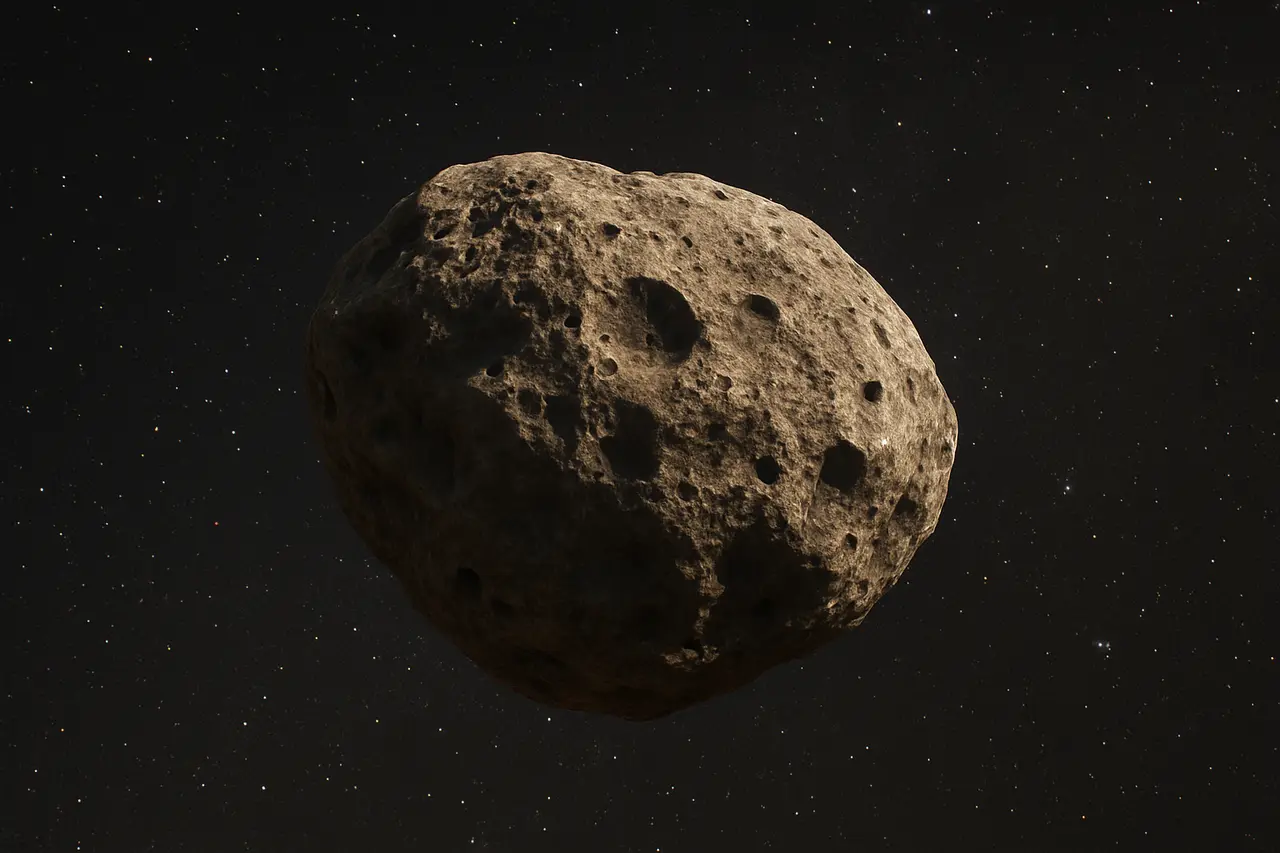
How Much Does an Asteroid Weigh?
Asteroids vary widely in weight, from a few tons for small ones to billions of tons for the largest, such as Ceres, which weighs about 9.4 × 10^20 kilograms (940 quintillion kilogr
All weight guides in one paginated archive, organized for quick scanning.
Asteroids vary widely in weight, from a few tons for small ones to billions of tons for the largest, such as Ceres, which weighs about 9.4 × 10^20 kilograms (940 quintillion kilogr
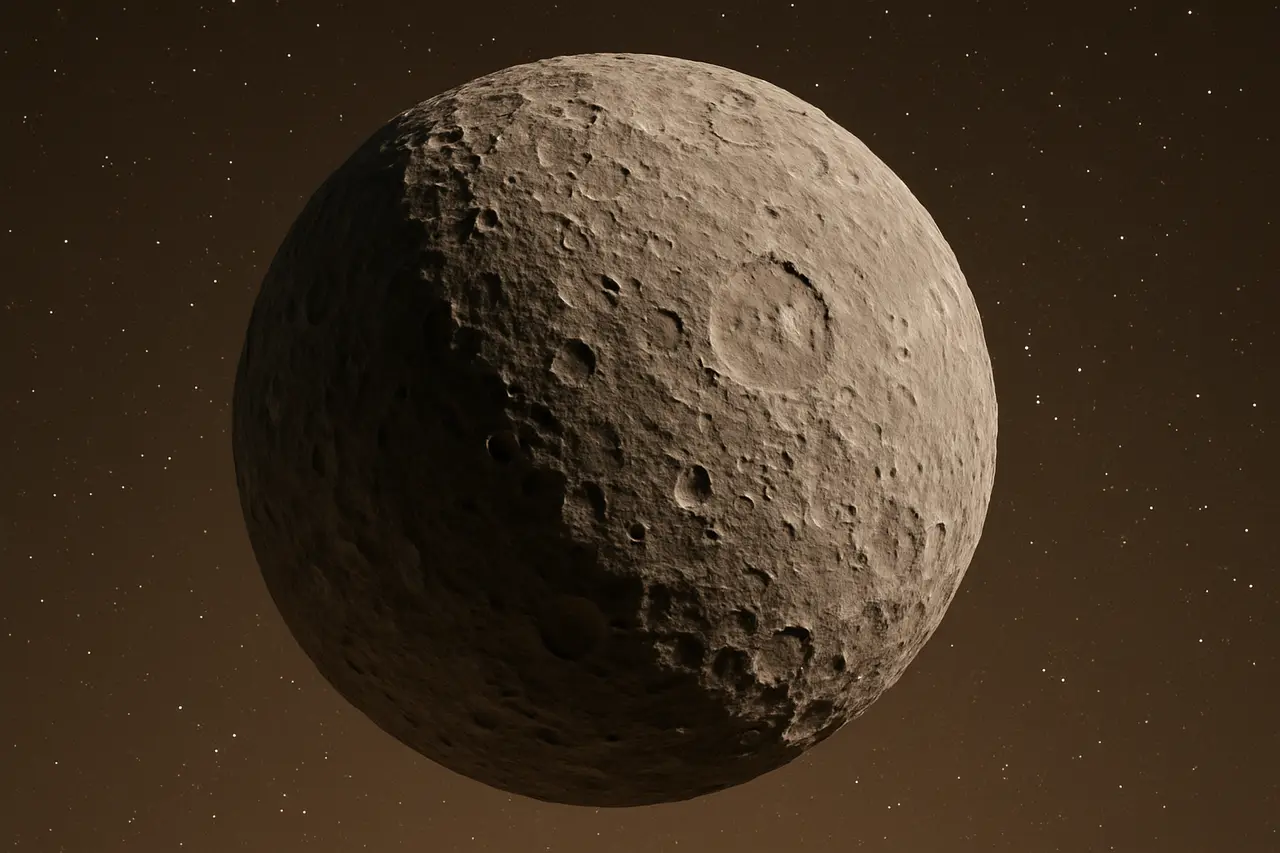
Ceres has a mass of approximately 9.39 × 10^20 kilograms, which is about 0.00015 times the mass of Earth.
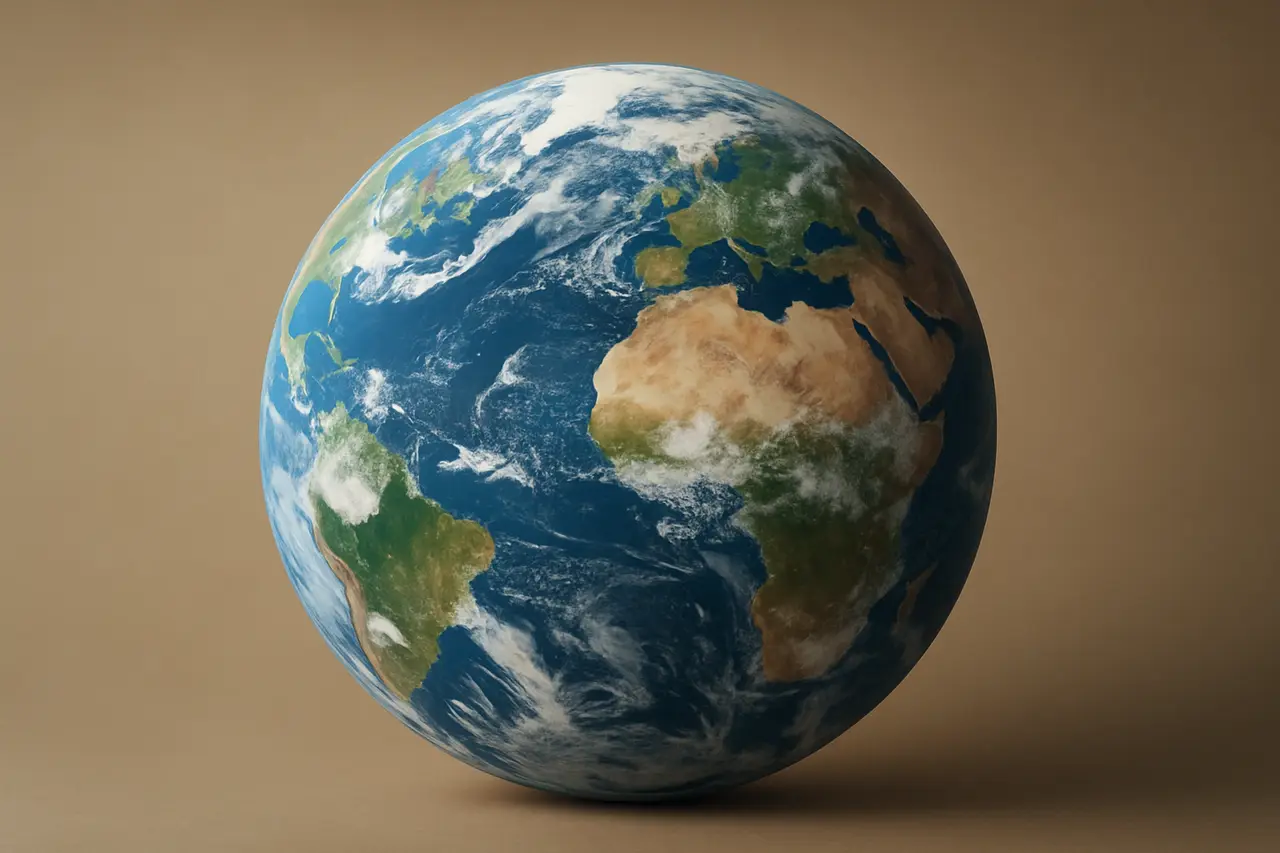
Earth has a mass of approximately 5.97 × 10^24 kilograms, which is about 6.6 sextillion tons.
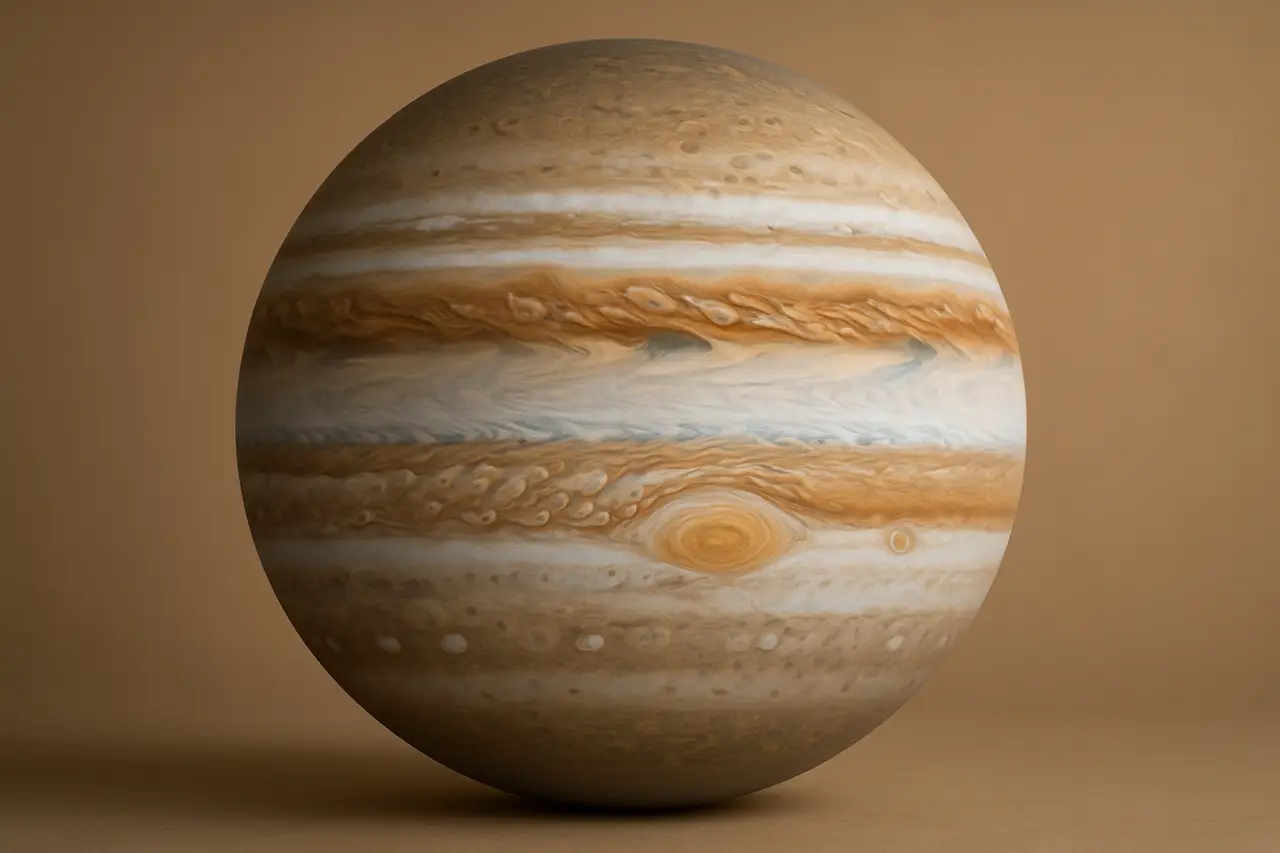
Jupiter has a mass of approximately 1.9 × 10^27 kilograms, which is about 317.8 times the mass of Earth.
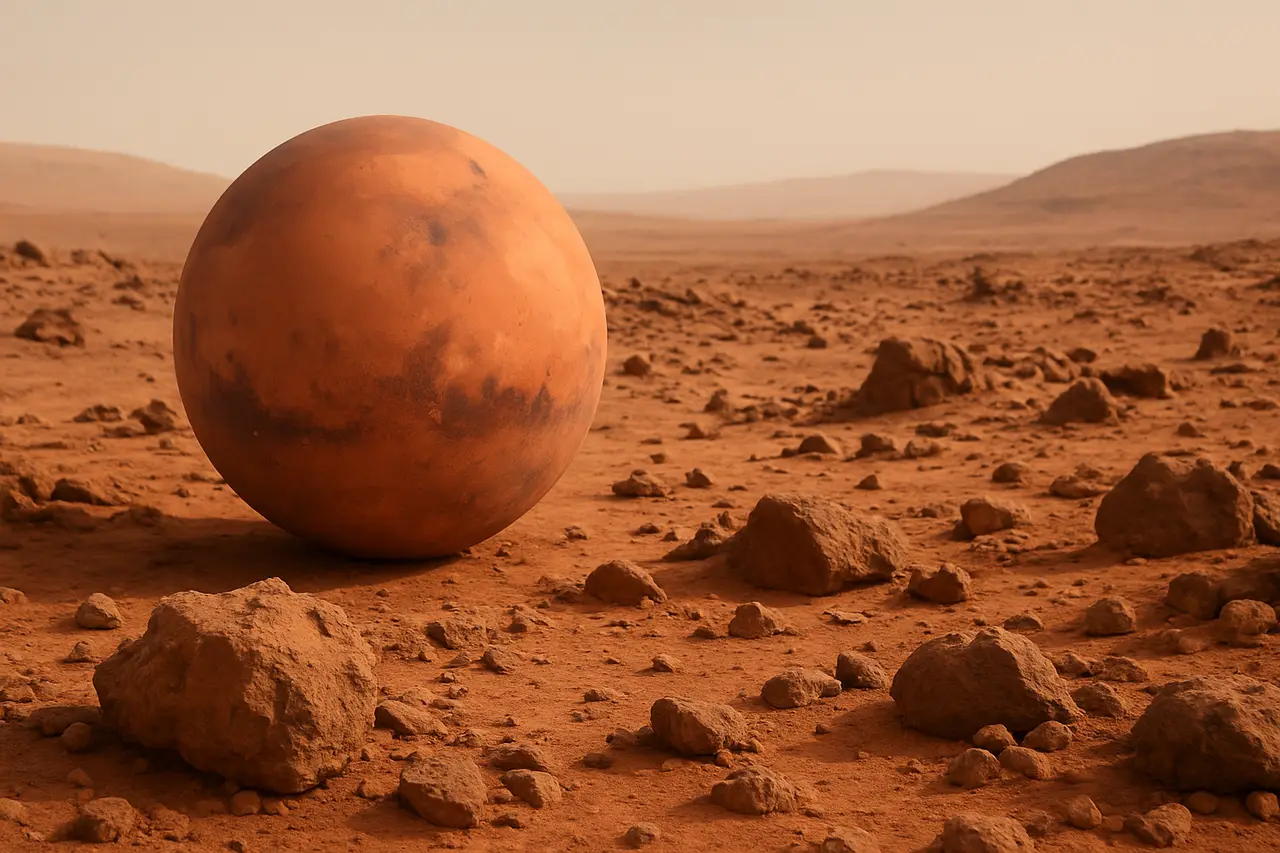
Mars has a mass of approximately 6.42 × 10^23 kilograms, or about 680 quintillion tons.
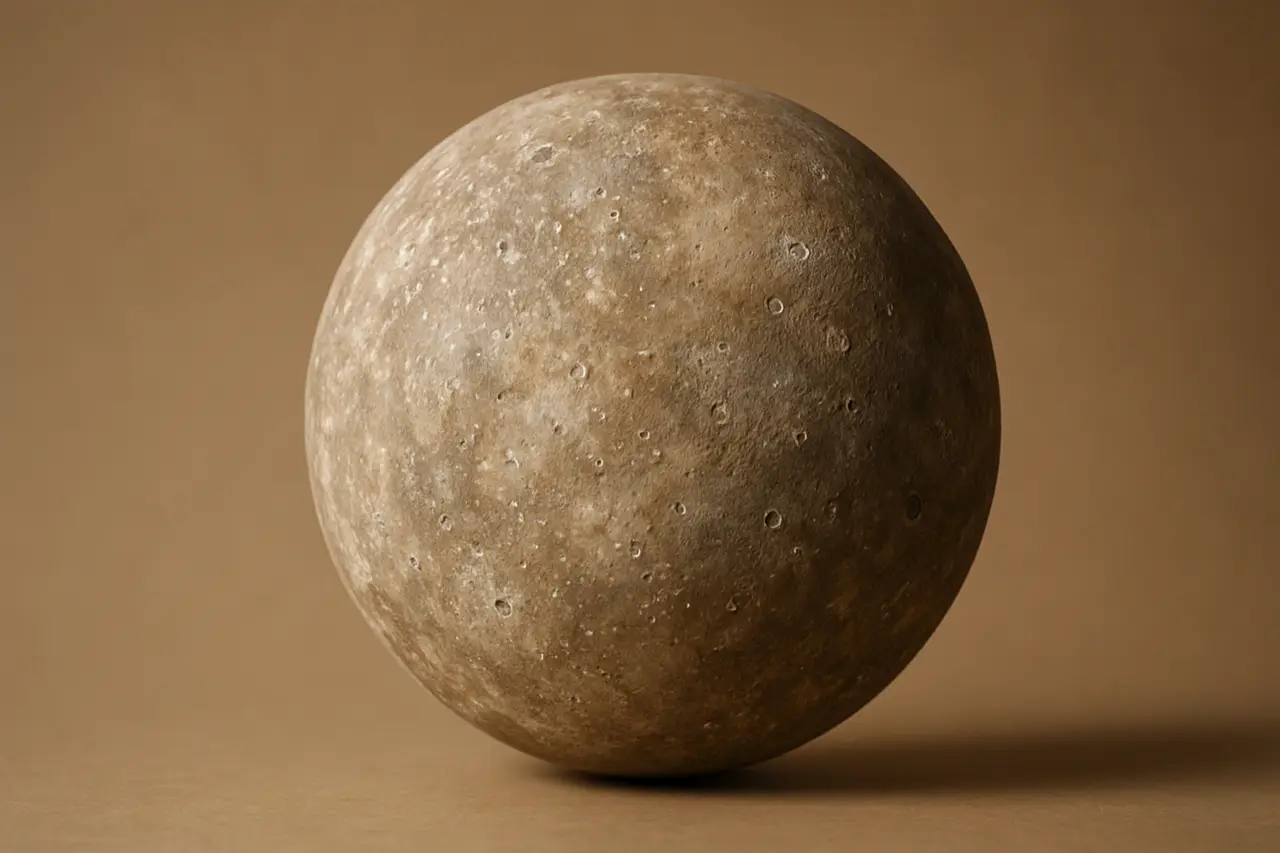
Mercury has a mass of about 3.3 × 10^23 kilograms, which is roughly 0.055 times the mass of Earth.
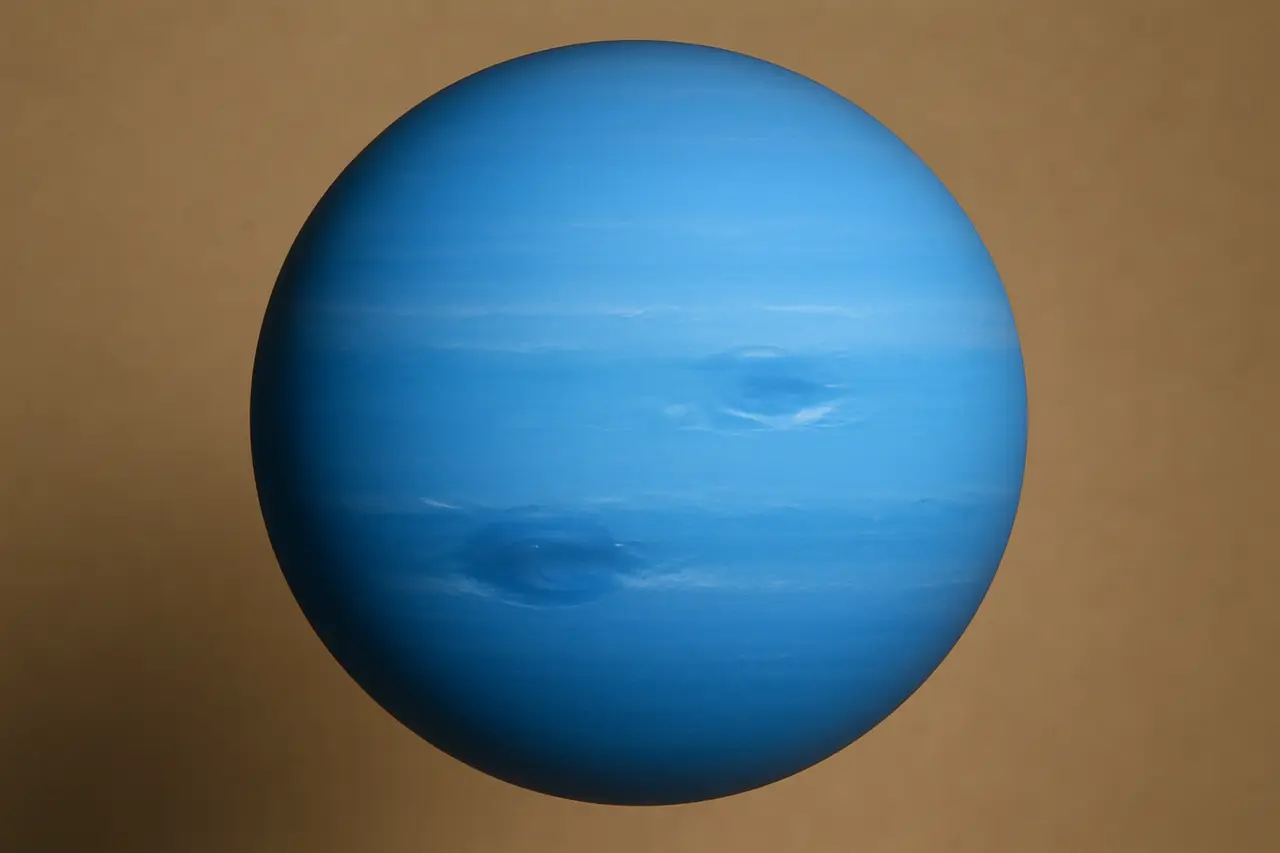
Neptune has a mass of approximately 1.02 × 10^26 kilograms, which is about 17 times the mass of Earth.
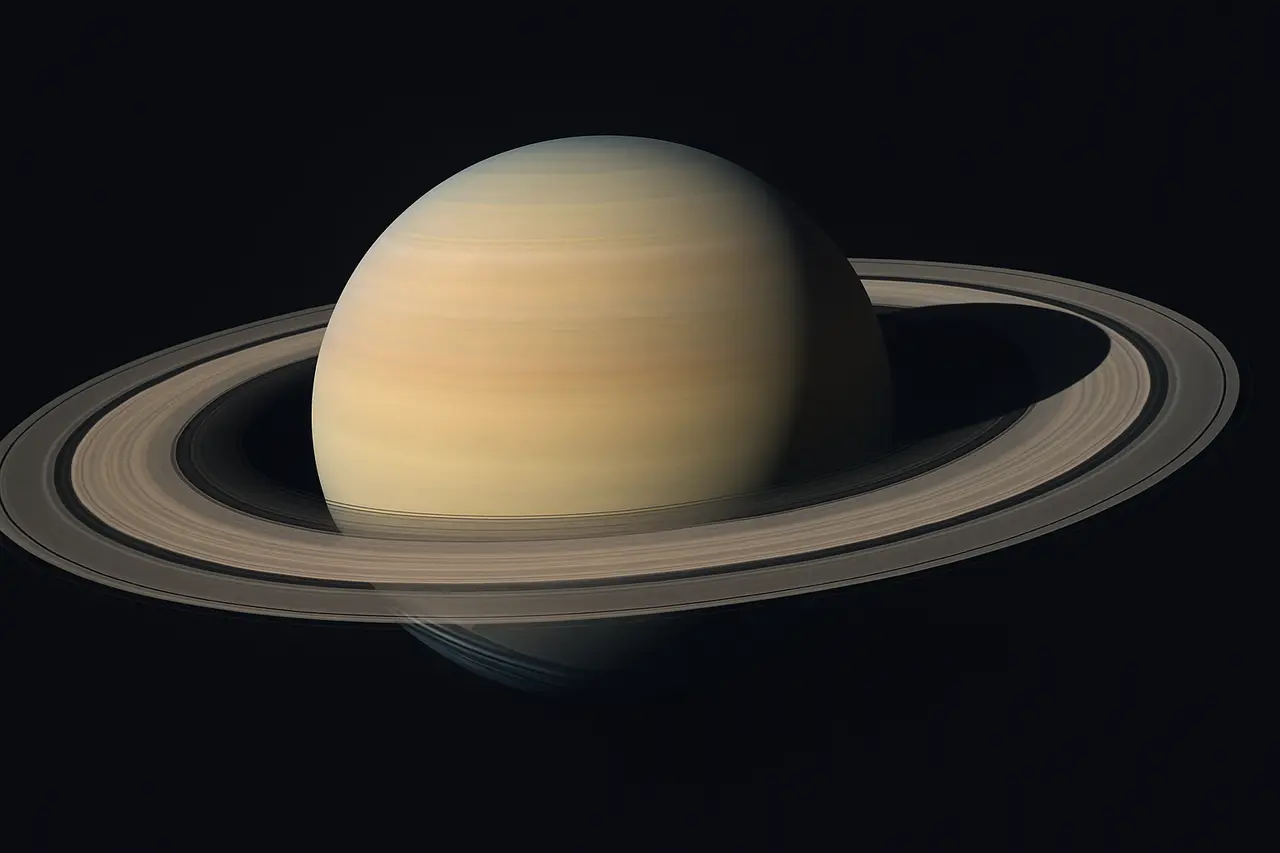
Saturn has a mass of about 5.7 × 10^26 kilograms, which is roughly 95 times the mass of Earth.
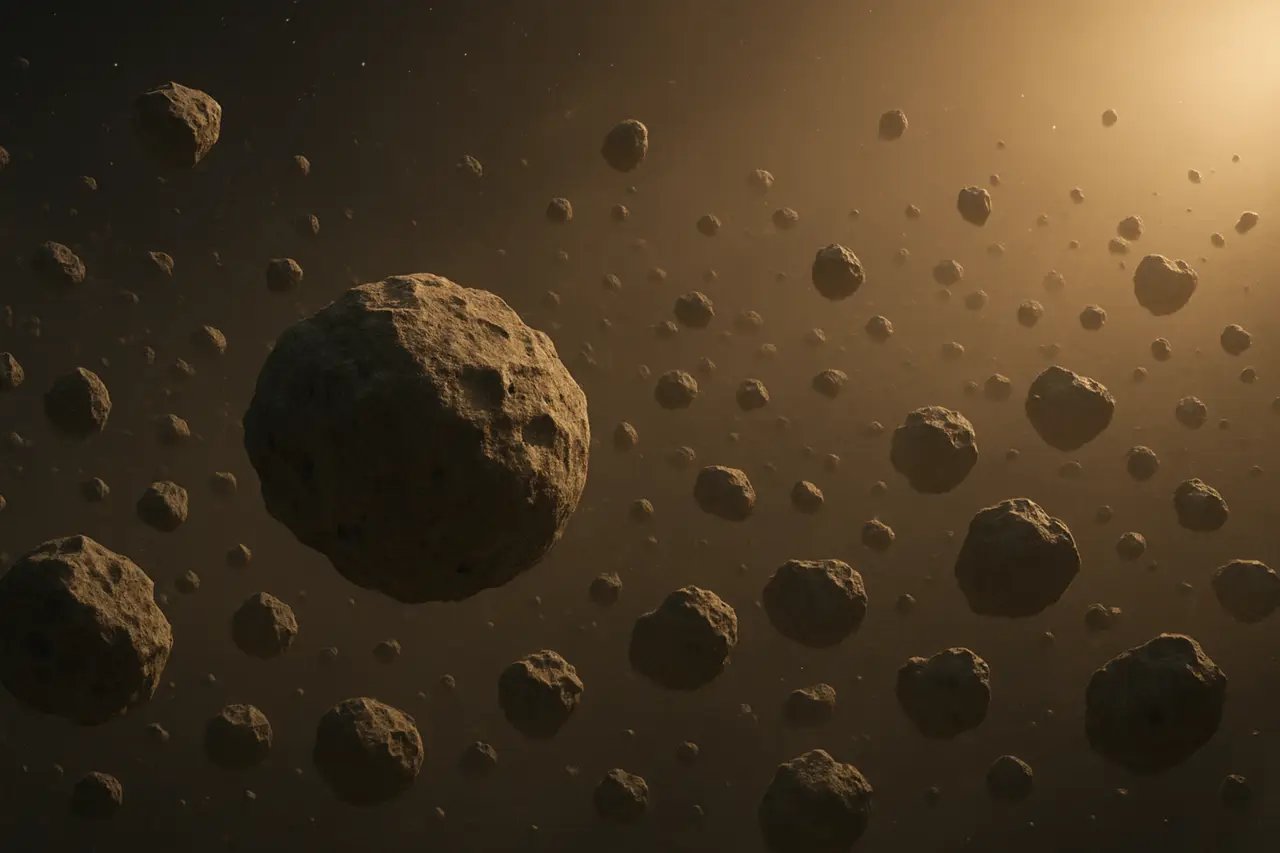
The total mass of the asteroid belt is estimated to be about 3 × 10^21 kilograms, roughly 4% of the Moon's mass.
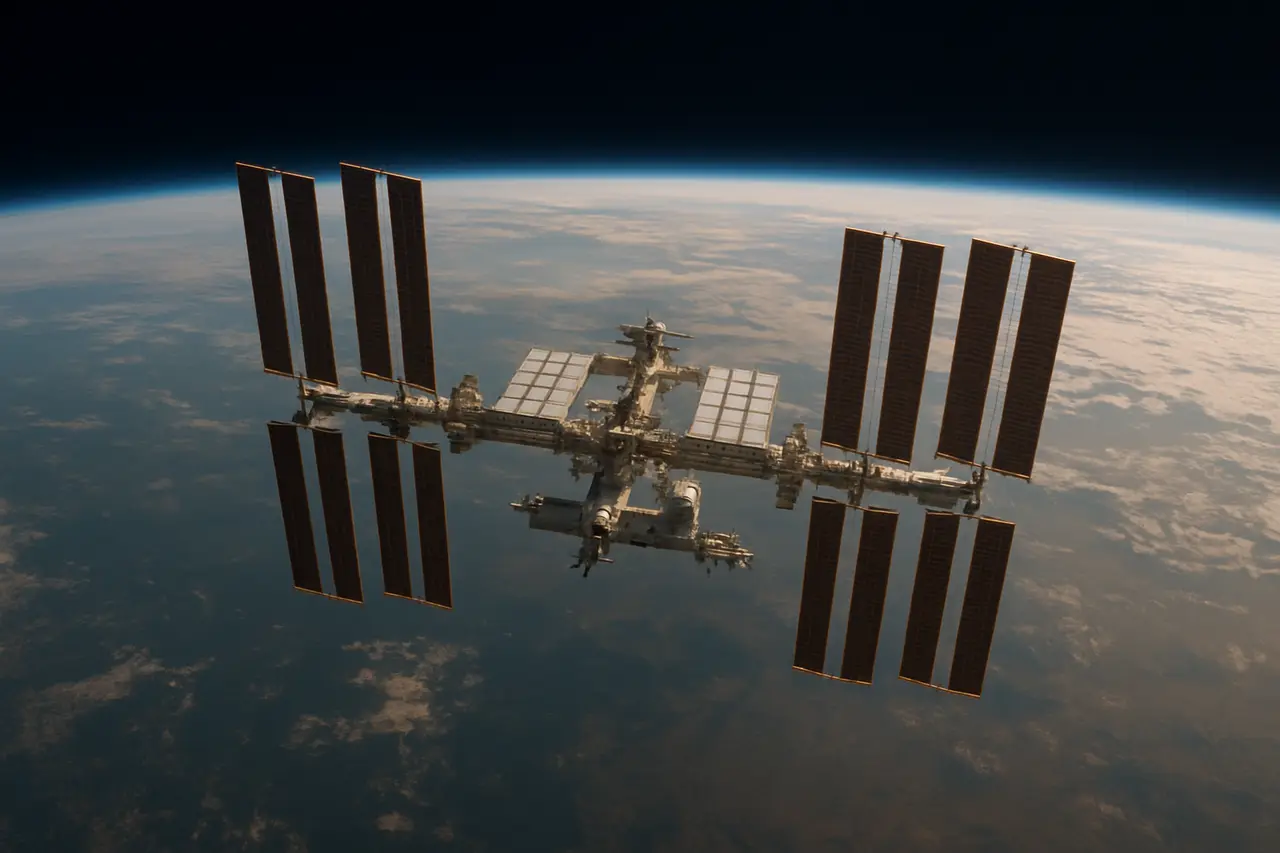
The International Space Station weighs approximately 420,000 kilograms (about 925,000 pounds).
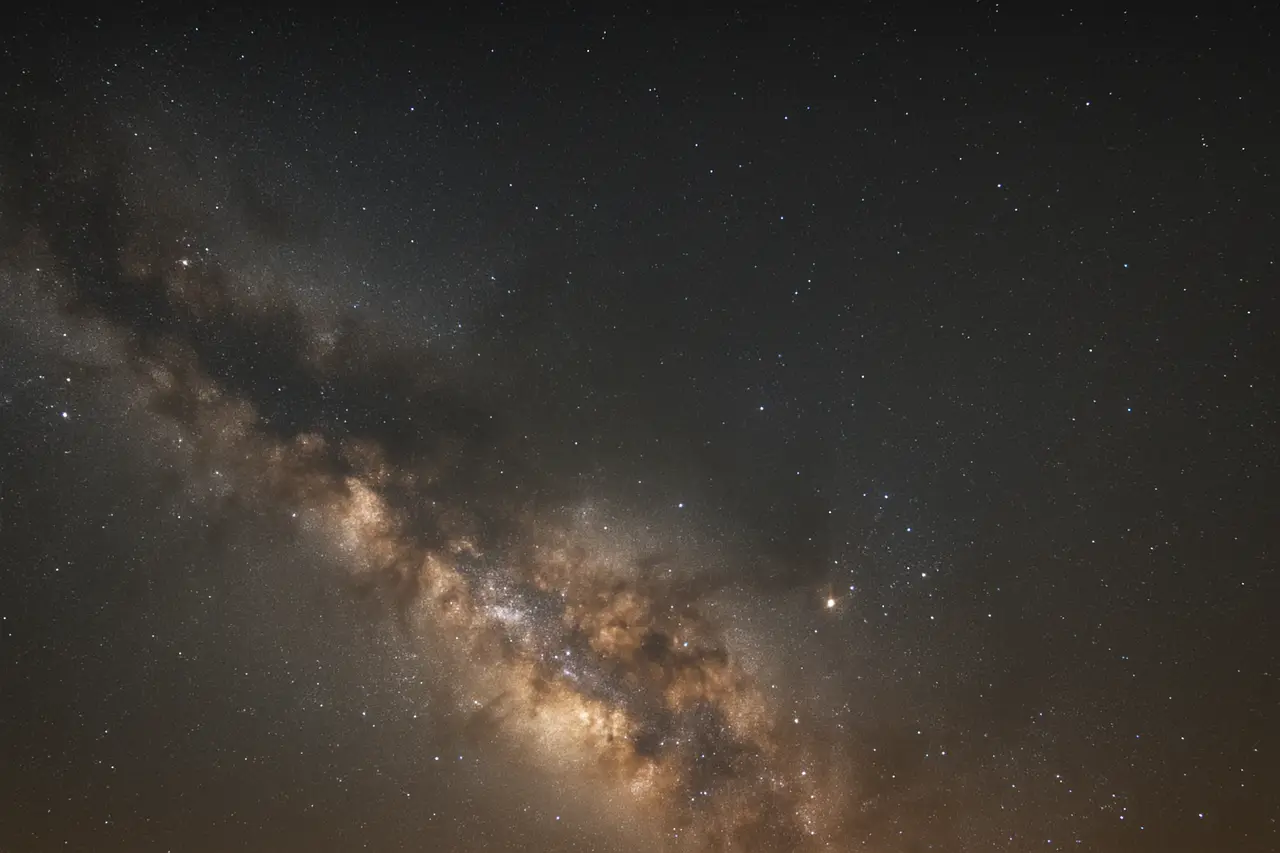
The Milky Way's total mass is estimated to be about 1.5 trillion times the mass of the Sun, approximately 3 × 10^42 kilograms (6.6 × 10^42 pounds).
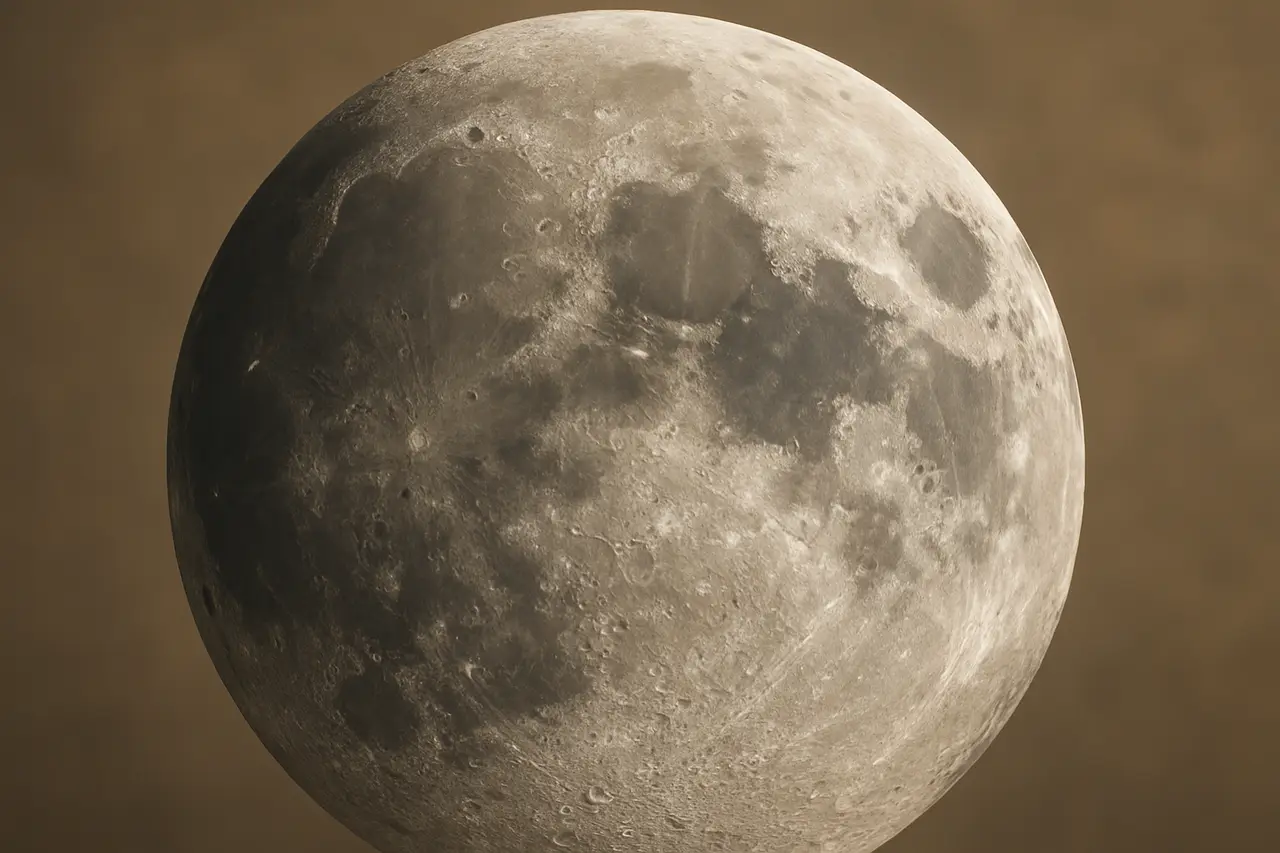
The Moon has a mass of approximately 7.35 × 10^22 kilograms, or about 81 quintillion tons.