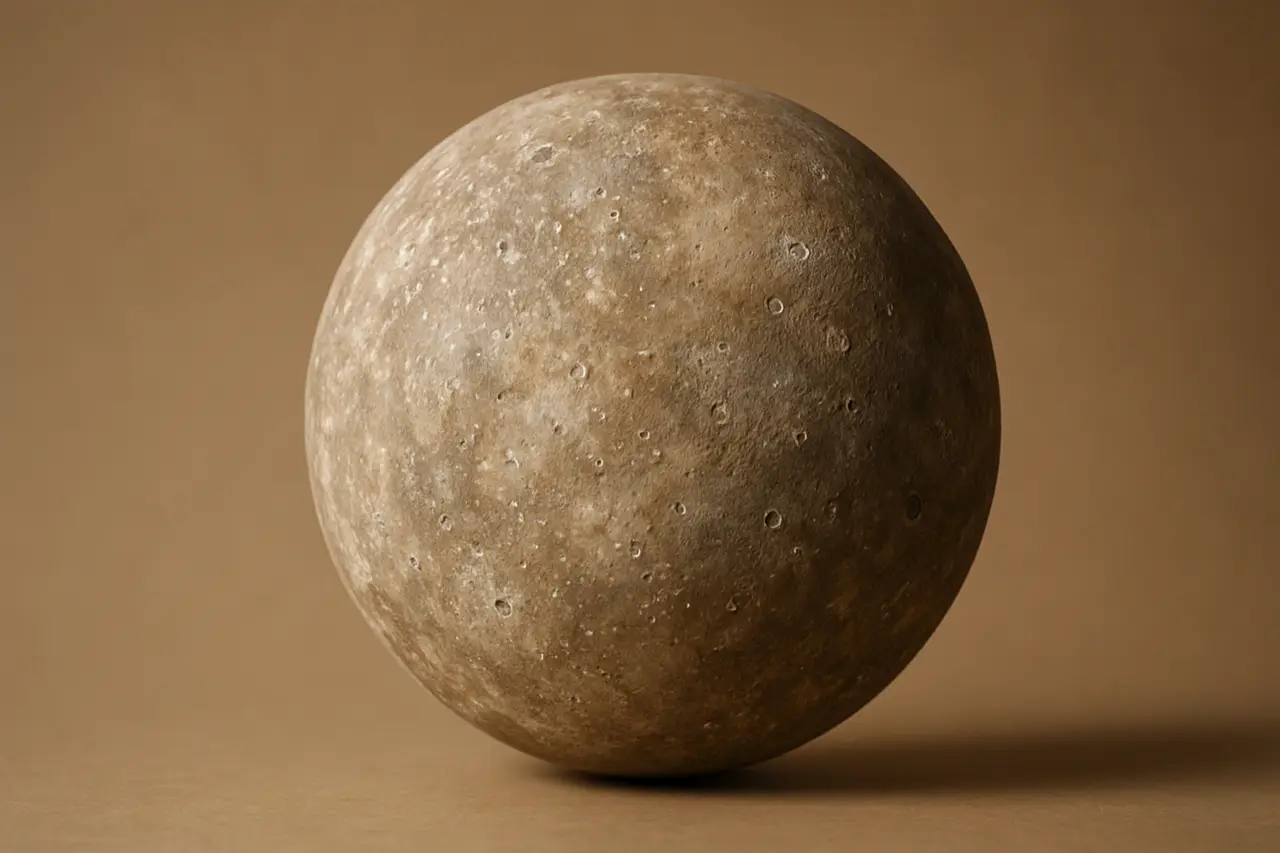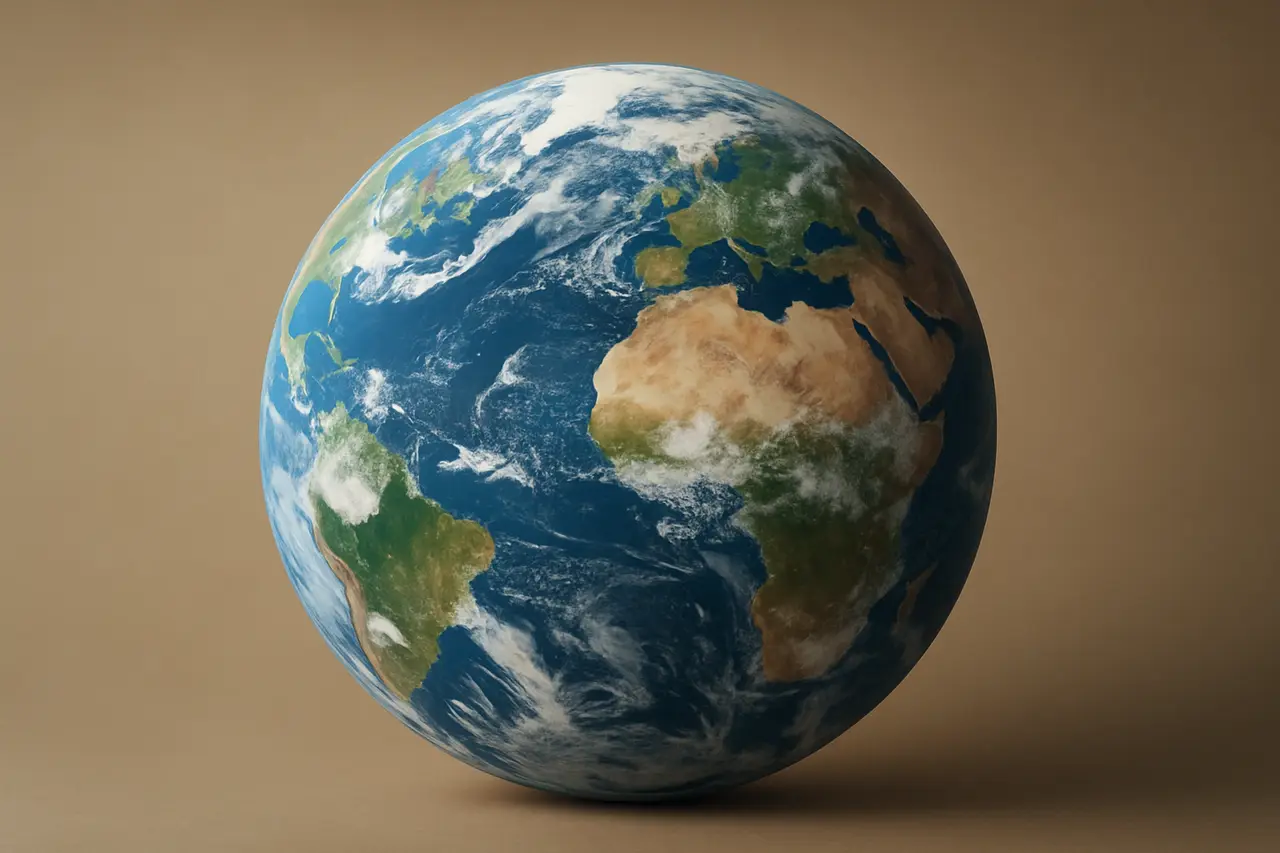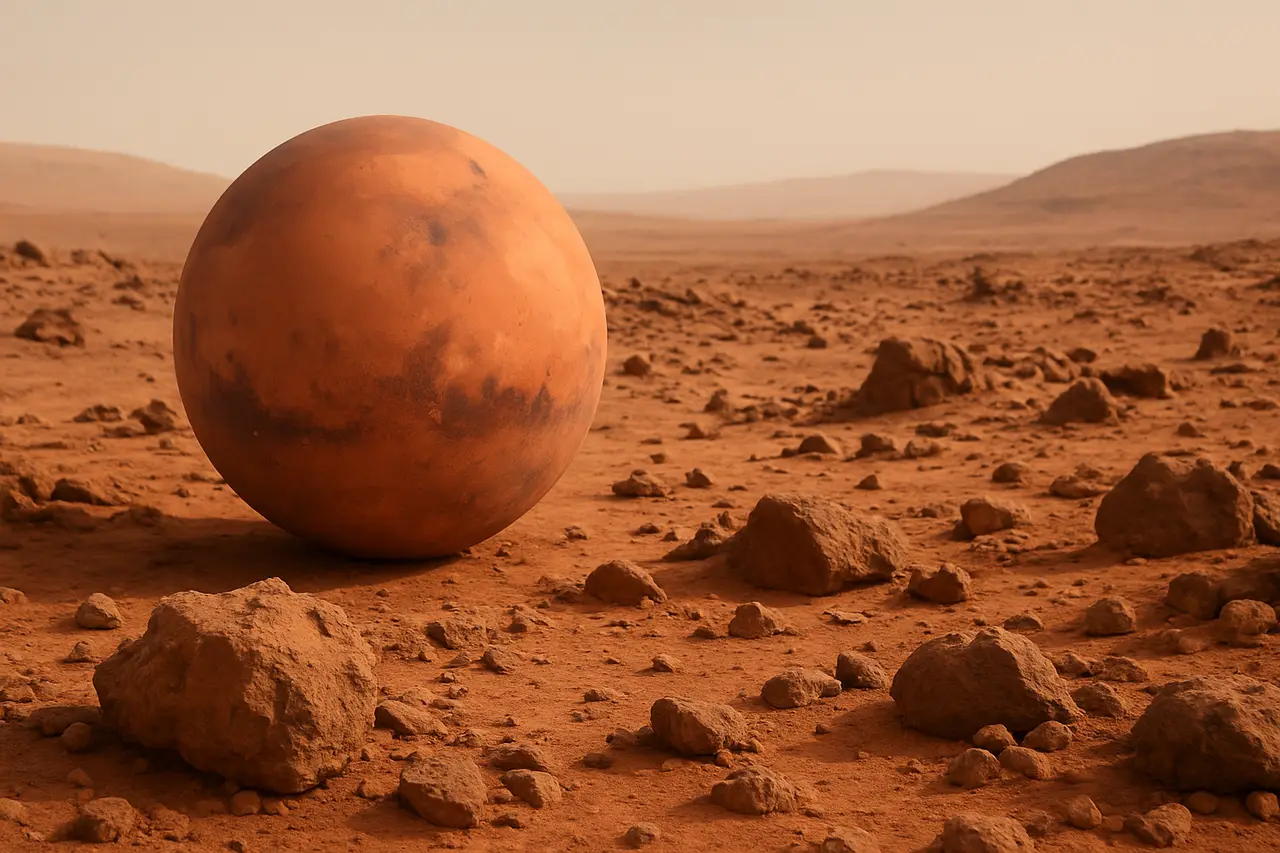
The short answer: Mars has a mass of about 6.42 × 10²³ kg (roughly 1.42 × 1024 lb), which is around 10.7% of Earth's mass.
Mars weight by type
Mars is the fourth planet from the Sun and the second smallest in the solar system, with a mass about one-tenth that of Earth.
| Comparison | Relative mass |
|---|---|
| Mars mass | about 6.42 × 10²³ kg |
| Compared to Earth | about 10.7% |
| Compared to the Moon | about 8.7 times |
| Surface gravity | about 38% of Earth's |
What affects Mars weight
- Smaller size. Mars is roughly half Earth's diameter, so it holds far less material.
- Iron-rich core. A dense core contributes a significant share of the planet's mass.
- Lower density. At about 3.93 g/cm³, Mars is less dense than Earth.
- Rocky composition. Mars is a terrestrial planet made mostly of rock and metal.
- Measurement via spacecraft. Orbiters and landers have refined the planet's mass through gravity measurements.
How Mars weight compares
Mars weighs only about a tenth as much as Earth, but it is still nearly nine times heavier than our Moon.
Frequently asked questions
Why is Mars lighter than Earth?
Mars is much smaller than Earth, with about half the diameter and lower density, so it contains far less material. This gives it roughly 10.7% of Earth's mass.
What is gravity like on Mars?
Mars has about 38% of Earth's surface gravity because of its lower mass and smaller size. A person who weighs 100 pounds on Earth would weigh about 38 pounds on Mars.
How was the mass of Mars measured?
Scientists measured Mars's mass by tracking the orbits of its two moons and the many spacecraft that have orbited the planet. Their motions reveal its gravitational pull.