The short answer: Jupiter has a mass of about 1.9 × 1027 kg (roughly 4.2 × 1027 lb), which is around 318 times the mass of Earth.
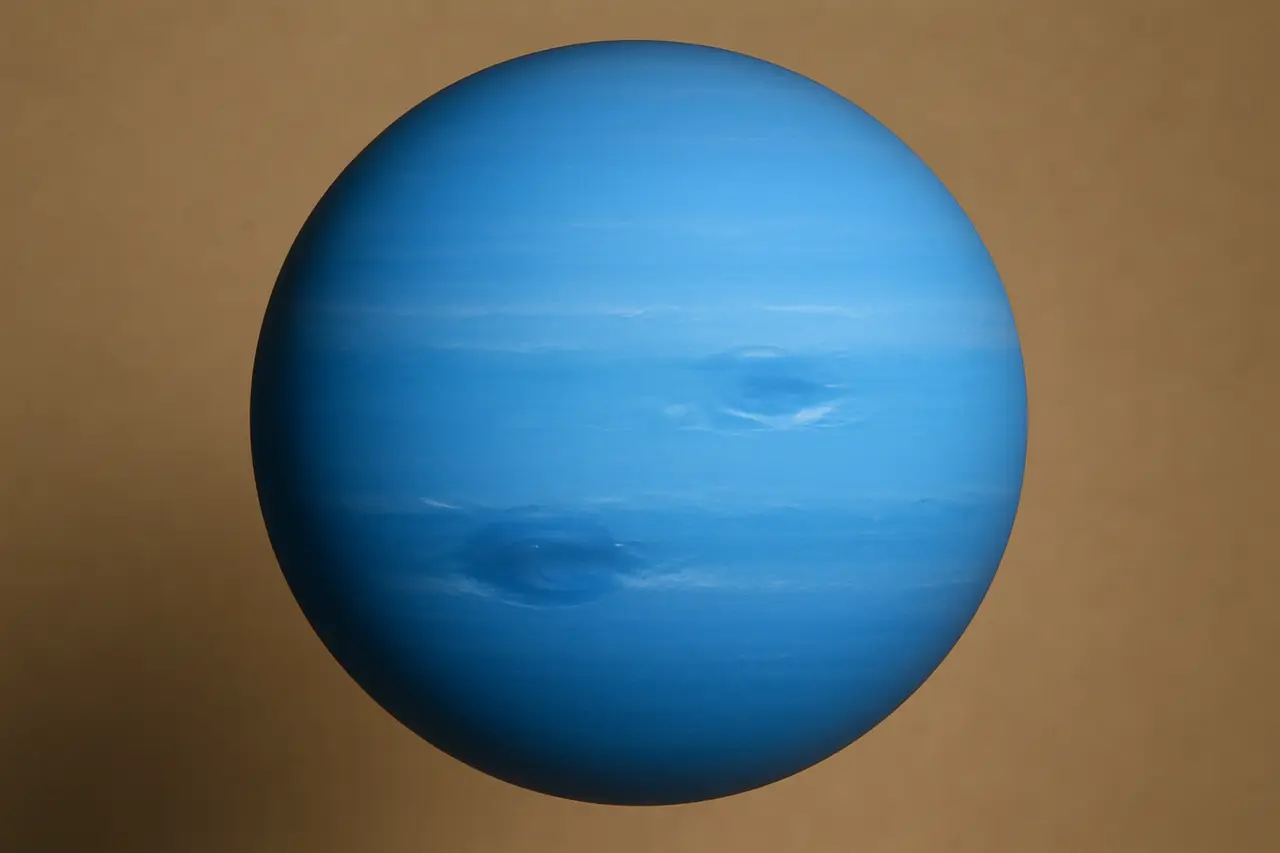
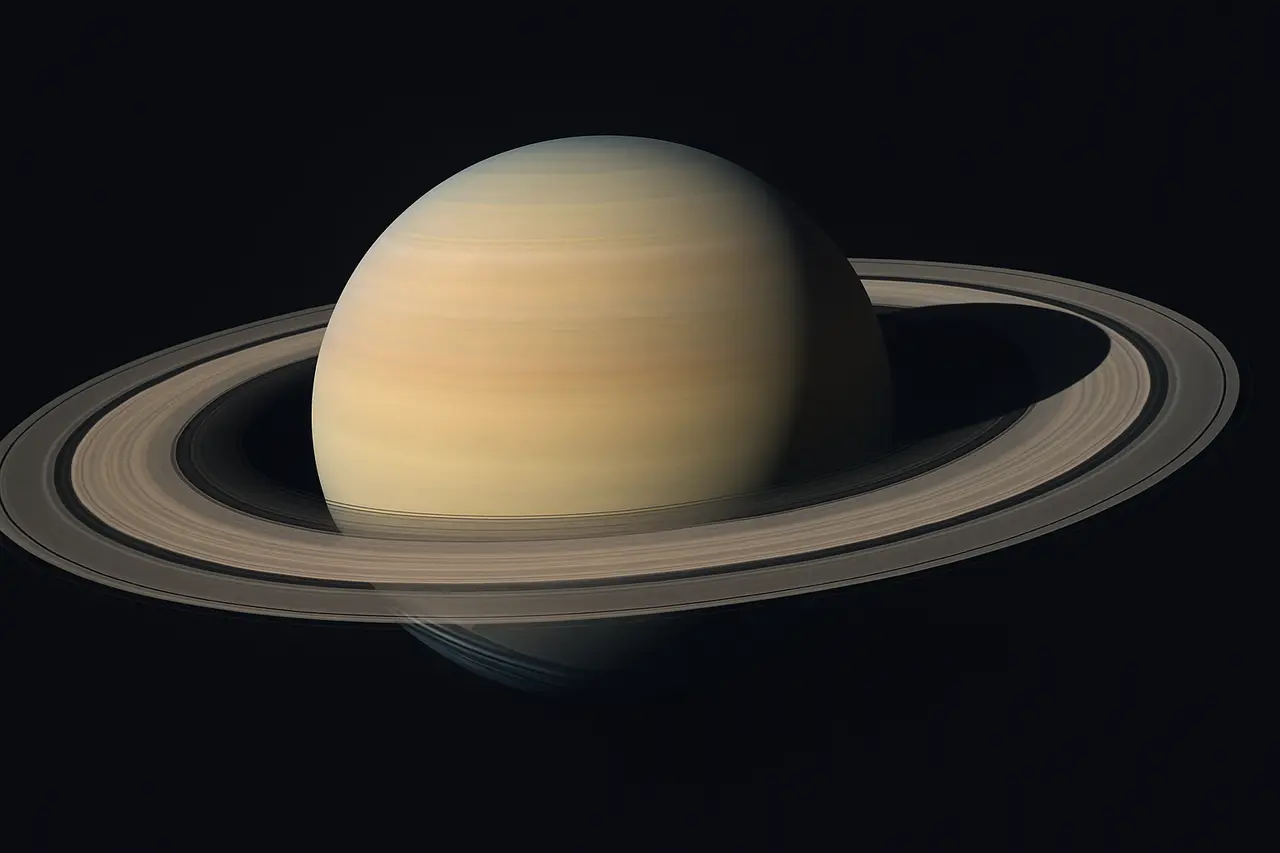
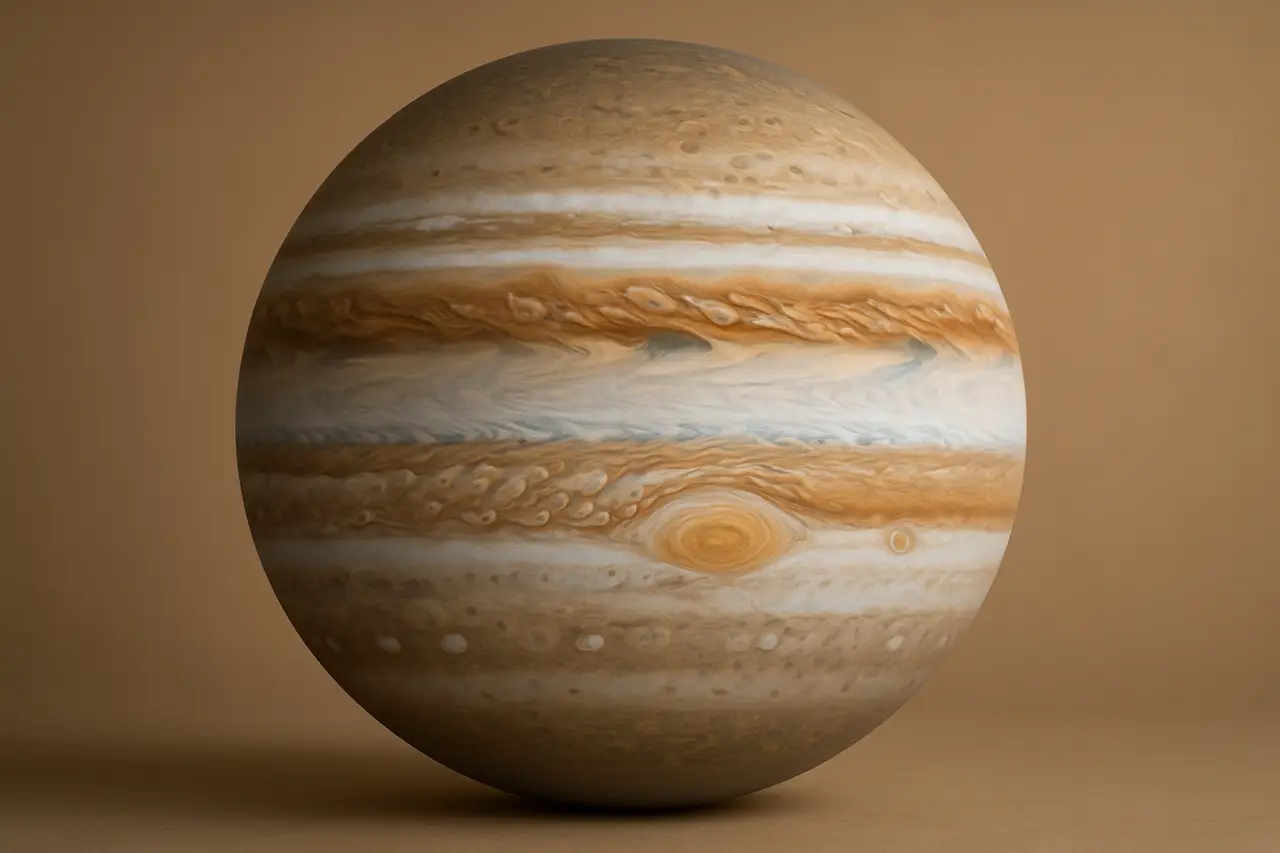
Jupiter weight by type
Jupiter is the largest planet in the solar system and is classified as a gas giant, with a mass greater than all the other planets combined.
| Comparison | Relative mass |
|---|---|
| Jupiter mass | about 1.9 × 10²⁷ kg |
| Compared to Earth | about 318 times |
| Compared to Saturn | about 3.3 times |
| Share of all planets | more than half combined |
What affects Jupiter weight
- Gas composition. Jupiter is mostly hydrogen and helium, similar to the Sun.
- Enormous volume. Its huge size means even low-density gas adds up to immense mass.
- Dense interior. Crushing pressure compresses material near the core, raising overall mass.
- Possible core. A dense rocky or metallic core may add a meaningful share of the total.
- Measurement via moons. Jupiter's mass is calculated from the orbits of its many moons.
How Jupiter weight compares
Jupiter is so massive that it outweighs all the other planets in the solar system combined by more than two to one, yet it is still only about one-thousandth the mass of the Sun.
Frequently asked questions
How much more massive is Jupiter than Earth?
Jupiter is about 318 times more massive than Earth. You would need more than 1,300 Earths to fill its volume, though density differences mean it has only about 318 times the mass.
Could Jupiter have become a star?
No. Despite its sun-like composition, Jupiter would need roughly 80 times more mass to ignite hydrogen fusion and become a star. It is far too light to shine on its own.
How do scientists measure Jupiter's mass?
Jupiter's mass is determined by observing the orbital speeds and distances of its moons and spacecraft. These motions reveal the planet's gravitational pull and therefore its mass.