The short answer: The Milky Way's total mass is estimated at roughly 1.5 trillion solar masses, or about 3 × 1042 kg (around 6.6 × 1042 lb).
Milky Way weight by type
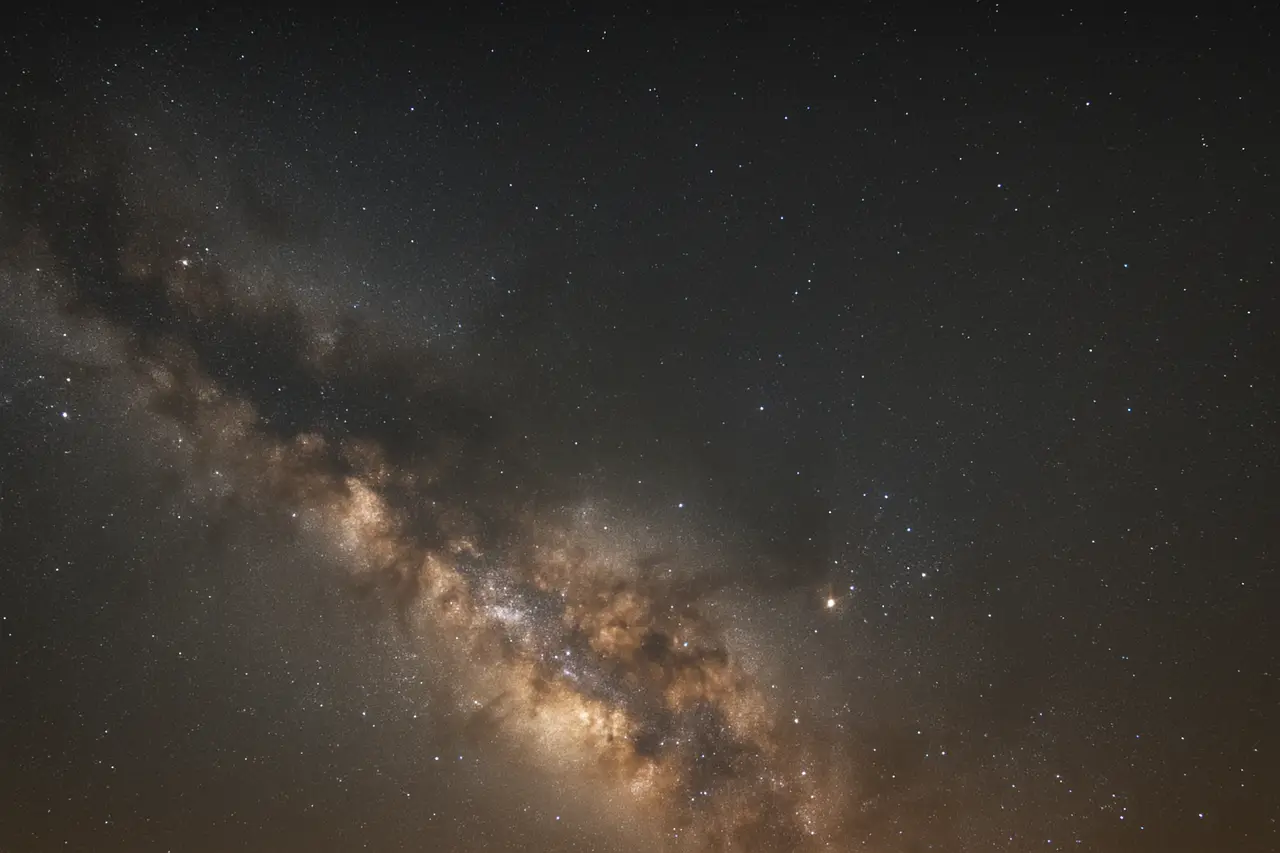
The Milky Way is the barred spiral galaxy that contains our solar system, and most of its enormous mass is invisible dark matter rather than stars.
| Component | Approximate share of mass |
|---|---|
| Dark matter halo | roughly 85-90% |
| Stars | a small percentage |
| Gas and dust | a few percent |
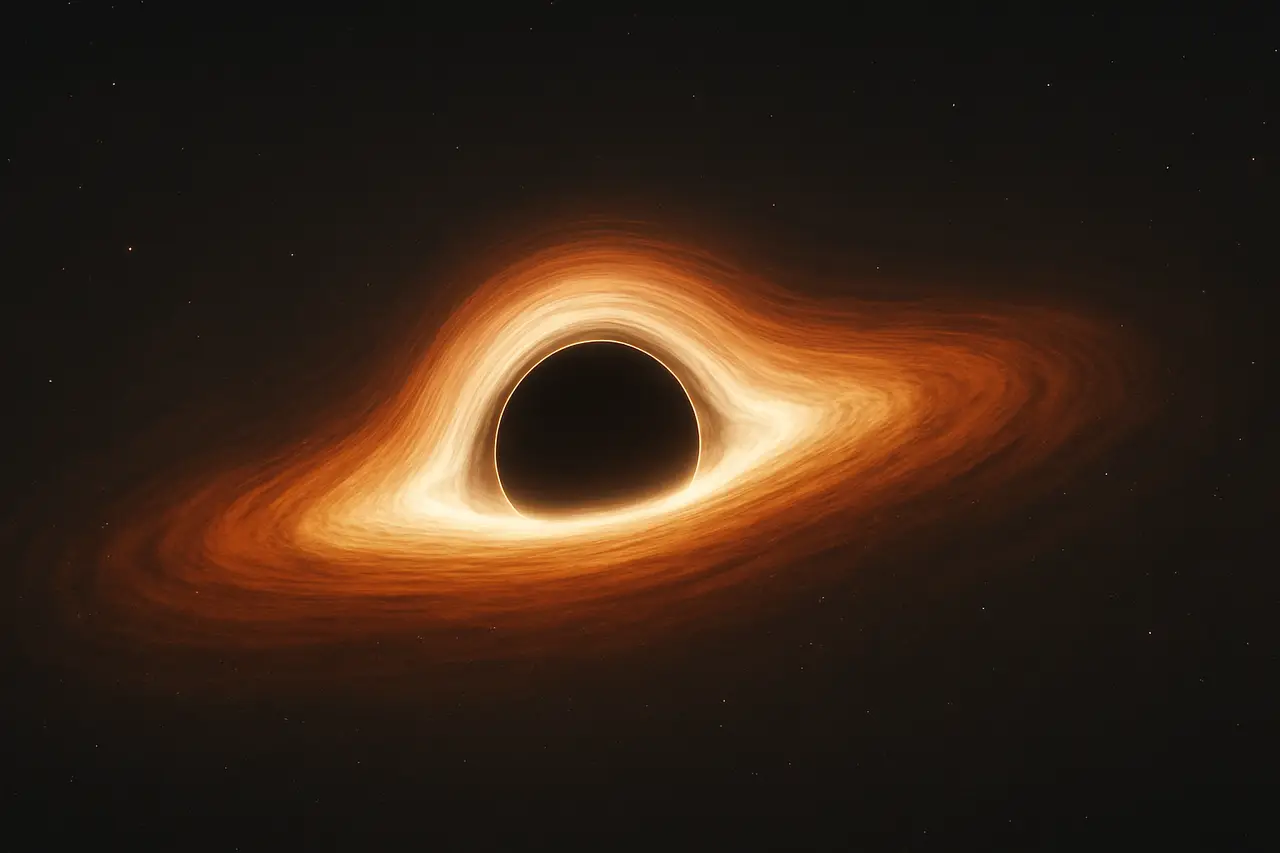
| Central black hole (Sagittarius A*) | about 4 million solar masses |
What affects Milky Way weight
- Dark matter. Unseen dark matter makes up the great majority of the galaxy's total mass.
- Stars. Hundreds of billions of stars contribute, though far less than dark matter.
- Gas and dust. Interstellar clouds add additional mass spread throughout the galaxy.
- Central black hole. Sagittarius A* is massive but tiny compared to the galaxy as a whole.
- Measurement method. Mass is inferred from how fast stars orbit, so estimates carry wide uncertainty.
How Milky Way weight compares
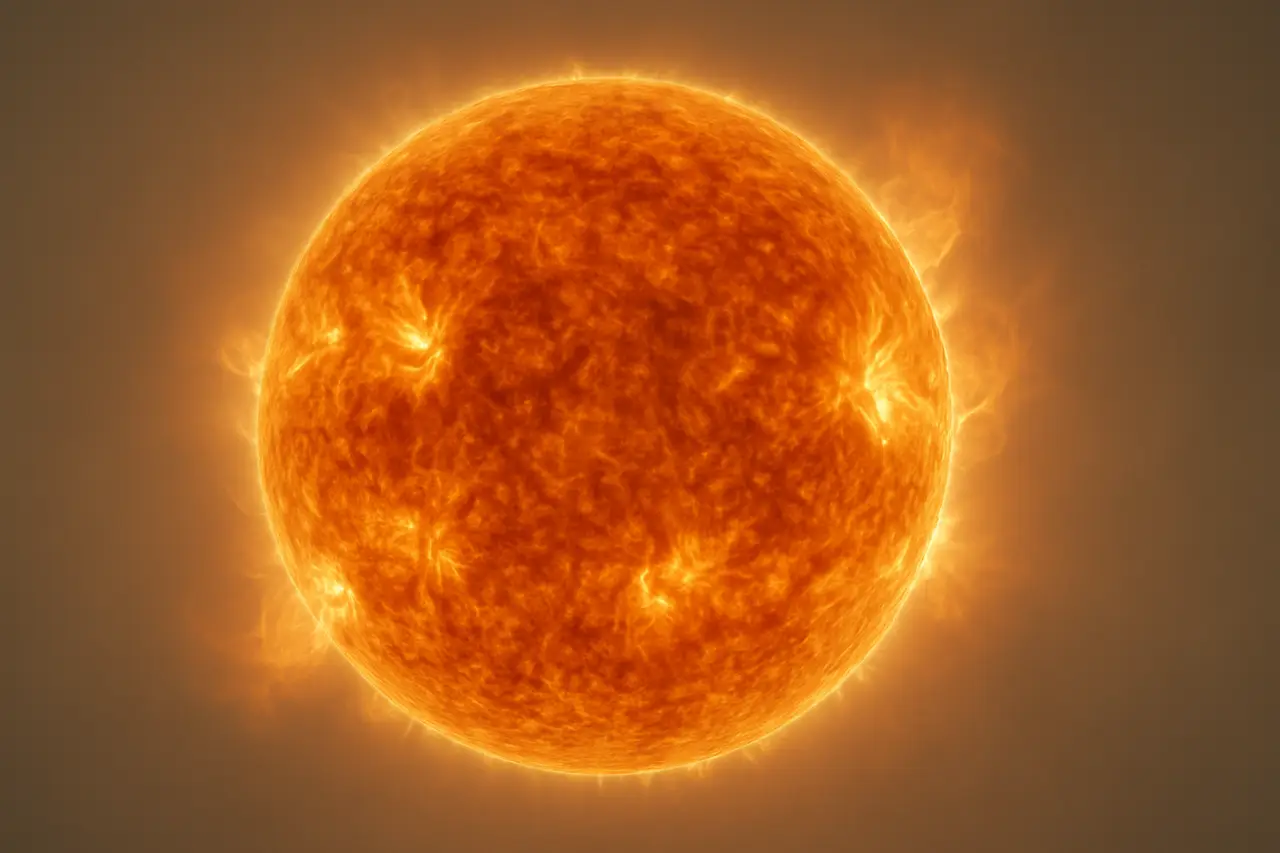
The Milky Way weighs roughly 1.5 trillion times as much as the Sun, and most of that mass is invisible dark matter rather than the stars we can see.
Frequently asked questions
How do scientists weigh a galaxy?
Astronomers estimate a galaxy's mass by measuring how fast stars and gas orbit its center. Faster orbits at large distances reveal more total mass, including unseen dark matter.
Why is the Milky Way's mass uncertain?
Most of the galaxy's mass is dark matter that cannot be seen directly, so it must be inferred indirectly. Different methods give estimates ranging from about 1 to 2 trillion solar masses.
Is most of the Milky Way's mass stars?
No. Stars make up only a small fraction of the total. The vast majority of the Milky Way's mass is dark matter, with gas, dust, and the central black hole adding the rest.