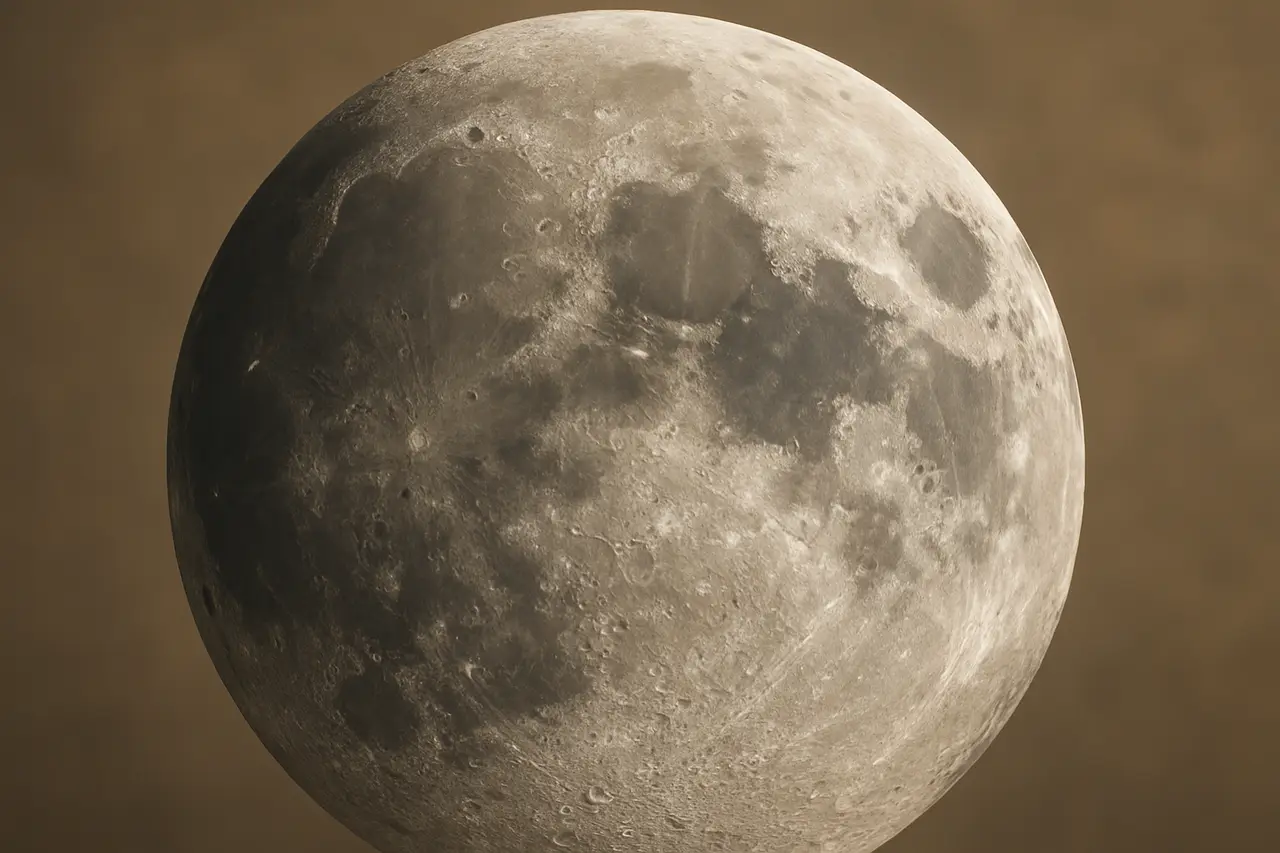
The short answer: The Moon has a mass of about 7.35 × 10²² kg (roughly 1.62 × 10²³ lb), which is about 1/81 the mass of Earth.
Moon weight by type
The Moon is Earth's only natural satellite, and its mass drives the ocean tides and helps stabilize Earth's axial tilt.
| Comparison | Relative mass |
|---|---|
| Moon mass | about 7.35 × 10²² kg |
| Compared to Earth | about 1/81 |
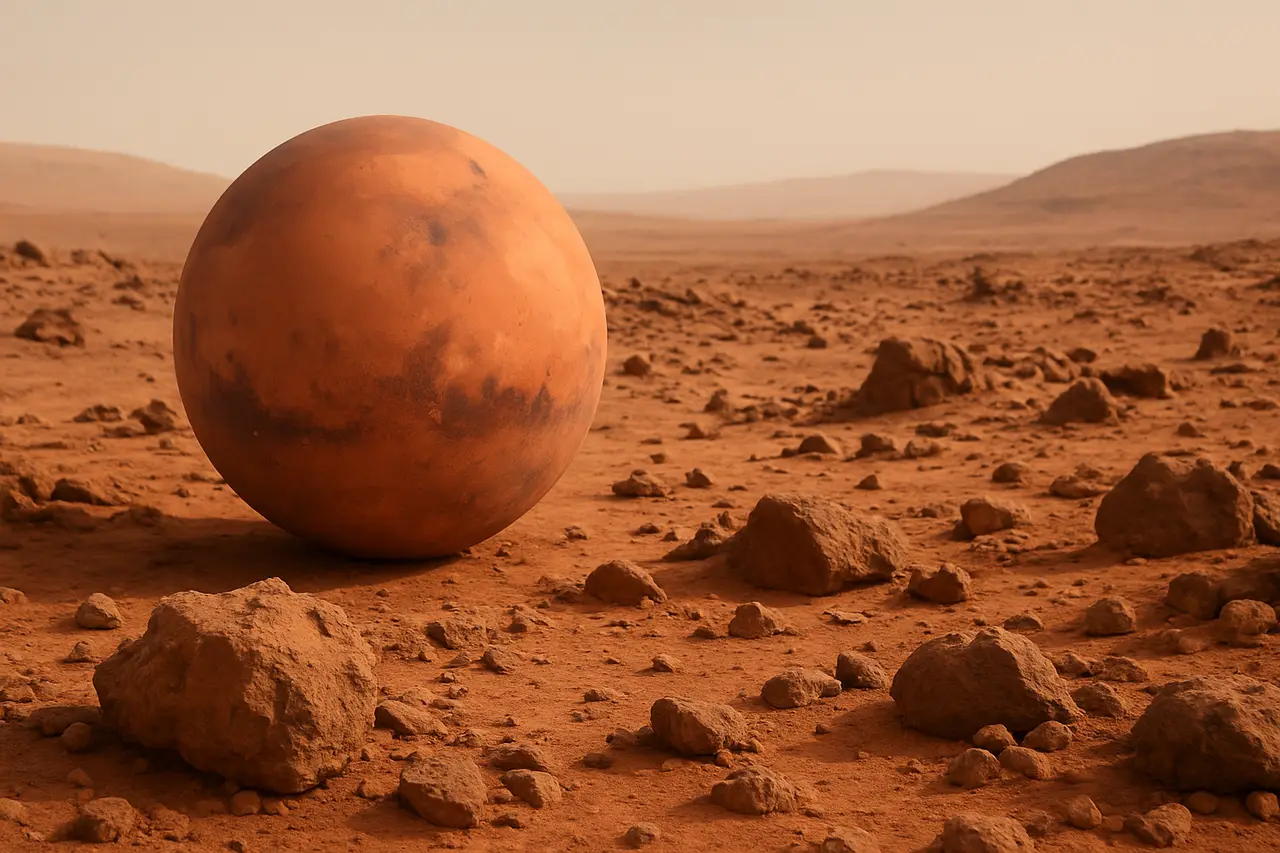
| Compared to Mars | about 11% |
| Compared to Ceres | about 78 times heavier |
What affects Moon weight
- Diameter. At about 3,475 km across, the Moon's size sets its overall mass.
- Composition. The Moon is made mostly of rock with a relatively small iron core.
- Lower density. At about 3.34 g/cm³, the Moon is less dense than Earth.
- Small core. A modest metallic core keeps the Moon lighter than a rocky planet of similar size would be.
- Measurement via orbits. The Moon's mass is calculated from how it and Earth orbit their shared center of gravity.
How Moon weight compares
The Moon weighs only about 1/81 as much as Earth, but it is still roughly 78 times heavier than the dwarf planet Ceres.
Frequently asked questions
Why does the Moon have less mass than Earth?
The Moon is much smaller than Earth and has a smaller iron core and lower density. Together these give it only about 1/81 of Earth's mass.
How does the Moon's mass affect Earth?
The Moon's gravity, driven by its mass, raises the ocean tides and helps keep Earth's axial tilt stable. This stability has helped maintain a relatively steady climate over long periods.
How was the Moon's mass measured?
Scientists determined the Moon's mass by studying how it and Earth orbit their common center of gravity and by tracking spacecraft sent to the Moon. These measurements give a value of about 7.35 × 10²² kilograms.