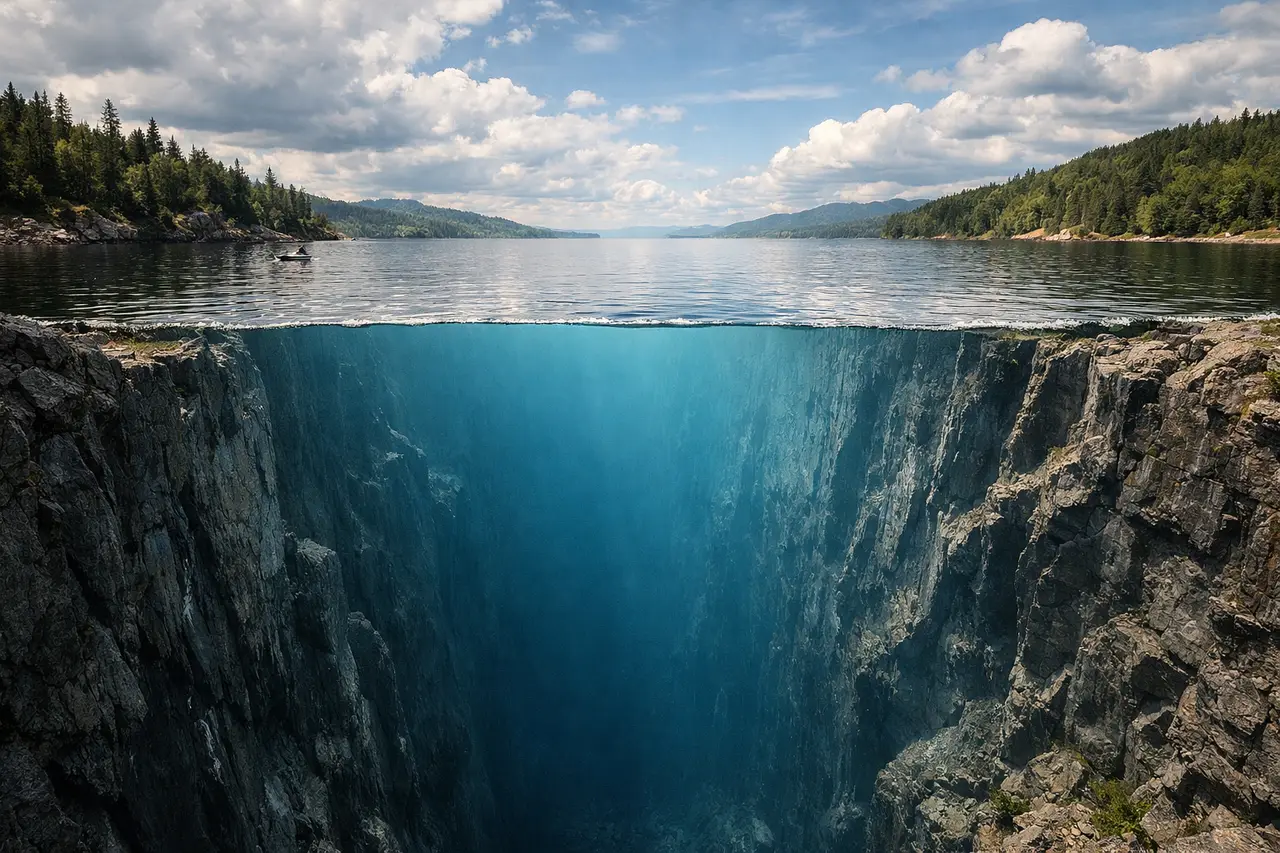
How Much Does a Lake Weigh?
A lake's weight depends entirely on its volume.
All weight guides in one paginated archive, organized for quick scanning.
A lake's weight depends entirely on its volume.
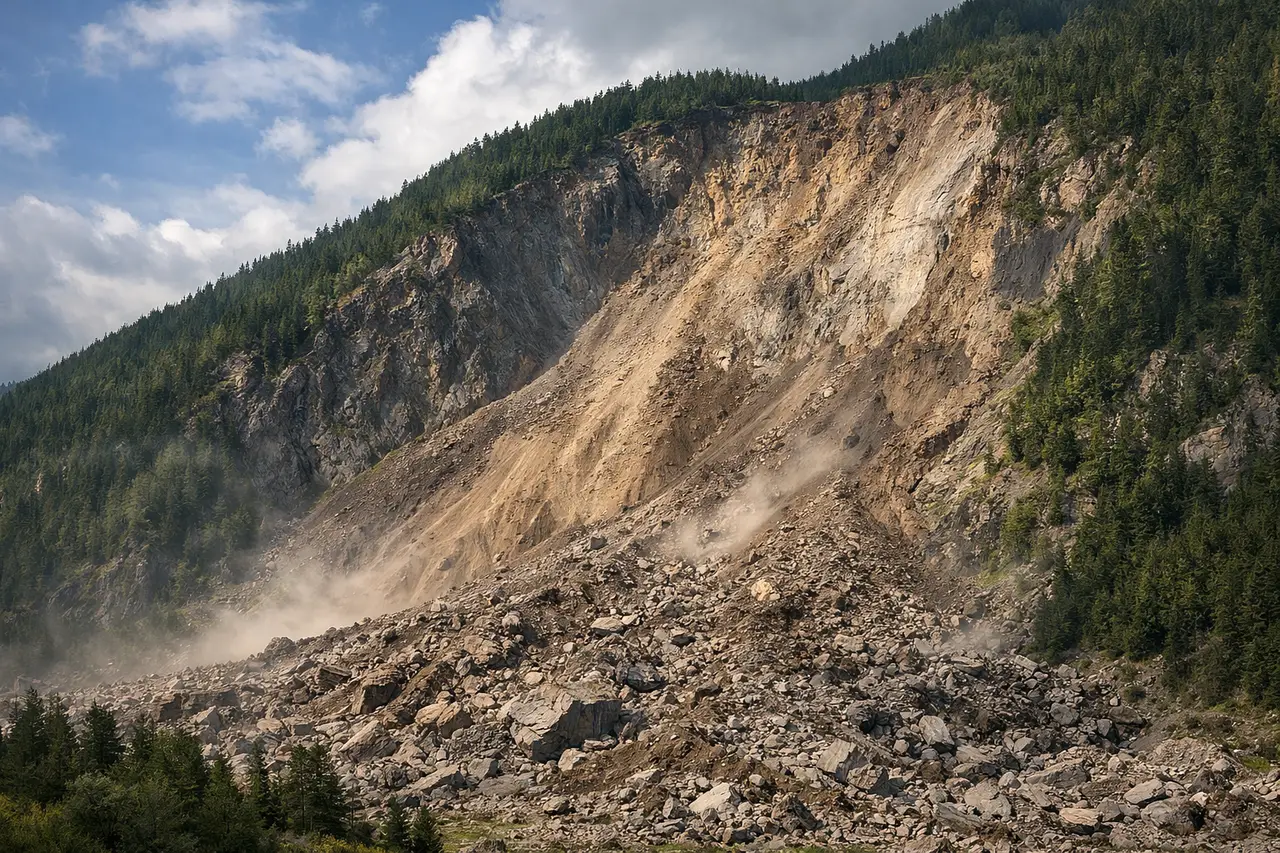
A landslide can weigh anywhere from a few hundred tons to billions of tons.
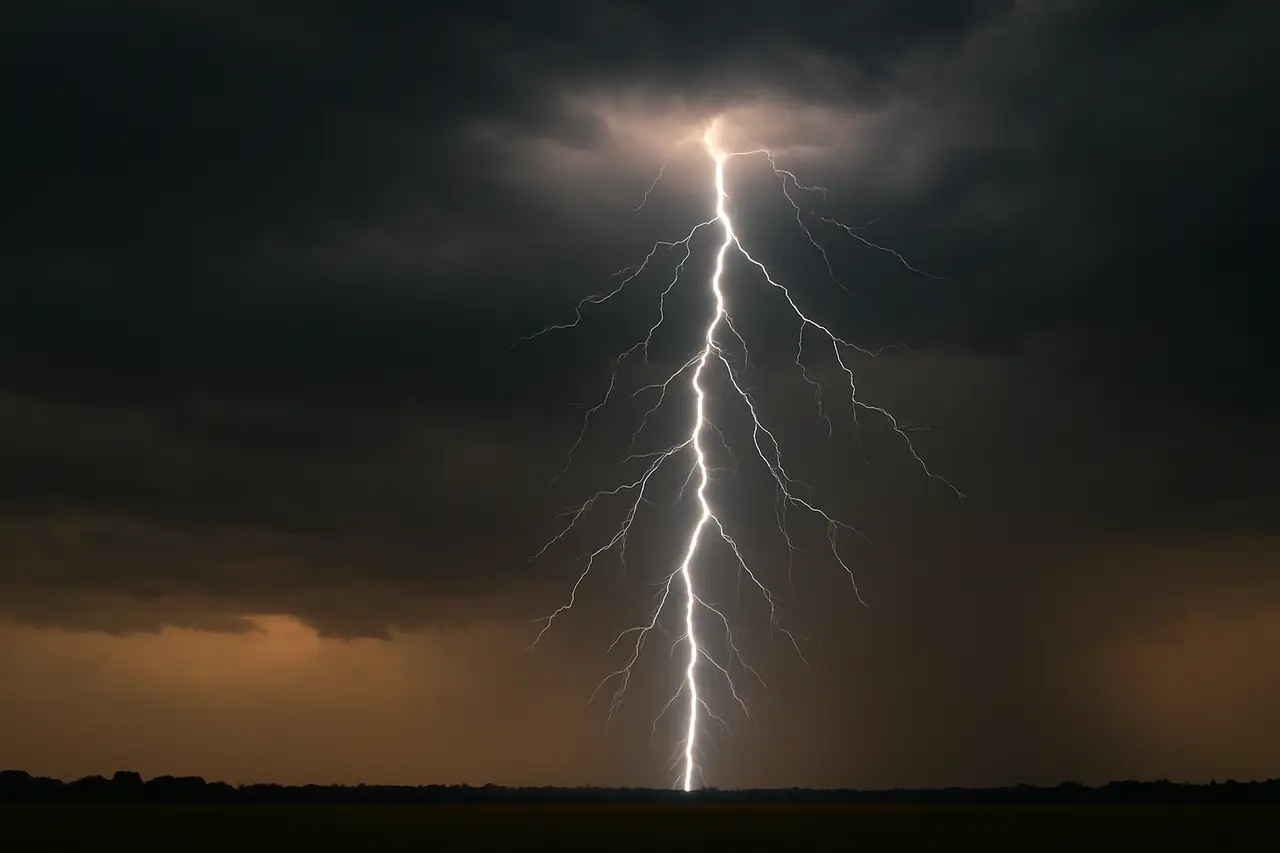
A lightning bolt contains plasma with mass, but its overall weight is extremely small.

At sea level and at 20°C (68°F), one liter of dry air weighs approximately 1.2 grams (0.0026 pounds).
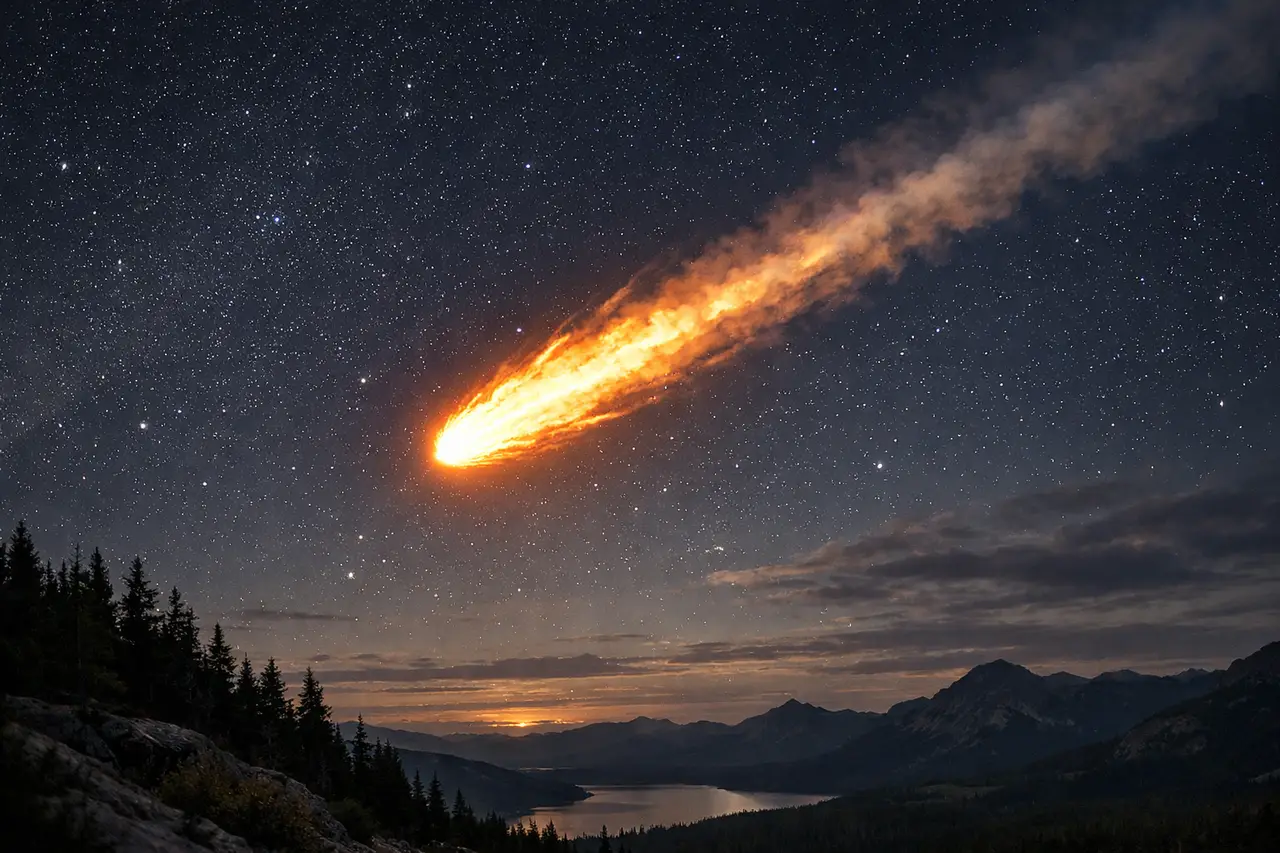
A meteor can weigh almost anything from tiny dust-sized grains to massive space rocks.

A typical raindrop weighs about 0.05 to 0.3 grams, depending on its diameter. A medium raindrop around 4 to 5 millimeters across is often close to one tenth of a gram.

An average moderate rainstorm can contain around 1,000 to 10,000 metric tons (about 2.2 to 22 million pounds) of water, depending on its size and intensity.

The weight of a river is not fixed but can be estimated by calculating the volume of water it contains multiplied by the density of water.
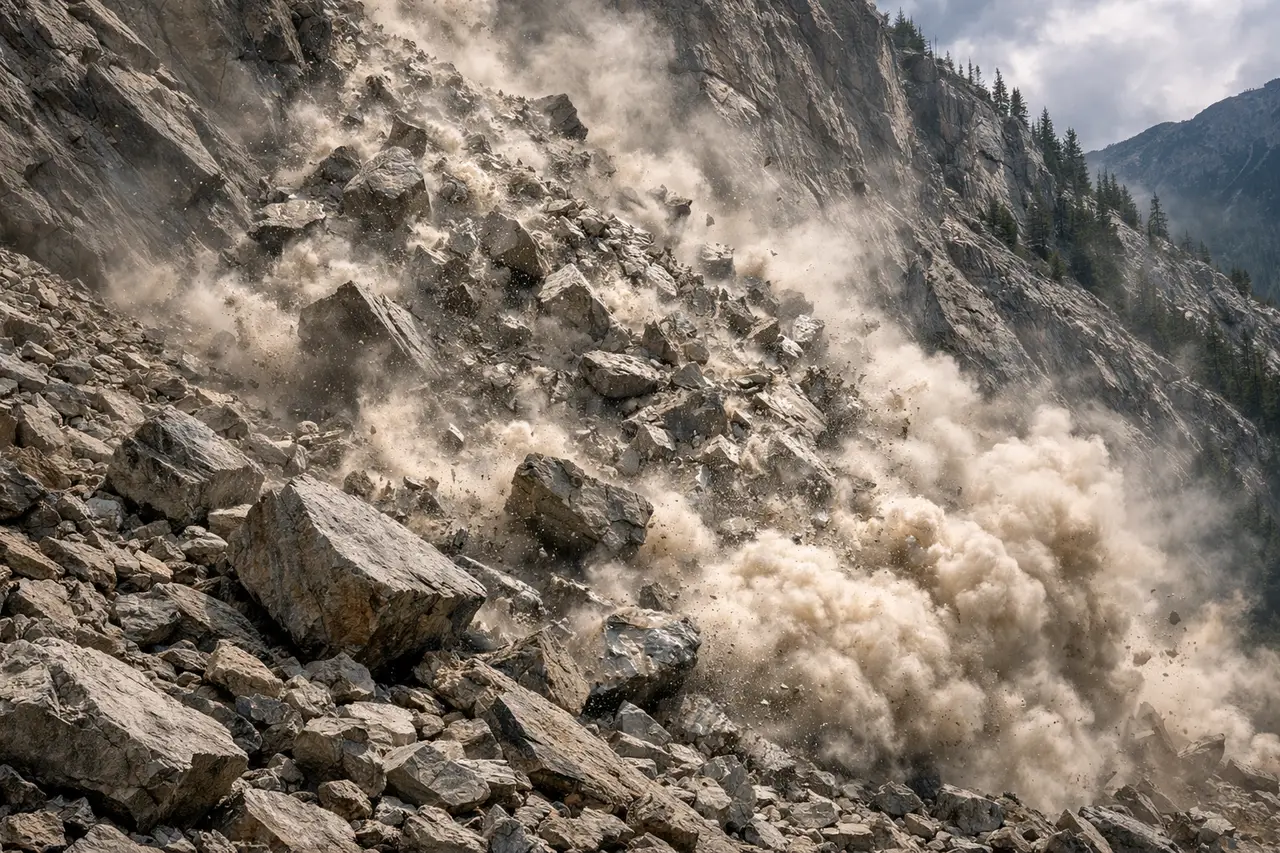
A rockslide can weigh from thousands of tons to billions of tons depending on the volume of rock released.

A mature giant sequoia tree can weigh between 1,500 and 2,700 metric tons (approximately 3.3 to 6 million pounds).

A shadow has no weight of its own because it is simply the absence of light, not matter.

A typical snowflake often weighs around 1 to 3 milligrams, although the exact number varies widely with size, branching, and moisture.