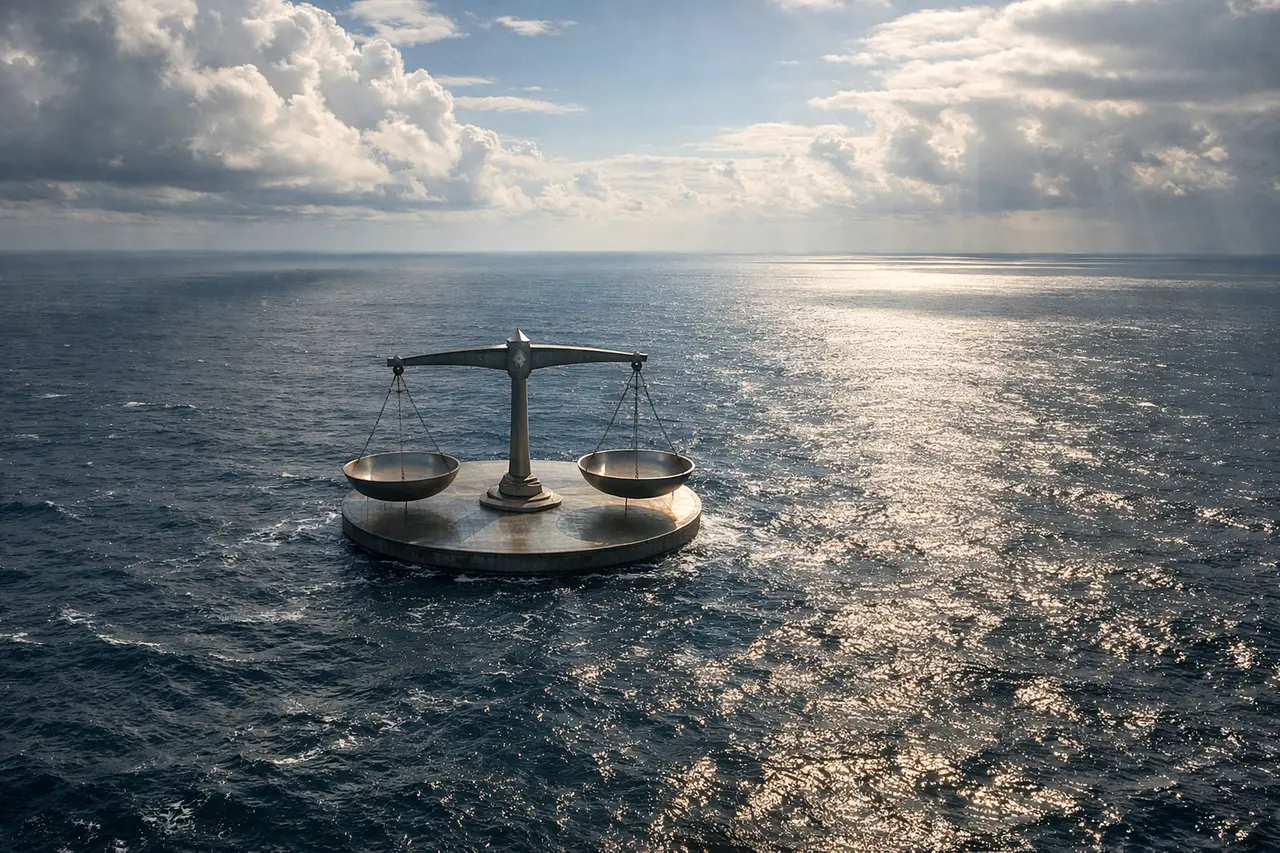
How Much Does the Ocean Weigh?
The ocean holds about 97 percent of Earth's water, so its total weight dominates the planet's surface water budget.
More answers from the archive, paginated for lighter browsing.
The ocean holds about 97 percent of Earth's water, so its total weight dominates the planet's surface water budget.
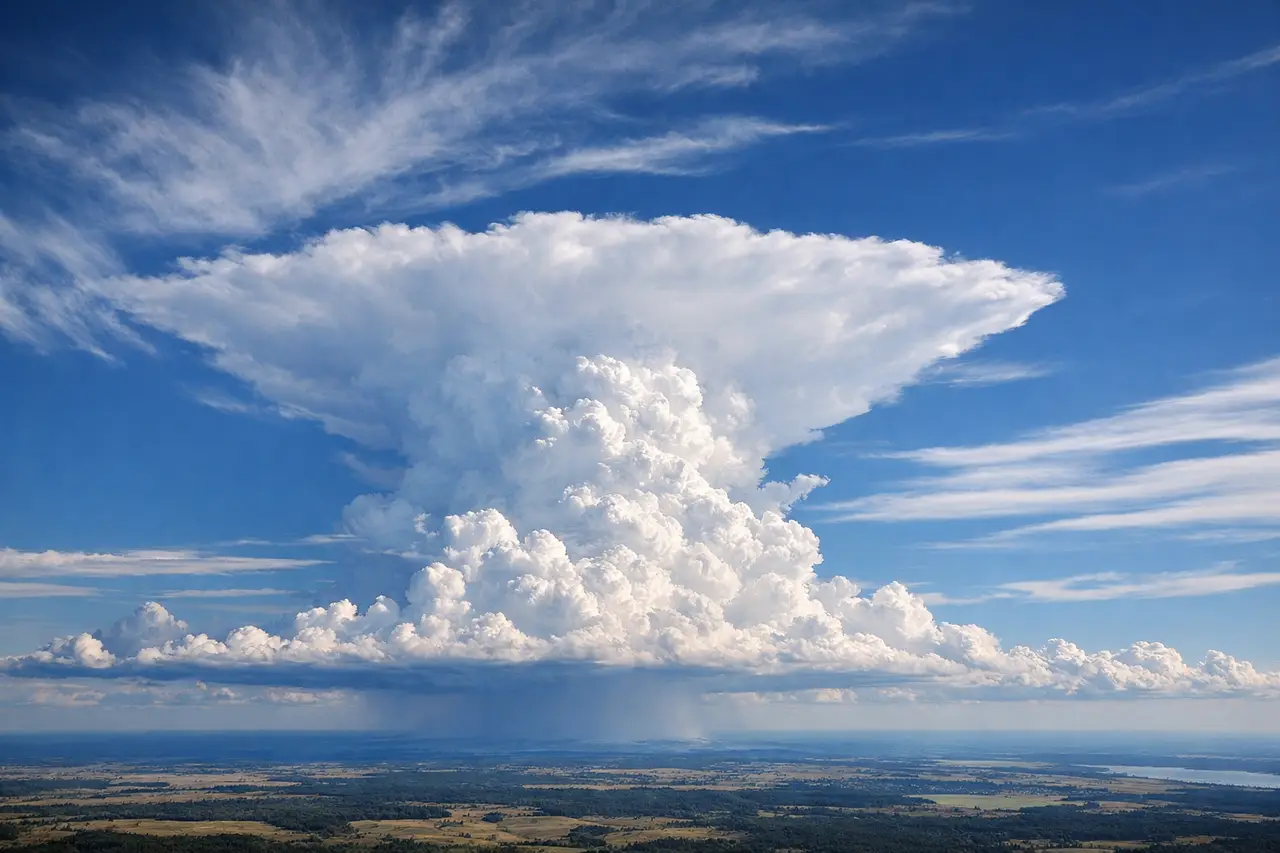
The sky itself is not a single object with one fixed weight, but if you mean the atmosphere that creates the visible sky, it weighs about 5.15 x 10^18 kilograms globally.

Wind weighs the same as air occupying the same volume.

A medium-sized city can weigh between 100 and 500 million metric tons (1 × 10^11 to 5 × 10^11 kg), depending on its size and density.
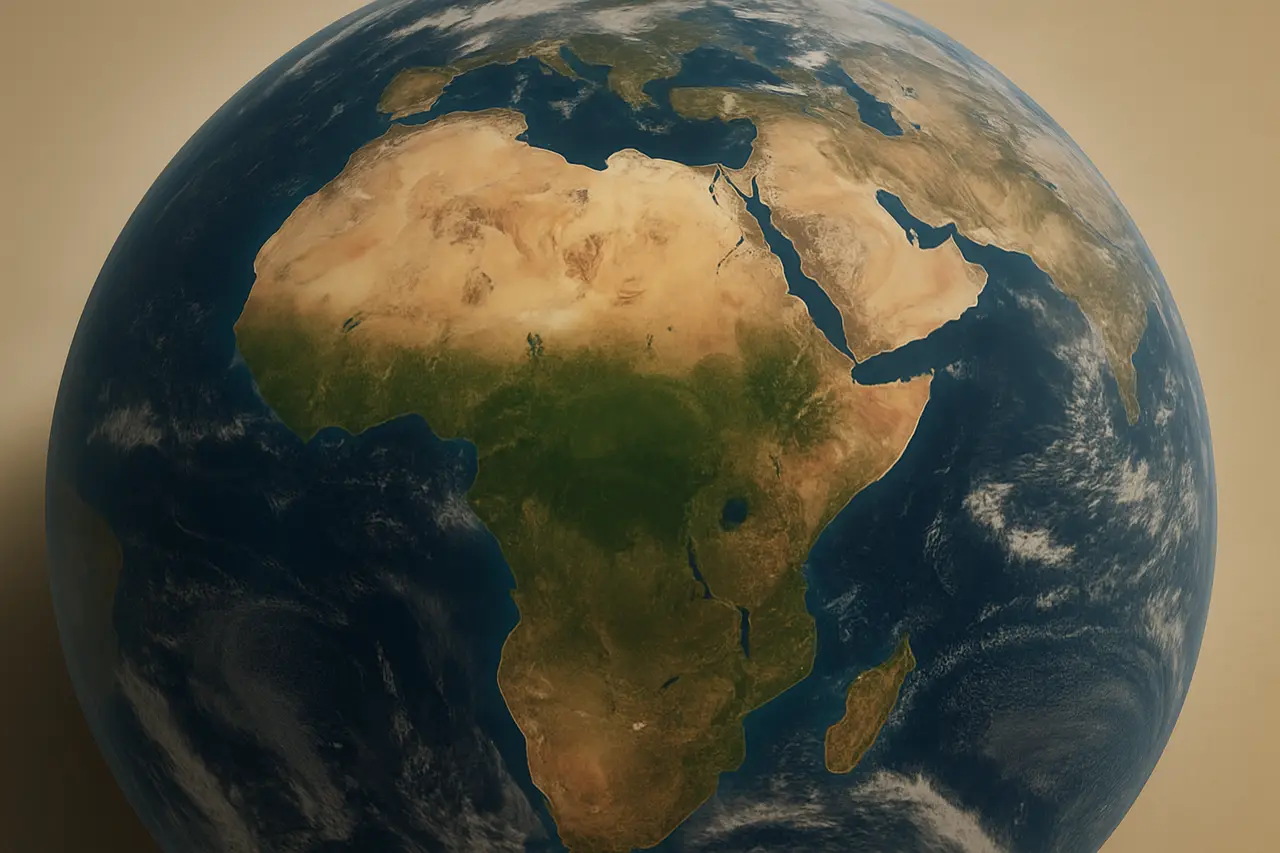
A typical continent weighs approximately 2 to 3 quintillion kilograms (2 to 3 × 10^18 kg), depending on size and composition.
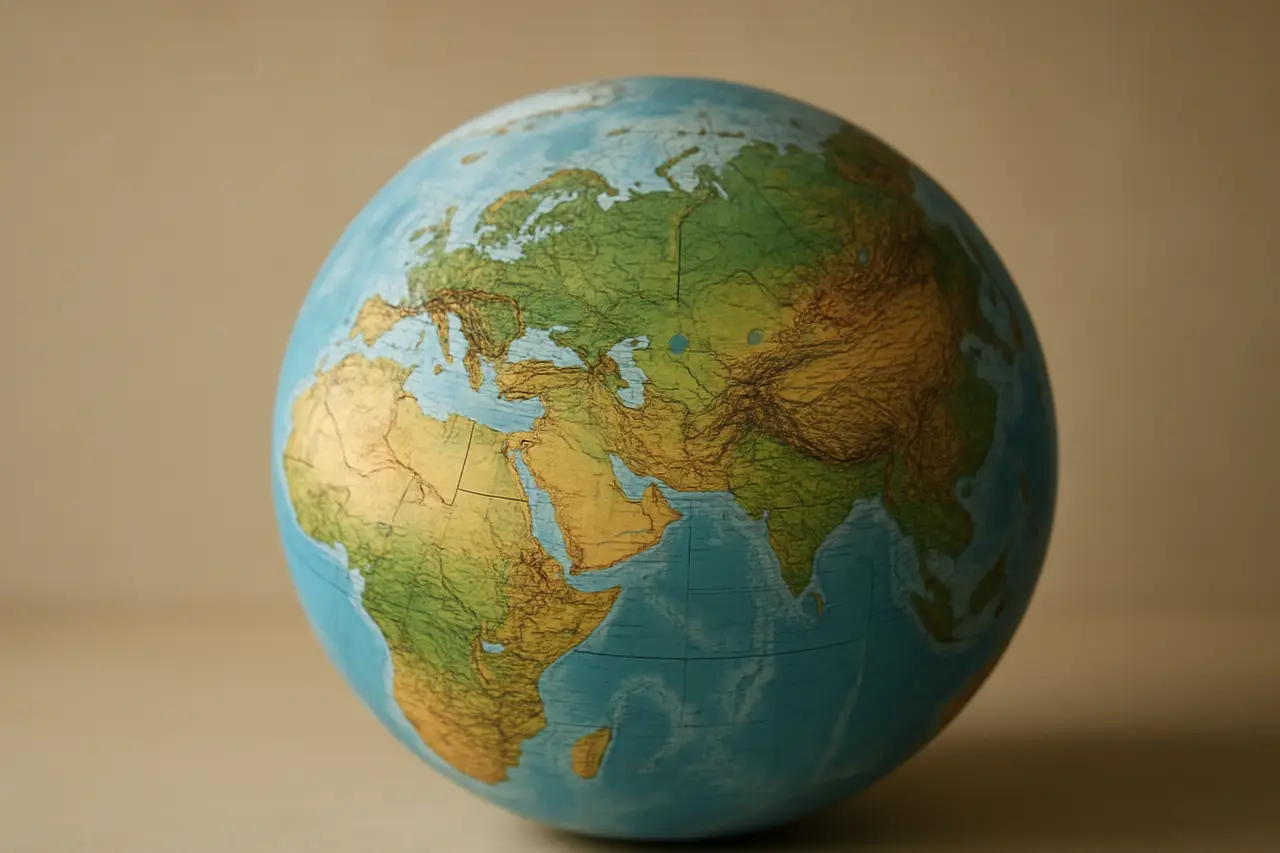
Measuring the weight of a country involves considering the mass of its landmass, including soil, rocks, minerals, water bodies, vegetation, infrastructure, and inhabitants.
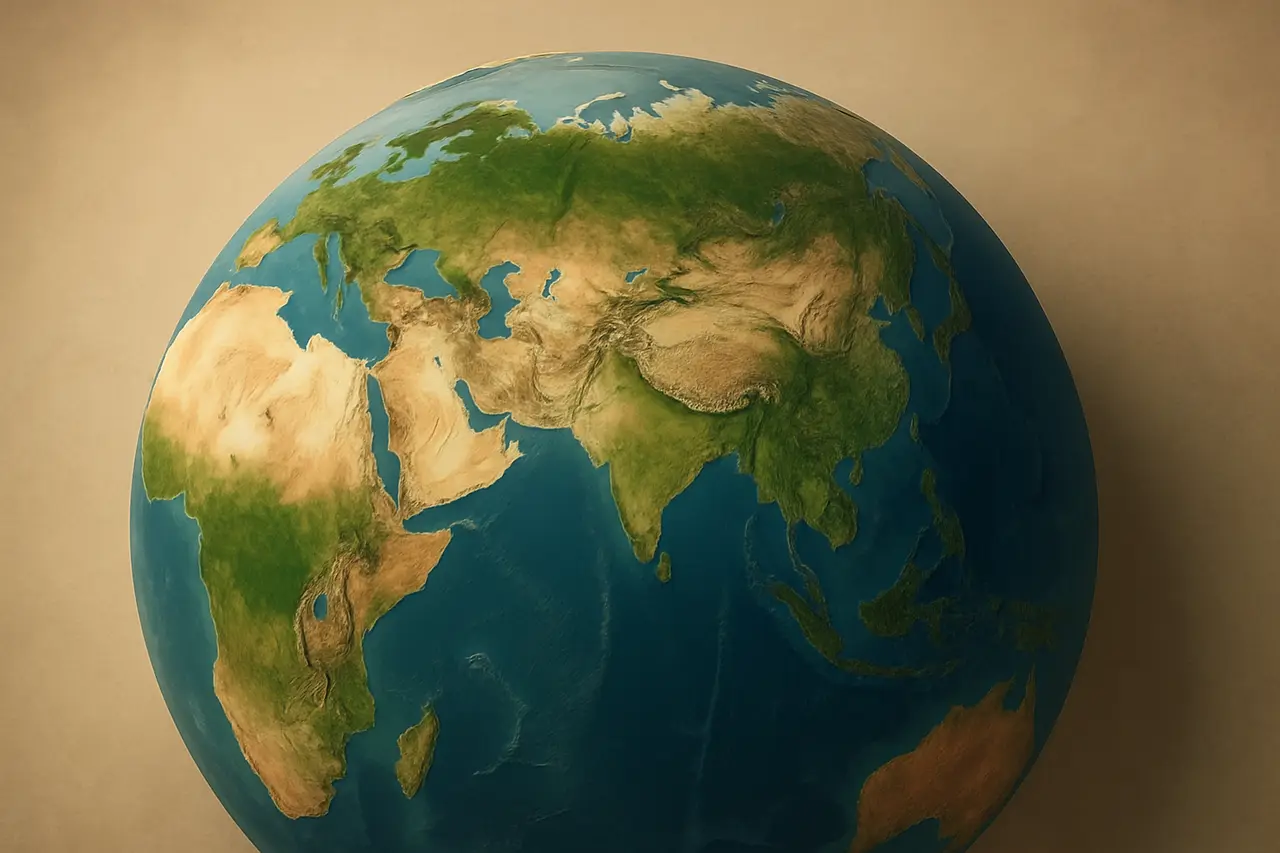
Asia weighs approximately 4.5 quintillion kilograms (4.5 × 10^18 kg), making it the heaviest continent on Earth.

The estimated weight of New York City, including its buildings, infrastructure, soil, and water, is approximately 700 trillion kilograms (about 770 billion tons).
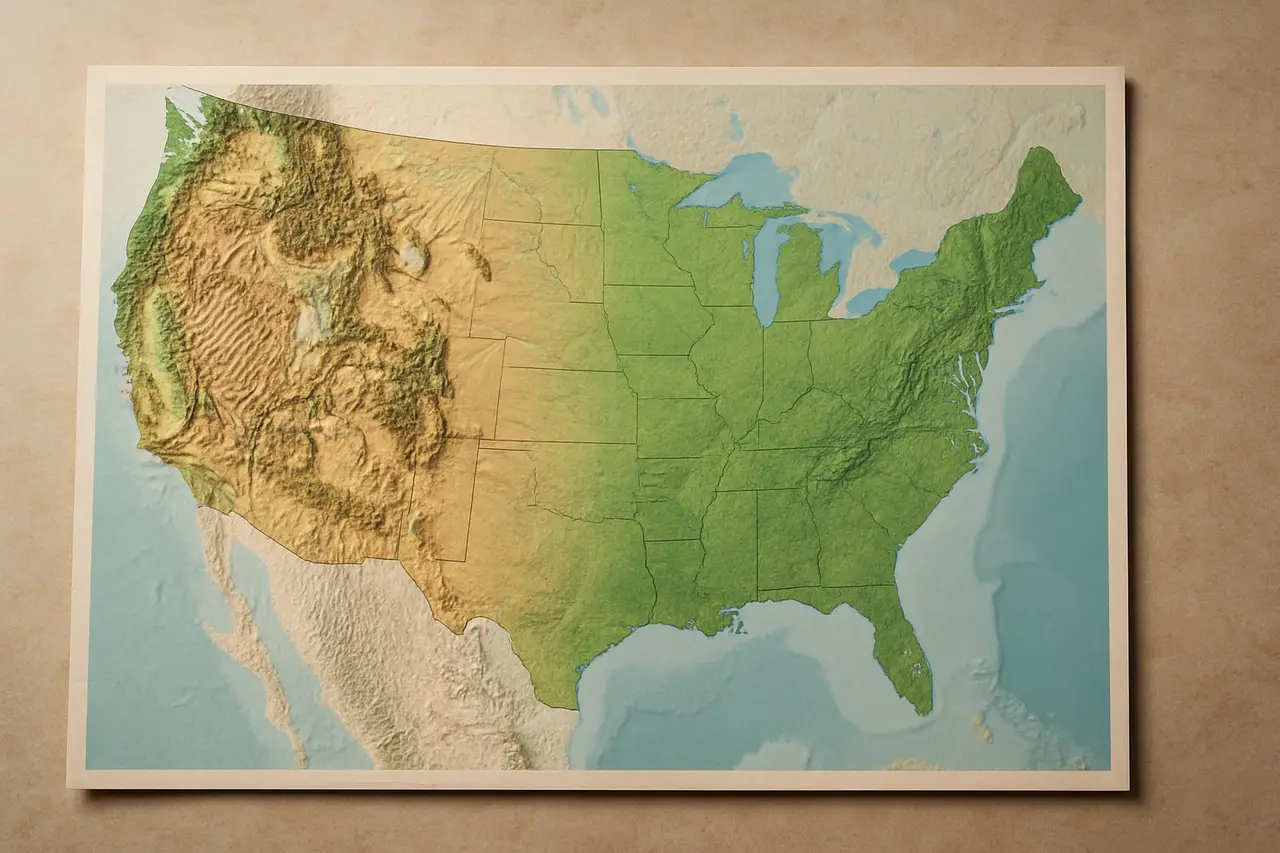
The estimated weight of the USA's landmass is approximately 2.6 quadrillion kilograms (2.6 x 10^15 kg), considering the average density of the Earth's crust and the country's surfa
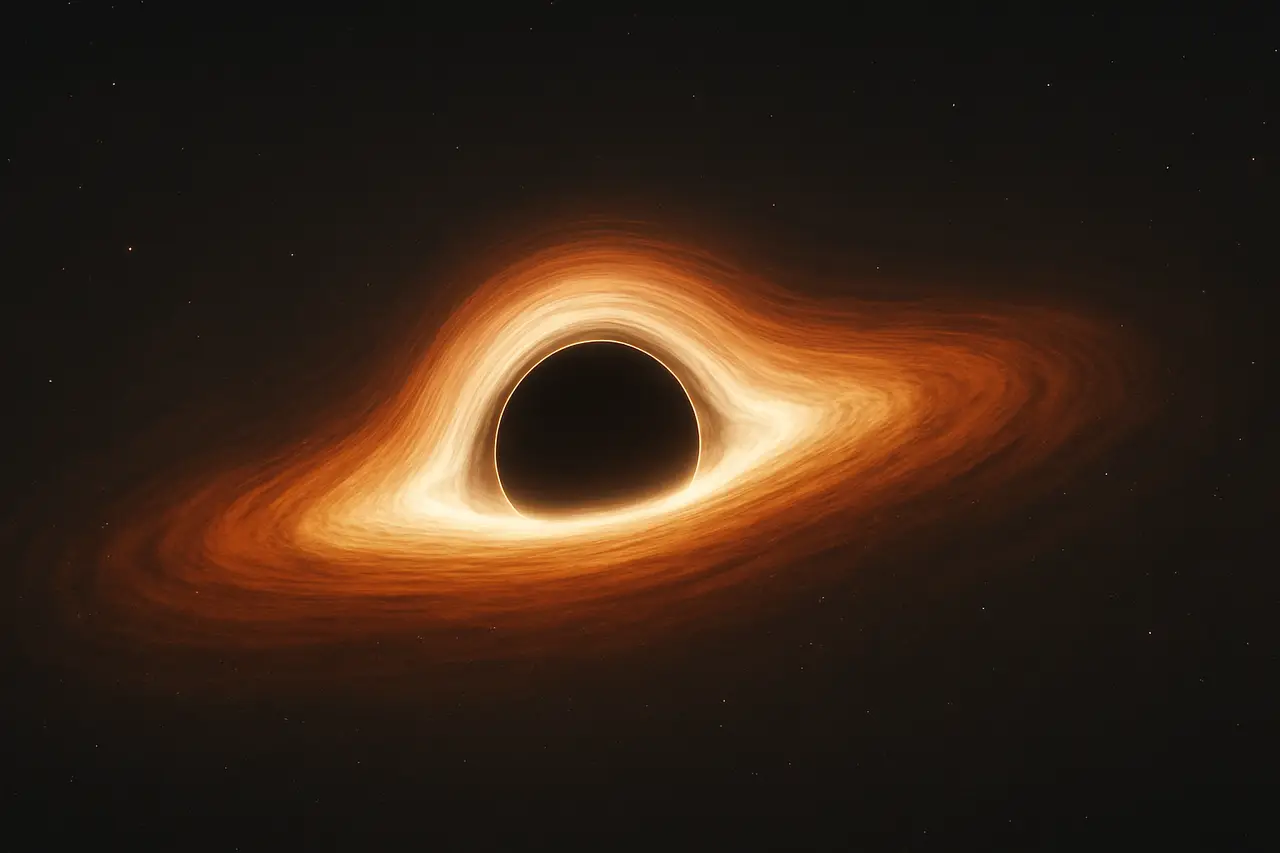
Stellar black holes typically weigh between 5 and 20 times the mass of the Sun, while supermassive black holes can weigh millions to billions of solar masses.
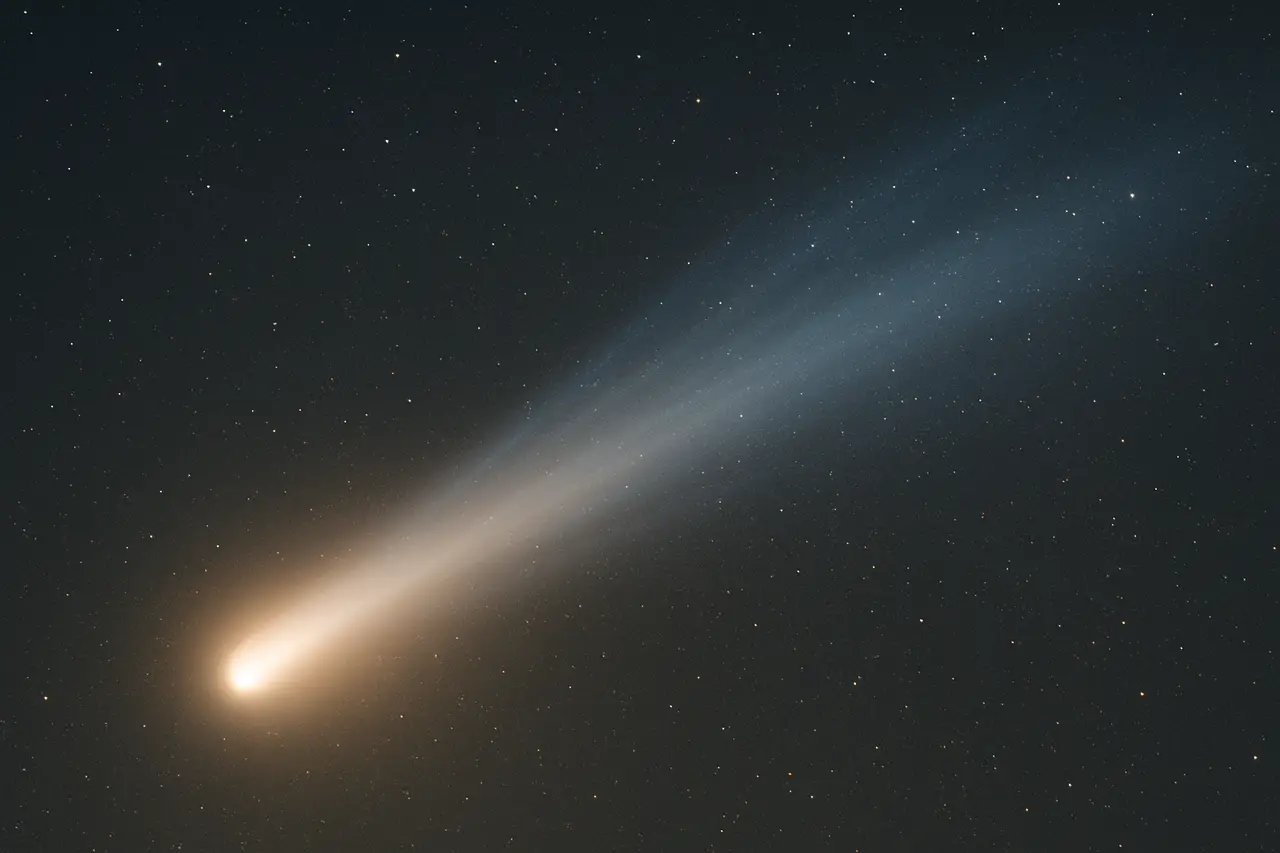
Comets typically weigh between a few billion to several trillion kilograms, depending on their size and composition.
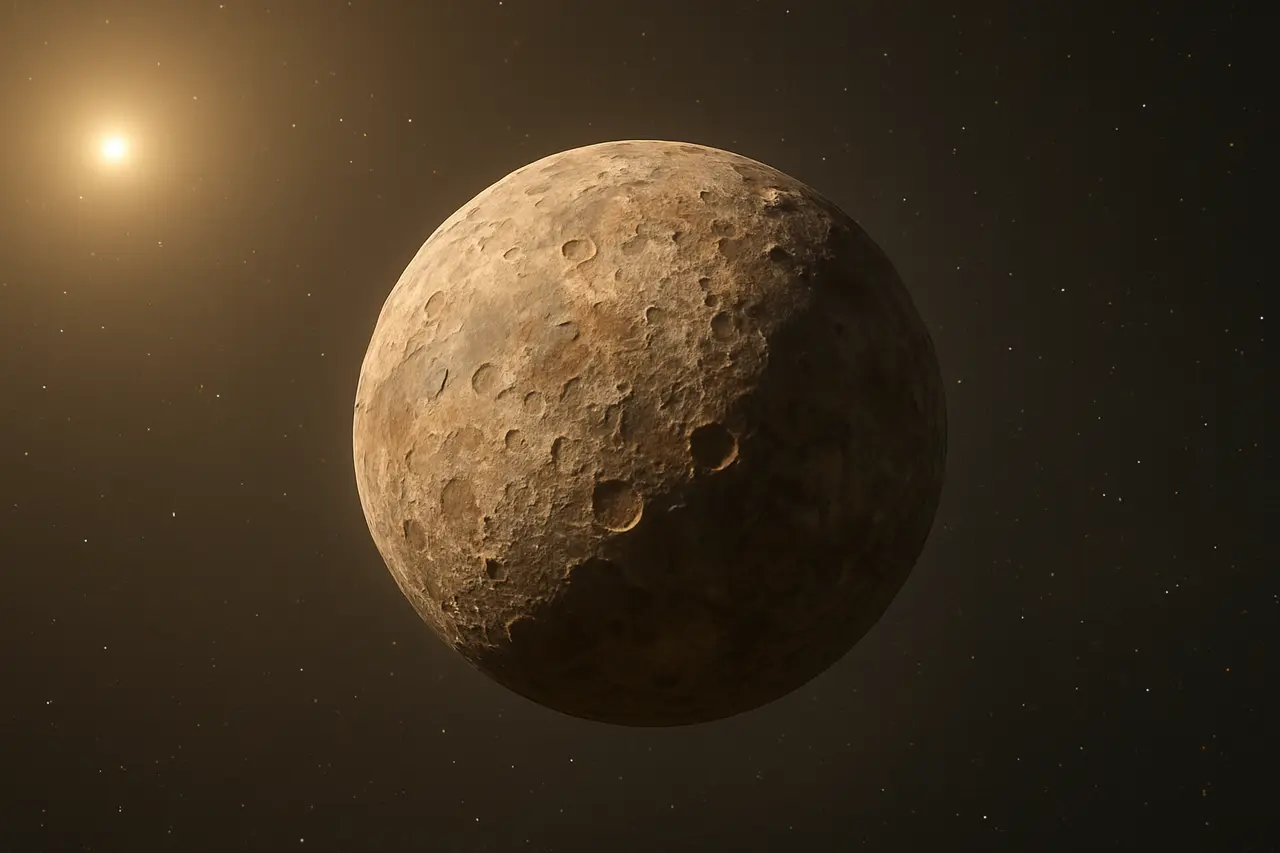
Dwarf planets vary widely in mass, ranging from about 4 × 10^21 kilograms for Pluto to around 9.39 × 10^20 kilograms for Ceres.