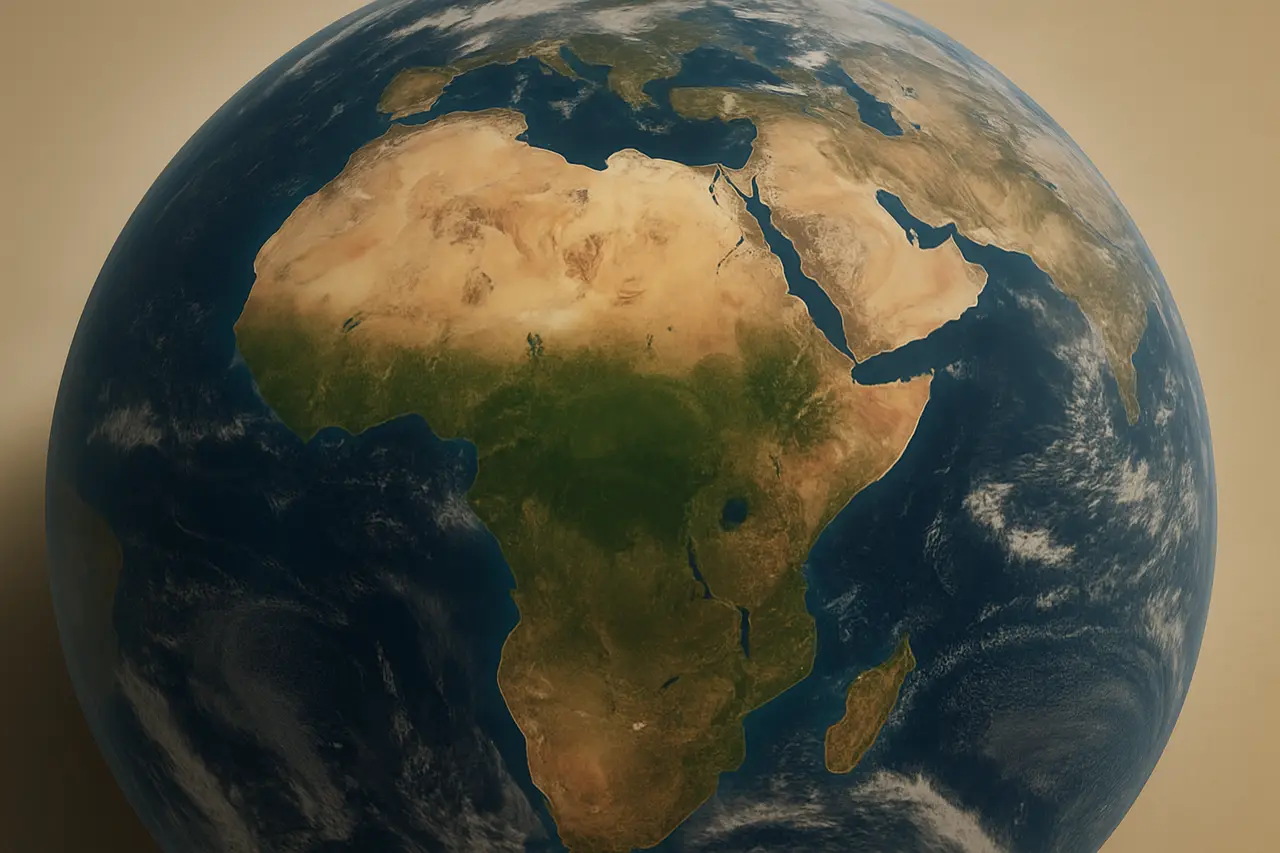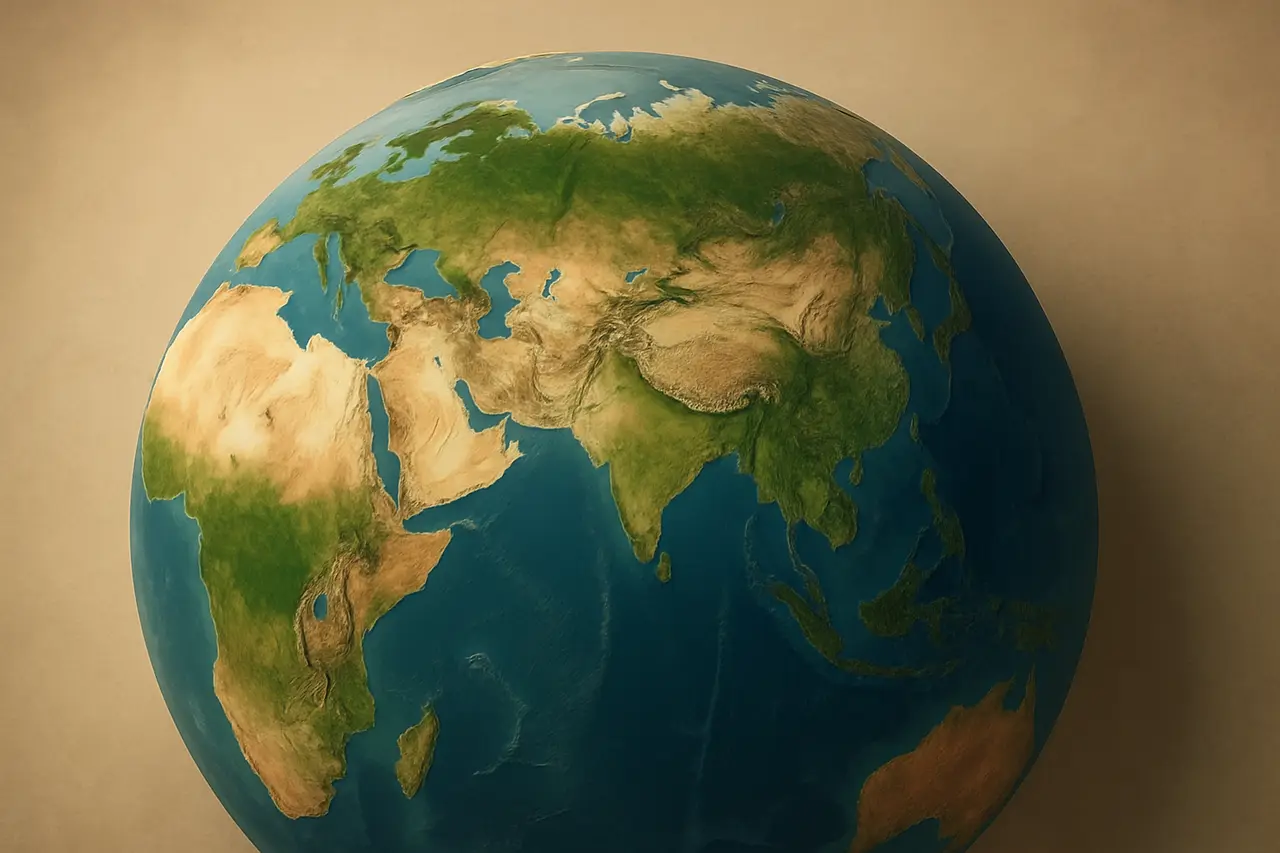
The short answer: Asia weighs approximately 4.5 x 10^18 kilograms (about 4.5 quintillion kilograms, or roughly 1 x 10^19 pounds), making it the heaviest continent. The figure comes from its area of about 44.6 million square kilometers and an average crust thickness near 35 kilometers.
Asia weight by type
Asia's weight is an estimate of its continental crust mass, since it is by far the largest continent. It covers about 30 percent of Earth's land area.
| Factor (example) | Approximate value |
|---|---|
| Land area | about 44.6 million km2 |
| Average crust thickness | around 35 km |
| Crust density | about 2,700 kg per cubic meter |
| Estimated total mass | about 4.5 x 10^18 kg |
What affects Asia weight
- Land area. Asia's enormous footprint is the biggest driver of its mass.
- Crust thickness. Thicker crust under mountains and plateaus adds mass.
- Crust density. Continental crust averages around 2,700 kg per cubic meter.
- Mountain ranges. The Himalayas and other ranges hold especially deep crust.
- Depth counted. Where the crust is taken to end affects the estimate.
- Measurement averaging. Thickness and density vary widely across the continent.
How Asia weight compares
Asia's estimated mass of about 4.5 quintillion kilograms makes it the heaviest continent, vastly outweighing the entire atmosphere, which totals only around 5 quadrillion metric tons.
Frequently asked questions
Why is Asia the heaviest continent?
Asia covers the largest land area of any continent, about 30 percent of Earth's land, and includes thick crust beneath its mountains and plateaus, giving it the greatest mass.
How is a continent's weight estimated?
Scientists multiply the continent's area by its average crust thickness and the density of continental crust to reach an approximate mass.
Is this figure exact?
No, it is an estimate. Crust thickness and density vary considerably across Asia, and the depth chosen for the crust's base affects the result.