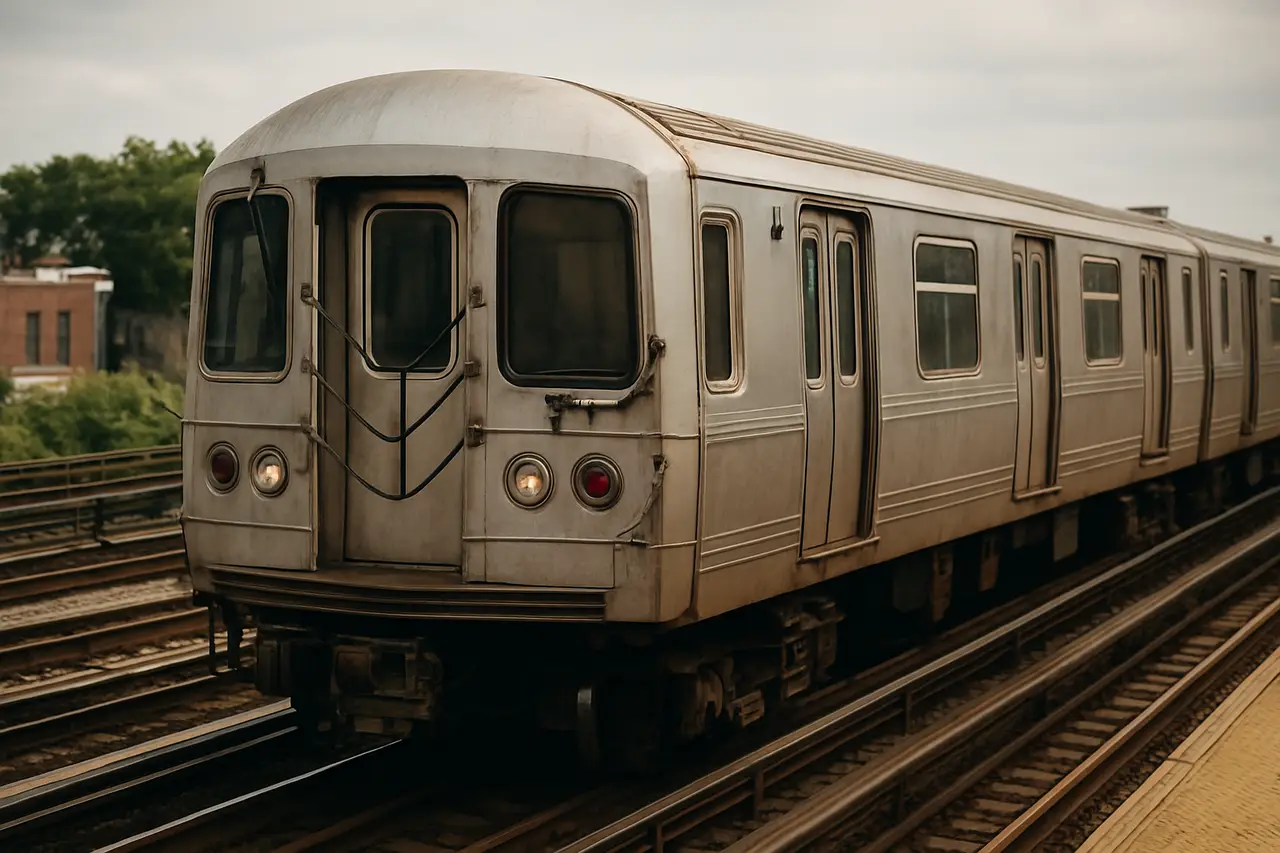
The short answer: A typical subway car weighs between 30,000 and 40,000 kg (about 66,000 to 88,000 pounds), depending on its size and materials.
Subway car weight by type
Subway car weight depends on its length, construction materials, and whether passengers are aboard. The table compares common types.
| Subway car type (example) | Typical weight |
|---|---|
| Lightweight aluminum car | Roughly 28,000 to 33,000 kg |
| Stainless steel car | Around 35,000 to 40,000 kg |
| Older heavy-rail car | Up to about 40,000 kg or more |
| Car with full passenger load | Several tons heavier than empty |
What affects subway car weight
- Body material. Aluminum cars are lighter than older stainless-steel or carbon-steel designs.
- Car length. Longer cars and those with more seating weigh more.
- Empty versus loaded. A crush-loaded car of standing passengers can weigh several tons more than empty.
- Equipment. Motors, brakes, and air conditioning add to the empty weight.
- Powered versus trailer cars. Motorized cars carry traction equipment and weigh more than unpowered trailers.
- System design. Different transit systems specify different car sizes and standards.
How subway car weight compares
At around 35,000 kg, a subway car weighs roughly as much as 25 average cars, or about six adult African elephants.
Frequently asked questions
How much does a subway car weigh?
A typical subway car weighs between 30,000 and 40,000 kg, or roughly 66,000 to 88,000 pounds. The weight depends on its size, materials, and equipment.
Are modern subway cars lighter than older ones?
Generally yes, because modern cars often use aluminum and lighter components. This improves energy efficiency and acceleration.
How much heavier is a subway car when full of passengers?
A fully crush-loaded car can weigh several tons more than when empty. Each passenger adds weight, and cars are designed to carry well over a hundred people.