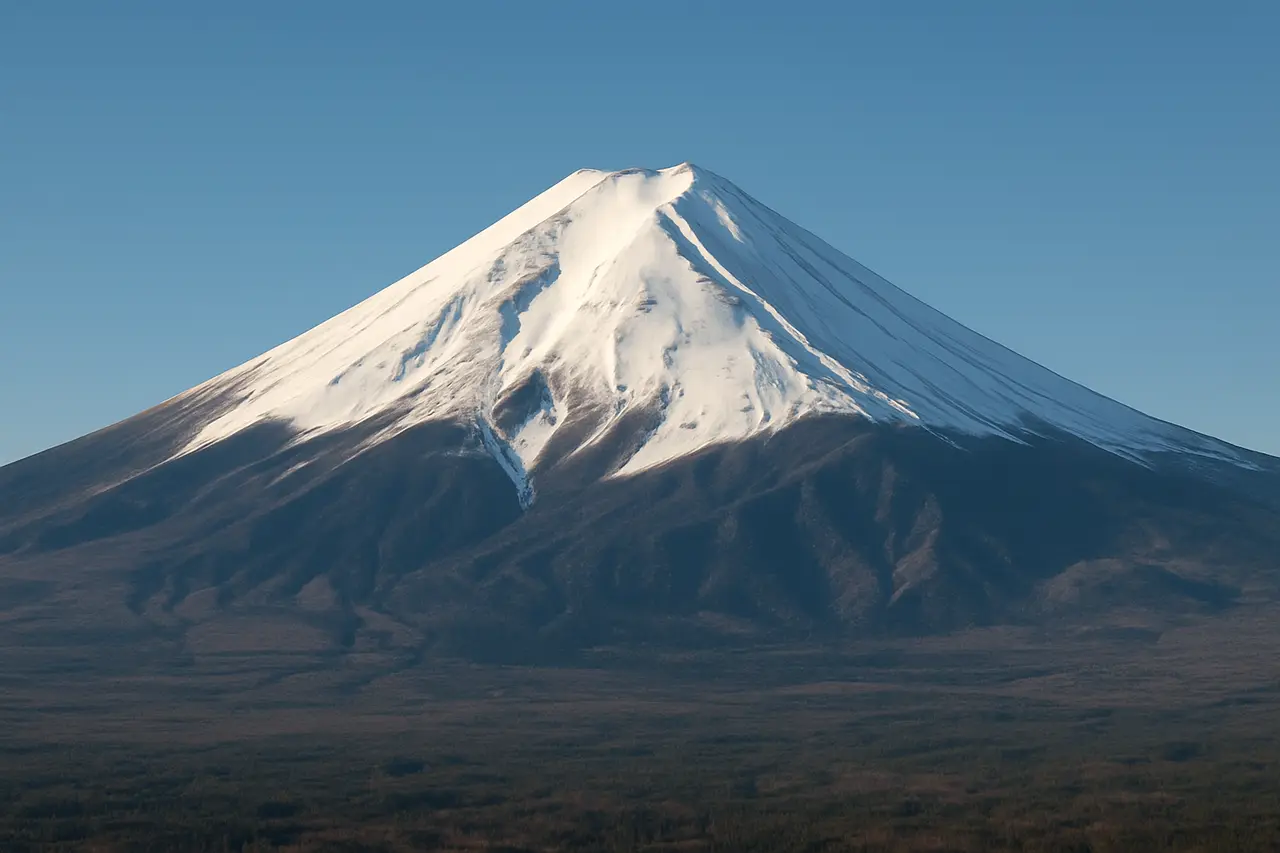
The short answer: Mount Fuji is estimated to weigh around 2.5 trillion metric tons (about 2.75 trillion US tons), calculated from its volume and rock density. The figure is a rough estimate.
Mount Fuji weight by type
Mount Fuji is Japan's tallest peak, a symmetrical stratovolcano standing 3,776 m (12,389 ft) on Honshu Island. Its estimated weight comes from its volume and the density of its volcanic rock.
| Aspect | Approximate figure |
|---|---|
| Summit height | 3,776 m (12,389 ft) |
| Type | symmetrical stratovolcano |
| Estimated mass | around 2.5 trillion metric tons |
| Primary material | volcanic rock and ash |
| Confidence level | rough order-of-magnitude estimate |
What affects Mount Fuji weight
- Volume. Fuji's broad, cone-shaped base holds an enormous amount of material.
- Rock density. Its volcanic rock and ash determine mass per cubic meter.
- Base definition. Where the base is drawn changes the volume counted.
- Symmetrical shape. The classic cone form makes its volume easier to estimate.
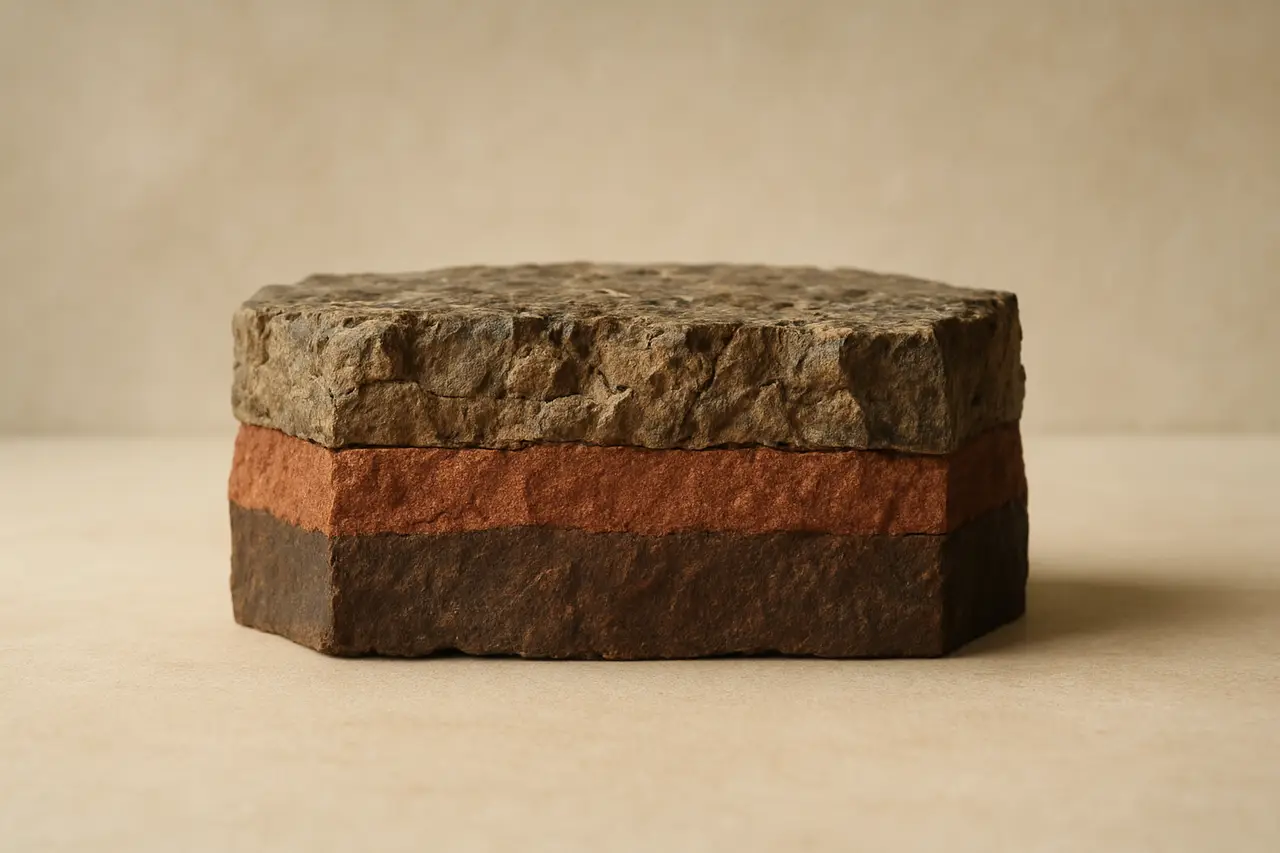
- Layered material. Alternating lava and ash layers vary in density.
- Estimation method. The figure is approximate, based on geometry and density.
How Mount Fuji weight compares
Mount Fuji's mass is so vast that no everyday object compares; it far outweighs the combined mass of every vehicle and ship on Earth.
Frequently asked questions
How much does Mount Fuji weigh?
Mount Fuji is estimated to weigh around 2.5 trillion metric tons. The figure is a rough estimate from its volume and rock density.
How is Mount Fuji's weight estimated?
Its symmetrical cone shape makes the volume relatively straightforward to estimate, and that volume is multiplied by the density of its volcanic rock. The result is an approximation.
What is Mount Fuji made of?
Mount Fuji is a stratovolcano built from layers of volcanic rock, lava, and ash accumulated over many eruptions.