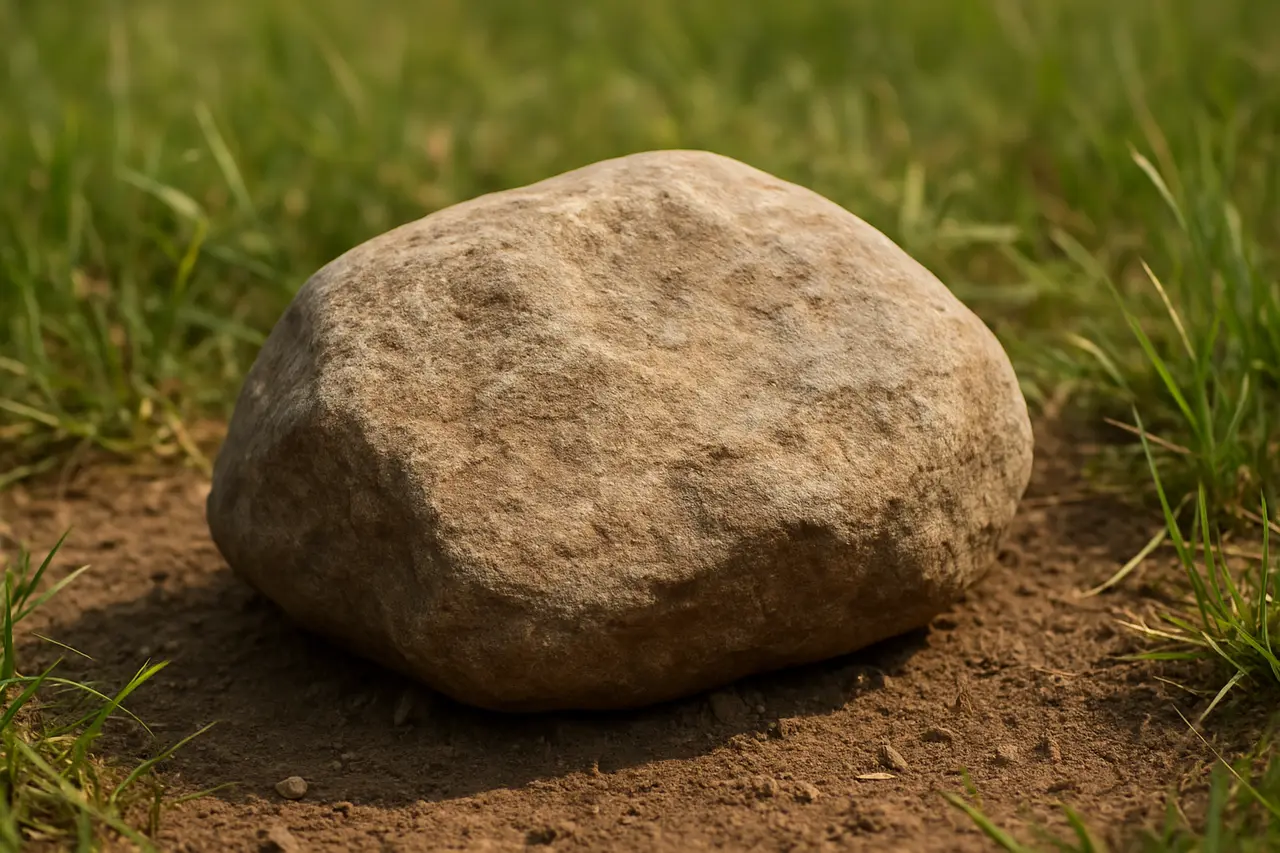
The short answer: A typical medium-sized rock weighs between about 5 and 20 kg (11 to 44 lb), depending on its size and type. Smaller stones weigh far less and boulders far more.
Rock weight by type
Rocks are naturally occurring solid mineral materials in a huge range of sizes. A rock's weight depends on its volume and the density of its rock type.
| Rock size (example) | Typical weight |
|---|---|
| Small pebble | a few grams to ~100 g |
| Fist-sized rock | about 0.5-1.5 kg |
| Medium rock | about 5-20 kg (11-44 lb) |
| Large rock (carriable) | about 20-40 kg |
| Granite vs pumice (same size) | granite is far heavier |
What affects rock weight
- Size (volume). Larger rocks contain more material and weigh more.
- Rock type. Granite and basalt are dense; pumice and chalk are light.
- Density. Mineral content sets how heavy each cubic centimeter is.
- Porosity. Porous rocks weigh less than solid ones of the same size.
- Moisture. Water absorbed into pores adds a little weight.
- Shape. Compact rocks pack more mass than flat or thin ones.
How rock weight compares
A medium 10 kg rock weighs about the same as a large bag of potatoes or a medium-sized dog.
Frequently asked questions
How much does a rock weigh?
A typical medium rock weighs about 5 to 20 kg. Small pebbles weigh only grams, while large boulders can weigh tons.
Why do rocks of the same size weigh differently?
Different rock types have different densities. A dense granite weighs much more than a porous pumice of identical size.
How can I estimate a rock's weight?
Estimate the rock's volume and multiply by its density. Common rocks like granite are around 2.7 grams per cubic centimeter, so a fist-sized piece weighs about a kilogram.