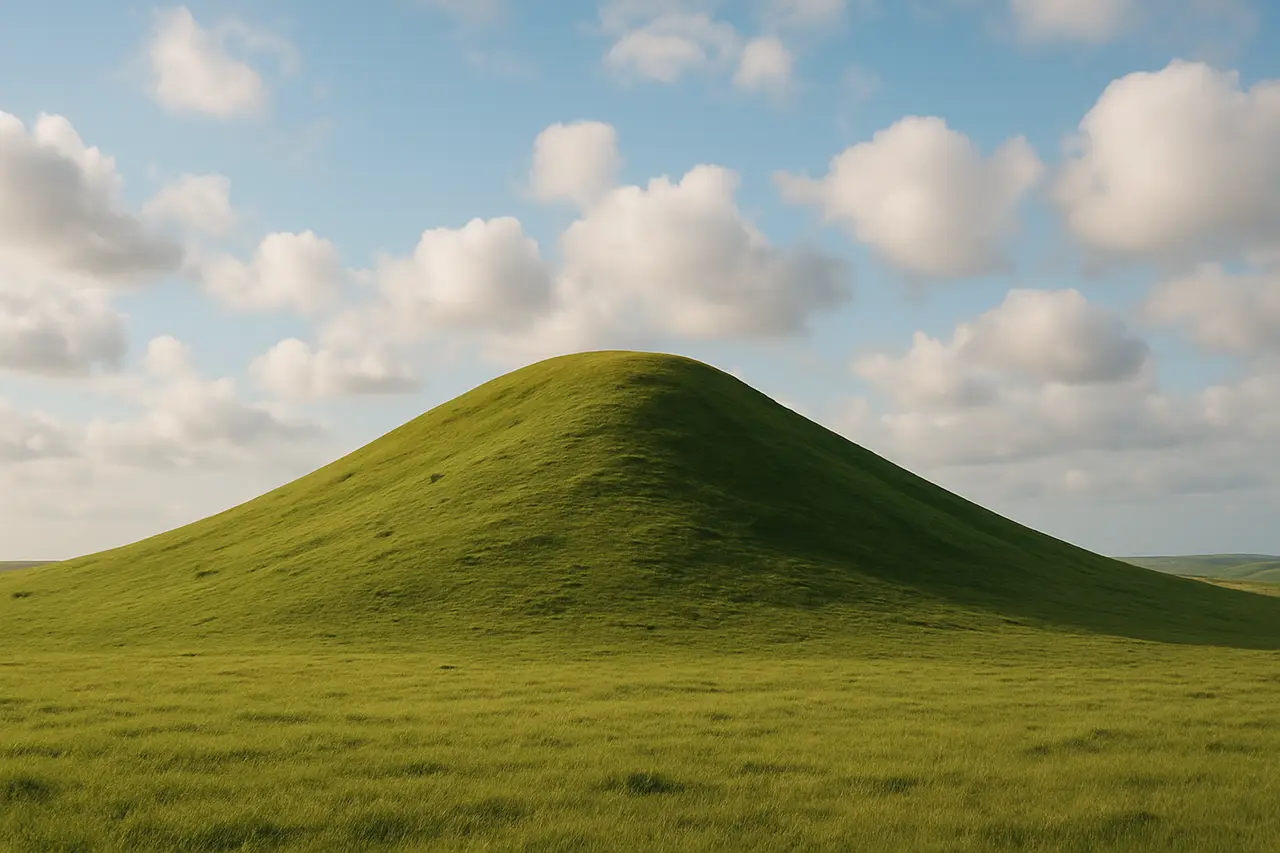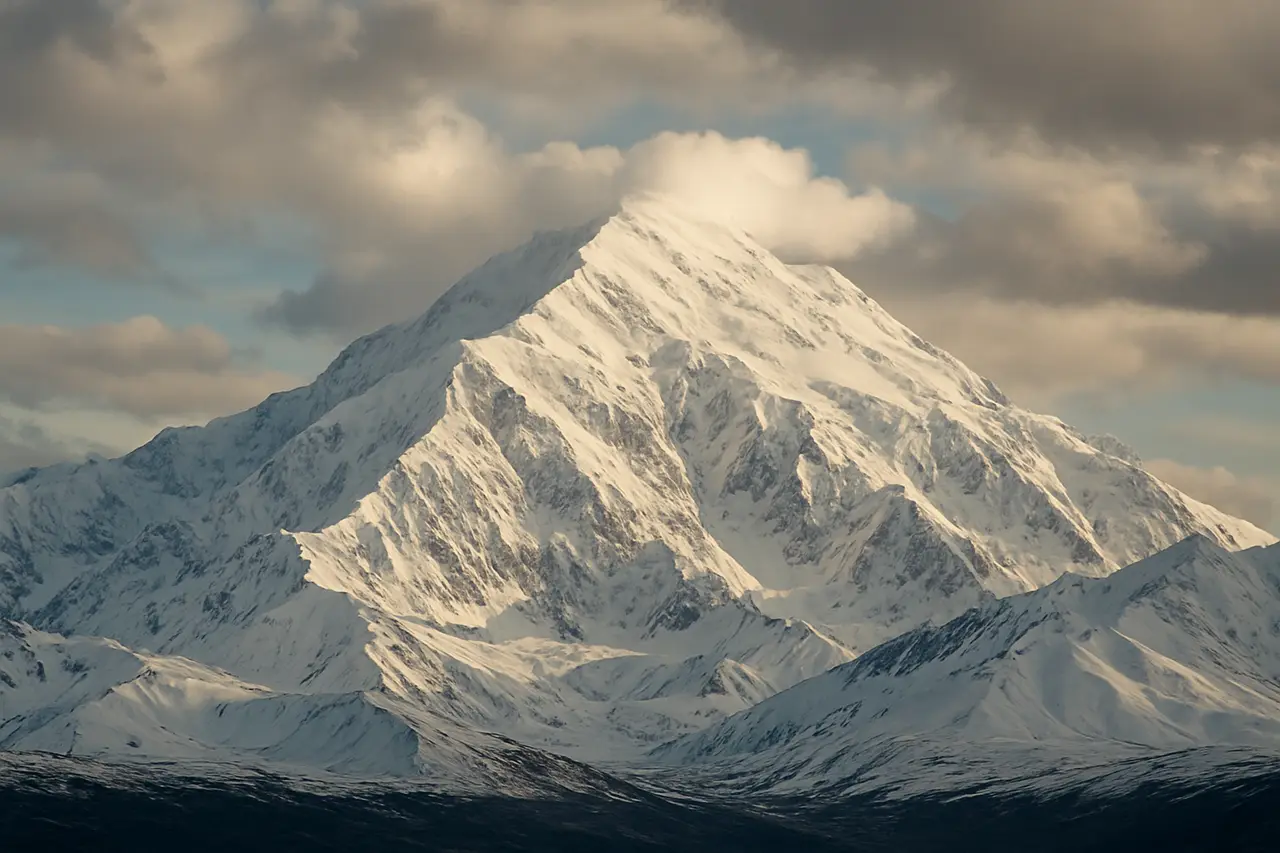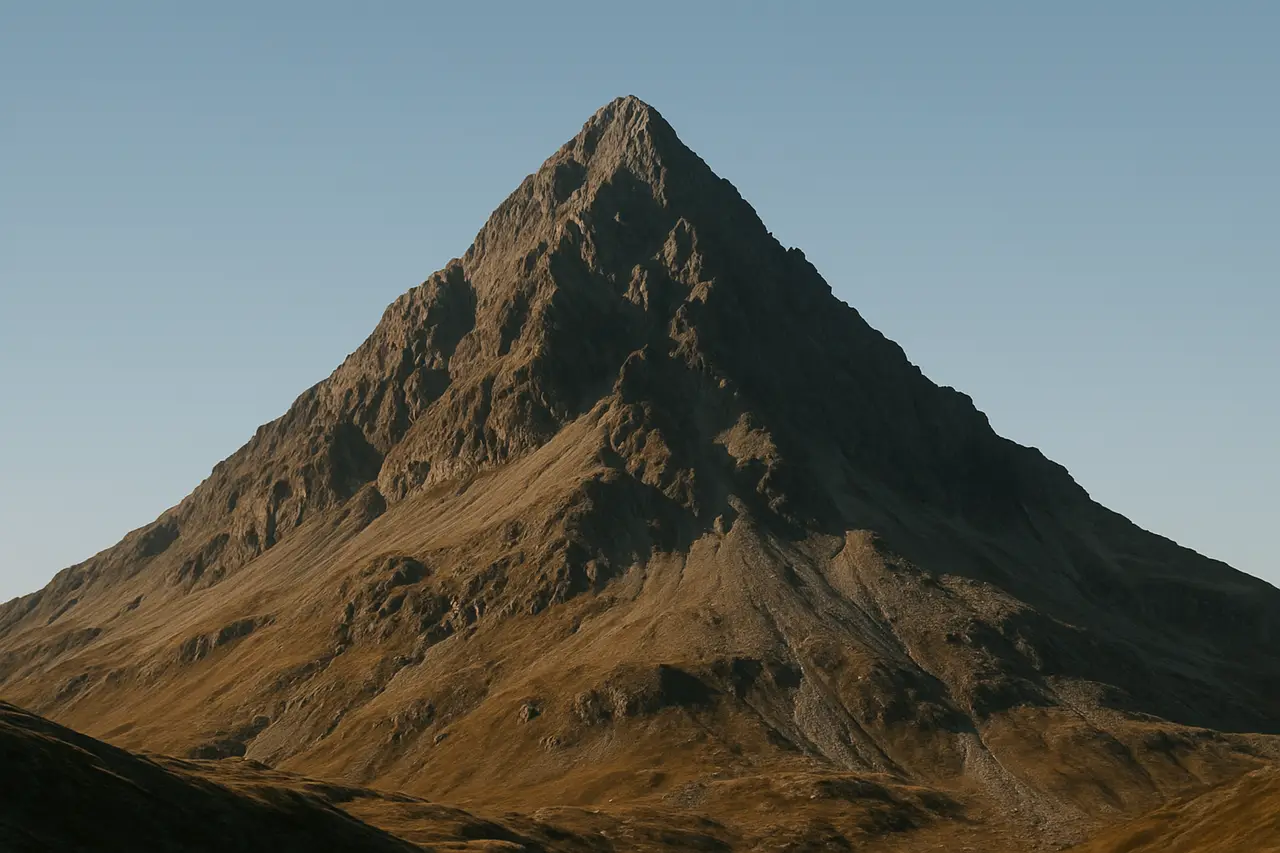
The short answer: A typical mountain weighs on the order of roughly 100 billion to 1 trillion metric tons, depending on its size and composition. The figure is an estimate from volume and rock density.
Mountain weight by type
A mountain is a massive landform made mostly of rock and earth. Its weight depends on its height, volume, and the density of the rock it contains.
| Mountain size (example) | Rough order of magnitude |
|---|---|
| Small mountain | around 10-100 billion metric tons |
| Medium mountain | around 100-500 billion metric tons |
| Large mountain | around 0.5-1 trillion metric tons |
| Very large massif | trillions of metric tons |
| Dense rock vs porous rock | denser is heavier |
What affects mountain weight
- Volume. Height and base area together determine the amount of rock present.
- Rock density. Denser rock like granite adds more mass per cubic meter.
- Composition. Rock, soil, and ice each contribute different weights.
- Where you measure the base. Defining the base level changes the volume counted.
- Shape. Broad, bulky mountains hold far more material than slender peaks.
- Estimation method. All such figures are approximations from geometry and density.
How mountain weight compares
A mountain's mass is so vast that comparing it to everyday objects is meaningless; even the combined weight of all the world's ships is a tiny fraction of a single large mountain.
Frequently asked questions
How much does a mountain weigh?
A typical mountain weighs on the order of 100 billion to 1 trillion metric tons, depending on its size and composition. The largest mountains weigh even more.
How do scientists estimate a mountain's weight?
They estimate the mountain's volume from its dimensions and multiply by the average density of its rock. Where you define the base strongly affects the result.
Why is estimating a mountain's weight so imprecise?
Mountains have irregular shapes, varied rock types, and no clear lower boundary, so any weight figure is only a rough order-of-magnitude estimate.