The short answer: The Ostankino Tower weighs roughly 54,000 metric tons (about 59,500 US tons), most of it reinforced concrete.
Broadcast tower weight by type
The Moscow tower's weight is dominated by its tall reinforced-concrete shaft. The table breaks down its principal parts.
| Component (example) | Typical weight |
|---|---|
| Reinforced concrete shaft | The bulk of the structure |
| Steel antenna mast | Hundreds to a few thousand tons |
| Observation and restaurant deck | Several thousand tons |
| Total structure | Roughly 54,000 metric tons |
What affects broadcast tower weight
- Concrete shaft. The pre-stressed concrete tube forms the vast majority of the tower's mass.
- Height. Standing about 540 meters, the structure needs heavy material to remain stable in wind.
- Steel antenna. The upper broadcasting mast is steel and adds weight near the top.
- Foundation design. A relatively shallow but wide foundation supports the load and may or may not be counted in totals.
- Internal tensioning. Steel cables that pre-stress the concrete add weight while improving strength.
- Estimate variation. Published weights are approximate and depend on which elements are included.
How broadcast tower weight compares
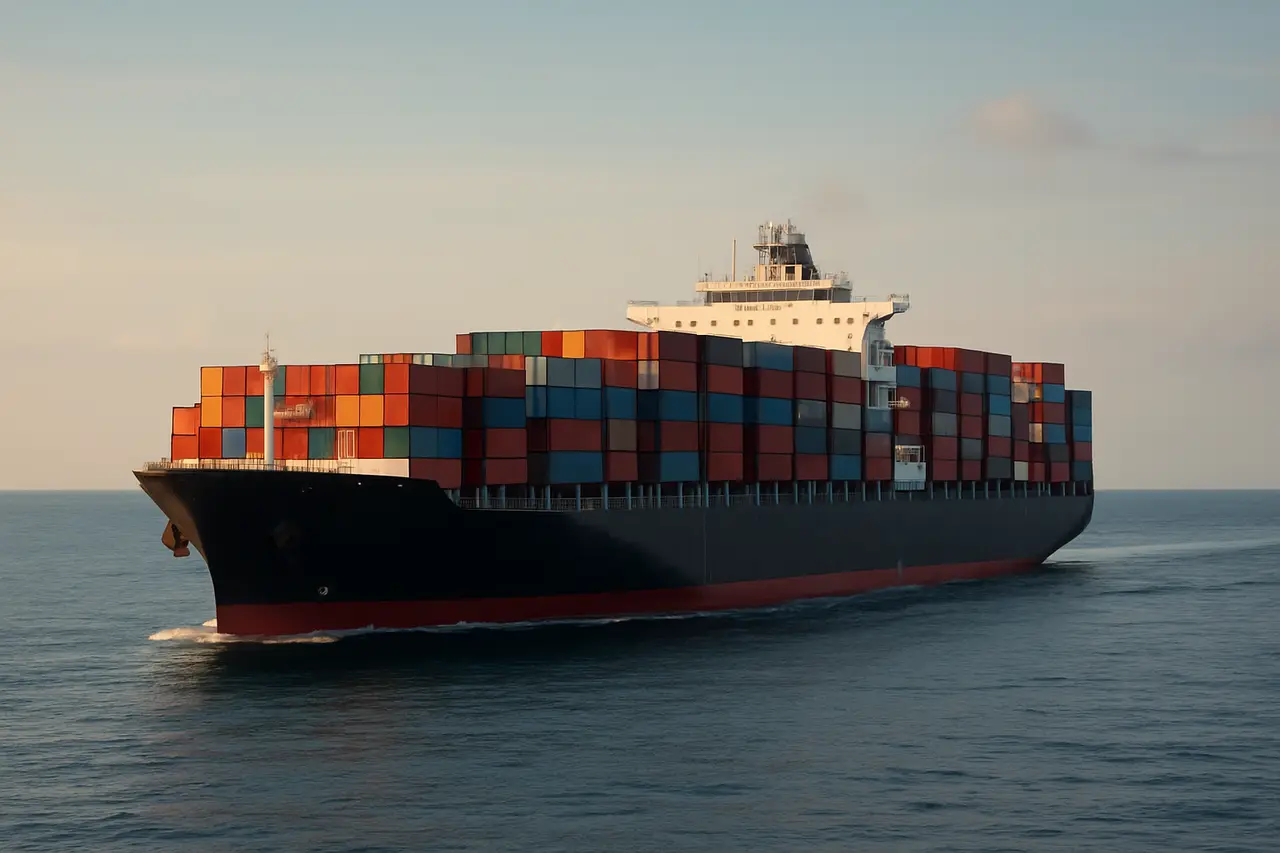
At about 54,000 metric tons, the tower weighs roughly as much as 9,000 African elephants, or a mid-size cargo ship.
Frequently asked questions
How much does the Ostankino Tower weigh?
It is estimated at about 54,000 metric tons, or roughly 59,500 US tons. The figure is dominated by its reinforced-concrete shaft.
What is the Ostankino Tower made of?
It is built primarily from pre-stressed reinforced concrete, with a steel antenna mast on top. The concrete is held in compression by internal steel cables.
How tall is the Ostankino Tower?
It stands about 540 meters tall. It was the tallest freestanding structure in the world from 1967 until 1976.