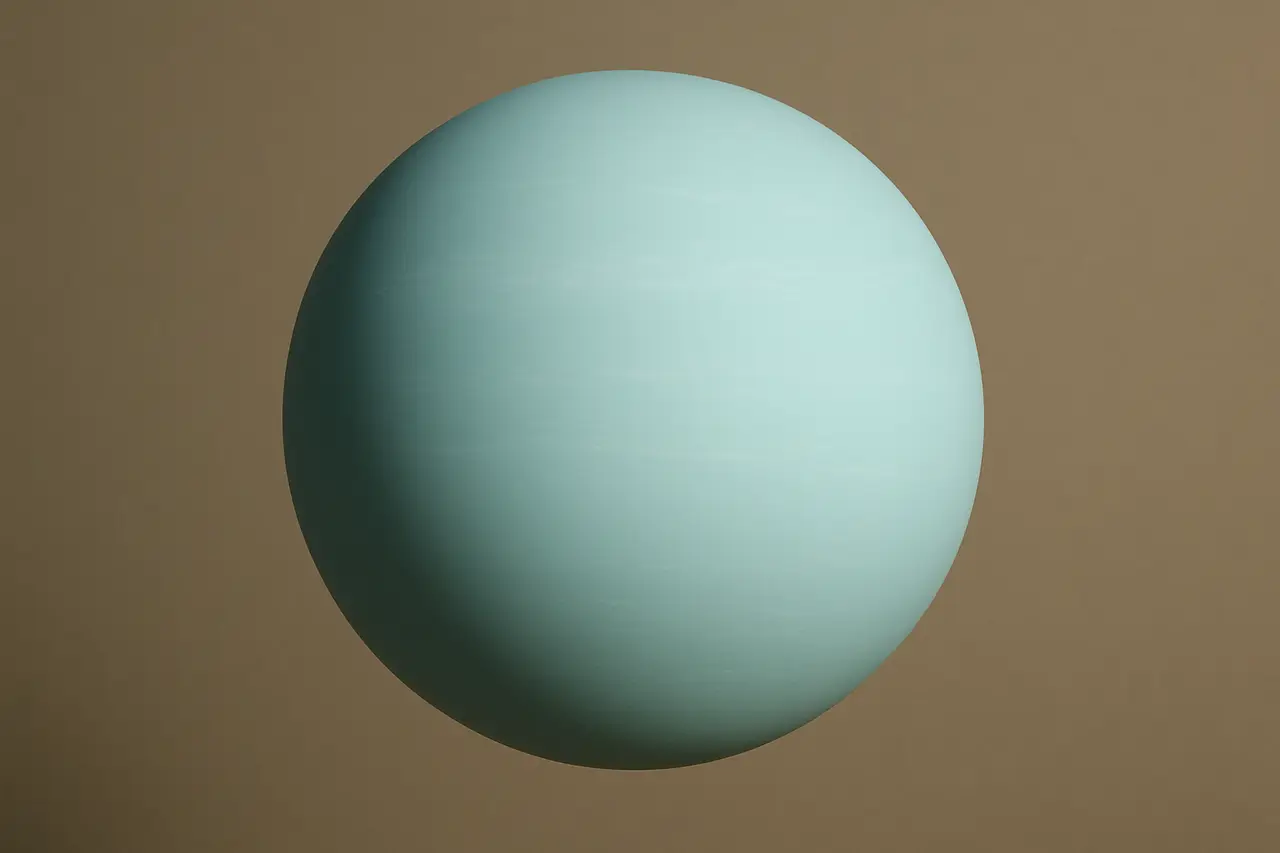
The short answer: Uranus has a mass of about 8.68 × 1025 kg (roughly 1.91 × 1026 lb), which is around 14.5 times the mass of Earth.
Uranus weight by type
Uranus is the seventh planet from the Sun and an ice giant, made largely of water, ammonia, and methane ices, and famous for rotating on its side.
| Comparison | Relative mass |
|---|---|
| Uranus mass | about 8.68 × 10²⁵ kg |
| Compared to Earth | about 14.5 times |
| Compared to Neptune | slightly lighter |
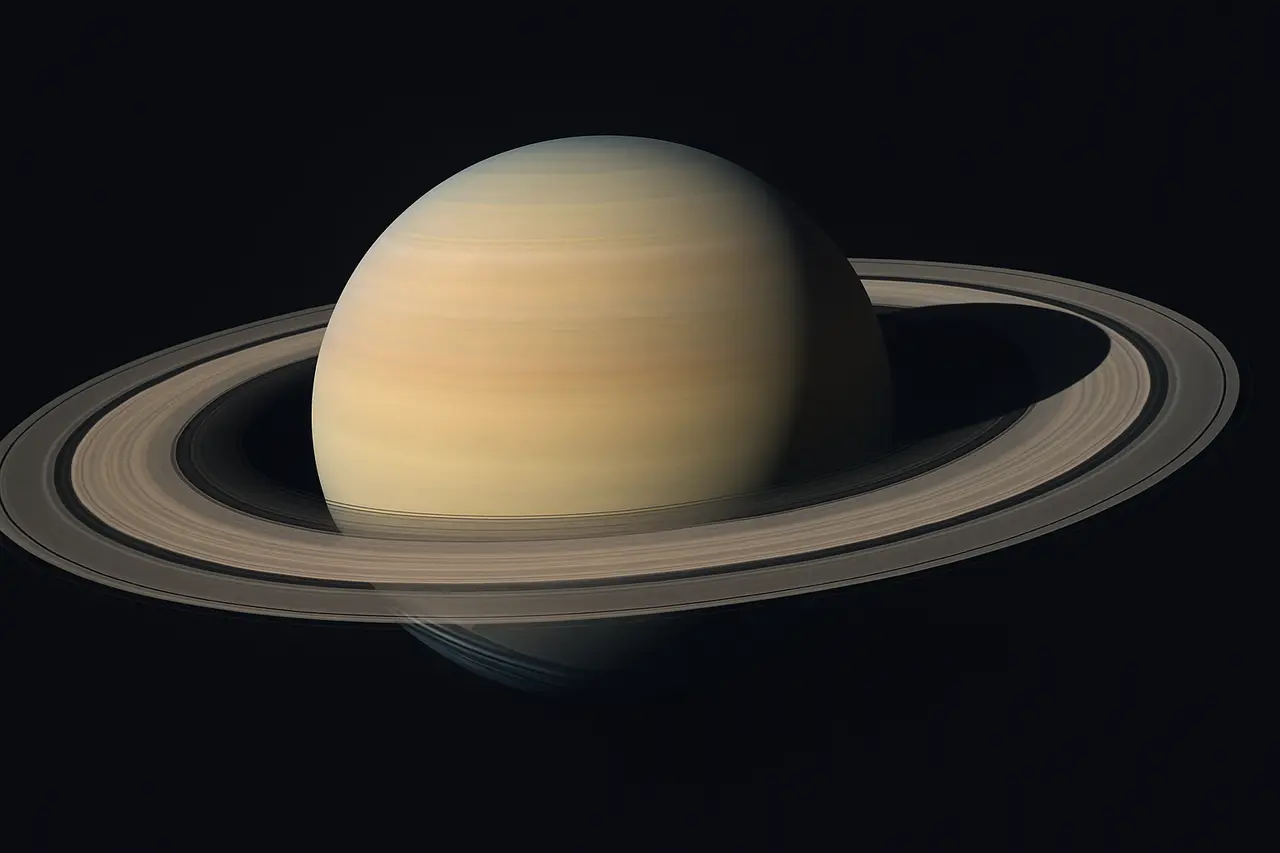
| Compared to Saturn | about 15% of Saturn |
What affects Uranus weight
- Ice and gas mix. Uranus's icy materials and gas envelope together set its total mass.
- Large size. At about four times Earth's diameter, its volume holds substantial mass.
- Lower density. Uranus is the least dense ice giant at about 1.27 g/cm³.
- Rocky core. A core of rock and ice contributes to the overall mass.
- Measurement via moons. The orbits of Uranus's moons help astronomers calculate its mass.
How Uranus weight compares
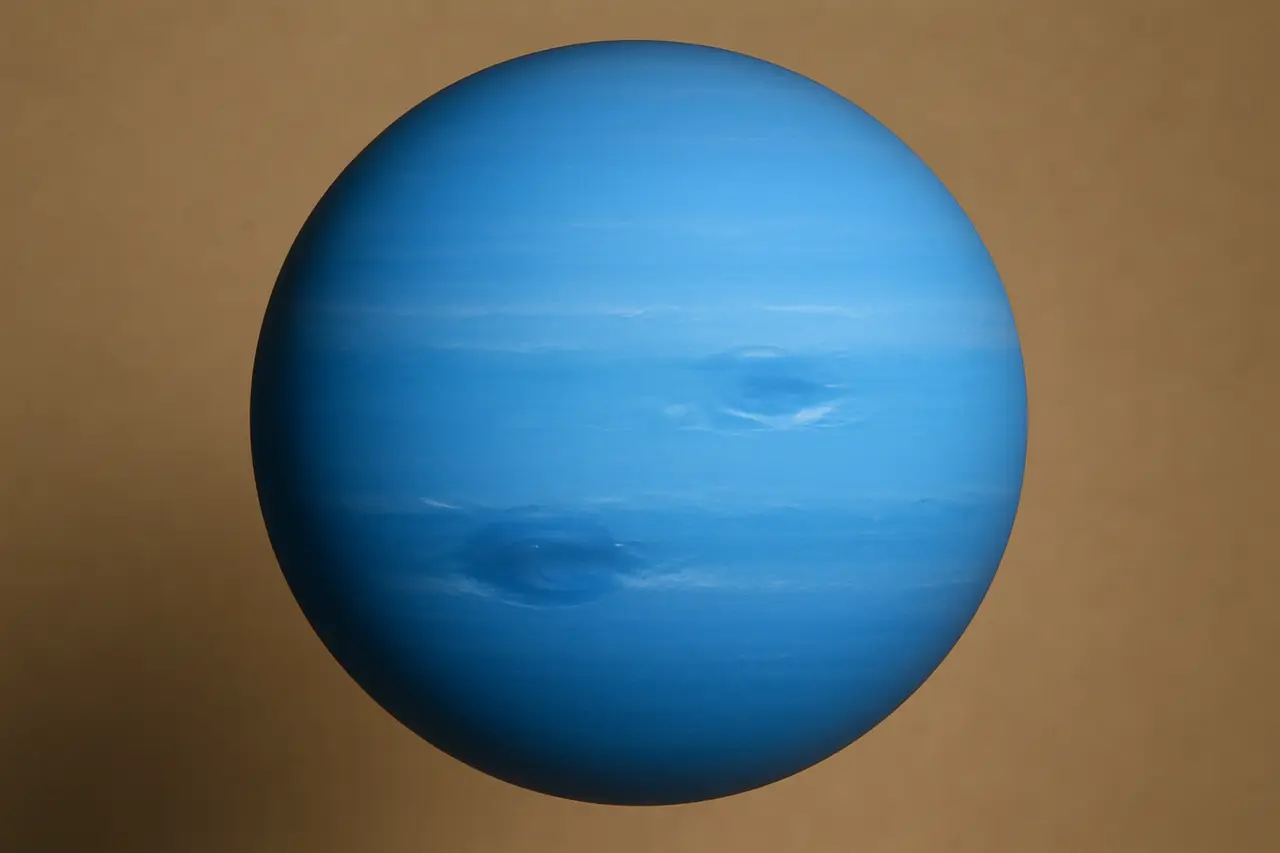
Uranus is about 14.5 times heavier than Earth, making it slightly lighter than its near-twin Neptune despite being a bit larger in size.
Frequently asked questions
Is Uranus heavier than Neptune?
No. Uranus is slightly lighter than Neptune, at about 14.5 Earth masses compared to Neptune's roughly 17, even though Uranus is a little larger. Neptune is the denser of the two ice giants.
Why is Uranus called an ice giant?
Uranus is called an ice giant because much of its mass is made of "icy" materials such as water, ammonia, and methane, rather than the hydrogen and helium that dominate gas giants.
How was Uranus's mass measured?
Uranus's mass was determined by observing the orbits of its moons and from data gathered during the Voyager 2 flyby in 1986. These observations reveal the planet's gravitational strength.