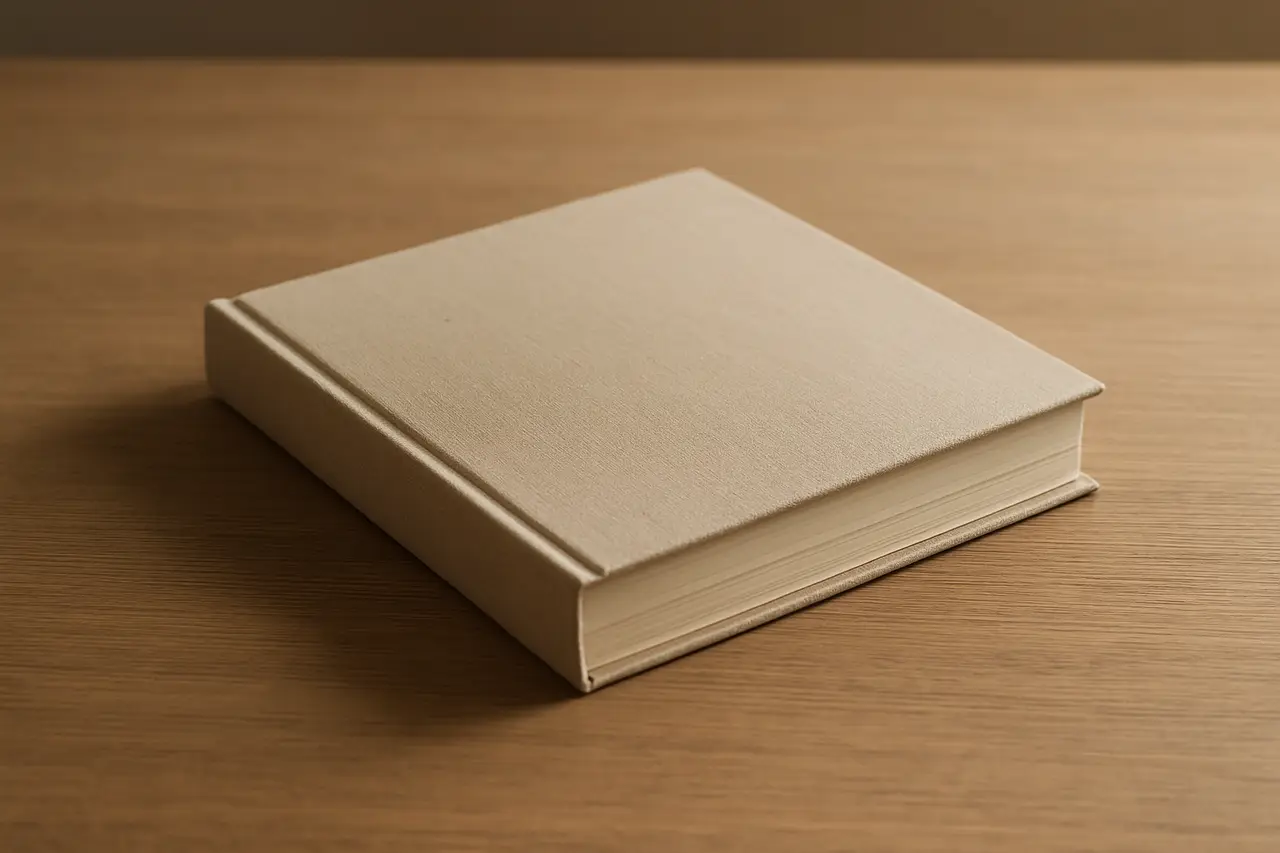
The short answer: A typical paperback novel weighs about 300 to 450 grams (10 to 16 ounces), while an average hardcover novel weighs 500 grams to 1 kilogram (1.1 to 2.2 pounds). Large reference works, coffee-table books, and textbooks can climb to 1.5 to 3 kilograms (3.3 to 6.6 pounds). The main reasons books differ so much are page count, paper type, and whether the cover is hard or soft.
Book weight by type
Format matters far more than the title. Use the table below to estimate the weight of the book in front of you.
| Book type | Typical weight (metric) | Weight (imperial) |
|---|---|---|
| Mass-market / pocket paperback | 150–250 g | 5–9 oz |
| Standard trade paperback novel | 300–450 g | 10–16 oz |
| Average hardcover novel | 500 g–1 kg | 1.1–2.2 lb |
| School / college textbook | 1–2.5 kg | 2.2–5.5 lb |
| Large reference / coffee-table book | 1.5–3 kg | 3.3–6.6 lb |
What changes a book's weight
- Page count. More pages mean more paper; a 600-page novel can weigh twice as much as a 250-page one.
- Paper weight and type. Heavier GSM stock and glossy or coated paper weigh far more than thin, matte novel paper.
- Cover type. A rigid hardcover binding adds several hundred grams over a softcover edition of the same book.
- Trim size. Larger page dimensions add surface area, so an oversized format is heavier even with the same page count.
- Illustrations. Photo books and textbooks use coated paper for sharp images, which is denser and heavier than plain text paper.
How a book compares
Putting book weight against familiar objects makes it easier to picture. A typical 350 g paperback weighs about the same as a can of soup. A 1 kg hardcover is close to a small bag of sugar. A heavy college textbook in the 1.5–2.5 kg range is roughly the weight of a laptop, which is why a backpack full of textbooks gets heavy so quickly.
- Pocket paperback: ~150–250 g (lightest)
- Hardcover novel: ~500 g–1 kg
- Textbook / reference book: ~1–3 kg (heaviest)
Weighing and converting
To weigh a book accurately, set a digital kitchen or postal scale to grams and place the book on it flat. For shipping, weigh the book inside its mailer so the packaging is included. If you need imperial units, remember that 1 kilogram is about 2.2 pounds and 100 grams is roughly 3.5 ounces. Because a single sheet of book paper weighs only 4–6 grams, page count and paper weight are what drive the final figure.
Frequently asked questions
How much does an average paperback book weigh?
A standard trade paperback novel weighs about 300 to 450 grams (10 to 16 ounces). Smaller mass-market or pocket paperbacks are lighter, around 150 to 250 grams (5 to 9 ounces).
How much heavier is a hardcover than a paperback?
An average hardcover novel weighs about 500 grams to 1 kilogram (1.1 to 2.2 pounds), roughly two to three times more than the same title in paperback because of the rigid board cover.
How much does a textbook weigh?
School and college textbooks typically weigh 1 to 2.5 kilograms (2.2 to 5.5 pounds), and large reference or coffee-table books can reach 3 kilograms (about 6.6 pounds) or more.
How do I find the shipping weight of a book?
Weigh the book on a digital scale, then add packaging. A mailer and padding usually add 50 to 150 grams to the listed book weight.
How much does a single page of a book weigh?
A single sheet of standard book paper weighs roughly 4 to 6 grams, so page count and paper GSM are the biggest drivers of overall weight.