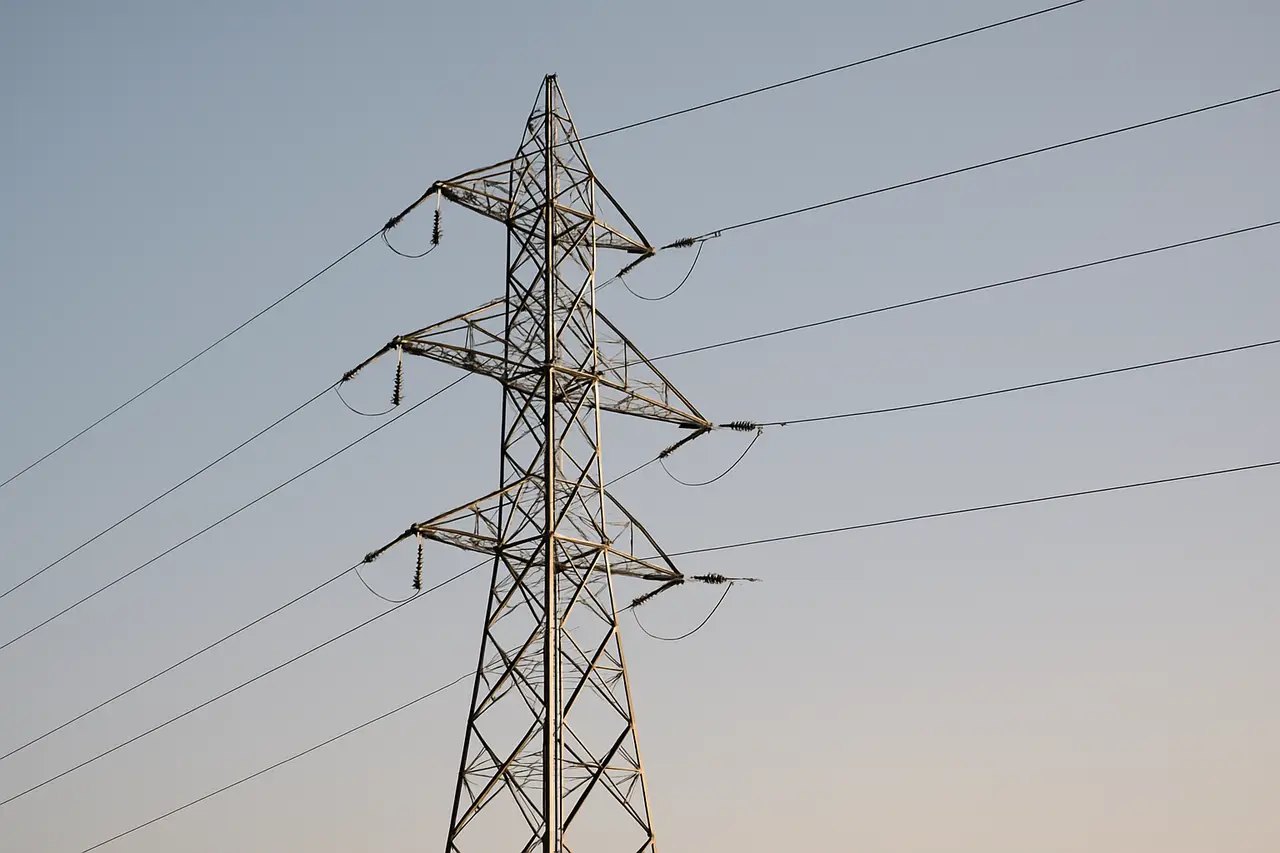
The short answer: Towers vary widely, but a large steel tower like the Eiffel Tower weighs around 10,100 metric tons (about 11,150 US tons), while smaller communication towers weigh from a few hundred to a few thousand tons.
Tower weight by type
Towers span a huge range of sizes and uses, so their weight depends heavily on height, materials, and purpose.
| Type (example) | Typical weight |
|---|---|
| Small cell or radio tower | a few hundred tons |
| Mid-sized observation tower | a few thousand tons |
| Eiffel Tower (steel/iron) | about 10,100 metric tons |
| Massive concrete tower (CN Tower) | 100,000+ metric tons |
What affects tower weight
- Height. Taller towers require far more material and weigh more.
- Materials. Steel and iron towers are lighter than solid concrete ones of similar height.
- Design. Open lattice frames weigh much less than solid structures.
- Purpose. Observation and broadcast towers carry extra equipment and decks.
- Foundation. A heavy concrete base anchors tall towers and adds significant weight.
How tower weight compares
A steel tower like the Eiffel Tower at about 10,100 metric tons weighs roughly as much as 1,500 elephants, while a concrete giant like the CN Tower is more than ten times heavier.
Frequently asked questions
Why is the Eiffel Tower so light for its size?
The Eiffel Tower uses an open wrought-iron lattice design that distributes weight efficiently and avoids solid mass. This is why it weighs only about 10,100 metric tons despite its great height.
Do concrete or steel towers weigh more?
Concrete towers generally weigh far more than steel ones of similar height because concrete is dense and used in large volumes. Steel lattice towers achieve great height with much less weight.
How is a tower's weight calculated?
Engineers calculate a tower's weight by adding up the volume of each material multiplied by its density. This includes the frame, any decks or equipment, and the foundation.