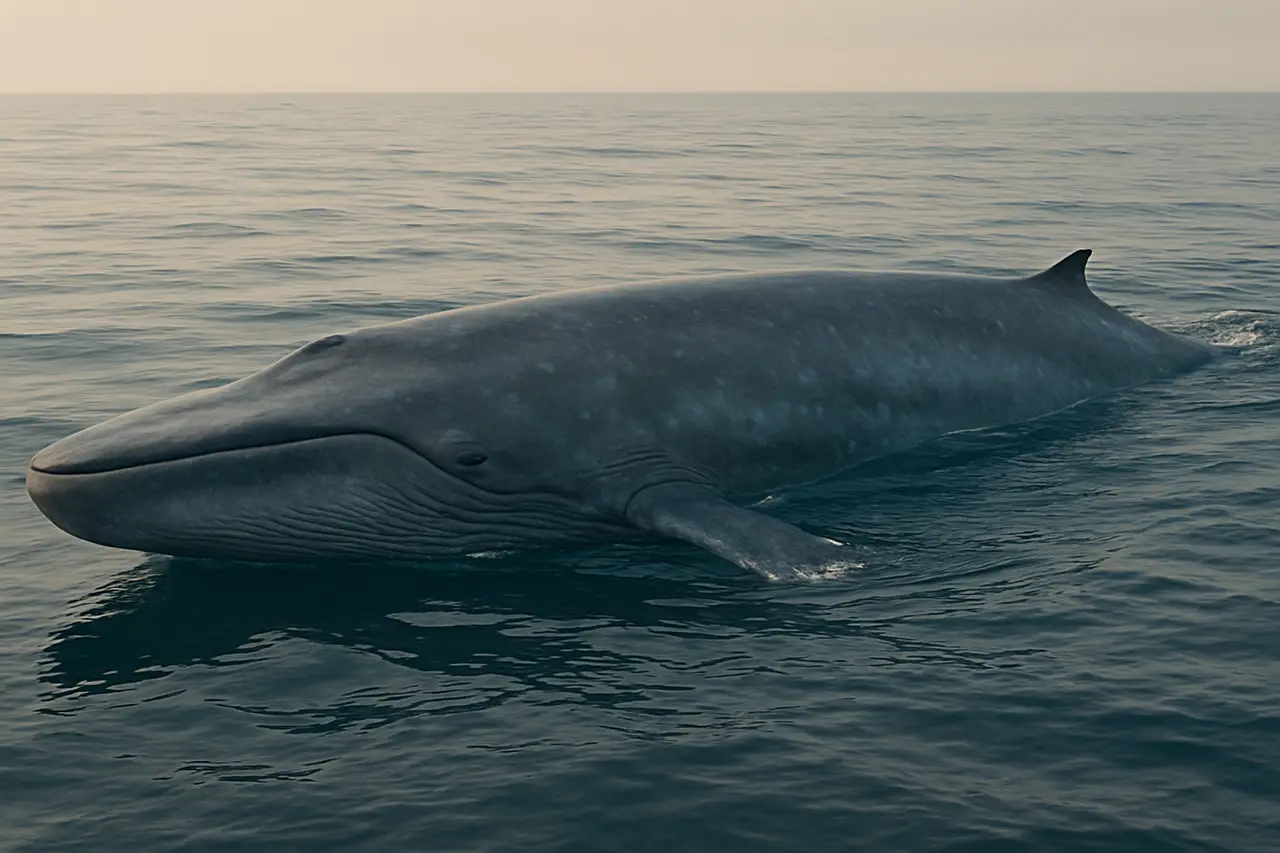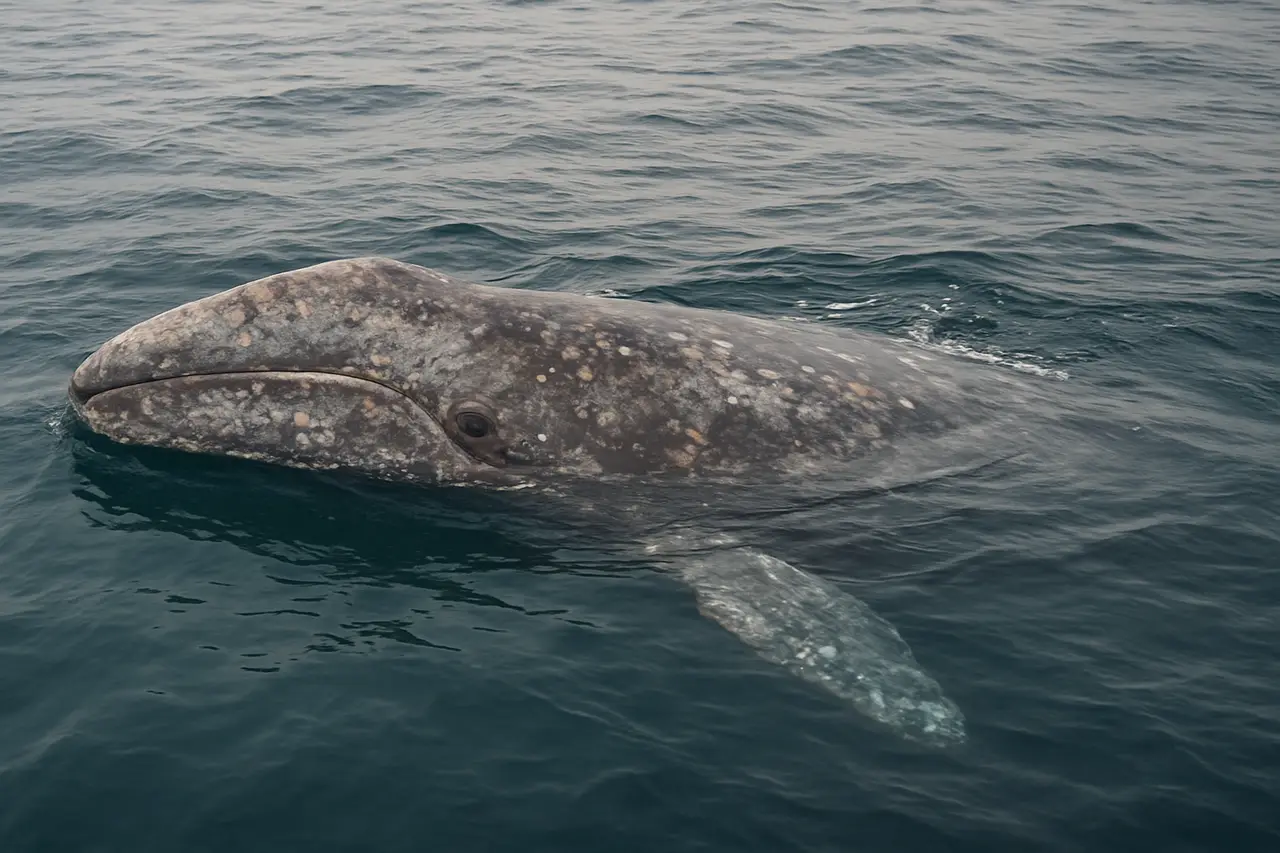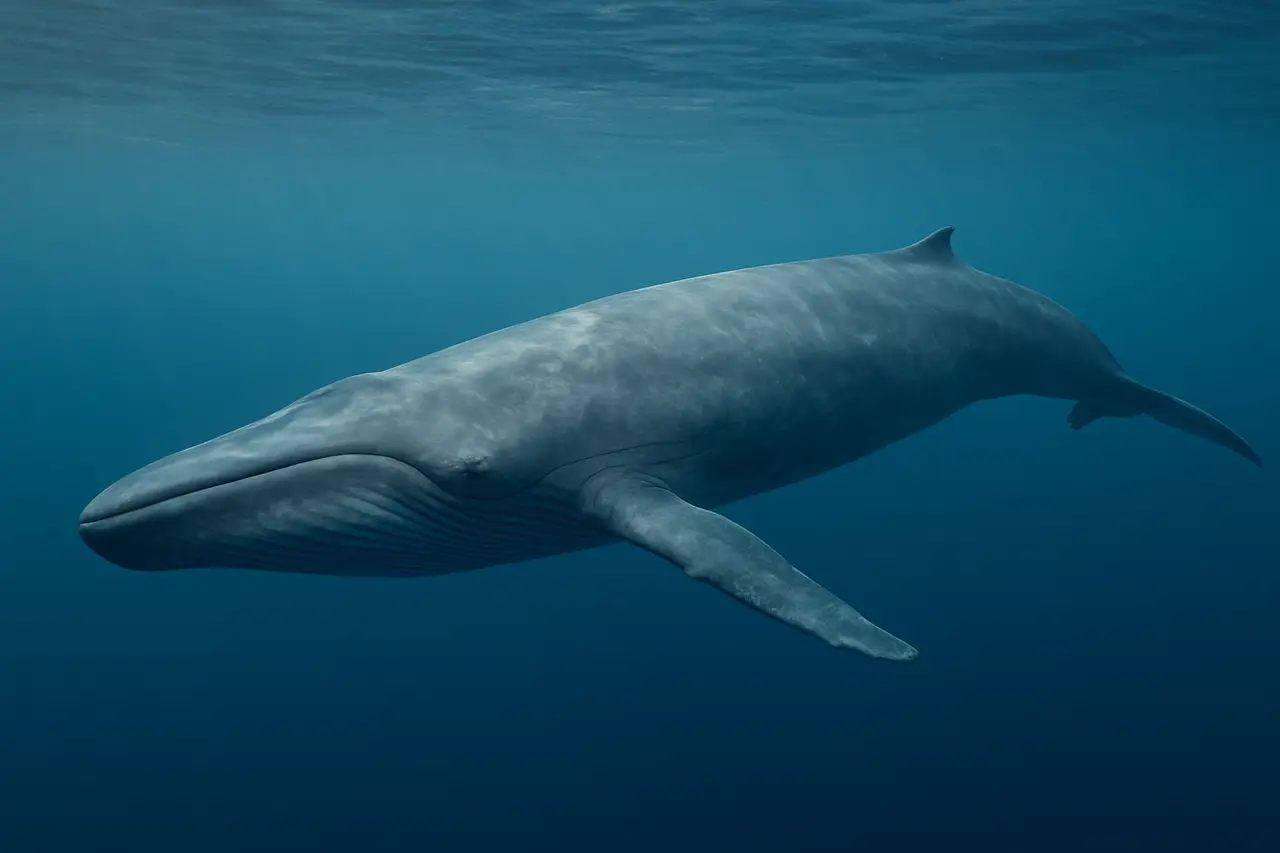
The short answer: Whale weight varies hugely by species. An adult blue whale can weigh 100 to 200 metric tons (about 220,000 to 440,000 pounds), making it the heaviest animal on Earth, while smaller whales weigh far less.
Whale weight by type
Whales span an enormous size range. Here are representative figures by species.
| Type (example) | Typical weight |
|---|---|
| Beluga whale | About 1,000 to 1,600 kg (2,200 to 3,500 lb) |
| Killer whale (orca) | About 2,500 to 6,000 kg (5,500 to 13,200 lb) |
| Humpback whale | About 25,000 to 40,000 kg (55,000 to 88,000 lb) |
| Sperm whale | About 35,000 to 57,000 kg (77,000 to 125,000 lb) |
| Blue whale (largest) | About 100,000 to 200,000 kg (220,000 to 440,000 lb) |
What affects whale weight
- Species. Whales range from around a tonne to roughly 200 tonnes.
- Sex. In some species one sex grows notably larger than the other.
- Age. Whales gain mass for years before reaching full size.
- Feeding season. Many whales build blubber in summer and slim down while breeding.
- Region. Populations differ in average size across oceans.
How whale weight compares
A blue whale near 150 tonnes weighs about as much as 25 African elephants, or roughly 2,000 adult humans combined.
Frequently asked questions
What is the heaviest whale?
The blue whale is the heaviest whale and the largest animal known to have lived, reaching up to about 200 metric tons.
How much does a killer whale weigh?
Killer whales (orcas) typically weigh about 2,500 to 6,000 kilograms, far less than the great baleen whales.
Why do whales weigh so much?
Water supports their massive bodies, so whales can grow far heavier than any land animal, with thick blubber adding extra weight.