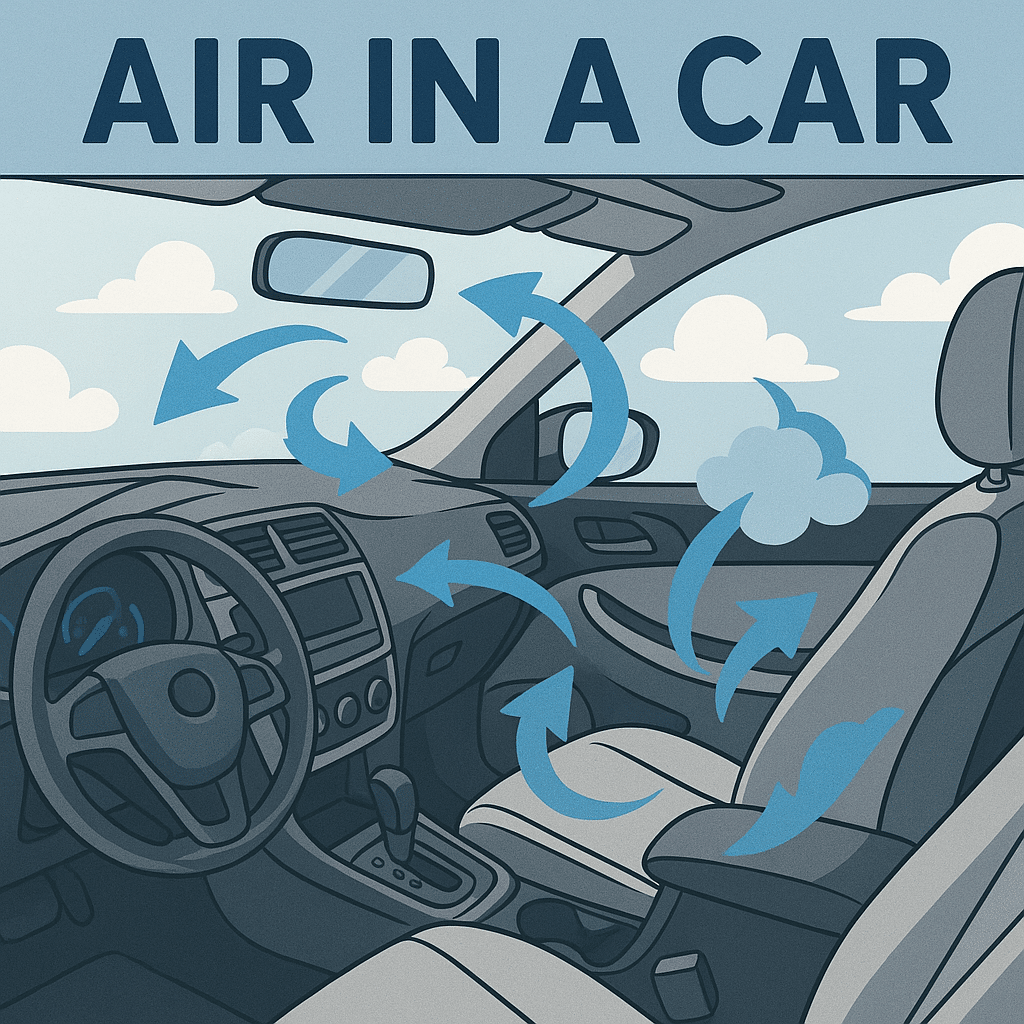
In the quiet moments of a drive, as the gentle hum of the engine soothes the soul, there lies an invisible companion enveloping us—the air within the car. It’s easy to overlook this unseen passenger, yet it plays a vital role in our journey, much like the way a gentle breeze guides a sailboat home. Did you know that the air inside an average-sized car weighs approximately 0.5 to 1 kilogram? This weight, though seemingly insignificant, speaks volumes about the delicate balance of nature and technology.
The air we breathe has been a fascinating subject throughout history, from the ancient Korean belief in “Ki” or life force, to the scientific endeavors of Western scholars. In Korea, it is said, “바람이 분다,” meaning “The wind blows,” a reminder that even what we cannot see can profoundly affect our lives. Weighing air, especially in a confined space like a car, might seem like trying to catch the wind with a net—an elusive task. However, understanding this weight is crucial for engineers designing efficient ventilation systems and for calculating fuel efficiency.
The significance of knowing the weight of air in a car extends to various fields, including environmental science and automotive engineering. It is akin to understanding the weight of a whisper, subtle yet impactful. In our pursuit of knowledge, we often find that even the smallest details, like the weight of air, contribute to the grand tapestry of understanding our world. As the Korean proverb goes, “작은 고추가 맵다,” or “A small pepper is spicy,” reminding us that even the smallest elements in life can hold great power and significance.

Comments (0)
There are no comments here yet, you can be the first!