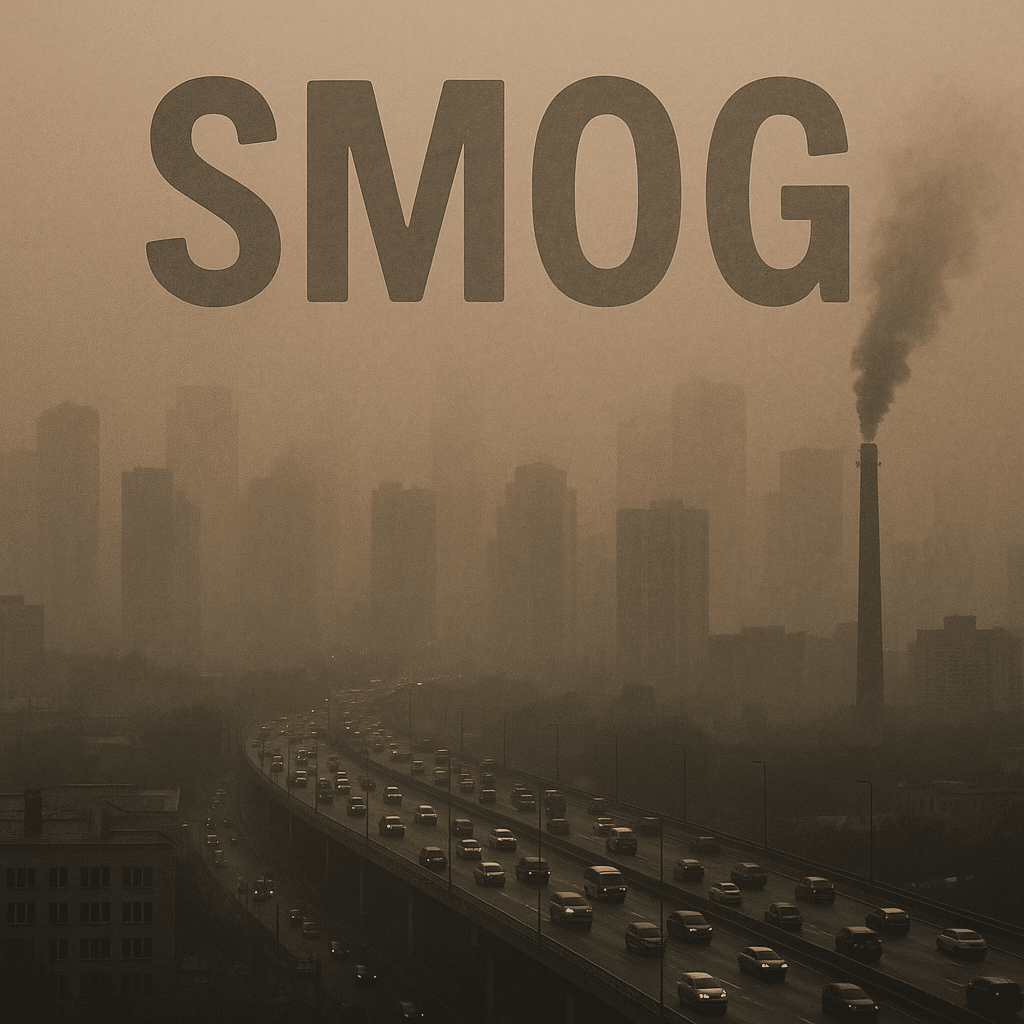
Ah, smog. That elusive, almost mythical beast that lurks over cities, casting a hazy spell that makes everything look straight out of a 70s detective show. But here’s an interesting tidbit: Did you know that the weight of smog over a major city can equal that of a herd of elephants? Yes, you read that right. Imagine a pachyderm parade invisibly perched above our heads, trumpeting its presence with every breath we take.
Now, let’s tackle that tricky question: how much does smog weigh? While smog itself isn’t easy to pop on a bathroom scale, scientists estimate that a dense layer of it over a city like Los Angeles can weigh several thousand tons. This isn’t just hot air, folks; it’s a mix of pollutants like nitrogen oxides and volatile organic compounds, often measured in micrograms per cubic meter. To put it in perspective, during particularly bad days, the weight of smog can be staggering enough to make you want to hug a tree—literally and figuratively.
Smog’s history is as murky as its appearance, with roots stretching back to the Industrial Revolution. As factories belched smoke and soot into the sky, smog became an unwelcome resident in urban centers. Weighing smog isn’t straightforward, either. It’s like trying to catch smoke with a butterfly net—a futile pursuit without the right tools. Scientists use sophisticated instruments, including satellite technology and ground-based sensors, to approximate its weight. But why bother? Understanding smog’s weight is crucial for assessing air quality and implementing policies to clear the air, quite literally. After all, in the grand scheme of things, isn’t it better to have a clear view of the stars than to live in a perpetual sepia-toned episode of “Starsky & Hutch”?

Comments (0)
There are no comments here yet, you can be the first!