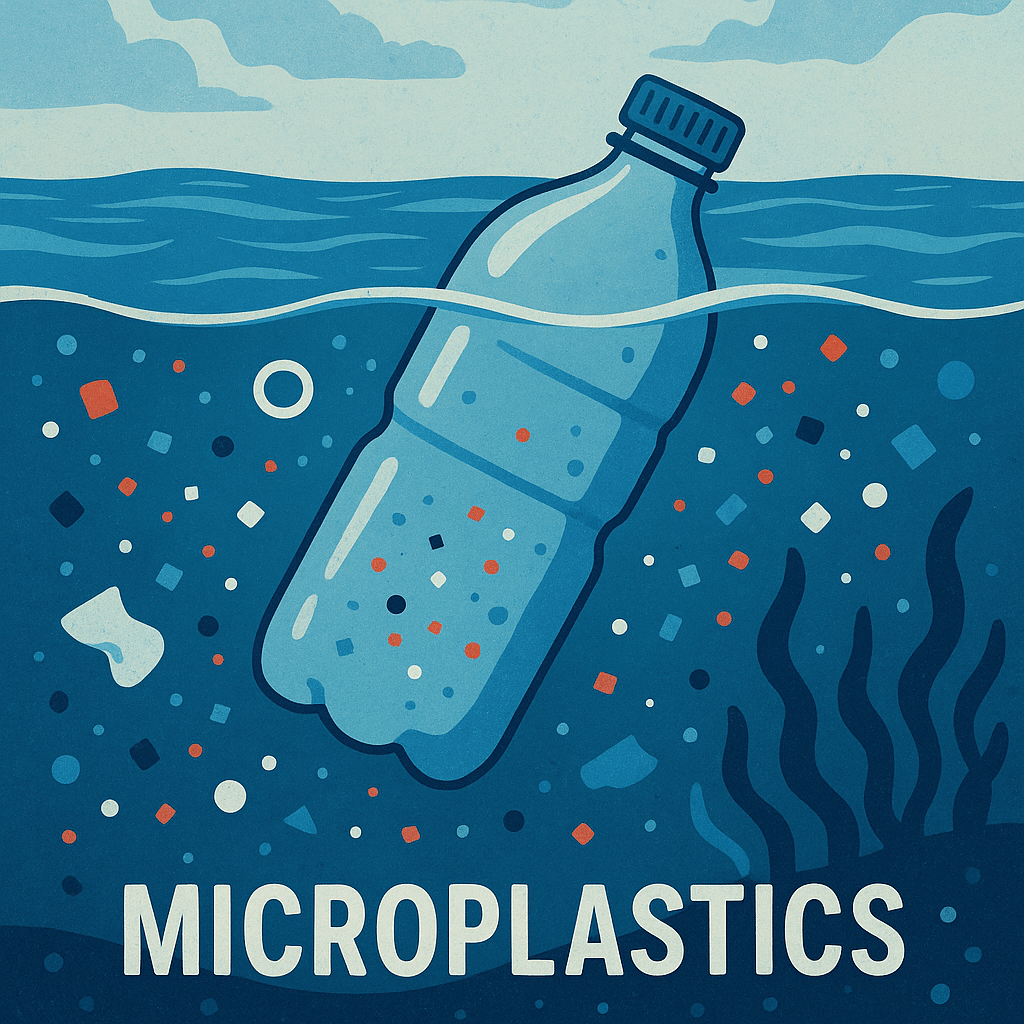
In the vast tapestry of our oceans, microplastics weave an intricate and troubling story. An interesting fact about these minute pollutants is that they are now found in the deepest ocean trenches and even in the polar ice caps, illustrating their pervasive reach. According to recent studies, the weight of microplastics in the ocean is estimated to be between 93,000 and 236,000 metric tonnes. This staggering figure, though vast, is still a conservative estimate due to the challenges in accurately measuring these tiny fragments.
In the gentle ebb and flow of Korean tradition, there’s a proverb that says, “Even a sheet of paper is lighter when two people lift it together.” This speaks to the collective responsibility we share in addressing the microplastic crisis. The history of microplastics begins with the rise of plastics in the mid-20th century—a boon for convenience but a bane for nature. As these materials break down, they become insidious particles that elude easy measurement. Weighing them is akin to capturing the wind, both an art and a science, requiring delicate precision and advanced technology.
Understanding the weight of microplastics is crucial, for it is not just about numbers but about the impact on marine life and human health. Microplastics act as carriers for pollutants and can be ingested by marine organisms, entering the food chain and, ultimately, our bodies. By comprehending the gravity of their presence, we can better devise strategies to mitigate their spread. Let us gather, like an assembly of wise elders, to share knowledge and craft solutions, ensuring our oceans tell a healthier tale for future generations.

Comments (0)
There are no comments here yet, you can be the first!