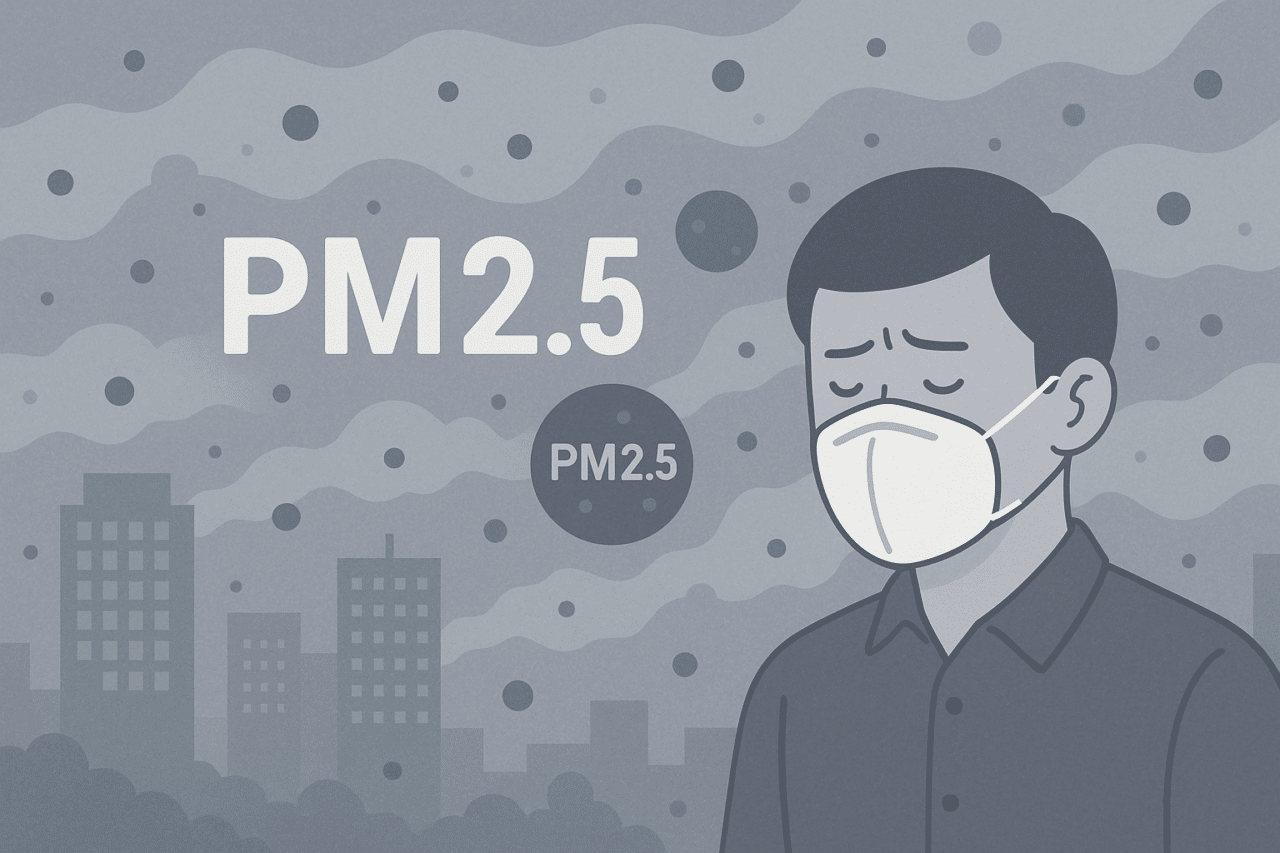
Ah, PM2.5 particles—those minuscule marauders that stealthily float through the air, invisible yet impactful. These tiny particles, measuring less than 2.5 micrometers in diameter, are so small that you could line up about 400 of them across the width of a human hair. Fascinatingly, despite their diminutive size, they wield significant power over our health and the environment. But, how much does a single PM2.5 particle actually weigh?
To put it simply, a PM2.5 particle weighs approximately 0.0000000000000001 grams, or 1.0 x 10^-16 grams. Yes, that’s a staggering number of zeros! Their weight is nearly impossible to grasp without the help of scientific instruments, yet understanding this weight is crucial for a host of reasons, from health assessments to environmental regulations.
The history of studying PM2.5 is a journey of technological advancement and increasing environmental awareness. It wasn’t until the mid-20th century that scientists began to truly understand the implications of these particles. Weighing them is no small feat, requiring sophisticated equipment like high-volume air samplers and electron microscopes. This complexity underscores the importance of knowing their weight, as these particles are linked to a myriad of health issues, including respiratory diseases and cardiovascular problems.
I recall a moment from my youth, sitting on my grandparent’s porch in the hazy summer twilight, as the scent of impending rain mingled with the smoke from a distant wildfire. We didn’t have the tools back then to measure the air’s invisible threats, but we could feel it in our lungs. Today, with PM2.5 data at our fingertips, we can better appreciate the weight of what we once could only sense, paving the way for healthier futures.
In essence, knowing the weight of PM2.5 particles is not just a scientific curiosity. It’s a step towards understanding the air we breathe and a stride towards safeguarding our health and planet. And that, dear reader, is the true weight of knowledge.

Comments (0)
There are no comments here yet, you can be the first!